
Embarking on a road trip from Houston to New Orleans is a classic American journey, a transition from the sprawling energy of a Texan metropolis to the vibrant, soulful rhythm of the Louisiana bayou. The question of “how far” is not just about mileage; it’s about the experiences waiting to be discovered along the way, the different flavors of culture you’ll encounter, and the diverse accommodation options that cater to every traveler’s needs. This article delves into the practicalities of this popular route, exploring distances, travel times, and the rich tapestry of attractions and accommodations that make this trip unforgettable.
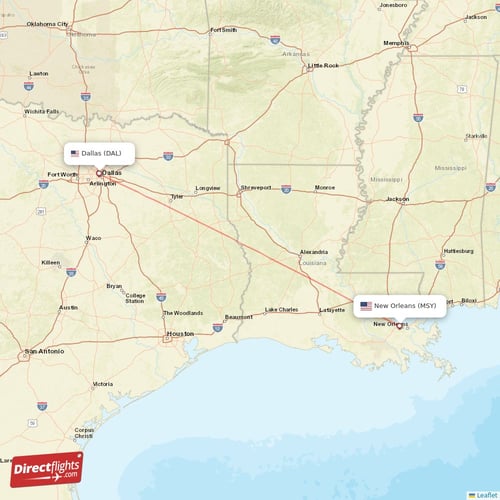
The distance between Houston, Texas, and New Orleans, Louisiana, is approximately 365 miles, or about 587 kilometers. This figure is a starting point, a geographical marker for a journey that promises far more than just reaching a destination. When planning this drive, several factors come into play, including the chosen mode of transport, the time of day, and the ever-present possibility of encountering the unique charms of the Gulf Coast.
The Road Less Traveled: Navigating the Journey
Driving: The Quintessential Road Trip Experience
The most common way to travel between Houston and New Orleans is by car. This offers the ultimate flexibility, allowing you to set your own pace and make spontaneous detours. The primary route is Interstate 10 East (I-10 E), a well-maintained highway that cuts directly across the Gulf Coast.
Estimated Driving Time
Under ideal conditions, the drive can take approximately 5.5 to 6 hours. However, this is a pure driving time estimate and does not account for essential stops. Realistically, you should budget for at least 7 to 8 hours, factoring in:
- Traffic: Both Houston and New Orleans are major metropolitan areas, and traffic can significantly impact your travel time, especially during peak hours. The areas around Baton Rouge and Lafayette can also experience congestion.
- Rest Stops and Fuel: Regular breaks are crucial for a safe and enjoyable journey. You’ll find numerous service plazas and exits along I-10 offering fuel, restrooms, and quick food options.
- Dining: The culinary landscape along this route is worth exploring. From classic Southern comfort food to fresh seafood, you’ll want to pause and savor the local flavors.
- Sightseeing: While I-10 is a direct route, there are often opportunities for brief excursions to nearby attractions.
Key Cities and Potential Stops Along I-10 E
As you traverse the approximately 365 miles, you’ll pass through or near several notable cities that offer a glimpse into the diverse cultures of Texas and Louisiana.
- Beaumont, Texas: Situated about 90 miles east of Houston, Beaumont is known for its oil history and the iconic Spindletop-Gladys City Boomtown Museum. A short detour can provide an interesting historical interlude.
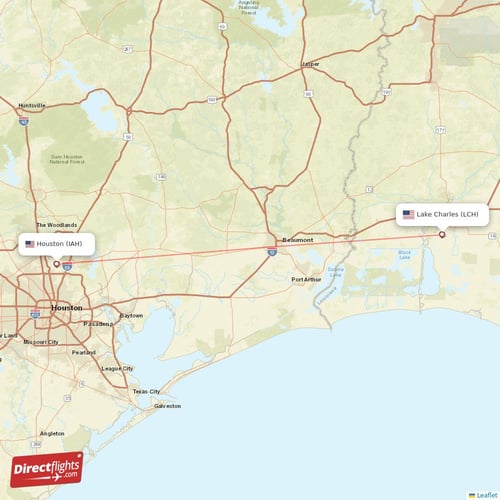
- Lake Charles, Louisiana: Roughly 150 miles from Houston, Lake Charles is a gateway to Louisiana‘s Creole heritage and boasts a lively casino scene along the Calcasieu River. It’s a good place to stretch your legs and perhaps enjoy some local cuisine.
- Lafayette, Louisiana: Located about 230 miles from Houston, Lafayette is considered the heart of Acadiana, the region settled by the Acadian exiles. This is a prime spot to experience authentic Cajun culture, music, and food, particularly its world-renowned boudin and crawfish dishes. The Vermilionville Historic Village offers a fascinating look into the area’s past.
- Baton Rouge, Louisiana: The capital city of Louisiana, Baton Rouge, sits approximately 300 miles from Houston. It’s home to the imposing Louisiana State Capitol and the historic Old State Capitol. While a larger city, a quick stop can offer historical context to your journey.
Alternative Modes of Transport
While driving is the most popular, other options exist, each with its own set of considerations:
Flying: The Fastest, But Less Experiential Option
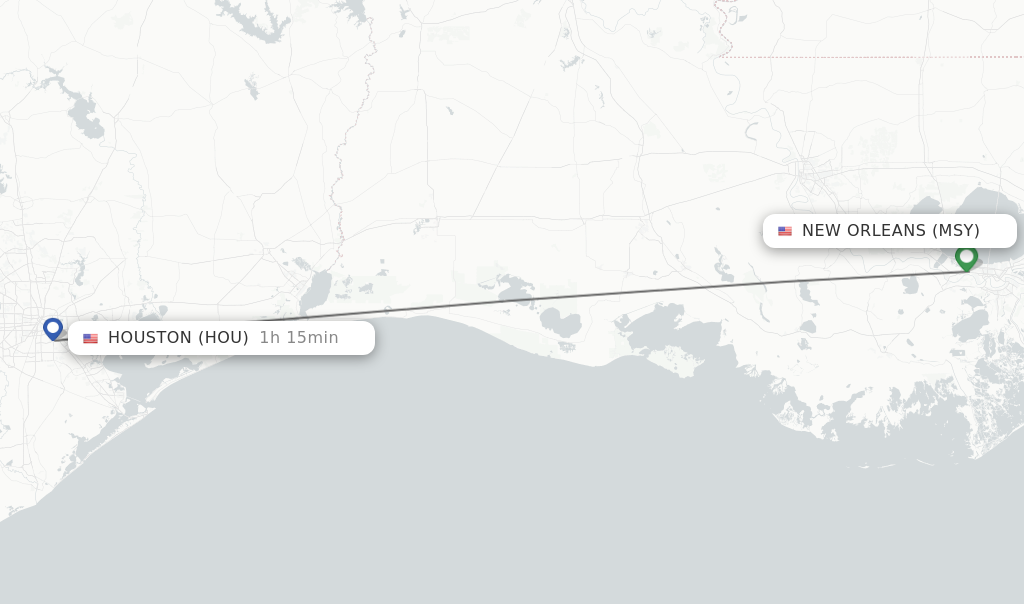
For those prioritizing speed, flying is the obvious choice. Houston has two major airports: George Bush Intercontinental Airport (IAH) and William P. Hobby Airport (HOU). New Orleans is served by Louis Armstrong New Orleans International Airport (MSY). Direct flights are frequent and take about 1 hour and 15 minutes. However, this option bypasses the scenic drive and the cultural immersion that comes with it. Factor in travel time to and from airports, security checks, and potential delays, and the overall door-to-door time might not be as dramatically shorter than driving, especially when considering the cost and reduced flexibility.
Bus Travel: A Budget-Friendly Alternative
Companies like Greyhound and Megabus offer bus services between Houston and New Orleans. This is generally the most budget-friendly option. The journey typically takes around 7 to 9 hours, depending on the route and number of stops. While less comfortable than a personal vehicle or a flight, it allows you to relax and watch the landscape change without the stress of driving.
Train Travel: A Relaxing, Scenic Route
Amtrak operates a route that connects Houston and New Orleans, though it’s not a direct service and often involves transfers. The journey can be quite lengthy, often exceeding 10 hours, and might not be the most efficient option for those on a tight schedule. However, for travelers who enjoy the romance of train travel and prefer a more relaxed pace, it can be an enjoyable way to see the countryside.
Accommodation: Your Home Away From Home
Once you’ve determined your travel method and estimated arrival time in New Orleans, securing suitable accommodation is paramount. The city offers an incredibly diverse range of options, from luxurious resorts to charming boutique hotels and budget-friendly apartments, catering to every traveler’s lifestyle and budget.
Luxury Stays and Boutique Charm
For those seeking an opulent experience, New Orleans boasts several world-class hotels. The historic The Roosevelt New Orleans, A Waldorf Astoria Hotel, is renowned for its grandeur and the iconic Sazerac Bar. Similarly, the Windsor Court Hotel offers sophisticated elegance and exceptional service, often featuring live jazz music. For a taste of boutique charm, consider staying in the French Quarter at establishments like the Hotel Monteleone, famous for its Carousel Bar, or the intimate Soniat House, offering a glimpse into antebellum Louisiana architecture. These hotels often provide amenities like fine dining, spa services, and prime locations for exploring the city’s most famous landmarks.
Resorts and Family-Friendly Options
While New Orleans isn’t typically known for sprawling resorts in the traditional sense, many hotels offer resort-like amenities, including swimming pools, on-site dining, and event spaces. For families, looking for hotels with spacious rooms or suites and kid-friendly activities can enhance the stay. Some properties in areas slightly outside the immediate French Quarter might offer more space and amenities suitable for children. Researching hotels that highlight family packages or offer services like babysitting can be beneficial.
Apartments and Long-Term Stays
For longer visits or for travelers who prefer a more independent living experience, apartment rentals and vacation homes are abundant. Platforms like Airbnb and VRBO offer a wide selection of properties throughout the city, from cozy studios in the Garden District to spacious homes in the Marigny. These options often come with fully equipped kitchens, living areas, and laundry facilities, providing a home-away-from-home atmosphere. This is an excellent choice for families, groups of friends, or anyone seeking to immerse themselves in the local lifestyle.
Budget-Conscious Choices
New Orleans also caters to budget travelers without compromising on experience. Numerous well-regarded hostels offer dormitory beds and private rooms, fostering a social atmosphere. Additionally, many standard hotels and motels are located within reasonable proximity to attractions, offering clean and comfortable stays at more affordable price points. Exploring neighborhoods slightly further from the immediate French Quarter, such as the Uptown or Mid-City areas, can often yield more budget-friendly accommodation options, with convenient access to public transportation.
Experiencing New Orleans: Beyond the Distance
The journey from Houston to New Orleans is more than just covering miles; it’s a cultural immersion. Whether you arrive by car, plane, bus, or train, the true essence of New Orleans lies in its unique blend of history, music, food, and vibrant local culture.
The Heartbeat of the City: Attractions and Landmarks
New Orleans is a city that lives and breathes its history and culture. The French Quarter, a National Historic Landmark, is an absolute must-visit. Its wrought-iron balconies, cobblestone streets, and iconic Bourbon Street pulsate with energy. Beyond the French Quarter, explore the elegant mansions and oak-lined streets of the Garden District, or discover the artistic community and live music venues in the Marigny.
Key landmarks that define the city include:
- St. Louis Cathedral: The oldest continuously active Roman Catholic cathedral in the United States, a stunning architectural marvel facing Jackson Square.
- Jackson Square: The vibrant heart of the French Quarter, a historic park surrounded by art vendors, street performers, and charming cafes.
- Frenchmen Street: Renowned as the epicenter of New Orleans‘ live music scene, offering an authentic experience of jazz, blues, and funk.
- Audubon Aquarium of the Americas and Audubon Zoo: Fantastic destinations for families and animal lovers, showcasing diverse aquatic life and native Louisiana wildlife.
- The National WWII Museum: A critically acclaimed museum offering a profound and moving exploration of World War II.
A Culinary Pilgrimage: The Flavors of Louisiana
New Orleans is a food lover’s paradise, a city where culinary traditions are as rich and diverse as its history. From humble corner cafes to world-renowned restaurants, every meal is an opportunity for discovery.
- Creole Cuisine: Characterized by its refined, French-influenced style, featuring dishes like Gumbo, Jambalaya, and Shrimp Creole. Iconic establishments like Commander’s Palace in the Garden District are temples of Creole gastronomy.
- Cajun Cuisine: Originating from the rural areas of Louisiana, Cajun food is known for its bold, spicy flavors, often featuring crawfish, alligator, and hearty stews.
- Beignets: No visit to New Orleans is complete without indulging in the iconic powdered sugar-dusted fried dough from Café Du Monde or Cafe Beignet.
- Po’boys: These beloved sandwiches, typically filled with fried shrimp, oysters, or roast beef, are a quintessential New Orleans street food.
The journey from Houston to New Orleans is an invitation to explore, to taste, and to immerse yourself in a culture that is unlike any other in America. Whether you are drawn by the allure of live music, the promise of exquisite food, or the fascination with its storied past, the approximate 365 miles separating these two captivating cities are well worth the adventure.
LifeOutOfTheBox is a participant in the Amazon Services LLC Associates Program, an affiliate advertising program designed to provide a means for sites to earn advertising fees by advertising and linking to Amazon.com. Amazon, the Amazon logo, AmazonSupply, and the AmazonSupply logo are trademarks of Amazon.com, Inc. or its affiliates. As an Amazon Associate we earn affiliate commissions from qualifying purchases.