
New Orleans, a city synonymous with vibrant culture, soul-stirring music, and unparalleled culinary delights, beckons travelers from across the globe. Its unique blend of French, Spanish, and African influences creates an intoxicating atmosphere that captivates the senses. From the historic charm of the French Quarter to the lively Garden District and the iconic Mississippi River, New Orleans offers a rich tapestry of experiences. However, as with any major tourist destination, prospective visitors often inquire about safety. This article aims to provide a comprehensive overview of safety in New Orleans, offering practical advice and insights to ensure a memorable and secure trip, drawing upon the core themes of travel, hotels, tourism, accommodation, landmarks, and lifestyle.
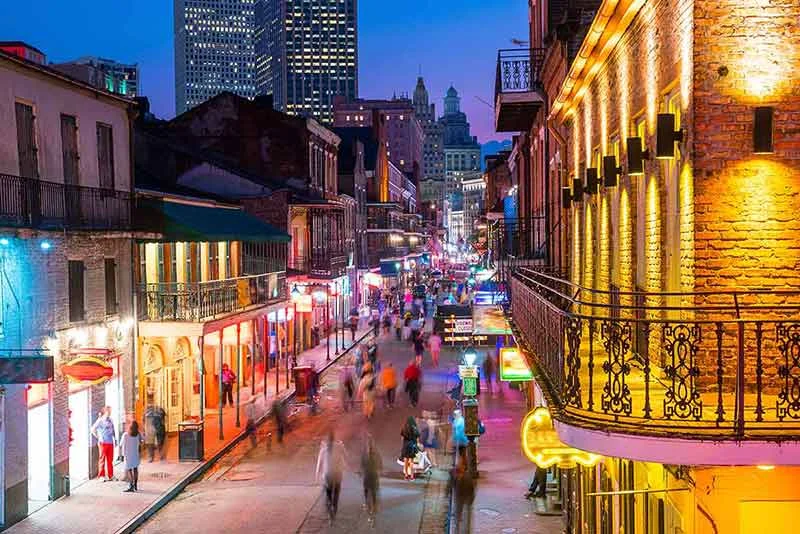
Navigating the City: Understanding Safety in New Orleans
The question of “How safe is New Orleans?” is complex and multifaceted, much like the city itself. Like many urban centers worldwide, New Orleans faces its share of challenges, including crime rates that can be higher in certain areas and at specific times. However, it’s crucial to differentiate between the overall safety of the city and the experiences of tourists in popular areas. Millions of visitors flock to New Orleans every year without incident, enjoying its world-class attractions and unique ambiance. Understanding where to go, when to go, and how to exercise common sense precautions can significantly enhance your safety and enjoyment.
Crime Trends and Tourist Areas
When discussing safety, crime statistics are often cited. It’s true that New Orleans has historically grappled with higher crime rates compared to national averages, particularly in certain neighborhoods. These statistics, however, can be misleading when applied directly to the typical tourist experience. The vast majority of visitors spend their time in well-trafficked and policed areas, such as the French Quarter, the Central Business District, the Warehouse District, and along the Riverfront. These areas are generally considered safe for tourists, especially during daylight hours.
However, it is important to be aware of your surroundings at all times. Petty crimes like pickpocketing and bag snatching can occur, particularly in crowded tourist spots. It’s advisable to keep valuables secure and out of sight, and to be wary of your immediate environment. After dark, it’s generally recommended that tourists stick to well-lit and populated streets. Exploring less populated or unfamiliar neighborhoods, especially late at night, is not advised without local knowledge or a trusted guide.
Personal Safety Tips for Travelers
To ensure a safe and enjoyable trip to New Orleans, adopting a proactive approach to personal safety is key. Here are some essential tips:
- Situational Awareness: Always be aware of your surroundings. Avoid becoming overly engrossed in your phone or distracted by your surroundings, especially in busy areas.
- Valuables: Do not flash expensive jewelry, electronics, or large amounts of cash. Keep your wallet in a secure front pocket and consider using a money belt for added security.
- Nighttime Navigation: Stick to well-lit and populated streets after dark. If you need transportation, use reputable taxi services or ride-sharing apps. Avoid walking alone late at night in deserted areas.
- Be Cautious of Strangers: While New Orleans is known for its friendly locals, be cautious of overly friendly strangers who seem too eager to assist you or invite you to unfamiliar places.
- Secure Your Accommodation: Ensure your hotel room or rental property is securely locked. Do not leave valuables unattended in your room.
- Trust Your Instincts: If a situation feels uncomfortable or unsafe, remove yourself from it. Your intuition is a powerful tool for self-preservation.
- Alcohol Consumption: Enjoy New Orleans‘ famous nightlife responsibly. Excessive alcohol consumption can impair judgment and make you a more vulnerable target.
Exploring New Orleans’ Landmarks and Attractions Safely
New Orleans boasts an incredible array of landmarks and attractions, each offering a unique glimpse into the city’s rich history and vibrant culture. From the iconic Jackson Square to the historic St. Louis Cathedral and the charming streets of the Garden District, these popular spots are generally safe for exploration, but general precautions still apply.
Iconic Landmarks and Tourist Hotspots
Jackson Square is the heart of the French Quarter and a hub of activity. Street performers, artists, and musicians create a lively atmosphere. While generally safe, it can get very crowded, making it essential to be mindful of your belongings. The nearby St. Louis Cathedral is a breathtaking architectural marvel and a peaceful sanctuary. When visiting, respect the religious nature of the site.
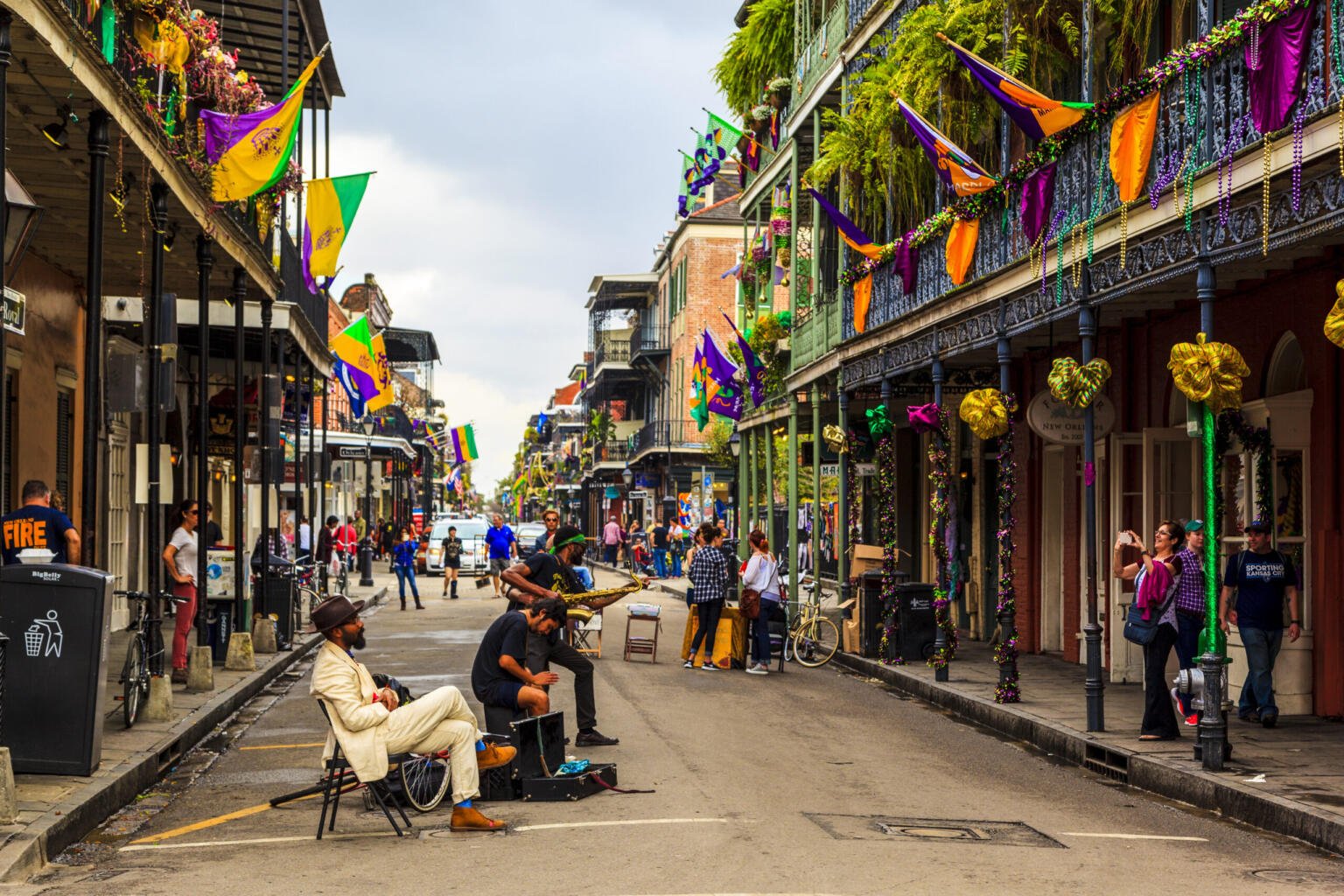
The French Quarter itself, with its distinctive architecture and bustling streets like Bourbon Street and Royal Street, is a major draw. During the day, it’s a safe and exciting place to wander, browse shops, and soak in the atmosphere. Bourbon Street transforms at night into a lively entertainment district, which can attract large crowds and sometimes rowdier behavior. While many enjoy the energy, maintaining awareness is crucial. Royal Street is known for its antique shops and art galleries and is generally a more relaxed experience.
Beyond the French Quarter, the Garden District offers a glimpse into antebellum New Orleans with its magnificent mansions and lush gardens. Guided walking tours are a popular and safe way to explore this picturesque neighborhood. The Audubon Aquarium of the Americas and the Audubon Butterfly Garden and Insectarium on the Riverfront are excellent family-friendly attractions that are well-maintained and secure.
Embracing the Local Culture and Activities
New Orleans offers a plethora of cultural experiences, from live music clubs in the Frenchmen Street area to swamp tours and plantation visits. Frenchmen Street is renowned for its authentic jazz scene and is generally a safe and vibrant place to enjoy live music, especially on weekend nights.
When considering activities like swamp tours or visiting plantations outside the city, it’s advisable to book with reputable tour operators. These companies are experienced in navigating the local environment and prioritize the safety of their guests. For instance, a swamp tour in the Atchafalaya Basin or a visit to a historic plantation like Oak Alley Plantation can be incredibly enriching and safe when organized through established providers.
Accommodation and Lifestyle: Ensuring a Secure Stay
Choosing the right accommodation and adopting a mindful lifestyle can significantly contribute to your safety in New Orleans. The city offers a wide range of options, from luxurious resorts to charming boutique hotels and private rentals.
Selecting Safe and Reliable Accommodation
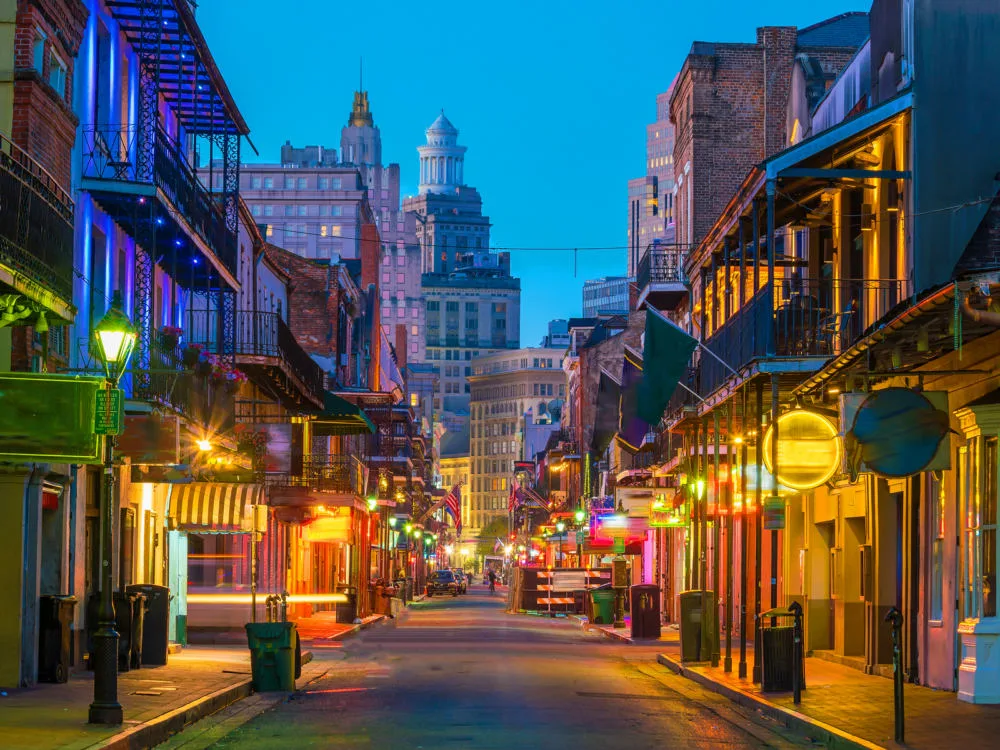
When booking your stay, consider the location of your accommodation carefully. Staying in well-regarded neighborhoods with good lighting and consistent foot traffic can enhance your sense of security. Popular areas for hotels include the French Quarter, the Central Business District, the Warehouse District, and along the Riverfront. Many upscale hotels, such as The Roosevelt New Orleans, A Waldorf Astoria Hotel or the Windsor Court Hotel, offer excellent amenities and robust security measures.
For those seeking more independent living, vacation rentals or apartments can be a great option. When booking through platforms like Airbnb or VRBO, carefully read reviews, check the host’s ratings, and pay attention to comments about safety and the neighborhood. If you’re considering a long-term stay, researching the specific neighborhood’s crime statistics and local community feel is advisable.
Lifestyle Choices for a Safer Visit
New Orleans caters to various travel styles, from budget-conscious backpackers to those seeking luxury experiences. Regardless of your budget, prioritizing safety remains paramount.
- Budget Travel: If you’re traveling on a budget, consider well-rated hostels or guesthouses in safe areas. Public transportation, including the historic St. Charles Streetcar line, is an affordable and scenic way to get around. However, be aware of your surroundings on public transport, especially during off-peak hours.
- Luxury Travel: For those seeking a more luxurious experience, consider high-end resorts and hotels. These often provide enhanced security services and are located in prime, safe areas. Private car services and guided tours can also add an extra layer of convenience and security.
- Family Trips: New Orleans is a family-friendly destination with attractions like the Audubon Nature Institute parks and the New Orleans Museum of Art. When traveling with children, keep them close, especially in crowded areas, and establish a meeting point in case of separation.
Ultimately, New Orleans is a city that rewards preparedness and awareness. By understanding the local landscape, taking sensible precautions, and engaging with the city respectfully, visitors can have an unforgettable and safe experience in this truly unique American treasure. The spirit of New Orleans is one of resilience, joy, and unparalleled hospitality, and with a little foresight, you can fully immerse yourself in its magic without worry.
LifeOutOfTheBox is a participant in the Amazon Services LLC Associates Program, an affiliate advertising program designed to provide a means for sites to earn advertising fees by advertising and linking to Amazon.com. Amazon, the Amazon logo, AmazonSupply, and the AmazonSupply logo are trademarks of Amazon.com, Inc. or its affiliates. As an Amazon Associate we earn affiliate commissions from qualifying purchases.