
When planning a trip to the vibrant and culturally rich city of New Orleans, a primary concern for many travelers is safety. Often referred to as the “Big Easy,” this iconic American destination, nestled along the Mississippi River in Louisiana, is celebrated for its unique blend of French, African, and American influences, its legendary music scene, and its world-renowned cuisine. However, like any major urban center, New Orleans has its share of safety considerations. This article aims to provide a comprehensive overview of safety in New Orleans, drawing on insights relevant to travel, tourism, accommodation, and lifestyle to help you plan a secure and enjoyable visit.
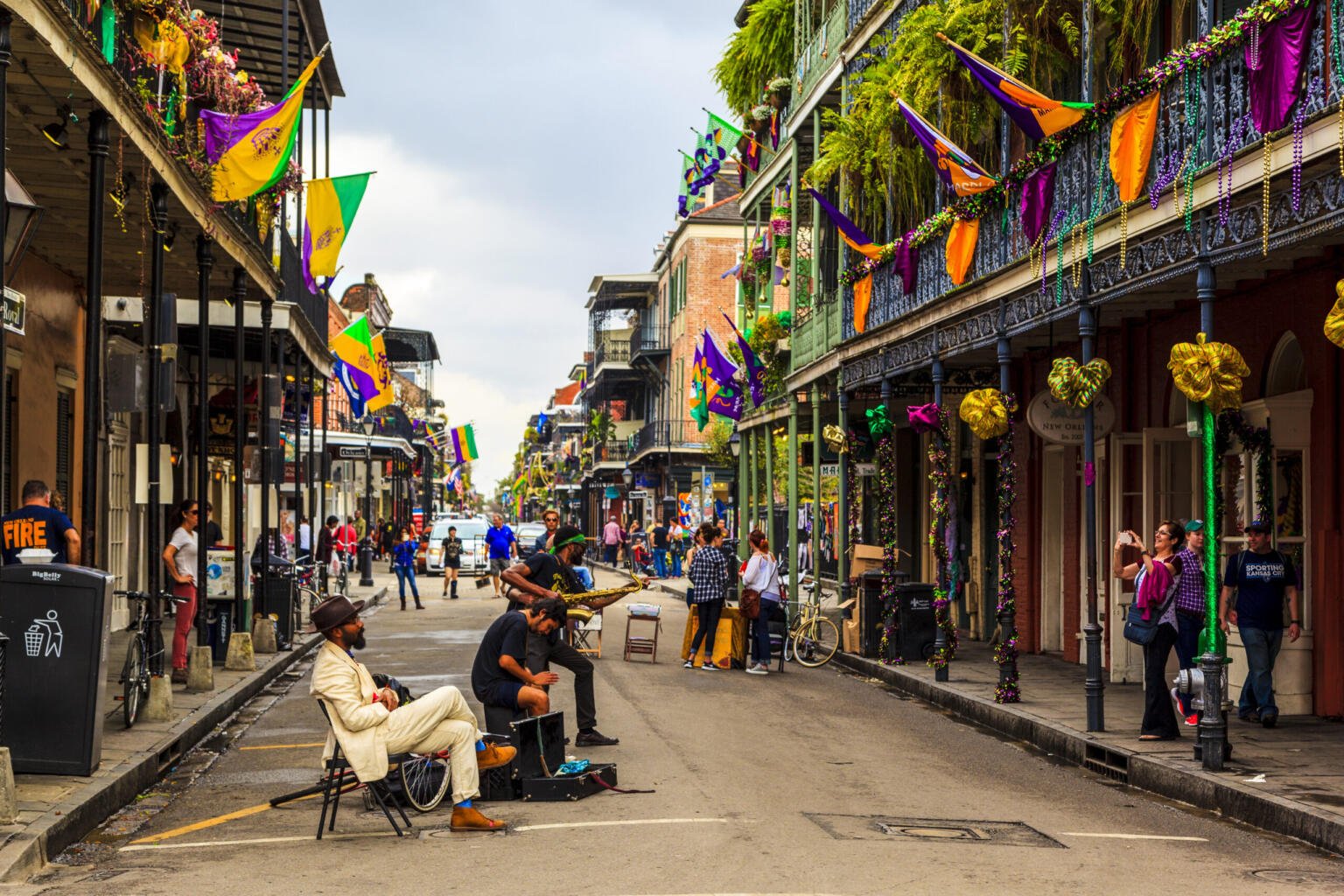
New Orleans offers an unparalleled travel experience, drawing millions of visitors each year to its historic streets and lively districts. From the charming architecture of the French Quarter to the vibrant music clubs of Frenchmen Street, the city pulsates with an energy that is both exhilarating and deeply captivating. Attractions range from the historic St. Louis Cathedral to the immersive exhibits at the World War II Museum. For those interested in delving deeper into local culture, exploring the Garden District with its stunning mansions or taking a steamboat cruise on the Mississippi River are essential experiences. The city’s tourism landscape is incredibly diverse, offering something for every type of traveler, whether you’re seeking luxury accommodations or budget-friendly options.
Understanding Safety in New Orleans
It’s crucial to approach the question of safety in New Orleans with nuance. Crime statistics can be a useful indicator, but they don’t always paint the full picture of a visitor’s experience. Many tourists visit New Orleans without incident, enjoying its many offerings safely. The key to a secure trip lies in being informed, taking sensible precautions, and understanding the specific areas of the city you plan to visit.
Crime Trends and Tourist Areas
New Orleans, like many large cities in the United States, experiences crime. However, the vast majority of tourist-centric areas are actively monitored and generally safe for visitors who exercise common sense. The most popular tourist districts, including the French Quarter, the Central Business District, and the areas surrounding the Convention Center, are patrolled by police, and local businesses often implement their own security measures.
Violent crime and petty theft can occur, and it’s important to be aware of your surroundings. Pickpocketing can be an issue in crowded areas, particularly during festivals like Mardi Gras or Jazz Fest. Visitors are advised to keep valuables secure, avoid displaying expensive jewelry or large amounts of cash, and be mindful of their belongings in busy locations.
When it comes to navigating the city, it’s generally recommended that visitors stick to well-lit and populated areas, especially at night. While venturing off the beaten path can lead to unique discoveries, it’s wise to do so during daylight hours or with a local guide. Neighborhoods that are popular with tourists, such as the French Quarter, Garden District, and parts of the Uptown area, are usually safe. However, like any city, some areas experience higher crime rates, and it’s prudent to research specific neighborhoods if you plan to explore beyond the main tourist hubs.
Personal Safety Tips for Visitors
Applying general travel safety principles is highly effective in New Orleans. Here are some practical tips to ensure a safe and enjoyable experience:
- Be Aware of Your Surroundings: This is paramount in any urban environment. Pay attention to who is around you, especially in crowded places or when walking alone.
- Walk in Well-Lit and Populated Areas: During the day, explore freely. At night, stick to streets with good lighting and other pedestrians. Avoid walking alone in deserted areas.
- Secure Your Valuables: Keep your wallet, phone, and other valuables in front pockets or secure bags. Consider using a money belt or a cross-body bag that is difficult to snatch.
- Limit Alcohol Consumption: While enjoying the lively nightlife is part of the New Orleans experience, excessive alcohol consumption can impair your judgment and make you more vulnerable. Drink responsibly.
- Use Reputable Transportation: Opt for licensed taxis, rideshare services like Uber or Lyft, or the city’s public transportation system. Avoid accepting rides from unsolicited drivers.
- Research Your Route: Before heading out, familiarize yourself with your destination and the safest routes to get there.
- Trust Your Instincts: If a situation feels unsafe, remove yourself from it. Don’t hesitate to seek help from law enforcement or hotel staff if you feel threatened.
- Stay Connected: Let someone know your itinerary and check in regularly. Keep your phone charged.
- Be Cautious with Strangers: While most locals are friendly and helpful, be wary of overly pushy individuals offering unsolicited advice or services.
Accommodation and Neighborhood Safety
Choosing where to stay can significantly impact your sense of safety. New Orleans offers a wide array of accommodation options, from luxury resorts and boutique hotels to budget-friendly apartments and vacation rentals. The safety of your accommodation and the surrounding neighborhood is a key consideration.
Selecting Safe Lodging
The majority of hotels in New Orleans, particularly those in the popular tourist areas, maintain high safety standards. Hotels in the French Quarter, the Central Business District, and the Warehouse District are generally well-regarded for their security. Look for hotels with good reviews, 24-hour front desk service, and in-room safes.
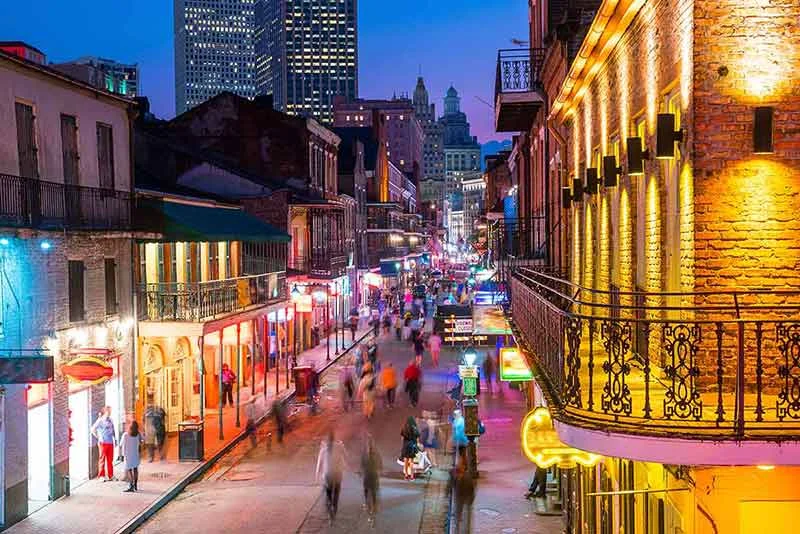
When booking accommodation, consider the neighborhood it is located in. Areas like the French Quarter, Garden District, and parts of Uptown are often considered safe and convenient for tourists. However, some areas on the outskirts of the city, or those experiencing urban revitalization, may require more caution. Websites that offer accommodation comparison and reviews, such as Booking.com or Expedia, often provide valuable insights into the safety and atmosphere of specific neighborhoods.
Vacation rentals and apartments can offer a more local experience, but it’s essential to vet them thoroughly. Read reviews carefully, check the location on a map, and ensure the property has good security features. If you’re considering a long-term stay, familiarizing yourself with the local community and its safety dynamics is even more important.
Exploring Beyond the Tourist Core
New Orleans has many distinct neighborhoods, each with its own character and atmosphere. While the French Quarter and its immediate surroundings are the most visited, areas like the Garden District, with its stunning antebellum mansions, and Uptown, known for its eclectic shops and restaurants, are also popular and generally safe for daytime exploration.
For those interested in experiencing more of the city’s authentic culture, venturing into neighborhoods like the Bywater or parts of the Marigny can be rewarding. These areas are known for their vibrant arts scenes, unique architecture, and local eateries. However, it’s advisable to research these areas beforehand and to exercise caution, particularly after dark, as they may not have the same level of tourist infrastructure or police presence as the core tourist zones. Always prioritize well-lit streets and consider using ride-sharing services when traveling between neighborhoods at night.
Enjoying New Orleans’ Culture and Activities Safely
New Orleans offers a wealth of cultural experiences, from its legendary music and cuisine to its unique festivals and historical landmarks. These attractions are generally safe to enjoy with proper precautions.
Immersing in Local Culture and Cuisine
The culinary scene in New Orleans is a major draw. From iconic dishes like gumbo and jambalaya to beignets from Café Du Monde, exploring the food is a highlight. Restaurants across the city, from fine dining establishments in the French Quarter to casual eateries in Uptown, are generally safe environments.
Similarly, the music scene, particularly on Frenchmen Street and in the French Quarter, is a vibrant part of the New Orleans experience. Live music venues are typically safe, but as with any bar or club, it’s wise to keep an eye on your belongings and drink responsibly.
Activities like guided tours, museum visits, and exploring historical sites such as Jackson Square or the historic streetcar lines are very safe. For nature enthusiasts, a swamp tour or a visit to the Audubon Aquarium of the Americas are also popular and safe options.
Navigating Festivals and Events
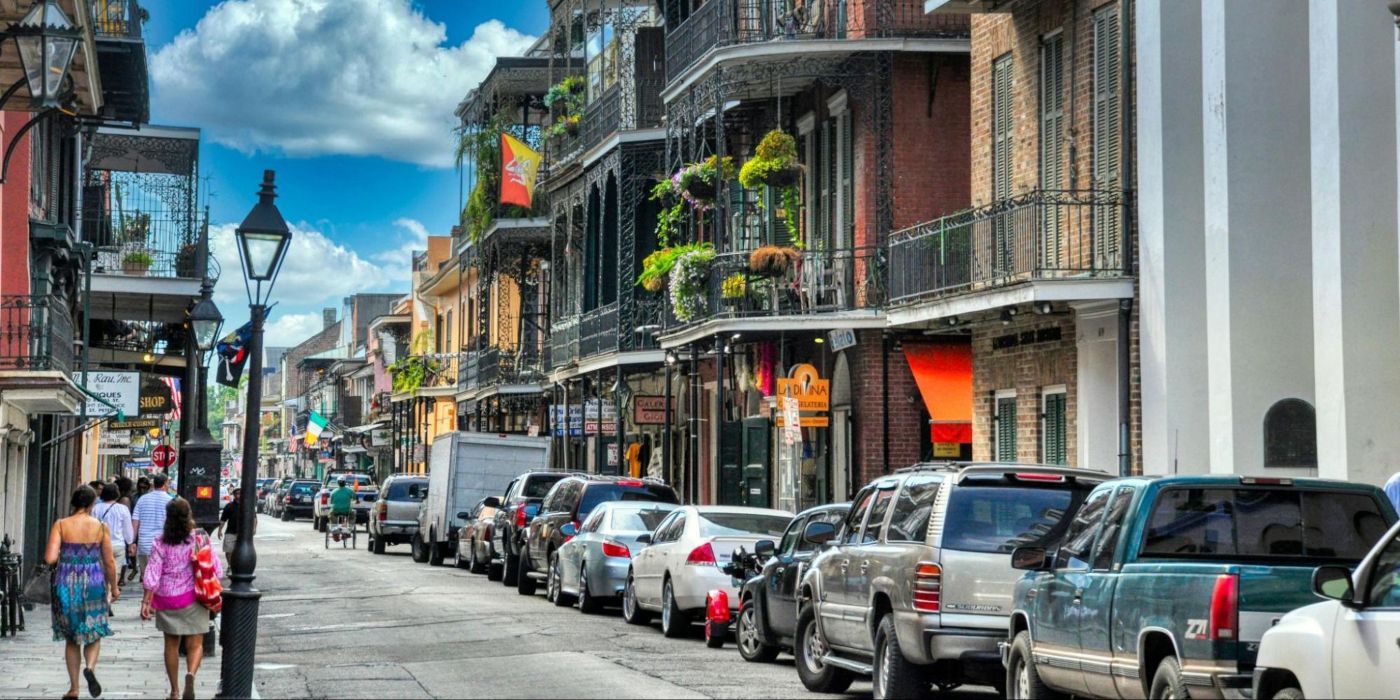
New Orleans is famous for its lively festivals and events throughout the year, including Mardi Gras, Jazz Fest, and various neighborhood celebrations. These events can be incredibly exciting, but they also attract large crowds, which can increase the risk of petty crime and make navigation more challenging.
During festivals, it is especially important to:
- Stay with your group.
- Be aware of your surroundings and avoid crowded areas if possible.
- Keep valuables secured and out of sight.
- Be mindful of your alcohol consumption.
- Use designated transportation options.
- Familiarize yourself with emergency exits and police presence.
Despite these considerations, millions of people attend New Orleans festivals annually without issues. The key is to be prepared, stay alert, and enjoy the unique celebratory spirit of the city.
In conclusion, New Orleans is a city that offers a profound cultural immersion and unforgettable experiences. While safety is a valid concern for any traveler, by being informed, taking sensible precautions, and understanding the local context, visitors can confidently explore its charms. The city’s rich history, diverse attractions, and welcoming atmosphere make it a destination well worth visiting. A well-planned trip, prioritizing awareness and common sense, will undoubtedly lead to a safe and memorable adventure in the Big Easy.
LifeOutOfTheBox is a participant in the Amazon Services LLC Associates Program, an affiliate advertising program designed to provide a means for sites to earn advertising fees by advertising and linking to Amazon.com. Amazon, the Amazon logo, AmazonSupply, and the AmazonSupply logo are trademarks of Amazon.com, Inc. or its affiliates. As an Amazon Associate we earn affiliate commissions from qualifying purchases.