
New Orleans, a city where the air hums with jazz and the scent of Creole cuisine, is as renowned for its vibrant culture as it is for its distinctive weather. This enigmatic Southern metropolis, nestled along the Mississippi River, experiences a climate that is a defining characteristic of its charm and its daily rhythm. Understanding the weather patterns of New Orleans is crucial for any traveler planning a visit, a local preparing for the day, or someone simply curious about this unique corner of the United States. From the sweltering, humid summers to the mild, often balmy winters, the weather in New Orleans plays an instrumental role in shaping everything from the city’s famous festivals to the architecture of its historic neighborhoods.
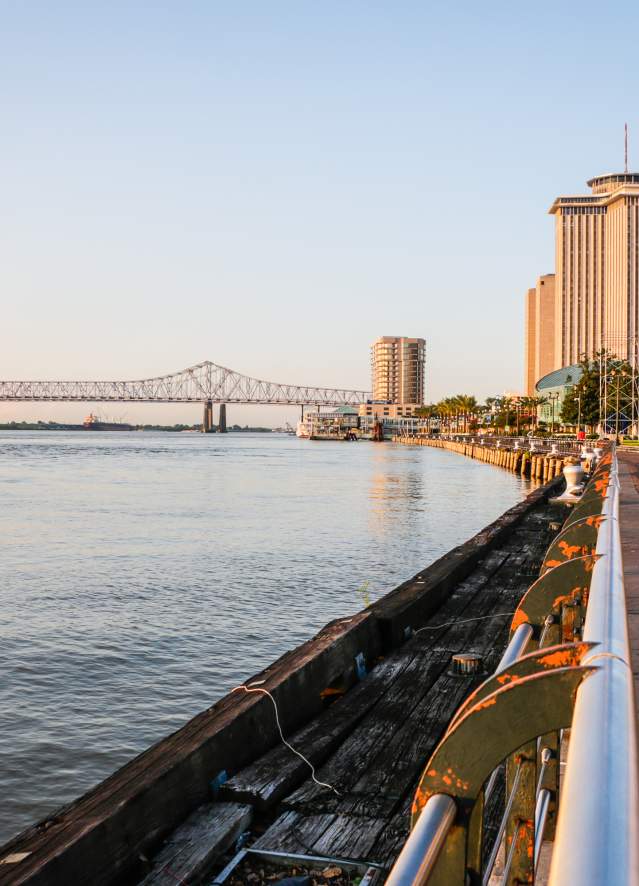
The city’s geographical location, a low-lying area in Louisiana near the Gulf of Mexico, directly influences its subtropical climate. This means long, hot, and wet summers, followed by short, mild winters, with transitional spring and fall seasons that are generally pleasant but can be unpredictable. High humidity is a constant companion, particularly during the warmer months, contributing to the feeling of warmth and impacting outdoor activities. Rainfall is abundant throughout the year, often manifesting as intense, but usually brief, thunderstorms, especially in the afternoon during summer.
The Symphony of Seasons: New Orleans’ Annual Climate Cycle
The distinct seasons in New Orleans each bring their own character and set of weather considerations. Each period offers a unique experience for visitors and residents alike, influencing everything from what to pack to the types of activities that are most enjoyable.
Summer: The Embrace of the Heat and Humidity
From June through August, New Orleans endures its summer season, characterized by intense heat and pervasive humidity. Average daily temperatures frequently soar into the high 80s and low 90s Fahrenheit (around 30-34°C), with the humidity often making the “feels like” temperature feel significantly higher. The air is thick and heavy, a palpable presence that encourages seeking out air-conditioned spaces or enjoying the shade of the city’s many historic oak trees.
Rainfall is a common occurrence during the summer, often arriving in the form of spectacular, albeit sometimes intense, thunderstorms. These downpours are typically short-lived, providing a temporary respite from the heat before the sun breaks through again. While the heat and humidity can be challenging, this is also a time when the city buzzes with energy. Many of the most anticipated events, like the Essence Festival, take place during this period, drawing large crowds eager to experience the unique culture of New Orleans.
For travelers, summer in New Orleans necessitates lightweight, breathable clothing, plenty of sunscreen, and a hat. Staying hydrated is paramount, and embracing the indoor attractions like museums, the historic French Quarter, and world-class restaurants becomes a key strategy for enjoying the city without succumbing to the heat. Accommodations, particularly those with well-functioning air conditioning, are highly sought after. Many hotels, from boutique inns in the French Quarter to larger resorts, offer amenities like swimming pools, which become a welcome oasis during these warmer months.
Fall: A Gentle Transition to Comfort
September marks the beginning of a noticeable shift as the oppressive heat of summer begins to wane. While still warm, September and October offer a welcome relief, with average temperatures gradually descending into the 70s and low 80s Fahrenheit (around 21-28°C). The humidity also starts to decrease, making outdoor exploration significantly more comfortable.
This period is often considered one of the most pleasant times to visit New Orleans. The air is crisp, the skies are often clear, and the city’s vibrant street life becomes even more inviting. The fall season is rich with cultural events and festivals, building towards the iconic Halloween celebrations that transform neighborhoods like the French Quarter into a spooky spectacle.
The transition into November brings cooler temperatures, with daytime highs often in the 60s Fahrenheit (around 15-20°C). This is an ideal time for walking tours, exploring historic cemeteries like St. Louis Cemetery No. 1, and enjoying the outdoor markets. Packing for fall in New Orleans involves layers, with light jackets or sweaters being essential for cooler evenings.
Winter: Mildness and Occasional Chills
Winter in New Orleans is a far cry from the harsh winters experienced in many other parts of the country. From December through February, the city enjoys mild temperatures, with average daytime highs typically in the 60s Fahrenheit (around 15-20°C). It is not uncommon for days to feel more like spring, with sunshine and comfortable warmth.
However, New Orleans can experience occasional cold snaps, especially in January. These periods can bring temperatures into the 40s and even 30s Fahrenheit (around 4-9°C), accompanied by a biting wind that can feel colder due to the humidity. Frost is rare but not unheard of.
Despite the occasional chill, winter is a magical time in New Orleans. The city is beautifully decorated for the holiday season, and the cooler weather is perfect for exploring the historic architecture of the Garden District or enjoying a steamboat ride on the Mississippi River. The lead-up to Mardi Gras, which often falls in late winter or early spring, begins in earnest, with parades and festivities starting in January. Visitors during this time should pack a mix of lighter clothing and a warm coat or jacket.
Spring: A Flourishing of Life and Festivities
Spring, from March through May, is arguably the most picturesque season in New Orleans. The weather is generally delightful, with average temperatures ranging from the 60s to the 80s Fahrenheit (around 15-28°C). The humidity begins to rise again as the season progresses, but it is usually more bearable than in the summer.

This is a time of vibrant blooms, with the city’s many gardens and parks coming alive in a riot of color. The spring season is packed with iconic events, most notably the world-famous Mardi Gras celebrations, which can extend into early March. Following Mardi Gras, other popular festivals like the French Quarter Festival and Jazz Fest draw massive crowds, celebrating the city’s rich musical heritage and culinary delights.
The weather in spring is ideal for experiencing all that New Orleans has to offer, from exploring the unique streetcar system to enjoying outdoor dining on patios in the French Quarter. Packing for spring involves a similar strategy to fall: layers are key. A light jacket or sweater is useful for cooler mornings and evenings, while lighter attire is perfect for warmer afternoons.
Navigating the Nuances: Precipitation and Humidity
Beyond the temperature fluctuations, two other significant elements define New Orleans weather: its substantial rainfall and persistent humidity. These factors are deeply intertwined with the city’s subtropical climate and its proximity to water.
Rainfall Patterns: A Year-Round Phenomenon
New Orleans receives a considerable amount of precipitation throughout the year, with no true dry season. The average annual rainfall is around 60 inches, with the heaviest downpours often occurring during the summer months. As mentioned, summer thunderstorms are a daily possibility, characterized by sudden, intense bursts of rain that can quickly lead to localized flooding in low-lying areas. These storms are often a welcome break from the oppressive heat, offering a refreshing, albeit temporary, reprieve.
The fall and winter months tend to see less intense rainfall, though prolonged periods of drizzle or steady rain are not uncommon. Spring, while generally pleasant, can also experience significant rainfall, contributing to the lush greenery that characterizes the city during this time. The impact of rainfall on travel plans requires a degree of flexibility. It’s wise to have indoor alternatives in mind for outdoor activities, and to always be prepared with an umbrella or rain jacket, regardless of the season.
Humidity’s Influence: The Feeling of the Air
The humidity in New Orleans is a defining characteristic of its climate, particularly during the warmer months. Relative humidity levels frequently hover around 70-80% or even higher during the summer. This high moisture content in the air makes even moderately warm temperatures feel much hotter and can make cooler temperatures feel damp and chilly.
For visitors, understanding and preparing for humidity is key to comfort. Lightweight, moisture-wicking fabrics are advisable for summer clothing. Staying hydrated is essential, as the body loses fluids more rapidly through perspiration, which evaporates slowly in humid conditions. Many of the historic buildings in New Orleans, including hotels and restaurants, feature high ceilings and robust air conditioning systems designed to combat the effects of humidity. The presence of numerous courtyards and balconies, often shaded by lush foliage, also offers opportunities to enjoy the outdoors while mitigating the direct impact of the sun and humidity.
Planning Your Visit: Weather-Wise Travel Tips
To make the most of your journey to the Crescent City, integrating weather considerations into your planning is paramount. Whether you’re booking a stay at a charming boutique hotel like the Hotel Monteleone or a luxurious resort, understanding the local climate will enhance your experience.
Packing for the Climate: Dressing for Comfort and Preparedness
Your wardrobe choices will largely depend on the time of year you plan to visit New Orleans.
- Summer (June-August): Pack lightweight, breathable clothing made from natural fibers like cotton and linen. Think shorts, t-shirts, sundresses, and loose-fitting pants. A wide-brimmed hat and sunglasses are essential. Don’t forget your swimsuit for enjoying hotel pools or day trips to nearby coastal areas. A light rain jacket or poncho is advisable for sudden downpours.
- Fall (September-November): This is a season of transition. Pack layers. Include t-shirts, long-sleeved shirts, a light sweater or fleece, and a medium-weight jacket for cooler evenings. Comfortable walking shoes are a must, as you’ll likely be doing a lot of exploring on foot.
- Winter (December-February): While generally mild, winter can bring cooler days. Pack a warm coat, a scarf, and gloves for potential cold snaps. Lighter layers for warmer days are also necessary. Comfortable walking shoes are still essential.
- Spring (March-May): Similar to fall, spring calls for layering. Pack a mix of short-sleeved tops, long-sleeved shirts, and a light jacket or cardigan. You might experience warm, sunny days and cooler, breezy evenings. Comfortable walking shoes are, as always, a priority.
Embracing the Outdoors: Activities by Season
The weather in New Orleans directly influences the best ways to enjoy its numerous attractions.
- Summer: Focus on early morning or late evening outdoor activities. Consider riverboat cruises on the Mississippi River, exploring air-conditioned museums like The National WWII Museum or the New Orleans Museum of Art, and enjoying indoor dining experiences. Swimming pools at hotels become a focal point for relaxation.
- Fall: This is prime time for outdoor exploration. Walking tours of the French Quarter, the Garden District, and visits to historic cemeteries are highly recommended. Enjoy streetcar rides and outdoor festivals.
- Winter: The milder temperatures are perfect for exploring the city’s historic architecture, visiting landmarks like Jackson Square, and enjoying leisurely strolls through neighborhoods. The festive holiday decorations add to the charm.
- Spring: This season offers ideal conditions for almost all outdoor activities. Enjoy the vibrant street life, attend festivals like Jazz Fest, explore the Audubon Park, and take advantage of the pleasant weather for extensive sightseeing.
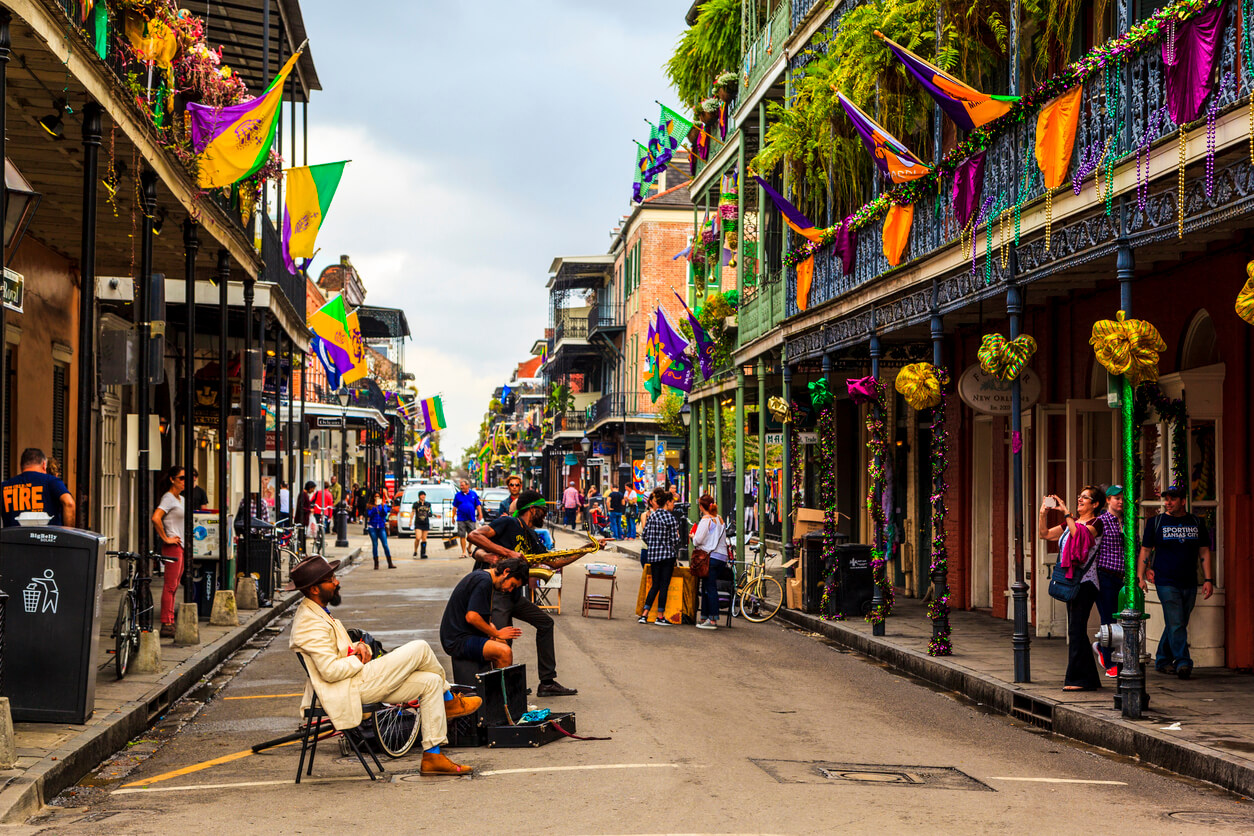
Staying Informed: Resources for Real-Time Weather
For the most up-to-date information, always check a reliable weather forecast for New Orleans before and during your trip. Local news channels, weather apps, and national weather services provide detailed forecasts that can help you adjust your plans accordingly. Being prepared for New Orleans weather means being prepared for its unique blend of heat, humidity, and occasional rain, which are all integral parts of its captivating allure. From the luxurious suites at the Windsor Court Hotel to the budget-friendly apartments, understanding the weather ensures a comfortable and memorable stay in this unforgettable city.
LifeOutOfTheBox is a participant in the Amazon Services LLC Associates Program, an affiliate advertising program designed to provide a means for sites to earn advertising fees by advertising and linking to Amazon.com. Amazon, the Amazon logo, AmazonSupply, and the AmazonSupply logo are trademarks of Amazon.com, Inc. or its affiliates. As an Amazon Associate we earn affiliate commissions from qualifying purchases.