
Navigating the complexities of civic participation after a felony conviction can be a significant hurdle for many individuals, particularly when it comes to fundamental rights like voting. In the United States, the right to vote is a cornerstone of democracy, and understanding the specific regulations in each state is crucial for those seeking to exercise this right. This article delves into the question: “Can Felons Vote In New York State?”. We will explore the nuanced laws and recent changes that impact felony disenfranchisement in the Empire State, offering clarity for residents and those interested in New York‘s political landscape. While our primary focus is on voting rights, understanding these legal frameworks can also provide context for broader discussions about reintegration and civic engagement, themes often explored in lifestyle and travel discussions where returning citizens seek to rebuild their lives and explore new destinations.
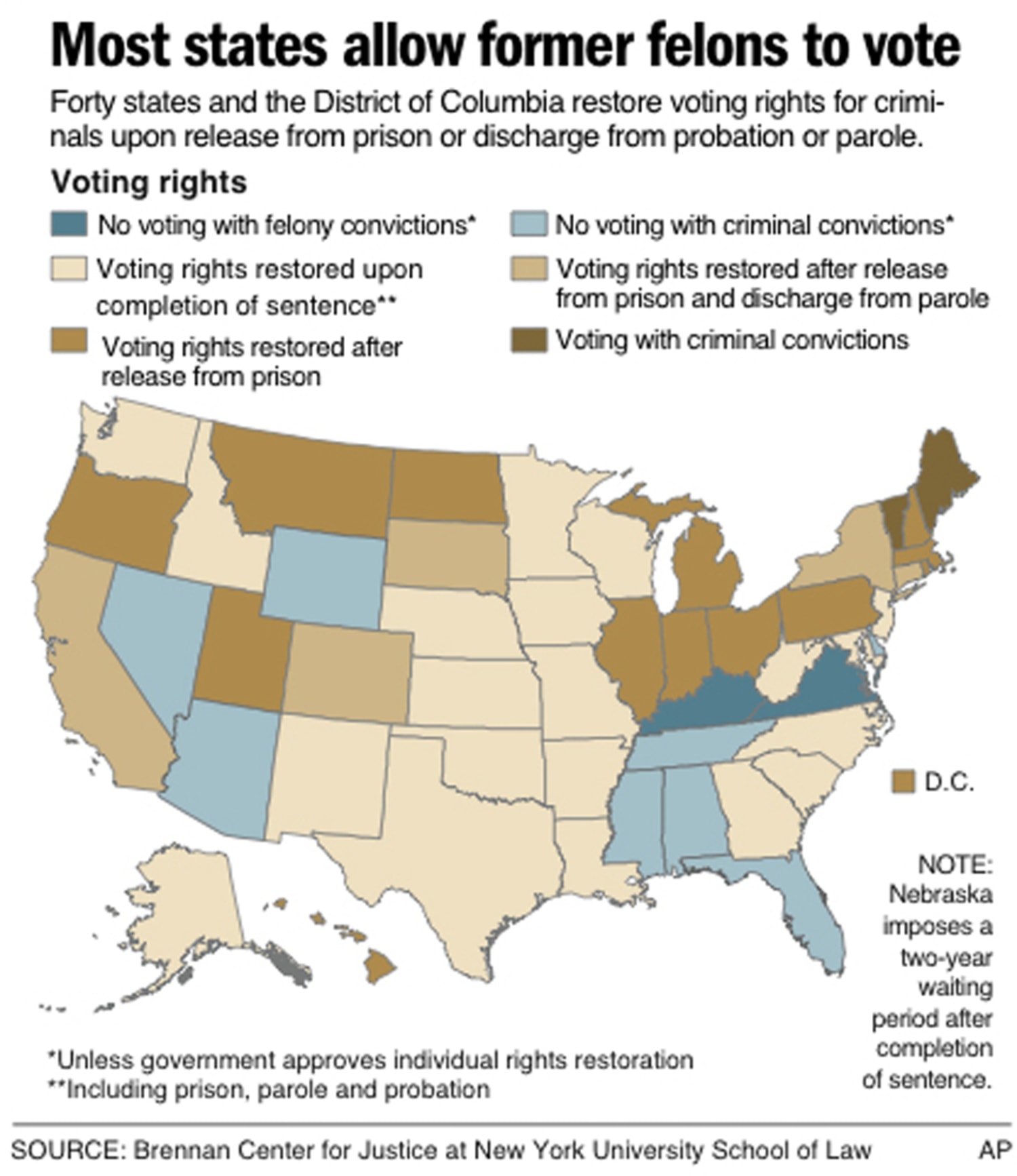
Understanding Felony Disenfranchisement in New York
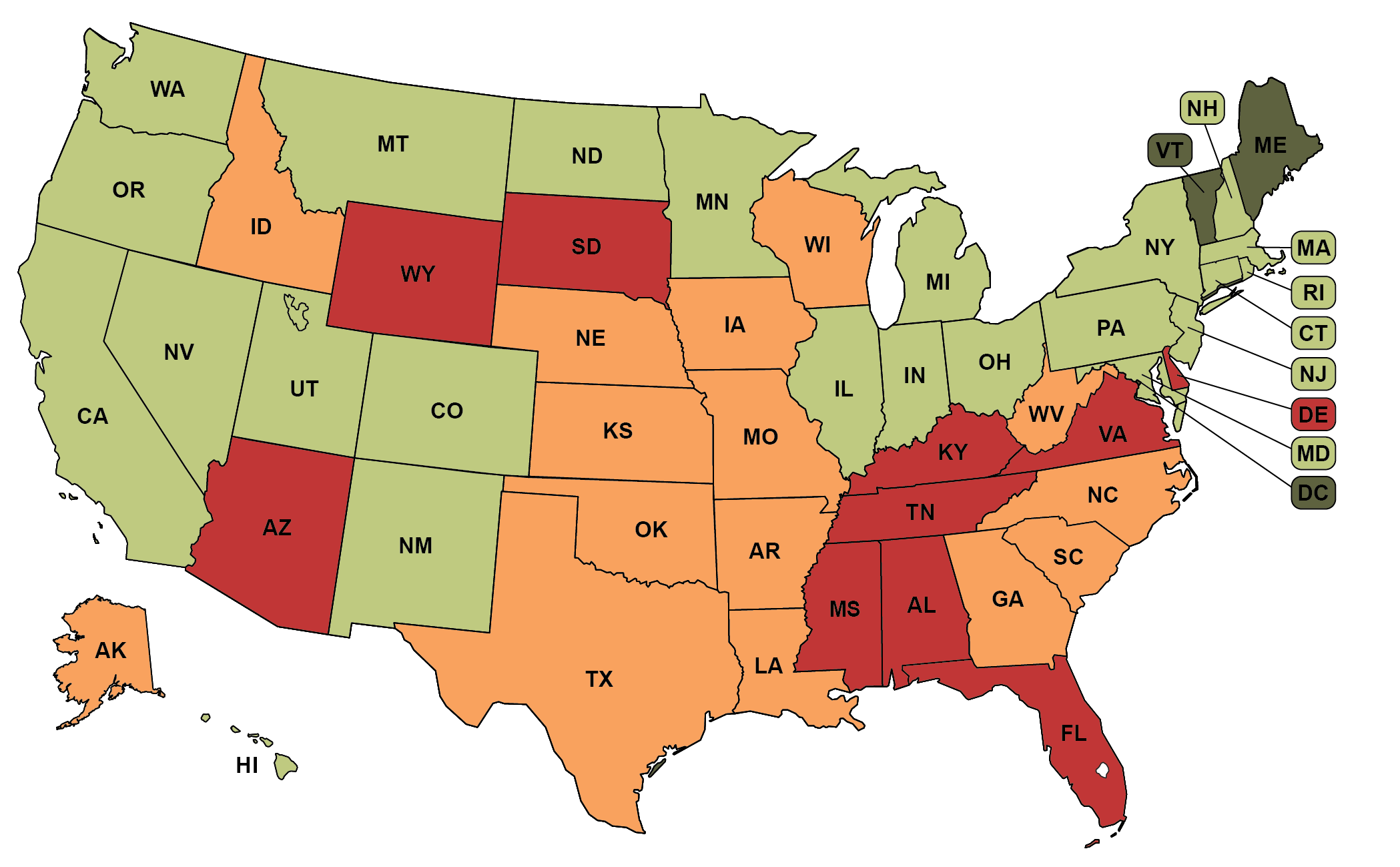
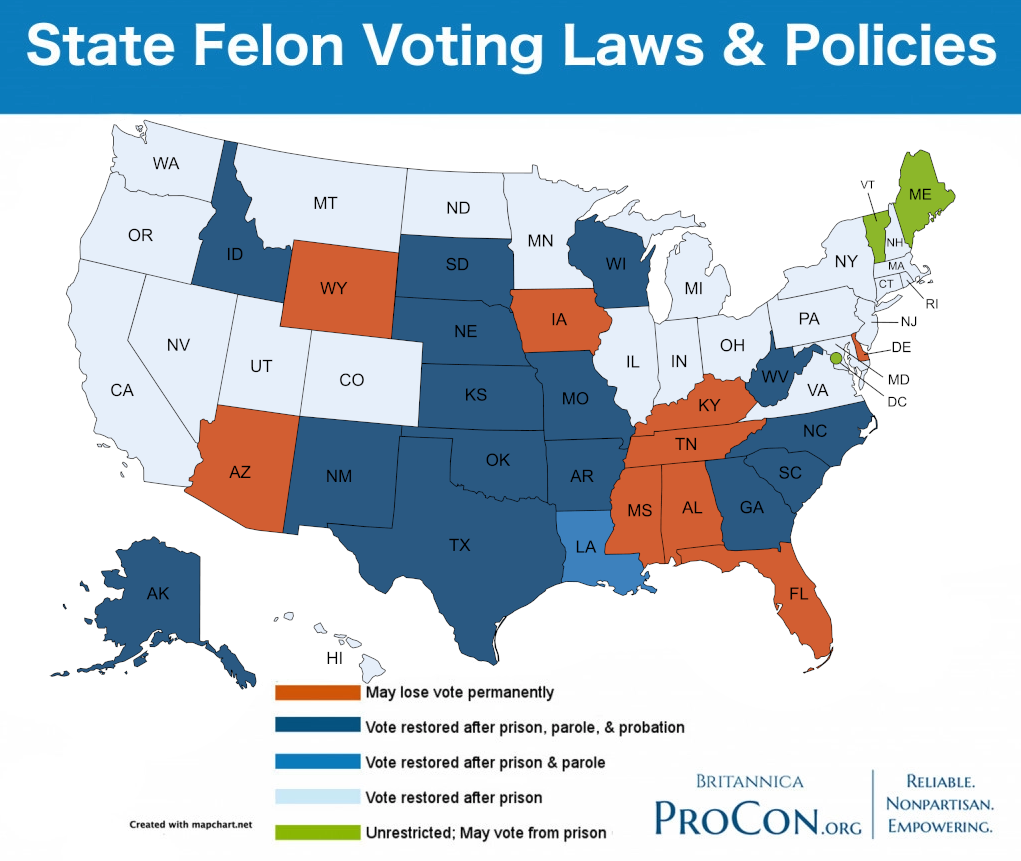
The landscape of felony disenfranchisement in the United States has evolved considerably over time, with states adopting a variety of approaches. Historically, many states have implemented laws that restrict or permanently revoke voting rights for individuals convicted of felonies. However, there has been a growing movement towards restoring these rights, recognizing the importance of enfranchisement for successful reentry into society. New York has been a part of this evolving conversation, and its current laws reflect a significant shift in policy.
Historical Context and the Path to Reform
For many years, New York followed a system where individuals convicted of felonies were disenfranchised while incarcerated. Upon release from prison, their voting rights were automatically restored. This was a relatively straightforward process compared to some other states that required a lengthy waiting period, completion of parole or probation, or even a specific application process. However, even this system presented challenges for individuals re-entering society, as the administrative processes and awareness of their restored rights were not always clear.
The most significant recent development in New York‘s voting laws concerning felons occurred in late 2020. A new law, enacted through legislative action and then clarified through executive action, aimed to further simplify and expand the right to vote for individuals with felony convictions. This change was a culmination of years of advocacy and a growing understanding of how disenfranchisement can hinder community reintegration and create lasting barriers to civic participation. The intent behind these reforms is to ensure that once an individual has served their time and paid their debt to society, they can fully participate in the democratic process, much like they might be encouraged to explore local tourism or engage with the local culture of their communities.
The Current Legal Framework for Voting Rights
As of the latest legal interpretations and implementations in New York, individuals convicted of felonies are generally allowed to vote while on parole and even while incarcerated, as long as they are registered voters. This represents a substantial liberalization of voting rights compared to previous eras and many other states. The key distinction lies in the status of their sentence.
The General Rule: If an individual has been convicted of a felony in New York, they can vote if they are not currently incarcerated for that felony conviction. This means that once a person is released from prison and is serving a sentence of parole or probation, or has completed their sentence entirely, their right to vote is generally restored or never lost in the first place, provided they meet the standard registration requirements.
Important Nuances:
- Incarceration: Individuals currently serving time in prison for a felony conviction are typically not permitted to vote. This is a common restriction across most jurisdictions in the United States.
- Probation and Parole: Crucially, individuals on probation or parole are now permitted to vote in New York. This was a significant change from the past and is a key differentiator in the state’s approach to felony disenfranchisement. The ability to vote while under supervision demonstrates a commitment to reintegration and civic responsibility.
- Felony Convictions Outside of New York: The situation can become more complex for individuals who have felony convictions from other states or from federal courts. New York law generally applies to New York State convictions. However, the interpretation and application of laws regarding out-of-state convictions can vary. It is always advisable for individuals with out-of-state felony convictions to verify their specific voting eligibility with the New York State Board of Elections or a legal expert.
- Registration Requirements: Like all eligible voters, individuals with felony convictions must meet New York‘s general voter registration requirements. This includes being a United States citizen, being a resident of New York State for at least 30 days before an election, and being at least 18 years old on or before Election Day.
The ability to vote while on parole or probation can be particularly empowering for individuals transitioning back into society. It allows them to have a voice in the political decisions that affect their communities, from local accommodation policies to broader lifestyle choices.
How to Register to Vote in New York as a Returning Citizen
For individuals with felony convictions who are now eligible to vote in New York, the process of registering is the same as for any other eligible citizen. Understanding this process is crucial for ensuring that this fundamental right can be exercised.
The Registration Process
New York offers several convenient ways to register to vote:
- Online Voter Registration: The New York State Board of Elections provides an online portal for voter registration. This is often the quickest and most straightforward method.
- By Mail: Voter registration forms can be downloaded from the New York State Board of Elections website, picked up at local election offices, public libraries, or government agencies, and then mailed to the appropriate county board of elections.
- In Person: Registration forms can also be completed and submitted in person at a local county board of elections office or at designated government agencies that offer voter registration services.
Key Deadlines: It is vital to be aware of registration deadlines. For most elections, you must register at least 25 days before the election. Missing this deadline means you will not be able to vote in that particular election, but you can register for future ones.
Ensuring Accuracy: When filling out the registration form, it is essential to provide accurate and complete information. Any discrepancies could lead to issues with your registration. If you have any doubts about your eligibility or the registration process, reaching out to your local county board of elections is highly recommended. They can provide specific guidance and address any unique circumstances.
Resources and Support for Returning Citizens
The journey of reintegration involves many aspects, and accessing accurate information about civic rights is paramount. Several organizations and government agencies in New York are dedicated to assisting returning citizens. These resources can provide information not only on voting rights but also on employment, housing, and other critical areas that contribute to a successful transition.
The New York State Department of Corrections and Community Supervision (DOCCS) often provides resources and information to individuals nearing release or recently released from correctional facilities, which may include guidance on voter registration. Additionally, numerous non-profit organizations across New York State work with returning citizens, offering support services and advocacy. These groups can be invaluable in navigating the complexities of reentry and ensuring that individuals are aware of and can exercise all their rights.
By understanding the current laws and the straightforward registration process, individuals with felony convictions in New York can confidently exercise their right to vote and participate more fully in their communities. This right is as fundamental as exploring the vibrant attractions of New York City or discovering hidden landmarks upstate.
Beyond Voting: Reintegration and Civic Life
The ability to vote is a significant step towards full civic reintegration, but the concept of rebuilding a life after a felony conviction extends far beyond the ballot box. For returning citizens, re-establishing themselves involves finding stable housing, securing meaningful employment, and reconnecting with their communities. These aspects are not dissimilar to the planning and discovery involved in organizing a fulfilling travel experience or finding the perfect accommodation for a long-term stay.
The Impact of Restored Voting Rights
Restoring voting rights allows individuals to have a say in the policies that directly affect their lives. This includes decisions about criminal justice reform, public services, education, and economic development. When returning citizens can participate in elections, they can advocate for policies that support rehabilitation, reduce recidivism, and build stronger, more inclusive communities. This civic engagement can foster a greater sense of belonging and responsibility, encouraging individuals to invest in their local areas. Imagine the satisfaction of choosing representatives who understand the needs of their constituents, much like choosing a guided tour that aligns with your interests.
Community Rebuilding and Lifestyle Choices
The process of reintegration is multifaceted. Finding suitable accommodation, whether it’s a short-term apartment rental or a long-term housing solution, is a critical need. Similarly, securing employment is often a primary focus, and access to job training and fair hiring practices can significantly impact an individual’s ability to achieve financial stability. These are areas where lifestyle choices are directly influenced by societal support and legal frameworks.
For those who have paid their debt to society, the opportunity to participate in tourism and explore new experiences can be a vital part of healing and personal growth. Whether it’s visiting historical landmarks, experiencing local culture, or enjoying the diverse food scene, these activities contribute to a sense of normalcy and belonging. New York State, with its rich history and diverse offerings, provides ample opportunities for exploration and rediscovery. From the bustling streets of New York City to the serene beauty of the Adirondack Mountains, there are countless experiences waiting to be discovered.
The reforms in New York regarding felony disenfranchisement reflect a broader societal understanding that reintegration is not just about individual rehabilitation but also about strengthening the fabric of communities. By allowing more citizens to participate in the democratic process, New York is taking steps to ensure that its governance is more representative and that all residents have the opportunity to contribute to its future. This progressive approach to voting rights, coupled with support for community reintegration, paints a hopeful picture for returning citizens seeking to rebuild their lives and engage fully in society.
LifeOutOfTheBox is a participant in the Amazon Services LLC Associates Program, an affiliate advertising program designed to provide a means for sites to earn advertising fees by advertising and linking to Amazon.com. Amazon, the Amazon logo, AmazonSupply, and the AmazonSupply logo are trademarks of Amazon.com, Inc. or its affiliates. As an Amazon Associate we earn affiliate commissions from qualifying purchases.