
New York City, a vibrant metropolis teeming with iconic landmarks, world-class dining, and an endless array of experiences, draws millions of visitors each year. As you plan your adventure to the Big Apple, a fundamental question often arises, particularly for the health-conscious traveler: “Can I drink New York tap water?” The answer, unequivocally, is yes. New York City’s tap water is renowned for its exceptional quality and safety, often surpassing that of bottled water in purity and taste. This comprehensive guide will delve into why this is the case, explore the journey of your water from source to tap, and offer practical tips for enjoying this readily available and cost-effective resource during your stay.

The journey of New York City’s tap water is a testament to meticulous planning and a deep commitment to public health. The city sources its water from a vast and protected upstate watershed system, primarily comprising the Catskill Mountains and the Delaware River basins. These upstate regions, located miles away from industrial pollution, are characterized by pristine forests, lakes, and reservoirs that act as natural purifiers. The sheer scale of this watershed – covering over 2,000 square miles – is a critical factor in maintaining water quality. This protected area is crucial for preventing contamination that could compromise the water supply.
The Journey of Pure Water: From Source to Your Faucet
The water that flows from your tap in New York City embarks on an impressive journey, a complex system designed to ensure its pristine quality. Understanding this process not only answers the question of drinkability but also provides a deeper appreciation for the infrastructure that supports this urban giant.
The Watershed: Nature’s First Line of Defense
New York City’s water system relies on an extensive network of reservoirs and aqueducts located in the Catskill Mountains and the Delaware River basins. This vast, protected watershed is a key element in the city’s ability to provide high-quality water without the need for extensive chemical treatment, a distinction that sets it apart from many other major cities globally. The land in these regions is largely undeveloped, with strict regulations in place to prevent pollution from agriculture, industry, and sewage. This natural filtration process, coupled with the sheer volume of water, contributes significantly to its purity.
The system is comprised of three main water supply systems: the Catskill/Delaware system, which provides the majority of the city’s water, and the Croton system. The Catskill/Delaware system, in particular, is known for its high-quality, untreated water. The Croton system, located closer to the city, undergoes more rigorous treatment processes to ensure safety and quality, though its contribution to the overall supply has decreased over time. The city’s commitment to protecting these upstate watersheds is a continuous effort, involving land acquisition, conservation easements, and strict monitoring programs.
From Reservoirs to the City: The Aqueduct Network
Once collected in the upstate reservoirs, the water travels through a remarkable network of aqueducts and tunnels, some dating back over a century. The longest of these is the Delaware Aqueduct, spanning 85 miles, which transports water from the Pepacton, Cannonsville, and Neversink reservoirs. The Catskill Aqueduct, another significant artery, is 92 miles long and carries water from the Esopus Creek and Schoharie Reservoir.
These monumental feats of engineering were built to deliver water by gravity, minimizing the need for pumping and thus preserving energy and reducing operational costs. The aqueducts are designed to be largely underground, protecting the water from surface contamination. Regular inspections and maintenance ensure the integrity of this vast underground system, safeguarding the precious resource as it makes its way towards the millions of residents and visitors of New York City.
Treatment and Distribution: Ensuring Every Drop is Safe
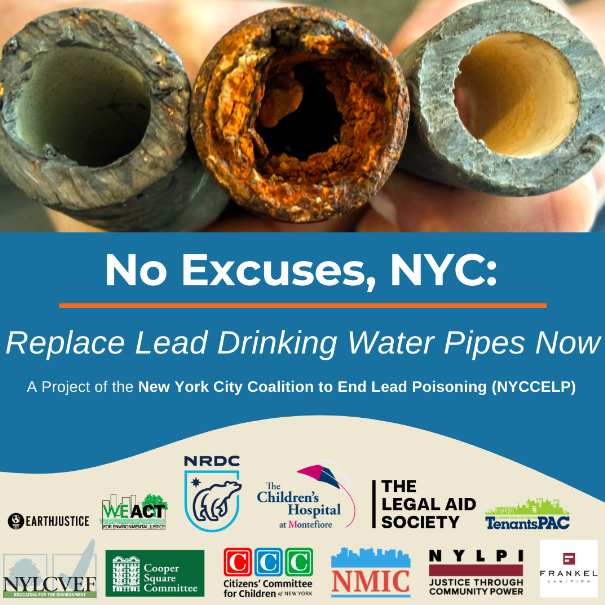
While the natural quality of the upstate water is exceptional, the New York City Department of Environmental Protection (DEP) still implements robust treatment and testing protocols to guarantee its safety and palatability. For water sourced from the Catskill/Delaware system, the primary treatment involves ultraviolet (UV) disinfection. UV light effectively inactivates any harmful microorganisms, such as bacteria and viruses, that may be present. Following UV treatment, a small amount of chlorine is added as a residual disinfectant, ensuring the water remains protected as it travels through the distribution system. Additionally, lime is added to control acidity and prevent corrosion of pipes, and sodium hydroxide can be used to adjust pH.
For water from the Croton watershed, a more traditional multi-barrier approach is employed, including filtration and disinfection. Regardless of the source, the water undergoes rigorous testing at numerous points throughout the distribution system. The DEP conducts thousands of tests annually, analyzing for a wide range of potential contaminants to ensure compliance with stringent federal and state drinking water standards. These testing regimes are comprehensive, covering chemical, physical, and microbiological parameters, giving residents and visitors confidence in the water they consume.
The Taste and Quality: Why New York Tap Water Stands Out
The question of “Can I drink New York tap water?” is often followed by “Does it taste good?” The answer to both is a resounding yes. The natural purity of the upstate watershed contributes to a clean, crisp taste that many find superior to bottled water. Unlike water from regions with higher mineral content or more extensive chemical treatment, New York City’s tap water generally has a neutral pH and a low mineral content, resulting in a refreshing and unadulterated flavor.
A Superior Alternative to Bottled Water
The environmental and economic benefits of drinking tap water are substantial. Opting for tap water significantly reduces plastic waste generated by single-use water bottles, contributing to a more sustainable lifestyle. The cost savings are also considerable; a single bottle of water can cost several dollars, whereas a glass of tap water is essentially free. For travelers staying in hotels, apartments, or even vacation rentals like those found on lifeoutofthebox.com, filling a reusable water bottle from the tap is a smart and eco-friendly choice.
Factors Influencing Taste
While the water quality is consistently high, occasional minor variations in taste can occur, often due to factors such as temperature or the building’s plumbing. For instance, water that has been sitting in pipes for an extended period might pick up a slightly metallic taste. Running the tap for a few seconds before filling a glass or bottle can help refresh the water and remove any lingering tastes. During warmer months, the water temperature might be slightly higher, which some individuals perceive as affecting the taste. However, these are minor and temporary changes, and the fundamental safety and purity of the water remain unchanged. The DEP also monitors for issues like dissolved oxygen levels, which can impact taste, and takes measures to address any anomalies.
Practical Tips for Travelers: Embracing New York’s Tap Water
For travelers visiting New York City, embracing tap water is not only safe but also a practical and economical choice. Whether you’re exploring the bustling streets of Manhattan, visiting iconic landmarks like the Empire State Building or the Statue of Liberty, or enjoying the diverse neighborhoods, staying hydrated with readily available tap water is easy.
Staying Hydrated on the Go
Carrying a reusable water bottle is highly recommended. Many attractions, public spaces, and even some restaurants offer refill stations or are happy to fill your bottle. This not only saves you money on purchasing bottled water but also significantly reduces your environmental footprint. If you’re staying in a hotel, most rooms are equipped with a tap that dispenses safe drinking water. For those concerned about the taste, chilling the water in your hotel room’s refrigerator can enhance its refreshment. Many hotels, from budget-friendly options to luxury establishments like the Plaza Hotel, provide filtered water pitchers or readily accessible filtered water stations for guests.
Public Water Fountains and Refill Stations
New York City has made strides in providing access to drinking water. While traditional public drinking fountains are less common than they once were, many parks and public facilities now feature modern water fountains, often with bottle-filling capabilities. Keep an eye out for these amenities, especially in popular tourist areas like Central Park or near transportation hubs. Some major tourist attractions, such as museums and shopping centers, may also have water fountains or allow you to refill your bottle at their cafes or restaurants.
Understanding Local Regulations and Best Practices
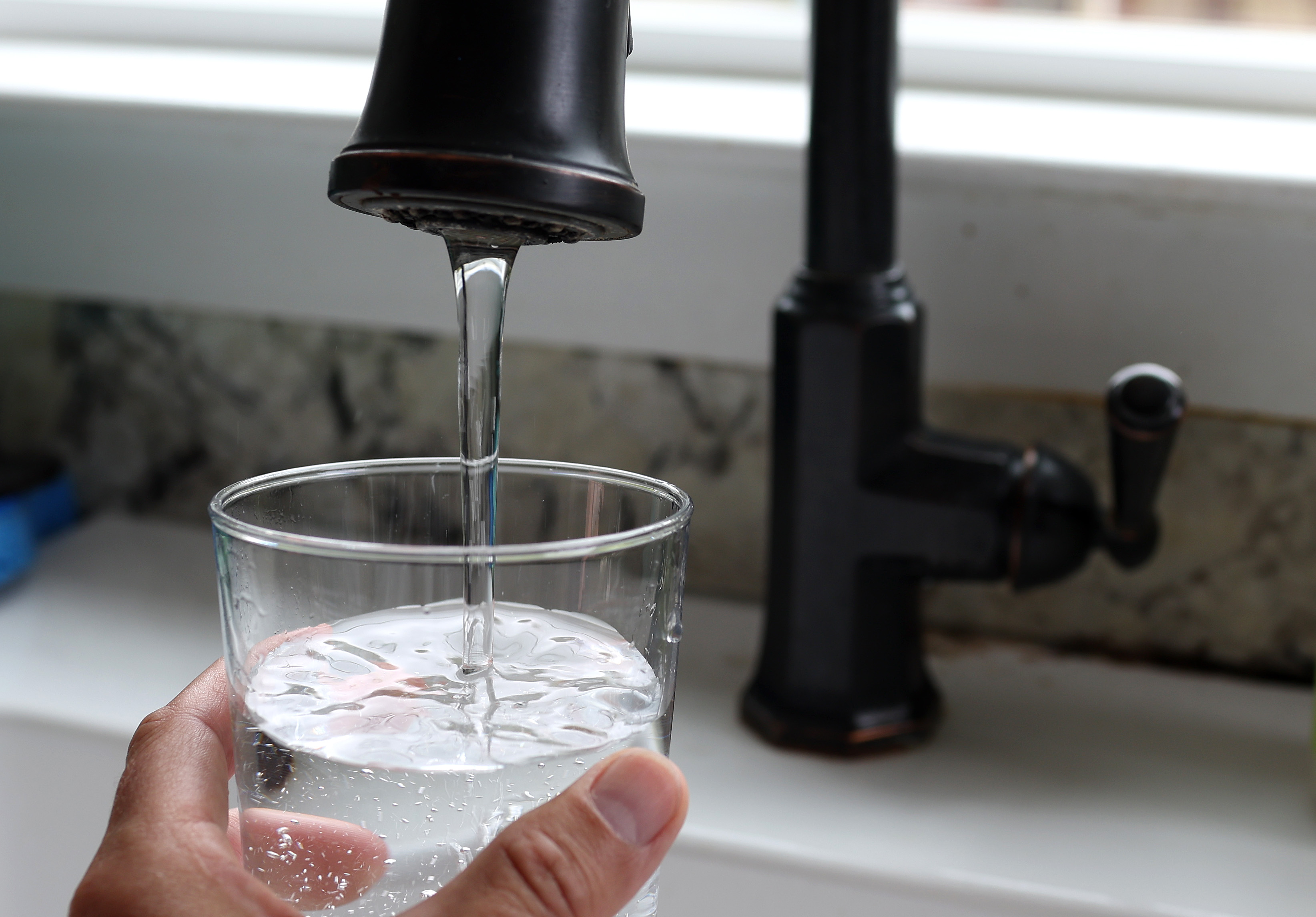
The New York City Department of Health and Mental Hygiene continuously monitors water quality, and the DEP publishes annual water quality reports, which are publicly accessible. These reports detail the comprehensive testing conducted and confirm that the city’s tap water meets or exceeds all federal and state safety standards. For travelers, this means you can confidently drink from the tap throughout New York City. If you have specific health concerns or a particularly sensitive constitution, you can always choose to purchase bottled water, but for the vast majority, the tap water is a perfectly safe and excellent choice. Restaurants in New York City are also legally required to provide free tap water upon request.
In conclusion, the question “Can I drink New York tap water?” should be answered with a confident and enthusiastic “Yes!” The city’s commitment to protecting its watershed, coupled with advanced treatment and rigorous testing, ensures that the water flowing from your faucet is not only safe but also of exceptional quality, offering a refreshing and sustainable way to stay hydrated as you explore all that New York City has to offer.
LifeOutOfTheBox is a participant in the Amazon Services LLC Associates Program, an affiliate advertising program designed to provide a means for sites to earn advertising fees by advertising and linking to Amazon.com. Amazon, the Amazon logo, AmazonSupply, and the AmazonSupply logo are trademarks of Amazon.com, Inc. or its affiliates. As an Amazon Associate we earn affiliate commissions from qualifying purchases.