
Navigating the bustling metropolis of New York can be an exhilarating experience, offering a kaleidoscope of attractions, from iconic landmarks to vibrant local culture. Whether you’re planning a luxury travel adventure, a family trip, or a business stay, understanding how to manage everyday necessities like paying tolls is crucial for a seamless journey. This guide will demystify the process of paying tolls in New York State, ensuring you can focus on enjoying the experiences the Empire State has to offer.
Understanding Toll Collection in New York
New York has an extensive network of toll roads, bridges, and tunnels, primarily managed by the Metropolitan Transportation Authority (MTA) and the New York State Thruway Authority. For decades, toll collection was a manual affair, involving cash payments at toll booths. However, with the advent of modern technology and a push for efficiency, the landscape of toll payment has transformed significantly. The shift towards cashless tolling systems has become the norm across most major arteries, aiming to reduce congestion, improve air quality, and streamline the travel experience for both residents and visitors.
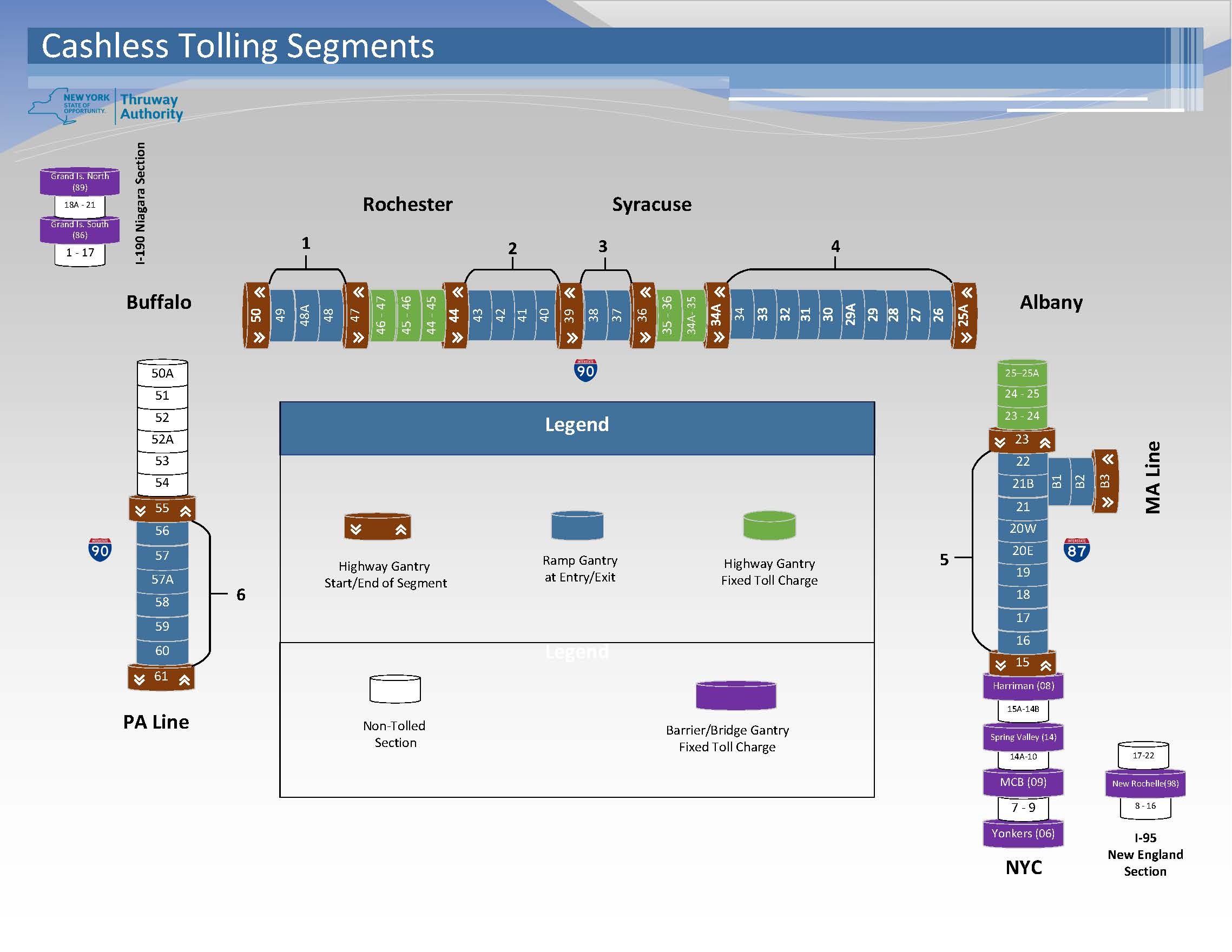
The Evolution to Cashless Tolling
The transition to cashless tolling has been a major undertaking, impacting drivers across New York State. This system eliminates the need for physical toll booths, with tolls being collected electronically. For those unfamiliar with this technology, it can initially seem daunting. However, the process is designed to be user-friendly and offers multiple convenient payment options. Understanding these options is key to avoiding unexpected fees and ensuring smooth passage through tolling points.
How Cashless Tolling Works
In a cashless tolling system, sensors and cameras are installed above the roadways. As your vehicle passes under these gantries, the system automatically records your passage. For vehicles equipped with an electronic transponder, the toll is deducted directly from your prepaid account. For those without a transponder, the system captures your license plate number. This information is then used to generate a toll bill, which is mailed to the registered owner of the vehicle. While this system is efficient, it’s important to be aware of the potential for missed payments if your mailing address is not up-to-date or if you are a visitor using a rental car.
Your Options for Paying Tolls in New York
With the prevalence of cashless tolling, travelers in New York have several convenient ways to pay their tolls, whether you’re a frequent commuter or a tourist exploring attractions like the Statue of Liberty or enjoying the culinary delights of New York City. The primary methods revolve around electronic toll collection devices and direct billing.
1. E-ZPass: The Preferred Method
The most widely recommended and convenient method for paying tolls in New York and many other states is by using an E-ZPass transponder. This small electronic device is mounted on your vehicle’s windshield and communicates wirelessly with toll collection systems.
Getting an E-ZPass
You can obtain an E-ZPass account through the New York E-ZPass Customer Service Center or through the New York State Thruway Authority website. There are two main types of E-ZPass accounts:
- Prepaid Accounts: This is the most common option. You deposit funds into your E-ZPass account, and tolls are automatically deducted as you pass through toll points. This method often comes with discounted toll rates compared to other payment methods, making it a cost-effective choice for frequent travelers.
- Postpaid Accounts: Less common and generally not recommended for the casual traveler, postpaid accounts involve receiving a monthly bill for your accumulated tolls.
Setting up an E-ZPass account is a straightforward process that typically requires personal information, vehicle details, and a payment method for funding your account. Once you have your transponder, simply install it according to the provided instructions, and you’re ready to go.
Benefits of Using E-ZPass
The advantages of using an E-ZPass are numerous:
- Cost Savings: E-ZPass users typically benefit from discounted toll rates, which can add up significantly over time, especially on longer trips or when frequenting toll roads.
- Convenience: No need to stop and fumble for cash or worry about receiving bills. Your tolls are handled automatically, allowing you to pass through toll plazas without interruption, saving valuable time.
- Wider Acceptance: E-ZPass is accepted across numerous states beyond New York, making it an invaluable tool for road trips throughout the region.
- Reduced Congestion: By allowing vehicles to pass through toll points without stopping, E-ZPass helps alleviate traffic congestion, contributing to a smoother travel experience for everyone.
2. Tolls By Mail (The Pay-By-Plate System)
For those who do not have an E-ZPass transponder, New York utilizes a “Tolls By Mail” or “Pay-By-Plate” system. This is the default method for drivers without an electronic toll collection device.
How Tolls By Mail Works

When your vehicle is detected by the cashless tolling system without an active transponder, cameras capture your license plate information. The New York State Thruway Authority or the MTA will then send a notice of tolling violation, commonly referred to as a toll bill, to the address associated with the vehicle’s registration.
- Receiving a Toll Bill: These bills will detail the tolls owed, along with any applicable administrative fees. It’s crucial to ensure that your vehicle’s registration address is up-to-date with the Department of Motor Vehicles (DMV) to receive these bills promptly.
- Payment Options: Toll bills can typically be paid online through the New York E-ZPass website, by mail, or in person at designated E-ZPass Customer Service Centers.
Considerations for Tolls By Mail
While convenient in principle, the Tolls By Mail system comes with important considerations:
- Higher Costs: Tolls billed through this system are generally higher than those paid with an E-ZPass. This is because the administrative costs associated with processing and mailing these bills are passed on to the consumer.
- Potential for Late Fees and Penalties: If a toll bill is not paid by its due date, late fees and escalating penalties can be imposed. Repeated non-payment can even lead to registration suspension or other legal consequences.
- Rental Cars: If you are renting a car in New York, be aware that rental companies often have their own policies for handling tolls. Some may provide you with a transponder, while others will bill your credit card directly for tolls incurred, often with an additional administrative fee. It is vital to clarify the rental company’s toll policy before driving off the lot.
3. Using a Rental Car’s Toll Service
Many visitors to New York will be driving rental cars. Rental companies understand that visitors may not have E-ZPass accounts and often offer their own toll payment services.
How Rental Car Toll Services Work
When you rent a car, the rental company will typically present you with an option to enroll in their toll payment program. If you opt in, the rental company will either provide you with a temporary transponder or act as an intermediary for toll payments.
- Direct Billing: The most common method is for the rental company to charge your credit card for any tolls incurred during your rental period. They will usually add an administrative fee on top of the actual toll charges.
- Transponder Rental: Some rental companies may offer the option to rent a transponder for a daily fee. This can sometimes be more cost-effective than their direct billing system, especially if you anticipate using toll roads frequently.
Important Advice for Rental Cars
- Read the Fine Print: Always thoroughly read and understand the toll policy provided by your rental car company. Pay close attention to any administrative fees, daily charges, and how tolls are processed.
- Check Your Credit Card Statement: After returning the rental car, carefully review your credit card statement for any toll charges from the rental company to ensure accuracy.
- Consider an E-ZPass: If you are planning an extended stay or anticipate significant use of toll roads, it might be more economical to purchase your own E-ZPass transponder and link it to your personal account or a prepaid account.
Navigating Tolls for Specific Landmarks and Experiences
Understanding toll payments is especially relevant when planning trips to popular destinations or engaging in specific activities in New York. For example, accessing certain parts of Long Island for beach visits, crossing into New Jersey via bridges like the George Washington Bridge, or driving the New York State Thruway to explore upstate attractions all involve tolls.
For visitors staying in hotels like the Plaza Hotel or considering a resort in The Hamptons, incorporating toll payment strategies into your travel plans will prevent any unwelcome surprises. Whether you are heading to a Broadway show, exploring the American Museum of Natural History, or seeking out unique experiences in Brooklyn, being prepared for tolls will enhance your journey.
Tolls on Bridges and Tunnels
New York City is famously connected by a network of bridges and tunnels, many of which are tolled. This includes iconic crossings like the Verrazzano-Narrows Bridge connecting Staten Island to Brooklyn, the Triborough Bridge (now the Robert F. Kennedy Bridge), and the Queens-Midtown Tunnel and Hugh L. Carey Tunnel (formerly the Brooklyn-Battery Tunnel) linking Manhattan to Queens and Brooklyn, respectively. All these crossings are now cashless.
The New York State Thruway
The New York State Thruway is a major toll highway system stretching over 500 miles across the state, connecting New York City to the Canadian border and other key areas. While some sections of the Thruway have transitioned to a fully cashless system, others still utilize a traditional tolling system where tolls are paid based on distance traveled. However, the trend is overwhelmingly towards cashless operation. Travelers using the Thruway should have an E-ZPass or be prepared for their license plate to be recorded for billing.

Tolls for Out-of-State Drivers
If you are visiting New York from another state, it is crucial to understand how tolls will affect your journey. Your vehicle’s license plate will be recognized by the cashless tolling system. If you do not have an E-ZPass, a toll bill will be mailed to the registered owner of the vehicle. If you are driving a car registered in another state, ensure that your out-of-state address is correctly registered with your motor vehicle department, or consider purchasing an E-ZPass to avoid potential complications. For those traveling from Canada, specific arrangements or transponder options may be available, and it’s advisable to check with the relevant toll authorities before your trip.
In conclusion, while the prospect of cashless tolling might seem complex at first, it offers a more efficient and convenient way to navigate New York. By opting for an E-ZPass or understanding the Tolls By Mail system, you can ensure that your travels are smooth, timely, and free from unexpected fees, allowing you to fully immerse yourself in the diverse offerings of the Empire State, from its world-class hotels and dining to its breathtaking landmarks and vibrant lifestyle.
LifeOutOfTheBox is a participant in the Amazon Services LLC Associates Program, an affiliate advertising program designed to provide a means for sites to earn advertising fees by advertising and linking to Amazon.com. Amazon, the Amazon logo, AmazonSupply, and the AmazonSupply logo are trademarks of Amazon.com, Inc. or its affiliates. As an Amazon Associate we earn affiliate commissions from qualifying purchases.