
The question of “How Far From DC to New York?” is a common one for travelers, business professionals, and anyone looking to explore the vibrant corridor between two of the United States’ most iconic cities. The distance between Washington, D.C., and New York City isn’t just a number; it represents a journey filled with possibilities, connecting the nation’s capital with the global epicenter of finance, culture, and entertainment. This article will delve into the various aspects of this journey, from the sheer mileage to the diverse travel options, the attractions that lie along the way, and the seamless integration of accommodation and lifestyle choices that make this trip a quintessential American experience.
The Mile Markers: Understanding the Distance
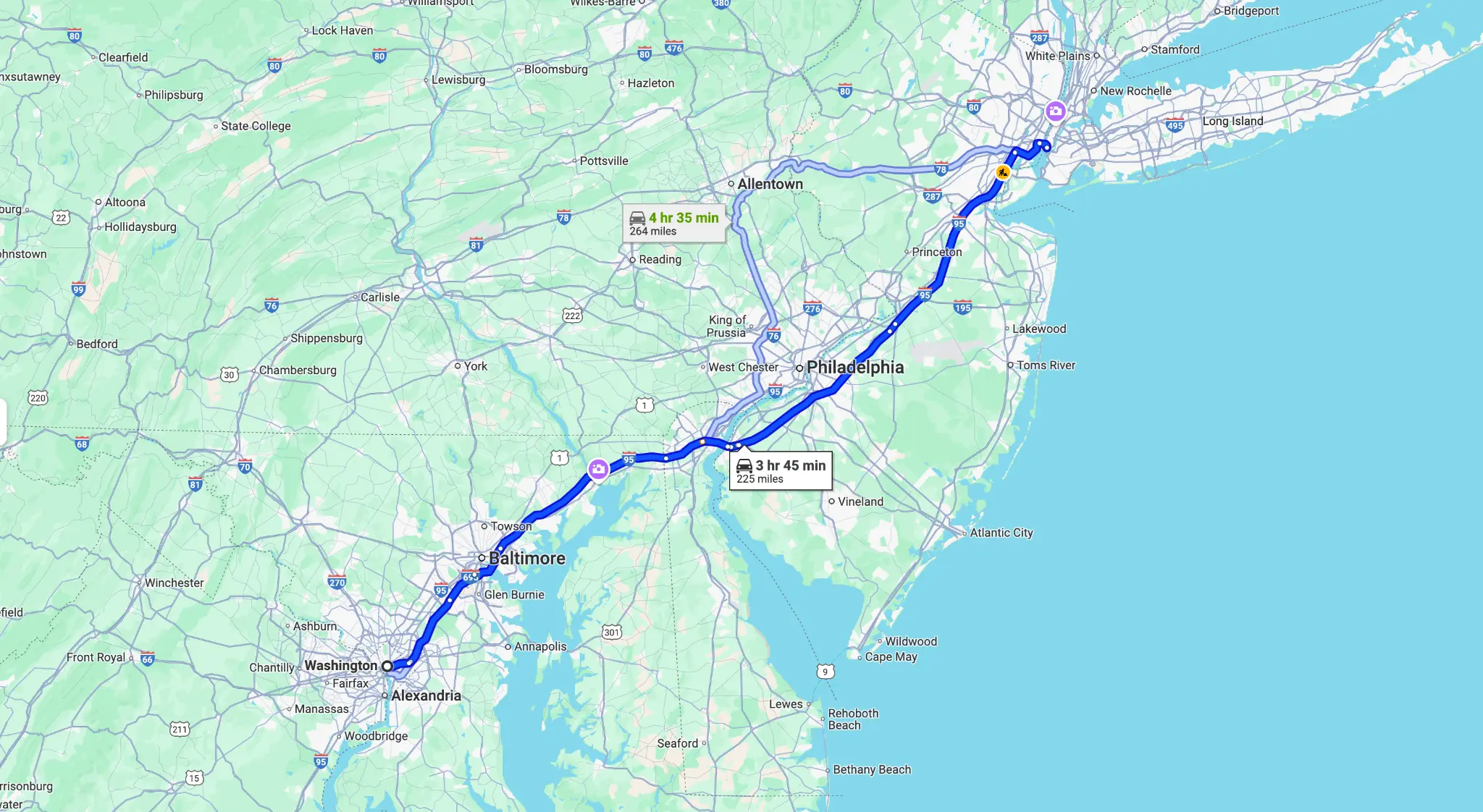
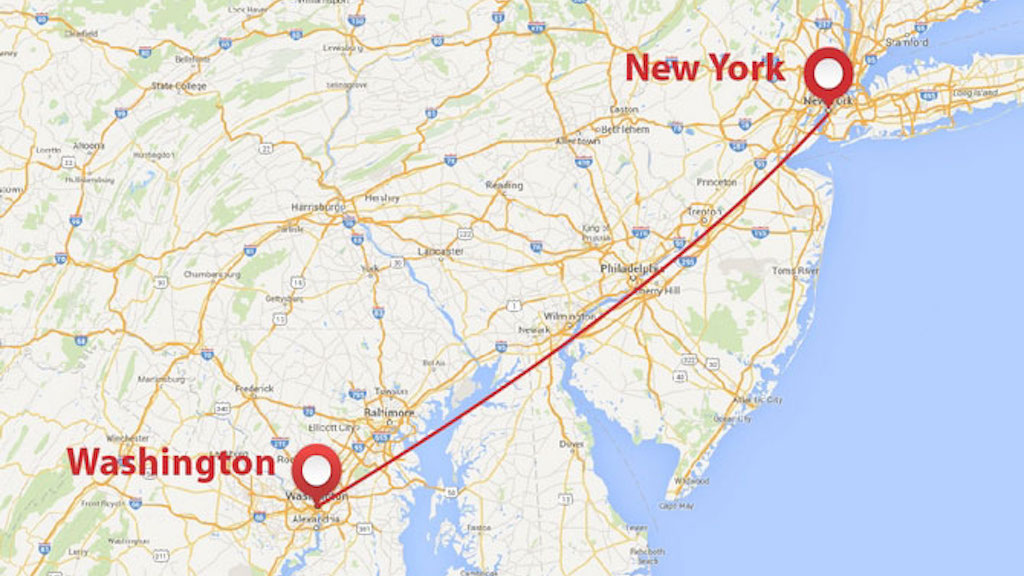
When inquiring about the distance from Washington, D.C. to New York City, it’s important to consider the different ways this measurement can be interpreted. Primarily, we look at the driving distance, which is the most practical for those opting for a road trip, and the straight-line distance, often referred to as “as the crow flies.”
Driving Distance: The Road Ahead
The most commonly cited and practical distance for travelers is the driving distance. This can vary slightly depending on the exact starting and ending points within each city and the specific route taken. However, generally speaking, the driving distance between Washington, D.C. and New York City is approximately 225 to 240 miles (about 360 to 385 kilometers).
This journey typically takes between 3.5 to 4.5 hours of pure driving time, assuming no significant traffic delays. However, anyone familiar with the East Coast corridor knows that traffic, particularly around major metropolitan areas like Philadelphia and the approach to New York City, can easily add considerable time to the trip. Planning your departure and arrival times strategically can make a significant difference in reducing travel time and stress. For instance, avoiding peak commuting hours on both ends of the journey is highly recommended.
Straight-Line Distance: The Bird’s Eye View
For a more geographical perspective, the straight-line distance between Washington, D.C. and New York City is roughly 190 miles (about 305 kilometers). This figure is useful for understanding the general proximity but doesn’t reflect the reality of travel, which must navigate roads, highways, and geographical features.
Navigating the Journey: Diverse Travel Options
The proximity between Washington, D.C. and New York City has fostered a robust network of transportation options, catering to every traveler’s preference, budget, and time constraints. From the speed and convenience of air travel to the scenic and relaxed pace of a train journey, and the flexibility of driving, the options are plentiful.
By Car: The Freedom of the Open Road
Driving offers the ultimate flexibility for this route. You can depart at your convenience, stop at attractions along the way, and control your luggage capacity. The most direct route is typically via Interstate 95 (I-95) for a significant portion of the journey. This major highway connects the two cities, passing through or near several other notable locations.
- Route: The primary route involves taking I-95 North out of Washington, D.C., continuing through states like Maryland, Delaware, and Pennsylvania, before entering New Jersey and eventually reaching New York City.
- Tolls: Be prepared for tolls. The New Jersey Turnpike and bridges/tunnels into New York City are tolled. Many modern vehicles are equipped with E-ZPass, which can streamline passage through toll plazas.
- Scenery & Stops: While the drive itself can be monotonous at times, the route offers opportunities for interesting detours. Philadelphia, with its rich history and iconic landmarks like the Liberty Bell and Independence Hall, is a prime candidate for a stopover. Other smaller towns and natural parks also dot the landscape, offering a chance to stretch your legs and experience local tourism.
By Train: A Relaxing and Productive Commute
For many, the train is the preferred method of travel between Washington, D.C. and New York City. Amtrak’s Acela Express and Northeast Regional services provide frequent and efficient connections, transforming the journey into a productive or relaxing experience.
- Amtrak: The primary rail provider is Amtrak.
- Acela Express: This high-speed service is the fastest option, with journey times as short as 2 hours and 45 minutes. It offers a more luxurious experience with comfortable seating, Wi-Fi, and onboard dining.
- Northeast Regional: This service is more frequent and generally more affordable than the Acela. Journey times are typically around 3 to 3.5 hours, offering a good balance of speed and cost-effectiveness.
- Stations: In Washington, D.C., trains depart from Union Station. In New York City, the destination is Penn Station, conveniently located in Midtown Manhattan.
- Advantages: Traveling by train allows you to avoid traffic congestion and parking hassles. You can work, read, or simply enjoy the passing scenery. It’s an excellent choice for business travel or for those who prefer to arrive at their destination feeling refreshed rather than fatigued.
By Air: The Fastest, But Consider Total Travel Time
While flying might seem like the quickest option due to the short flight time, it’s crucial to factor in the total travel time from the moment you leave your starting point until you reach your final destination.
- Flight Time: The actual flight time between airports near Washington, D.C. (such as Reagan National Airport (DCA), Dulles International Airport (IAD), or Baltimore/Washington International Thurgood Marshall Airport (BWI)) and New York City (primarily LaGuardia Airport (LGA), John F. Kennedy International Airport (JFK), or Newark Liberty International Airport (EWR)) is generally around 1 hour.
- Total Travel Time: However, when you add travel time to and from airports, check-in procedures, security screenings, boarding, deplaning, and travel from the arrival airport to your final destination in New York City, the total door-to-door time can often be comparable to, or even exceed, that of the train.
- Cost: Flight prices can fluctuate significantly, and sometimes they can be competitive with train fares, especially if booked in advance. However, the added costs of airport transportation and potential baggage fees can increase the overall expense.
By Bus: The Budget-Conscious Choice
For travelers prioritizing cost savings, bus services offer a viable and increasingly comfortable option for traveling between Washington, D.C. and New York City.
- Providers: Several bus companies operate this popular route, including Megabus, Peter Pan Bus Lines, and Greyhound.
- Journey Time: Bus journeys typically take longer than driving or taking the train, often ranging from 4 to 6 hours, depending on the route and traffic conditions.
- Amenities: Many modern buses offer amenities like Wi-Fi, power outlets, and reclining seats, making the journey more pleasant. Some even provide onboard restrooms.
- Cost-Effectiveness: This is usually the most budget-friendly option, especially for solo travelers or those looking to minimize travel expenses.
Attractions and Experiences Along the Corridor
The journey between Washington, D.C. and New York City is not just about covering distance; it’s an opportunity to explore a rich tapestry of American history, culture, and natural beauty. This corridor is densely populated with significant landmarks and vibrant cities that are worth exploring.
Historical and Cultural Hubs
- Philadelphia, Pennsylvania: As mentioned earlier, Philadelphia is a must-see for history buffs. Visiting Independence Hall, where the Declaration of Independence and the U.S. Constitution were debated and adopted, is a profound experience. The Liberty Bell Center offers a close-up view of this iconic symbol of American freedom. Beyond history, Philadelphia boasts world-class museums like the Philadelphia Museum of Art (famous for its “Rocky Steps”), vibrant neighborhoods, and a renowned culinary scene, particularly for its cheesesteaks.
- Baltimore, Maryland: A short detour north of Washington, D.C., Baltimore offers a different kind of charm. The Inner Harbor is a bustling waterfront area with attractions like the National Aquarium and the Historic Ships in Baltimore. The city is also the birthplace of the Star-Spangled Banner, and Fort McHenry National Monument commemorates the battle that inspired the national anthem.
- Princeton, New Jersey: Home to the prestigious Princeton University, this charming town offers a glimpse into academic excellence and beautiful collegiate architecture. Walking through the campus and exploring the town’s quaint streets can be a refreshing stop.
Natural Wonders and Recreational Opportunities
While the corridor is heavily urbanized, there are pockets of natural beauty and recreational opportunities for those who seek them.
- Delaware Water Gap National Recreation Area: While slightly off the most direct route, this area straddles the border of Pennsylvania and New Jersey and offers stunning scenery, hiking trails, waterfalls, and opportunities for boating and fishing along the Delaware River.
- State Parks and Forests: Many state parks and forests in Pennsylvania, New Jersey, and Maryland provide excellent opportunities for hiking, picnicking, and enjoying the outdoors, offering a peaceful respite from the urban sprawl.
Accommodation and Lifestyle Choices for the Journey
Whether you’re planning a quick day trip or a longer exploration, the journey from Washington, D.C. to New York City can be seamlessly integrated with a variety of accommodation and lifestyle choices, enhancing your travel experience.
Hotels and Resorts: From Luxury to Budget-Friendly Stays
The availability of hotels is abundant in both cities and in many towns along the route.
- Major Cities: In Washington, D.C., you can find everything from luxury hotels like The Hay-Adams to boutique options in neighborhoods like Georgetown. In New York City, the choices are even more extensive, with iconic establishments like the Plaza Hotel and a vast array of options in areas like Times Square, the Financial District, and the Upper East Side. Consider your lifestyle preferences: are you looking for a bustling city experience, a quiet retreat, or a family-friendly resort?
- En Route Stays: If you decide to break up the drive, towns along the I-95 corridor offer numerous hotel options. Cities like Baltimore, Wilmington, Delaware, and various towns in New Jersey provide comfortable and convenient accommodation, often at more affordable rates than in the major metropolitan areas. Many of these offer standard amenities like free Wi-Fi, continental breakfast, and swimming pools.
Accommodation Types for Every Need
Beyond traditional hotels, the range of accommodation extends to suit different travel styles and durations.
- Apartments and Vacation Rentals: For longer stays or for families and groups, renting an apartment or a vacation home can provide more space, privacy, and a sense of local living. Platforms like Airbnb and VRBO offer a wide selection in both Washington, D.C. and New York City, as well as in smaller towns.
- Resorts: While less common for this specific intercity travel, if your trip is part of a larger vacation, you might consider resorts located in more rural areas outside the immediate urban centers, offering a more relaxed atmosphere and extensive amenities.
Lifestyle Travel Considerations
The journey between Washington, D.C. and New York City caters to diverse lifestyle travel needs.
- Luxury Travel: For those seeking a high-end experience, both cities offer world-class luxury hotels, fine dining, and exclusive shopping. The Acela train also provides a luxurious and comfortable travel option.
- Budget Travel: Opting for bus travel, staying in hostels or budget hotels, and exploring free attractions like museums with free admission days or public parks can make this journey very affordable.
- Family Trips: Traveling with children might involve more stops for rest and recreation. Choosing a car offers the most flexibility for managing young travelers. Consider attractions that cater to families, such as amusement parks or interactive museums.
- Business Stays: The efficiency of train travel, particularly the Acela, makes it a preferred choice for business travelers who can utilize the journey time productively. Hotels near business districts and major transport hubs are readily available.
In conclusion, the question of “How Far From DC to New York?” is answered not just by mileage, but by the wealth of experiences and the seamless integration of travel, accommodation, and lifestyle that this iconic route offers. Whether you’re seeking historical immersion, cultural exploration, or simply efficient transit between two dynamic American metropolises, the journey itself is a significant part of the adventure.
LifeOutOfTheBox is a participant in the Amazon Services LLC Associates Program, an affiliate advertising program designed to provide a means for sites to earn advertising fees by advertising and linking to Amazon.com. Amazon, the Amazon logo, AmazonSupply, and the AmazonSupply logo are trademarks of Amazon.com, Inc. or its affiliates. As an Amazon Associate we earn affiliate commissions from qualifying purchases.