
For anyone navigating the vibrant landscapes and bustling cities of the Lone Star State, a Texas ID Card is far more than just a piece of plastic – it’s an indispensable tool for seamless travel, secure accommodation, and a rich lifestyle experience. Whether you’re a long-term resident, a new arrival, or someone planning an extended stay to soak in the unique tourism and landmarks Texas has to offer, understanding the process of obtaining this crucial identification is paramount. This comprehensive guide will walk you through every step, ensuring your journey to getting a Texas ID Card is as smooth as a Texas sunset.
From checking into a chic hotel in Dallas to exploring the historic Alamo in San Antonio, or even simply opening a bank account in Houston, a valid Texas ID Card simplifies countless everyday interactions. It serves as your official proof of identity and residency within the state, opening doors to a multitude of services and opportunities. For those accustomed to the ease of domestic travel within the United States, a Texas ID Card that is REAL ID compliant will become essential for boarding flights come May 2025. This guide is tailored to provide you with all the necessary information, bridging the gap between bureaucratic requirements and your desire to experience all that Texas has to offer.
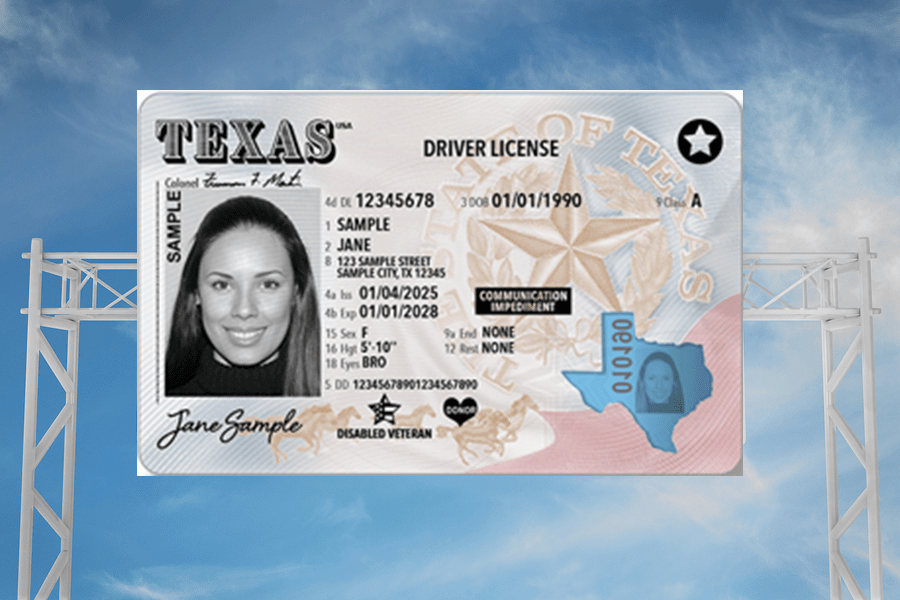
Why You Need a Texas ID Card: More Than Just Identification
In a state as vast and diverse as Texas, an official identification card plays a pivotal role in daily life, extending far beyond merely proving your age. For travelers, new residents, and those embracing the local lifestyle, a Texas ID Card is an invaluable asset.
Facilitating Travel and Tourism in the Lone Star State
The primary benefit of a Texas ID Card, especially for those on the move, relates to travel. With the implementation of the REAL ID Act, a compliant state-issued ID is increasingly becoming a mandatory document for domestic air travel. This means whether you’re flying out of Dallas-Fort Worth International Airport to visit family or jetting off from George Bush Intercontinental Airport for a business trip, your Texas ID Card will be your key to boarding.
Beyond airports, a Texas ID Card smooths over numerous aspects of your tourism experience. Renting a car to explore the scenic routes of Big Bend National Park or navigating the urban sprawl of Austin becomes straightforward with proper identification. When checking into hotels or resorts – from the luxurious Four Seasons Hotel Austin to charming boutique stays in Fredericksburg – the ID is consistently requested for verification. It also simplifies entry to various attractions and landmarks across the state, such as Space Center Houston or the San Antonio Riverwalk, ensuring you can enjoy your adventures without unnecessary delays.
Essential for Accommodation and Long-Term Stays
For those planning to make Texas their temporary or permanent home, the Texas ID Card is foundational for establishing yourself. It is almost universally required for securing accommodation, whether you’re signing a lease for an apartment in Fort Worth or arranging a long-term stay at an extended-stay hotel. Property managers and landlords rely on official identification to verify an applicant’s identity and residency.
Furthermore, opening a bank account, setting up utility services (electricity, water, internet), or even getting a library card in cities like El Paso will all necessitate a valid state ID. This card essentially serves as your gateway to integrating into the local community and accessing essential services, making any long-term stay in Texas far more manageable and secure. Without it, many aspects of daily life, from receiving mail to registering children for school, can become unnecessarily complicated.
Enhancing Your Texas Lifestyle
Beyond the practicalities of travel and accommodation, a Texas ID Card profoundly impacts your day-to-day lifestyle. It’s the primary document used for purchasing age-restricted items, such as alcohol in Austin’s vibrant nightlife districts or tobacco. For many, it also serves as a critical form of identification for voting in local, state, and national elections, an important civic duty in the United States.
From registering for a gym membership to picking up a prescription, the Texas ID Card is your universally accepted proof of identity. It can even be useful in less obvious situations, such as verifying identity for package deliveries or during interactions with local law enforcement. In essence, it’s a vital component of living, working, and enjoying life responsibly and conveniently within Texas.
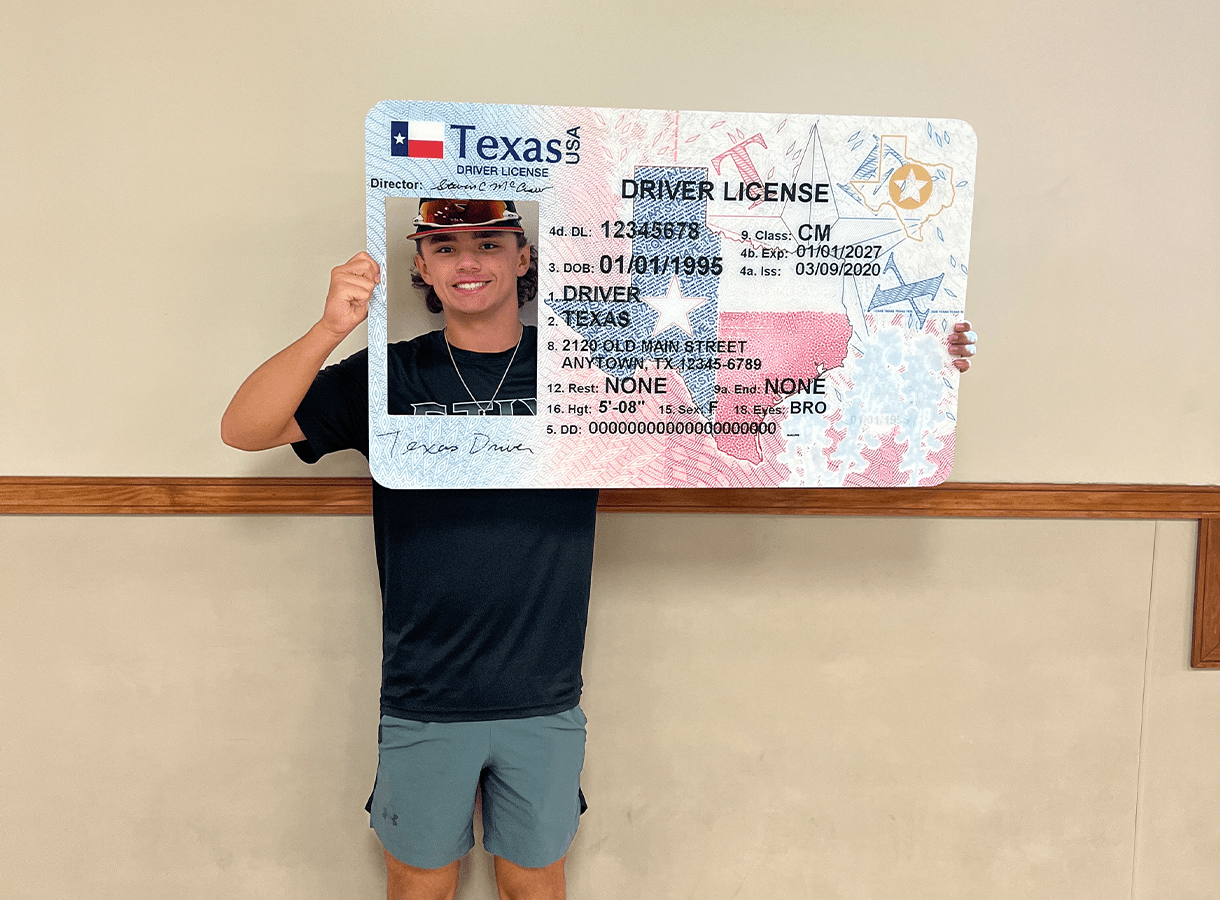
Eligibility and The Application Process: Navigating the DPS
Obtaining a Texas ID Card requires a clear understanding of eligibility criteria and a systematic approach to the application process. The primary agency responsible for issuing these cards is the Texas Department of Public Safety (DPS), and navigating their requirements is key to a successful application.
Who Can Apply? Residency Requirements
The first step is to determine if you are eligible. Generally, applicants for a Texas ID Card must establish Texas residency. This typically means you either live in Texas or intend to live in Texas for a substantial period.
Eligibility categories include:
- U.S. Citizens: Individuals born in the United States or those who have naturalized.
- Legal Permanent Residents: Individuals holding a valid “green card” issued by the U.S. Citizenship and Immigration Services (USCIS).
- Temporary Visitors with Lawful Presence: This category covers individuals who have been granted temporary lawful status in the United States by the federal government. This includes those with valid visas (e.g., work, student, visitor visas) allowing extended stays, asylum seekers, and refugees. The validity of your Texas ID Card will typically align with your authorized period of stay in the country.
It’s crucial to understand that even if you are not a U.S. citizen, if you have lawful presence and can prove Texas residency, you are likely eligible. The DPS provides detailed guidelines on specific documents accepted for each category.
Gathering Your Documentation: The Checklist for Success
The most critical part of the application process is meticulously gathering all required documentation. Failing to bring the correct, original documents can lead to delays and multiple trips to the DPS office. You’ll need to provide proof for several categories:
-
Proof of Identity:
- Primary Document: A U.S. passport or passport card, U.S. birth certificate, or a valid foreign passport with appropriate visa and I-94 (Arrival/Departure Record).
- Secondary Documents: Can include a certificate of U.S. citizenship or naturalization, valid military ID, or original Social Security card.
- Supporting Documents: Such as a school transcript, vehicle title, or health insurance card, often used in conjunction with secondary documents if a primary one isn’t available.
-
Proof of U.S. Citizenship or Lawful Presence:
- For U.S. Citizens: U.S. birth certificate, U.S. passport, Certificate of Naturalization.
- For Legal Permanent Residents: Green Card (Form I-551).
- For Temporary Visitors: Foreign passport with valid U.S. visa, I-94 record, Employment Authorization Document (EAD), or other documentation from the USCIS or the U.S. Department of Homeland Security proving lawful presence.
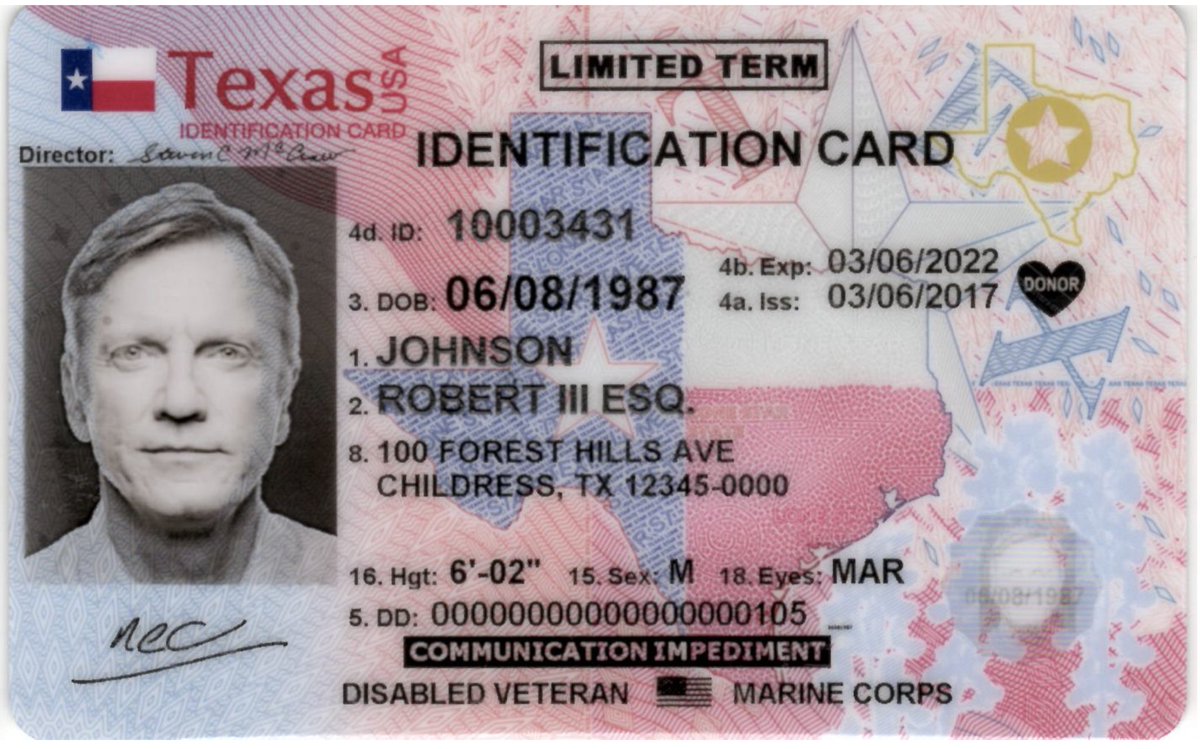
-
Proof of Texas Residency: You must provide two different documents that show your name and current Texas residential address. These documents must be less than 90 days old (or show current validity if ongoing).
- Examples include: Utility bills (electricity, water, gas, cable), a current lease or rental agreement, a homeowner’s insurance policy or statement, a valid Texas voter registration card, a bank statement, or a recent pay stub. For those staying in hotels or temporary accommodation, documentation might be more challenging, but a utility bill in a roommate’s name along with a notarized statement of residency might be accepted, or a formal letter from an employer establishing residency.
-
Proof of Social Security Number (SSN): Your original Social Security card or a document (like a W-2 form or a SSA-1099 form) that contains your name and SSN. If you do not have an SSN, you may need to present a letter from the Social Security Administration (SSA) indicating ineligibility.
Important Note: All documents must be original. Photocopies are generally not accepted. It’s highly recommended to visit the official Texas DPS website or call them directly for the most current and specific list of acceptable documents, as these can occasionally change.
Scheduling Your Visit to the Texas Department of Public Safety (DPS)
Once you have meticulously gathered all your documents, the next step is to visit a DPS office. In many populous areas like Houston, Dallas, Austin, and San Antonio, appointments are highly recommended, if not required, to avoid exceptionally long wait times.
- Schedule an Appointment: Use the Texas DPS online appointment system to find a convenient DPS office location and time. This can significantly streamline your visit.
- Complete the Application Form: While you can often fill out the application form at the DPS office, it’s much more efficient to download and complete it beforehand. This saves time and reduces stress during your appointment.
- Your DPS Visit: On the day of your appointment, arrive early with all your original documents. You will typically:
- Present your documents to a DPS agent for verification.
- Have your photograph taken.
- Provide your thumbprint.
- Pay the applicable fee.
- Some applicants may undergo a vision test, though this is more common for a Texas Driver’s License than a standard ID card.
After completing the process, you will usually receive a temporary paper ID. Your official Texas ID Card will then be mailed to your residential address within a few weeks. It’s crucial to confirm your mailing address before leaving the DPS office to ensure it reaches you.
Fees, Validity, and Renewal: Keeping Your ID Current
Understanding the financial aspect and the lifespan of your Texas ID Card is crucial for continuous hassle-free identification.
Understanding the Costs and Validity Period
The fee for a Texas ID Card is relatively modest. As of the current guidelines, the standard fee for individuals aged 18-59 is typically around $16. For applicants aged 60 and older, the fee is significantly reduced to about $6. There are often no fees for individuals who are legally blind or disabled and meet specific criteria. It’s always best to check the official DPS website for the most up-to-date fee schedule, as these figures can occasionally change. Payments can usually be made by cash, check, money order, or credit card at most DPS office locations.
Once issued, a standard Texas ID Card for adults typically remains valid for six years. For individuals 85 years and older, the card may be valid for two years. For temporary visitors with lawful presence, the ID card’s expiration date will be tied to the expiration of their authorized period of stay in the United States, usually not exceeding the standard six-year maximum. It’s important to note the expiration date and plan for renewal well in advance to avoid any lapse in identification.
Renewing Your Texas ID Card: Staying Compliant
Keeping your Texas ID Card current is just as important as obtaining it initially, especially for maintaining uninterrupted travel capabilities, seamless accommodation, and consistent access to services in Texas. The DPS offers several convenient ways to renew your ID card, often allowing renewal up to two years before the expiration date.
- Online Renewal: Many eligible Texas ID Card holders can renew online through the Texas DPS website. This is generally the quickest and most convenient method. To qualify for online renewal, you must be a U.S. citizen, your previous renewal must have been in-person, your card must be within the renewal period (not expired for more than two years), and your information (address, name) must be unchanged.
- Mail-In Renewal: If you received a renewal notice in the mail and meet specific eligibility criteria (e.g., U.S. citizen, no changes to your information), you may be able to renew by mail.
- In-Person Renewal: If you are not eligible for online or mail renewal, or if you need to update information like your address or name, you will need to visit a DPS office in person. The process for in-person renewal is similar to an initial application, requiring updated documentation for identity, residency, and proof of lawful presence. You may also need to retake your photo and possibly undergo another vision test.
It is highly recommended to renew your ID before it expires to avoid any potential issues, especially regarding REAL ID compliance for air travel. An expired ID can complicate everything from checking into hotels to accessing certain governmental or financial services.
Texas ID Card vs. Driver’s License: What’s the Difference?
While both the Texas ID Card and a Texas Driver’s License are issued by the Texas Department of Public Safety (DPS) and serve as valid forms of identification, their primary functions differ significantly.
A Texas ID Card is purely for identification purposes. It visually verifies your identity, age, and address, making it suitable for all situations where proof of identity is required—such as boarding domestic flights, checking into hotels, opening bank accounts, or purchasing age-restricted items. It is an excellent option for individuals who do not drive or do not need a driver’s license, including many visitors, students, or elderly residents.
In contrast, a Texas Driver’s License serves two main purposes: it acts as a form of identification and it grants the holder legal permission to operate a motor vehicle on public roads. It requires passing driving tests (written, vision, and practical driving exams) in addition to proving identity and residency. While a driver’s license can certainly be used as a valid form of identification for all the same purposes as an ID card, its primary distinction is the driving privilege it confers.
Essentially, if you plan to drive in Texas, you will need a Texas Driver’s License. If you only need a state-issued identification document and do not intend to drive, the Texas ID Card is the appropriate choice. Both documents are REAL ID compliant and valid for federal purposes, ensuring smooth travel and interaction with federal agencies.
In conclusion, obtaining a Texas ID Card is a straightforward process that significantly enhances your ability to navigate the practicalities and enjoy the bounties of the Lone Star State. From ensuring seamless travel to allowing easy access to diverse accommodation options, and enriching your local lifestyle experiences, this small card holds immense value. By carefully preparing your documents and understanding the DPS process, you can secure your official Texas identification with confidence, setting the stage for unforgettable journeys and a comfortable life in this magnificent state.
LifeOutOfTheBox is a participant in the Amazon Services LLC Associates Program, an affiliate advertising program designed to provide a means for sites to earn advertising fees by advertising and linking to Amazon.com. Amazon, the Amazon logo, AmazonSupply, and the AmazonSupply logo are trademarks of Amazon.com, Inc. or its affiliates. As an Amazon Associate we earn affiliate commissions from qualifying purchases.