
The allure of a road trip often beckons, especially when considering the journey between two distinct yet historically rich cities like New York and Pittsburgh. These metropolises, separated by a significant stretch of the United States, offer vastly different experiences, from the bustling urban energy of the East Coast to the revitalized industrial charm of Pennsylvania. Understanding the distance and the myriad of ways to traverse it is the first step in planning an unforgettable adventure. Whether you’re seeking a quick getaway, a scenic drive, or a budget-conscious expedition, this guide will illuminate the path from the Empire State to the Steel City.

The primary question, “How far is New York to Pittsburgh?”, is best answered by considering the driving distance, which is approximately 370 to 380 miles, depending on the specific route taken. This translates to roughly a 6 to 7-hour drive without significant stops, a manageable commitment for a weekend escape or a segment of a larger American road trip. However, this figure is a baseline, and the actual travel time can fluctuate based on traffic conditions, particularly as you depart New York City or enter Pittsburgh, and the number of breaks you choose to take.
Navigating the Distance: Your Travel Options
The journey from New York to Pittsburgh is more than just a mileage count; it’s an opportunity to explore diverse landscapes and points of interest along the way. Several transportation methods are available, each catering to different travel styles and priorities. From the freedom of a personal vehicle to the convenience of air travel or the communal experience of a bus, there’s a mode of transport to suit every traveler.
By Car: The Quintessential Road Trip
Embarking on a road trip by car offers unparalleled flexibility and the chance to immerse yourself in the journey. The most common driving route from New York to Pittsburgh typically involves taking Interstate 80 West for a substantial portion of the trip. This route cuts through the scenic countryside of Pennsylvania, passing through charming towns and offering glimpses of the Appalachian Mountains.
Alternatively, some travelers might opt for a southern route that utilizes Interstate 78 West to Interstate 81 South and then connects to Interstate 76 West (Pennsylvania Turnpike). This route, while potentially longer, can offer different visual appeal and pass through different regions of Pennsylvania. The choice between these routes often comes down to personal preference, desired stops, and current traffic or weather advisability.
The Driving Experience:
- Scenery: The drive is predominantly characterized by rolling hills, forests, and agricultural landscapes as you leave the urban sprawl of New York behind. As you approach Pittsburgh, the topography becomes more dramatic, with valleys and inclines showcasing the city’s unique setting.
- Stops and Attractions: This is where the road trip truly shines. Along Interstate 80, you might consider detours to explore charming towns like Jim Thorpe, known for its Victorian architecture and outdoor recreational opportunities. Further west, the Allegheny National Forest offers breathtaking natural beauty for those who wish to stretch their legs with a hike or a scenic drive. If you choose the Pennsylvania Turnpike route, you could stop at historical sites or explore the vibrant culinary scene in towns like Harrisburg.
- Time Considerations: While the base driving time is 6-7 hours, it’s wise to factor in at least an additional 2-3 hours for fuel stops, meals, and brief sightseeing. For a more relaxed experience, an overnight stop in a town midway, such as around State College or Altoona, can break up the drive and allow for exploration of local attractions.
Accommodation and Amenities Along the Way:
The route is well-serviced with numerous rest stops, gas stations, and a variety of lodging options. From major hotel chains like Holiday Inn and Hampton Inn to independent motels, you’ll find places to rest and recharge. Many towns along the way offer local diners and restaurants, providing a taste of regional cuisine. For those seeking a more rustic experience, campgrounds are also available in areas like the Allegheny National Forest.
By Air: The Fastest Route
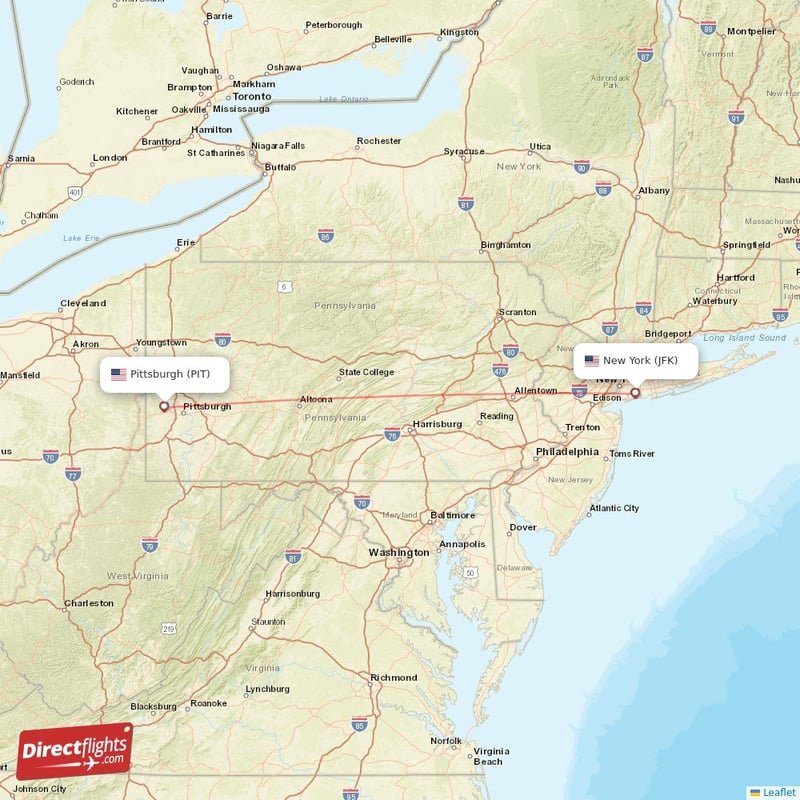
For travelers prioritizing speed and efficiency, flying is the most direct method to cover the distance between New York and Pittsburgh. Pittsburgh International Airport (PIT) serves the Pittsburgh metropolitan area, and New York has three major airports: John F. Kennedy International Airport (JFK), LaGuardia Airport (LGA), and Newark Liberty International Airport (EWR).
Flight Details:
- Flight Time: Direct flights between New York and Pittsburgh are typically around 1.5 hours. This is a significant saving in travel time compared to driving.
- Airlines: Numerous airlines operate on this route, including major carriers like American Airlines, Delta Air Lines, and United Airlines, as well as budget-friendly options.
- Getting to and From Airports: It’s crucial to factor in the time and cost of traveling to your departure airport in New York and from Pittsburgh International Airport to your final destination. Public transportation, ride-sharing services, and taxis are readily available in both cities.
- Cost and Booking: Flight prices can vary significantly depending on the time of year, day of the week, and how far in advance you book. Utilizing flight comparison websites can help you find the best deals. Consider a “package” deal that includes flights and accommodation in Pittsburgh for potential savings.
Considerations for Air Travel:
While the flight itself is short, the overall travel time can extend to 4-5 hours when accounting for travel to the airport, check-in, security procedures, boarding, and deplaning. However, for those with limited time, this remains the most efficient option.
By Bus: The Budget-Friendly and Social Option
For the budget-conscious traveler or those who enjoy a more communal travel experience, taking a bus from New York to Pittsburgh is a viable and popular choice. Companies like Greyhound and Megabus offer regular services on this route, providing an economical way to reach the Steel City.
Bus Travel Details:
- Duration: Bus journeys are considerably longer than driving or flying, typically ranging from 8 to 10 hours. This is due to the stops made along the way and the nature of bus travel.
- Comfort and Amenities: Modern long-distance buses often come equipped with Wi-Fi, power outlets, and reclining seats, making the journey as comfortable as possible. Some services may also offer onboard restrooms.
- Departure and Arrival Points: Buses usually depart from major bus terminals in New York City, such as the Port Authority Bus Terminal, and arrive at the Pittsburgh bus station, often centrally located for easy access to local transport.
- Cost-Effectiveness: Bus tickets are generally the most affordable option, especially when booked in advance. This makes it an attractive choice for students, backpackers, and anyone looking to minimize travel expenses.
Maximizing Your Bus Journey:
To make the bus trip more enjoyable, consider packing snacks and a good book or downloading movies and podcasts. The extended travel time also provides an opportunity to observe the changing landscapes of Pennsylvania from a different perspective.
Experiencing Pittsburgh: Beyond the Distance
Once you’ve navigated the miles from New York, Pittsburgh itself awaits with a rich tapestry of attractions, from its iconic landmarks and vibrant arts scene to its burgeoning culinary landscape. Understanding the city’s unique character is key to fully appreciating your journey.
Landmarks and Historical Significance
Pittsburgh is a city deeply rooted in its industrial past, a heritage that is proudly showcased through its many landmarks.
- The Point State Park: Situated at the confluence of the Allegheny, Monongahela, and Ohio Rivers, this park is a focal point of the city, offering stunning views and historical significance as the site of Fort Pitt. The iconic fountain is a must-see.
- The Duquesne Incline and The Monongahela Incline: These historic cable cars offer breathtaking panoramic views of the Pittsburgh skyline, especially at sunset. A ride up one of these inclines is a quintessential Pittsburgh experience and a fantastic way to grasp the city’s geography.
- The Strip District: This bustling neighborhood is a vibrant mix of old and new, with historic warehouses now housing international food markets, specialty shops, and lively restaurants. It’s a sensory feast and a great place to experience the local culture.
- Heinz Hall for the Performing Arts: Home to the Pittsburgh Symphony Orchestra, this beautifully restored former movie palace is a testament to the city’s thriving arts and culture scene.
Culinary Delights and Local Flavors
Pittsburgh has transformed into a culinary hotspot, moving far beyond its image as solely a blue-collar industrial city.
- The Primanti Bros. Sandwich: No visit to Pittsburgh is complete without trying the iconic Primanti Bros. sandwich, famous for its generous fillings layered between two thick slices of Italian bread, complete with coleslaw and french fries inside.
- Diverse Dining Scene: From upscale farm-to-table restaurants in neighborhoods like Shadyside and Lawrenceville to ethnic eateries in the Strip District, Pittsburgh offers a diverse range of culinary experiences. Don’t miss the opportunity to sample pierogies, a nod to the city’s Eastern European heritage.
- Craft Breweries and Distilleries: The city boasts a thriving craft beer scene, with numerous breweries offering unique local brews. Several distilleries also offer tours and tastings, showcasing the resurgence of artisanal spirits.

Accommodation Options in Pittsburgh
When planning your stay in Pittsburgh, you’ll find a wide array of accommodation options to suit every budget and travel style, mirroring the diverse offerings found in New York but with its own distinct charm.
- Downtown Pittsburgh Hotels: For business travelers and those who want to be in the heart of the action, downtown offers a range of hotels, from luxury suites in establishments like the Omni William Penn Hotel to more budget-friendly business hotels. These are ideal for easy access to convention centers and business districts.
- Boutique Hotels and Trendy Stays: Neighborhoods like Lawrenceville and the Strip District are home to stylish boutique hotels and unique apartment rentals, offering a more local and immersive experience. These often provide a blend of comfort and character, with easy access to vibrant nightlife and dining.
- Resorts and Extended Stays: While Pittsburgh isn’t a typical resort town, the surrounding areas offer some resorts that provide a tranquil escape. For longer stays or families, serviced apartments and extended-stay hotels are plentiful, offering amenities like full kitchens and laundry facilities, making them a home away from home.
- Budget-Friendly Options: Travelers looking for economical stays will find a good selection of motels and budget hotels on the outskirts of the city, as well as well-regarded hostel options in convenient locations.
By understanding the distance, the various travel methods, and the incredible experiences that await in Pittsburgh, your journey from New York is set to be an adventure filled with discovery and enjoyment. Whether you choose the open road, the swift skies, or a comfortable bus seat, the transition from the iconic skyline of New York to the revitalized spirit of Pittsburgh is a journey worth taking.
LifeOutOfTheBox is a participant in the Amazon Services LLC Associates Program, an affiliate advertising program designed to provide a means for sites to earn advertising fees by advertising and linking to Amazon.com. Amazon, the Amazon logo, AmazonSupply, and the AmazonSupply logo are trademarks of Amazon.com, Inc. or its affiliates. As an Amazon Associate we earn affiliate commissions from qualifying purchases.