
The question of “How Far Is Pittsburgh, Pennsylvania From New York?” is a common one for travelers looking to explore the northeastern United States. While both New York and Pittsburgh are iconic cities with distinct personalities and attractions, they are separated by a significant distance that influences travel planning. Understanding this distance is crucial for choosing the most efficient and enjoyable mode of transport, booking accommodations, and scheduling your itinerary. This article will delve into the specifics of the distance between these two vibrant metropolises, offering insights for various travel styles and needs, from quick weekend getaways to more extensive road trips.

The Direct Distance and Driving Routes
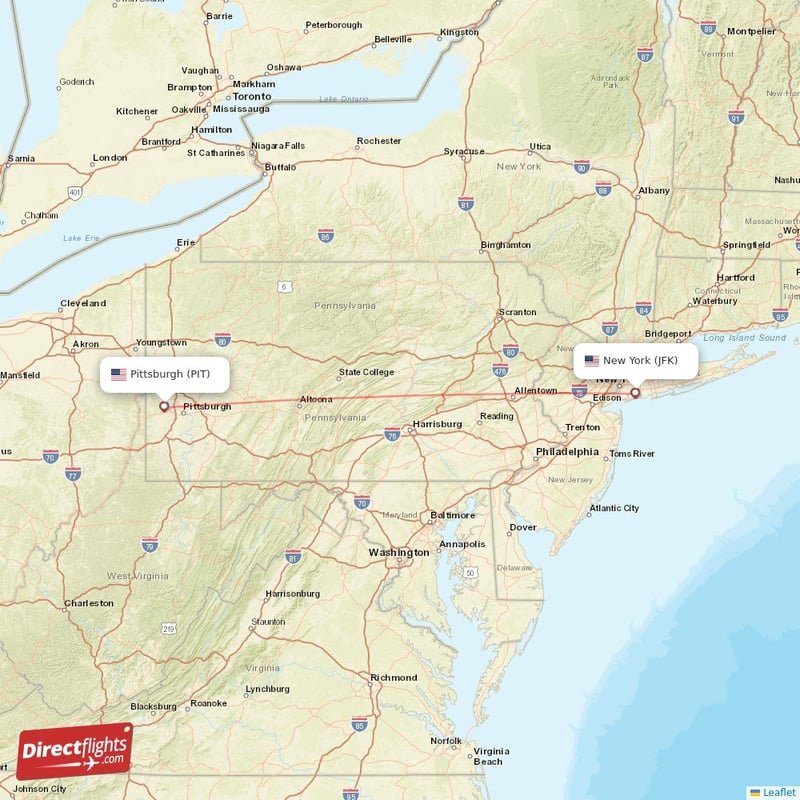
The most straightforward answer to “How Far Is Pittsburgh, Pennsylvania From New York?” refers to the direct, or “as the crow flies,” distance. This linear measurement typically places Pittsburgh approximately 372 miles (about 600 kilometers) northwest of New York City. However, for road travel, this direct line is rarely feasible. Drivers must navigate a network of highways and byways, which adds to the total mileage and travel time.
The most common driving route from New York to Pittsburgh spans roughly 370 to 400 miles, depending on the specific start and end points within each city and the chosen highway paths. The primary route often involves taking Interstate 80 West (I-80 W) for a significant portion of the journey, eventually connecting to other interstates like I-76 West (Pennsylvania Turnpike) towards Pittsburgh. This drive typically takes anywhere from 6 to 8 hours of continuous driving, not accounting for stops for fuel, food, or rest.
Factors Affecting Driving Time
Several factors can influence the actual time it takes to drive between New York and Pittsburgh:
- Traffic: This is arguably the biggest variable. Driving out of New York City, especially during peak hours, can add considerable time. Similarly, approaching Pittsburgh can also encounter congestion. Weekend travel, holidays, and even unusual weather events can dramatically alter expected travel times.
- Road Conditions and Construction: Like any major transportation corridor, the highways connecting these cities are subject to maintenance and construction. Road work can lead to lane closures and slowdowns, extending your journey. Staying updated on local traffic reports and construction alerts is advisable.
- Weather: Winter weather in Pennsylvania can be unpredictable, with snow and ice significantly slowing down travel. Fog, heavy rain, or high winds can also impact driving conditions and speeds. Planning your trip outside of severe weather seasons is often a good idea.
- Stops: The 6-8 hour driving estimate is for uninterrupted travel. Most travelers will need to stop for gas, meals, and restroom breaks. Incorporating these stops into your planning can add 1-2 hours or more to your total travel day. For a more comfortable journey, breaking the drive into two days is a popular option, allowing for an overnight stay.
Exploring Alternative Travel Options
While driving is a popular choice for its flexibility, other modes of transportation offer different advantages for the journey between Pittsburgh and New York. These alternatives can be more relaxing, cost-effective, or simply better suited to certain travel preferences.
Flying Between Cities
For those prioritizing speed, flying is the most efficient option. Pittsburgh International Airport (PIT) and the various New York area airports (such as John F. Kennedy International Airport (JFK), LaGuardia Airport (LGA), and Newark Liberty International Airport (EWR)) are well-served by numerous airlines.
- Flight Time: The actual flight duration is relatively short, typically around 1 to 1.5 hours.
- Total Travel Time: However, it’s crucial to factor in the time required for getting to the airport, check-in, security, boarding, deplaning, and collecting luggage at the destination. This “door-to-door” travel time can easily extend to 4-6 hours, sometimes even more, depending on airport efficiency and your proximity to the airports.
- Cost: Flight prices can vary significantly based on the airline, time of booking, season, and demand. For budget-conscious travelers, booking in advance and being flexible with travel dates can lead to significant savings. This option is often preferred for business travelers or those on very tight schedules.
Train Travel with Amtrak

Amtrak offers a scenic and comfortable way to travel between New York and Pittsburgh. The train journey provides an opportunity to relax, work, or simply enjoy the changing landscapes of Pennsylvania.
- Routes and Duration: The most common Amtrak route is the Pennsylvanian train, which travels daily between New York’s Penn Station and Pittsburgh Union Station. The journey typically takes around 8 to 9 hours, making it a longer option than driving or flying.
- Comfort and Amenities: Amtrak trains offer spacious seating, the ability to move around, onboard dining, and Wi-Fi. This can be a more enjoyable experience for those who dislike being confined to a car or the stress of airport security. It’s a great option for travelers who want to experience the countryside and avoid the hassle of traffic.
- Cost: Train tickets can be comparable to or even more expensive than flights, especially if booked last minute. However, booking early, looking for promotions, or opting for coach seats can make it a more affordable choice.
Bus Services for Budget Travelers
For the most budget-friendly option, bus services are a viable choice. Companies like Greyhound and Megabus operate routes between New York and Pittsburgh.
- Duration and Stops: Bus journeys are generally the longest, often taking between 8 to 10 hours or more, due to frequent stops in various towns and cities along the route.
- Amenities: While amenities can vary, many modern buses offer Wi-Fi, power outlets, and comfortable seating. This can be a good choice for solo travelers or students looking to save money on their trip.
- Cost: Bus tickets are almost always the cheapest option, making them attractive for students, backpackers, and those on a tight budget. It’s important to consider the trade-off between cost and travel time, as well as comfort levels.
Planning Your Trip: Destinations and Logistics
Regardless of how you choose to travel, understanding the distance and the various transportation options is the first step in planning a successful trip from New York to Pittsburgh. The choice between driving, flying, or taking the train or bus will depend on your budget, time constraints, and personal preferences for the travel experience.
Choosing Your Accommodation in Pittsburgh
Once you’ve arrived in Pittsburgh, finding the right place to stay is essential for enjoying your visit. The city offers a diverse range of accommodation options to suit every traveler’s needs and budget.
- Downtown Pittsburgh: This area is ideal for business travelers and those interested in exploring the city’s core attractions, including the Cultural District, Point State Park, and numerous corporate offices. Hotels here range from luxury accommodations to more moderately priced business hotels.
- Strip District: Known for its vibrant markets, ethnic food shops, and eclectic boutiques, the Strip District is a fantastic choice for foodies and shoppers. You’ll find unique hotels and apartment rentals here, offering a more local experience.
- Oakland: Home to major universities like the University of Pittsburgh and Carnegie Mellon University, as well as cultural institutions like the Carnegie Museums of Pittsburgh, Oakland is a great option for those interested in education, culture, or visiting students. Accommodation options here include university-affiliated hotels and more budget-friendly inns.
- South Side: This lively neighborhood offers a buzzing nightlife, a plethora of restaurants, and unique shops. It’s a popular choice for younger travelers and those looking for entertainment. Various boutique hotels and short-term rentals are available.
- Resorts and Luxury Stays: For those seeking a more upscale experience, Pittsburgh offers luxury hotels and some resort-like properties, particularly on the outskirts of the city or within certain golf and spa destinations. These often come with premium amenities and services.
Experiencing Pittsburgh’s Attractions
Pittsburgh is a city rich in history, culture, and natural beauty, offering a wide array of attractions for visitors. Knowing the distance from New York is just the beginning of discovering what this remarkable city has to offer.
- Landmarks and History: Explore iconic landmarks like the Duquesne Incline and Monongahela Incline for breathtaking city views, visit Point State Park where the three rivers converge, and delve into history at the Senator John Heinz History Center. The city’s industrial past is evident in its architecture and museums.
- Culture and Arts: Immerse yourself in art at the Andy Warhol Museum, explore natural history at the Carnegie Museum of Natural History, or catch a performance in the Cultural District. The city boasts a thriving arts scene.
- Nature and Outdoors: Enjoy the scenic beauty of Frick Park, the Phipps Conservatory and Botanical Gardens, or take a stroll along the riverfront trails. Pittsburgh’s green spaces offer a refreshing escape from the urban environment.
- Food and Local Experiences: Discover the culinary delights of Pittsburgh, from its famous pierogies and Primanti Bros. sandwiches to its burgeoning fine-dining scene. Exploring neighborhoods like the Strip District offers a taste of local culture and diverse flavors.
In conclusion, the distance between Pittsburgh, Pennsylvania and New York is a key factor in travel planning. Whether you choose to drive, fly, take a train, or opt for a bus, understanding the travel times, costs, and logistics involved will help you make the most of your journey and your time exploring the vibrant attractions and unique charm of Pittsburgh.
LifeOutOfTheBox is a participant in the Amazon Services LLC Associates Program, an affiliate advertising program designed to provide a means for sites to earn advertising fees by advertising and linking to Amazon.com. Amazon, the Amazon logo, AmazonSupply, and the AmazonSupply logo are trademarks of Amazon.com, Inc. or its affiliates. As an Amazon Associate we earn affiliate commissions from qualifying purchases.