
The question “How far is New York from New Jersey?” might seem straightforward, but the answer is as multifaceted as the relationship between these two iconic neighboring states. It’s a question that evokes images of bustling cityscapes meeting suburban tranquility, of iconic landmarks casting shadows across state lines, and of countless commuters and tourists making the journey daily. The “distance” isn’t just measured in miles; it’s a tapestry woven with diverse travel options, a spectrum of accommodation choices, and the rich cultural and historical threads that bind these regions together. Whether you’re planning a quick jaunt to catch a Broadway show from a Jersey shore town, or seeking a peaceful escape from the urban intensity of Manhattan, understanding the nuances of this proximity is key to unlocking the full potential of your visit.
The proximity of New York and New Jersey is a defining feature of the Northeastern United States. Their borders are not just geographical lines on a map; they are fluid boundaries that define a dynamic metropolitan area and a sprawling region with distinct identities yet undeniable interconnectedness. From the towering skyscrapers of New York City to the diverse landscapes of New Jersey, the journey between them can be a matter of minutes or a more leisurely exploration, depending entirely on your starting point, your destination, and your preferred mode of travel.
Navigating the Proximity: Travel and Transportation Between New York and New Jersey
The geographical closeness between New York and New Jersey translates into a remarkably accessible and diverse range of transportation options. For many, the daily commute is a testament to this ease, with millions crossing state lines for work, leisure, and everything in between. The key to understanding “how far” is to first consider “how” you plan to make the journey.
By Car: The Open Road and its Urban Challenges
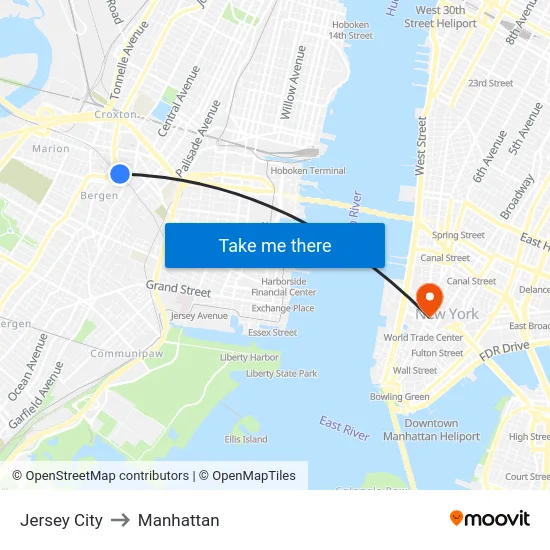
Driving is a prevalent way to traverse the distance between New York and New Jersey. The actual mileage can vary dramatically. For instance, the distance from a central point in Manhattan to a border town in Hudson County, New Jersey, such as Jersey City or Hoboken, can be as little as 5-10 miles, often covered in under 30 minutes outside of peak traffic. However, the perception of “far” is heavily influenced by the infamous traffic congestion characteristic of the region. The George Washington Bridge, a critical artery connecting Washington Heights in Manhattan to Fort Lee in New Jersey, can see travel times extend significantly during rush hour. Similarly, the Lincoln Tunnel and Holland Tunnel, which link Midtown Manhattan to Weehawken and Jersey City respectively, are often packed.
Beyond these immediate crossings, the distances expand. Traveling from New York City to the beaches of the Jersey Shore, like Atlantic City or Wildwood, is a longer undertaking, typically a drive of 60-100 miles, taking anywhere from 1.5 to 3 hours depending on traffic and the specific shore town. The Garden State Parkway and the New Jersey Turnpike are the main thoroughfares for such journeys. For those seeking to explore the more rural or mountainous regions of Northwestern New Jersey, such as Sussex County, the distance from New York City can stretch to over 70 miles, with travel times around 1.5 to 2 hours.
- Key Driving Routes:
- George Washington Bridge: Connects Upper Manhattan to Fort Lee, NJ.
- Lincoln Tunnel: Connects Midtown Manhattan to Weehawken, NJ.
- Holland Tunnel: Connects Downtown Manhattan to Jersey City, NJ.
- New Jersey Turnpike (I-95): A major north-south toll road in New Jersey, facilitating travel to various parts of the state.
- Garden State Parkway: Another significant north-south toll road, particularly popular for reaching the Jersey Shore.
The cost of driving also factors into the equation, with tolls on bridges and tunnels, as well as parking fees in New York City, contributing to the overall expense.
Public Transportation: A Seamless Network
For many, public transportation offers a more predictable and often less stressful way to navigate the distance between New York and New Jersey. The integrated transit systems are a testament to the region’s interconnectedness, making it feel much smaller than the geographical miles might suggest.
-
NJ Transit Rail: This is a cornerstone of commuter travel. Lines like the Northeast Corridor Line and the North Jersey Coast Line connect numerous New Jersey towns directly to major New York City hubs like Penn Station in Manhattan. For example, a train from Princeton to New York Penn Station covers approximately 55 miles and takes about an hour. Trenton, the state capital, is also well-connected, with train rides to New York Penn Station taking roughly 1 hour and 15 minutes for about 57 miles. Even towns further south, like Red Bank, are accessible within a 1-hour train ride, covering about 47 miles. The express trains offer a swift passage, making day trips from the suburbs into the city for a show at the Broadway Theatre District or a visit to Central Park entirely feasible.
-
PATH (Port Authority Trans-Hudson): This rapid transit system is specifically designed to link New Jersey directly to key points in Manhattan. It operates 24/7 and serves stations in Jersey City, Hoboken, and Newark with frequent service to World Trade Center and 33rd Street in New York City. The PATH train from Newark Penn Station to 33rd Street in Manhattan takes about 40-50 minutes, covering a distance of roughly 16 miles. From Hoboken Terminal, a major transit hub, it’s a mere 10-20 minute ride to Manhattan‘s west side, covering only a few miles. This makes exploring neighborhoods like Greenwich Village or attending an event at Madison Square Garden incredibly convenient for New Jersey residents.
-
NJ Transit Bus: A comprehensive network of bus routes complements the rail service, reaching destinations not directly served by trains. These buses connect suburban communities to train stations and also offer direct routes into New York City, particularly from areas in Northern New Jersey.
-
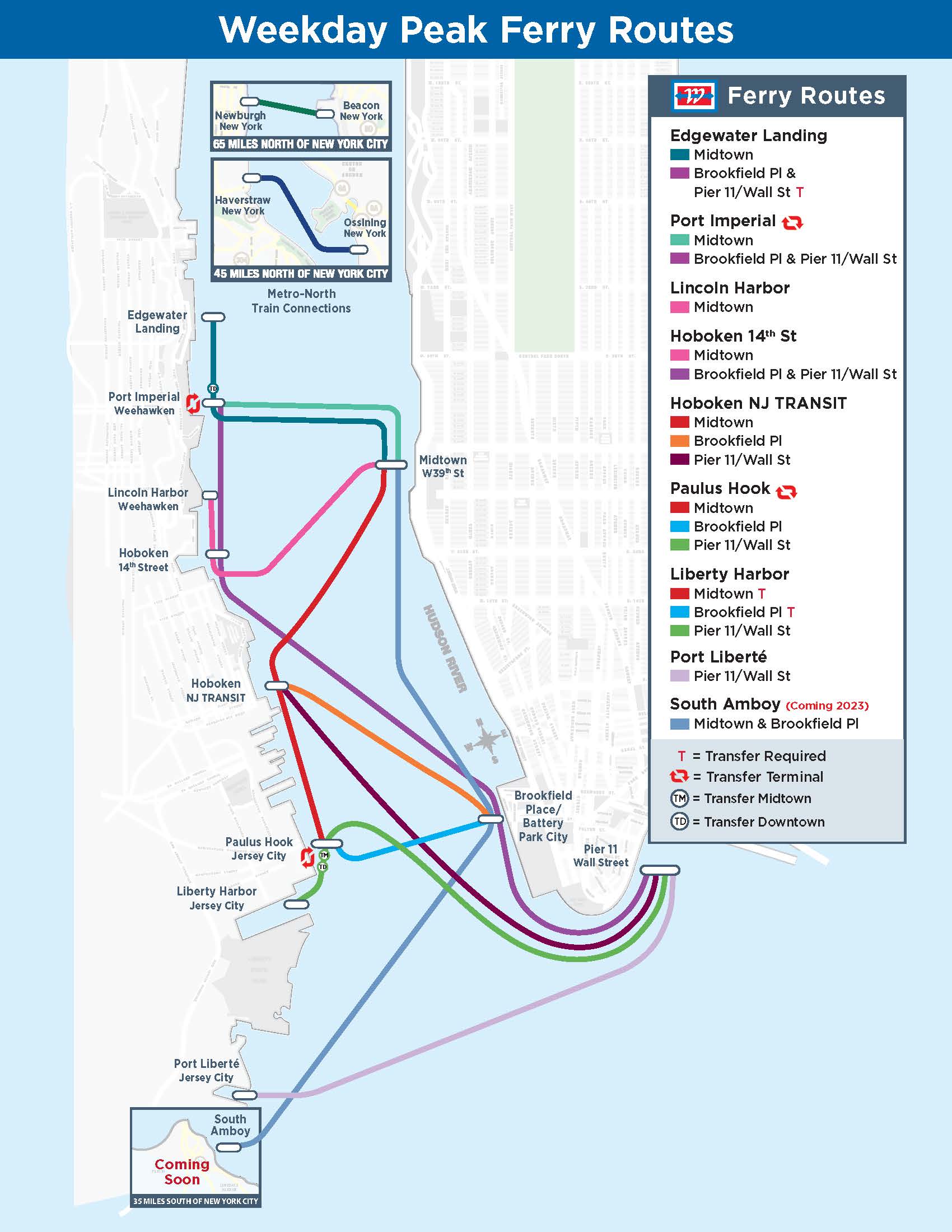
Ferry Services: For a scenic and often faster option, ferry services provide a unique perspective. Ferries operate from various points in New Jersey, including Hoboken, Jersey City, and Weehawken, across the Hudson River to destinations in Lower Manhattan and Midtown Manhattan. The journey across the river is typically short, around 15-30 minutes, offering stunning views of the Manhattan skyline and the Statue of Liberty.
The convenience of these public transport options means that the “distance” between many parts of New Jersey and New York City can feel negligible, transforming the entire region into a cohesive metropolitan experience.
Beyond the Commute: Exploring Destinations and Attractions
The question of “how far” also extends to the variety of attractions and experiences available across the state lines. New York and New Jersey offer a rich blend of urban excitement, natural beauty, historical significance, and cultural immersion, ensuring that no matter the distance, there’s always something new to discover.
Iconic Landmarks and Urban Wonders
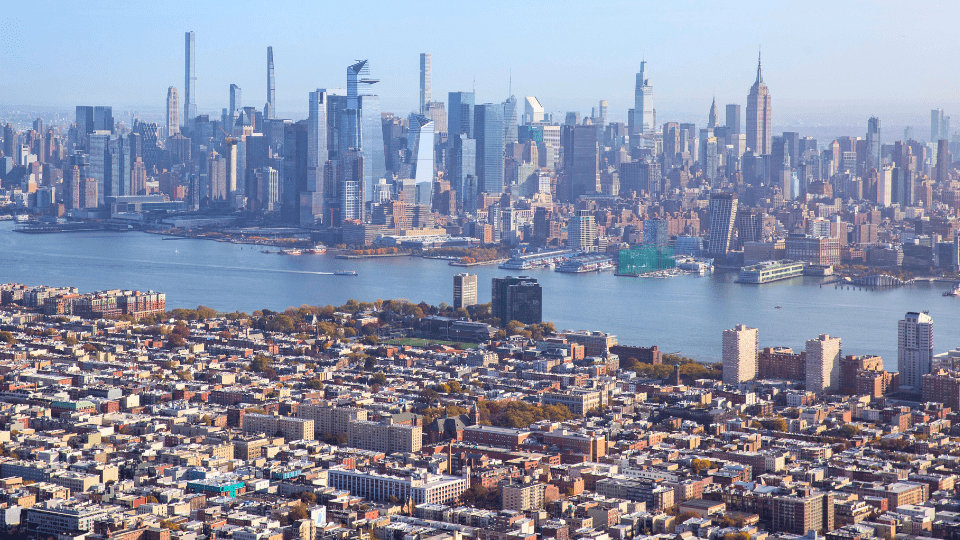
The most obvious draw is New York City itself, a global epicenter of culture, finance, and entertainment. Its landmarks are world-renowned: the architectural marvel of the Empire State Building, the vibrant energy of Times Square, the green oasis of Central Park, and the solemn remembrance at the 9/11 Memorial & Museum. Visitors can immerse themselves in the arts at the Metropolitan Museum of Art, catch a dazzling performance in the Broadway Theatre District, or explore the eclectic neighborhoods like SoHo and Greenwich Village.
However, New Jersey holds its own significant attractions that are easily accessible from New York City. Liberty State Park in Jersey City offers breathtaking views of the New York City skyline, the Statue of Liberty, and Ellis Island, serving as a departure point for boat tours to these historic sites. The park itself is a destination for recreation and reflection. Hoboken, with its charming brownstones and waterfront promenade, offers a vibrant urban village feel and a more relaxed atmosphere than its New York counterpart, yet it’s just a short PATH ride away.
For history buffs, New Jersey boasts sites like Morristown National Historical Park, the winter encampment site of General George Washington and the Continental Army during the American Revolutionary War, offering a deep dive into early American history. The Grounds For Sculpture in Hamilton is an expansive and innovative art park, presenting a unique outdoor exhibition space that is a testament to creative landscape design and artistic expression.
Natural Escapes and Coastal Retreats
While New York City is synonymous with skyscrapers, it also provides access to natural beauty. Long Island offers beaches, vineyards, and the historic grandeur of the Gilded Age mansions along the Gold Coast. Upstate New York, though further afield, provides opportunities for hiking in the Adirondack Mountains or exploring the scenic beauty of the Catskills.
New Jersey, often referred to as the “Garden State,” lives up to its name with a diverse natural landscape. The aforementioned Jersey Shore is a major draw, with miles of sandy beaches, lively boardwalks, and charming Victorian towns like Cape May. The Pine Barrens, a vast subtropical, temperate, and temperate rainforest ecosystem, offers unique hiking and outdoor adventure opportunities. Further inland, the Appalachian Trail winds through the scenic northwestern part of the state, providing challenging hikes and stunning vistas. Delaware Water Gap National Recreation Area, shared with Pennsylvania, offers dramatic scenery, hiking trails, and opportunities for boating and fishing.
The ease of travel between these two states means that a single trip can encompass the thrill of a New York City visit followed by a relaxing day at the beach in New Jersey, or a historical exploration in Morristown followed by an evening at a New York theater.
Accommodation: Finding Your Perfect Stay
The proximity of New York and New Jersey also means a vast and varied landscape of accommodation options, catering to every budget, travel style, and desired experience. Whether you’re looking for the luxury of a high-rise hotel in Manhattan, the charm of a bed and breakfast in a New Jersey historic town, or the practicality of a serviced apartment, you’ll find it within easy reach.
City Sophistication vs. Suburban Comfort
New York City is renowned for its unparalleled selection of hotels, from opulent five-star resorts in Midtown and Downtown to boutique hotels in trendy neighborhoods like SoHo and Chelsea. Staying directly in Manhattan offers immediate access to iconic attractions, world-class dining, and vibrant nightlife. However, the price point for accommodation in New York City can be quite high.
New Jersey presents a compelling alternative, often providing more affordable accommodation options with excellent transport links to New York City. Cities like Jersey City, Hoboken, and Newark offer a range of hotels, including major brands and independent establishments, many located conveniently near PATH train stations or NJ Transit hubs. This allows travelers to experience the energy of New York City while enjoying the potentially lower costs and different ambiance of New Jersey. For those seeking a more tranquil experience, charming inns and hotels can be found in picturesque towns throughout New Jersey, from the historic streets of Cape May to the rolling hills of Northwestern New Jersey.
-
Luxury Stays:
- The Plaza Hotel (New York)
- The St. Regis New York (New York)
- Ocean Casino Resort (Atlantic City, NJ)
-
Mid-Range Options:
- Numerous hotel chains like Marriott, Hilton, and Hyatt have properties in both states.
- Boutique hotels in areas like Hoboken or Greenwich Village often offer a unique charm.
-
Budget-Friendly Choices:
- Consider hotels further from the immediate city center in New Jersey or explore budget hotel chains.
- Hostels in New York City can be a cost-effective option for solo travelers or backpackers.
Extended Stays and Unique Experiences
For longer visits, whether for business or leisure, New Jersey often offers more economical options for apartments and extended-stay hotels, providing a home-away-from-home feel with greater space and amenities like full kitchens. These can be particularly appealing for families or those looking to explore the region at a more relaxed pace.
The unique offerings extend beyond traditional hotels. New Jersey‘s coastline features numerous beach towns with rental properties, from cozy cottages to larger beach houses, perfect for a summer vacation. The state’s rural areas also provide opportunities for farm stays or rentals in historic homes, offering a distinctly different lifestyle experience compared to the urban bustle.
Ultimately, the “distance” between New York and New Jersey is not a fixed number but a dynamic interplay of travel time, cost, and experience. The continuous development of transportation infrastructure, coupled with the diverse range of attractions and accommodation, makes the journey between these two powerful neighbors remarkably seamless, inviting exploration and discovery across a vast and vibrant region.
LifeOutOfTheBox is a participant in the Amazon Services LLC Associates Program, an affiliate advertising program designed to provide a means for sites to earn advertising fees by advertising and linking to Amazon.com. Amazon, the Amazon logo, AmazonSupply, and the AmazonSupply logo are trademarks of Amazon.com, Inc. or its affiliates. As an Amazon Associate we earn affiliate commissions from qualifying purchases.