
The iconic cross-country journey from the bustling metropolises of New York to the sun-drenched shores of Los Angeles is a quintessential American travel experience. Whether you’re drawn by the allure of Broadway or the glitz of Hollywood, this flight is a significant undertaking, often forming the backbone of many memorable trips. Understanding the typical flight duration is crucial for planning your itinerary, booking accommodation, and managing your expectations for the adventure ahead.
The flight time between New York and Los Angeles isn’t a single, fixed number. Several factors come into play, each capable of subtly or significantly altering the time you spend airborne. These variables range from the predictable nature of wind currents to the specific airline and aircraft you choose.
Understanding Flight Duration Factors
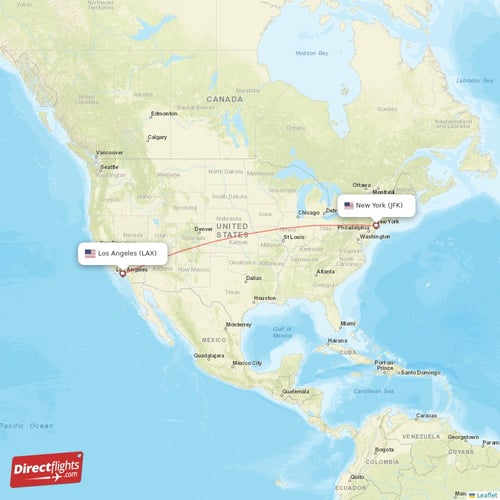
The primary determinants of how long your flight from New York to Los Angeles will take are the direction of travel, the specific route taken by the airline, the type of aircraft, and, to a lesser extent, air traffic control and weather conditions.
The Impact of Jet Streams and Wind Patterns
One of the most significant, yet often overlooked, factors influencing flight times across the continental United States is the presence of the jet stream. These high-altitude, fast-flowing air currents can dramatically affect the speed of an aircraft. When flying eastbound, from Los Angeles to New York, aircraft will often “ride” the jet stream, leading to shorter flight durations. Conversely, flying westbound, from New York to Los Angeles, planes often have to fly against these prevailing winds, requiring more effort and time to cover the same distance.
This phenomenon is why a flight from New York to Los Angeles is consistently longer than a flight in the opposite direction. The prevailing winds aloft are a powerful force, and airlines meticulously plan their routes to take advantage of tailwinds and mitigate headwinds, all to optimize fuel efficiency and arrival times.
Route Variations and Airspace Congestion
While the direct distance between New York and Los Angeles is a constant, the actual flight path can vary. Airlines select routes based on a complex interplay of factors including air traffic control assignments, weather forecasts, and the need to avoid restricted airspace. Sometimes, a slightly longer route might be chosen to avoid turbulent weather or to take advantage of more favorable wind conditions.
The airspace over the United States is highly regulated and busy. Air traffic controllers play a vital role in safely guiding aircraft, and their assignments can sometimes lead to aircraft taking more circuitous routes than a direct line would suggest. This is particularly true during peak travel times, when airspace can become congested, leading to potential delays on the ground or slight diversions in the air.
Aircraft Type and Performance
The specific model of aircraft used for a flight can also influence its duration. Larger, faster jets are capable of cruising at higher speeds and are less susceptible to minor fluctuations in wind speed compared to smaller aircraft. Airlines often use different aircraft types on the same route depending on demand and availability. While the difference might not be as dramatic as the impact of the jet stream, it can contribute to minor variations in flight time. Modern aircraft are designed for efficiency and speed, but subtle differences in their performance characteristics can still add or subtract a few minutes from the overall journey.
Time of Day and Day of Week Considerations
While not a direct factor in the flight time itself, the time of day and day of the week can indirectly influence your journey. Flights during peak hours, such as early morning or late afternoon, may experience more air traffic control holding patterns or slightly longer taxi times on the ground. Similarly, flying on a weekend might mean more competition for airspace.
Typical Flight Durations
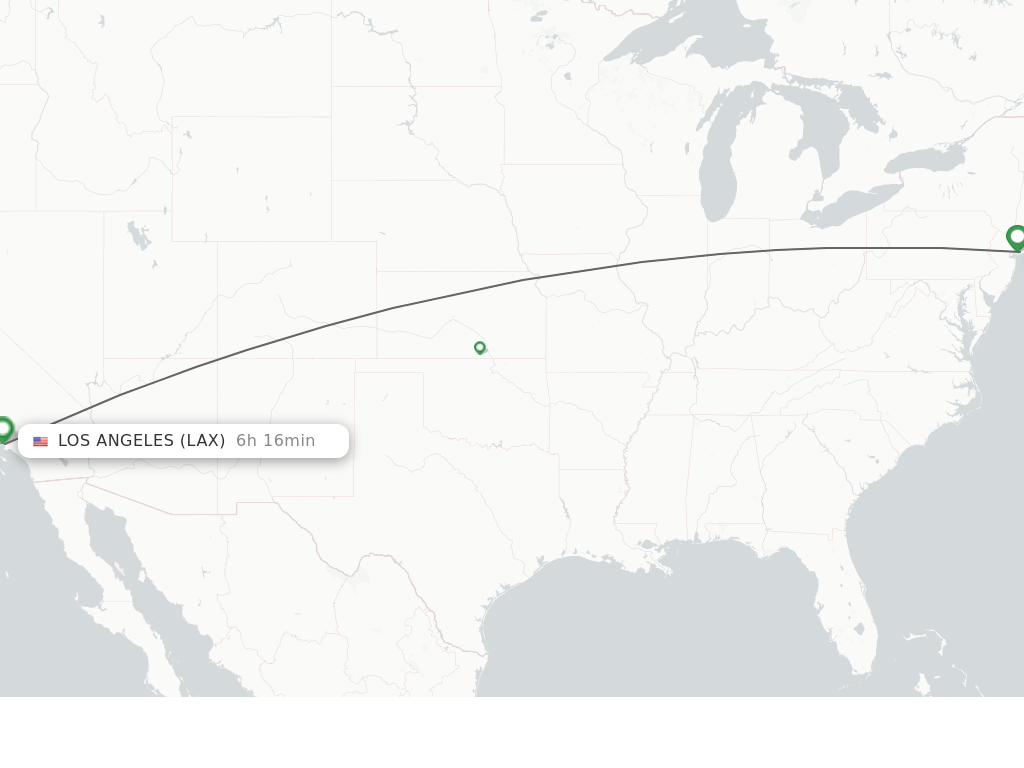
For the westbound journey from New York to Los Angeles, you can generally expect a flight duration of approximately 5.5 to 6.5 hours. This is the “wheels up” to “wheels down” time, not including time spent taxiing on the runway before takeoff or after landing. This duration is largely dictated by the need to fly against the prevailing headwinds.
Direct Flights vs. Flights with Layover
It’s essential to distinguish between direct flights and flights with layovers. The duration discussed above pertains to non-stop or direct flights. If your itinerary includes a stopover in another city, such as Denver or Chicago, your total travel time will be significantly longer. A flight with one layover could easily extend your total travel time to 8-10 hours or even more, depending on the length of the layover.
When searching for flights, always pay close attention to whether the listed duration is for a direct flight or includes layovers. For travelers prioritizing speed and efficiency, direct flights are the clear choice.
Factors Affecting Specific Flight Times
Beyond the general estimates, individual flight times can vary. For instance, a particular airline might have a slightly different route planned for a specific day due to updated weather forecasts or air traffic control instructions. Similarly, if there’s a bout of severe weather along the flight path, the pilot might need to take a detoured route to ensure passenger safety, which would inevitably add to the flight time.
Planning Your New York to Los Angeles Journey
Knowing the approximate flight duration is just one piece of the puzzle when planning your trip from New York to Los Angeles. Consider what this means for your overall travel experience, from the moment you leave your home in New York to the moment you check into your Los Angeles hotel.
Arriving in Los Angeles: What to Expect
Upon arrival at one of Los Angeles’ major airports, such as Los Angeles International Airport (LAX), Hollywood Burbank Airport (BUR), or Long Beach Airport (LGB), you’ll need to factor in time for deplaning, retrieving your luggage, and navigating your way to your final destination. LAX, in particular, is a sprawling airport known for its various terminals and sometimes lengthy baggage claim processes. Having a plan for ground transportation—whether it’s a pre-booked Los Angeles shuttle, a ride-sharing service, or a rental car—is highly recommended.
Accommodation and Activities in Los Angeles
Once you land in Los Angeles, your thoughts will naturally turn to your accommodation and the exciting experiences that await. If you’re staying in a luxury resort along the coast, like the Shutters on the Beach in Santa Monica, or a boutique hotel in the heart of West Hollywood, the travel time from the airport to your chosen hotel will be a significant factor in your first day’s schedule.
Consider your arrival time. If you’re landing in the late afternoon, you might only have time to check in, settle down, and perhaps enjoy a leisurely dinner. If you arrive earlier, you might be able to squeeze in a visit to a nearby attraction, like the Griffith Observatory for breathtaking city views, or a stroll along the Santa Monica Pier.
Making the Most of Your Trip
The flight itself, while a significant portion of your travel day, is merely the bridge between two incredible cities. New York offers an endless array of attractions, from the towering skyscrapers of Manhattan to the vibrant neighborhoods of Brooklyn. Similarly, Los Angeles boasts world-class theme parks like Disneyland, the historic Hollywood Walk of Fame, and the natural beauty of Malibu.
When planning your itinerary, allocate sufficient time for travel between these cities. Don’t try to pack too much into your arrival day. Allow for potential delays, get some rest on the plane, and prioritize experiencing the unique culture and attractions of Los Angeles at a comfortable pace. Whether you’re a luxury traveler seeking the finest amenities or a budget traveler looking for authentic local experiences, understanding the flight duration helps in setting realistic expectations and maximizing your enjoyment of this unforgettable journey.
LifeOutOfTheBox is a participant in the Amazon Services LLC Associates Program, an affiliate advertising program designed to provide a means for sites to earn advertising fees by advertising and linking to Amazon.com. Amazon, the Amazon logo, AmazonSupply, and the AmazonSupply logo are trademarks of Amazon.com, Inc. or its affiliates. As an Amazon Associate we earn affiliate commissions from qualifying purchases.