
Embarking on a new career path can feel like planning an epic journey, full of new destinations and exciting opportunities. For those dreaming of a flexible, rewarding career that can seamlessly integrate with a lifestyle of travel, exploration, and financial independence, obtaining a real estate license in Texas is a compelling adventure. The Lone Star State, known for its vast landscapes, booming economy, and diverse cultures, offers a unique backdrop for a real estate career that can be as dynamic as your wanderlust. Imagine a profession that allows you to work from stunning Texas Hill Country towns, vibrant urban centers like Austin or Dallas, or even remotely while on a travel expedition, all while building a substantial income. This guide will navigate you through the process of securing your real estate license in Texas, illustrating how this career can be your ticket to a lifestyle rich with travel, personal growth, and financial freedom.
Embarking on a New Journey: Why Texas Real Estate?
A real estate career in Texas is more than just buying and selling properties; it’s about connecting people with their dream homes, investment opportunities, and even vacation getaways. For the travel enthusiast, it presents an unparalleled opportunity to blend professional success with personal passions. The flexibility inherent in the role means you can often set your own schedule, opening doors for spontaneous trips, extended explorations, or simply more time enjoying the destinations you love, whether it’s a bustling city or a tranquil beachfront.
Eligibility: Your First Step Towards a Texas Adventure
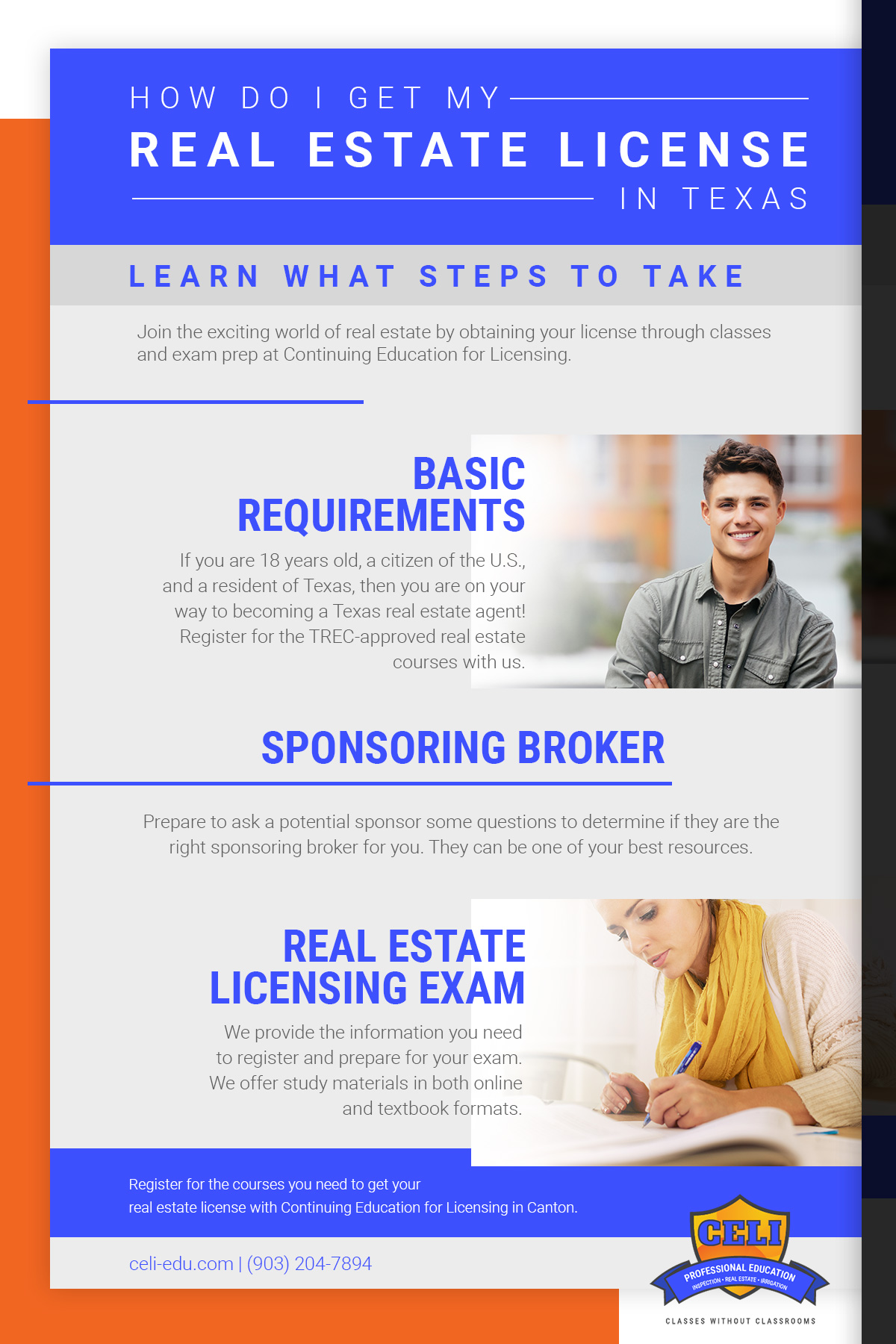
Before you can set sail on your real estate journey, you must meet the fundamental eligibility requirements set forth by the Texas Real Estate Commission (TREC). These foundational criteria ensure that all licensees uphold a standard of professionalism and integrity within the industry, crucial for a career that often involves significant financial transactions and client trust.
To be eligible, you must be:
- At least 18 years of age.
- A citizen of the United States or a lawfully admitted alien.
- A resident of Texas (though not explicitly required to apply, it’s implied for active practice).
Additionally, TREC requires applicants to meet specific honesty, trustworthiness, and integrity standards. This involves a background check, which is a critical step in maintaining public confidence in the real estate profession. Ensuring you meet these initial qualifications is your first move toward unlocking a career that can support a vibrant lifestyle, allowing you to fund future adventures and even invest in properties in sought-after travel destinations.
The Lure of the Lone Star State: Real Estate and Lifestyle Benefits
Texas is a land of superlatives: the second-largest state, home to some of the fastest-growing cities, and a diverse economic powerhouse. This environment creates a robust real estate market ripe with opportunities for savvy professionals. From the bustling tech corridors of Austin to the historic charm of San Antonio, the sprawling energy sector of Houston, and the cosmopolitan allure of Dallas, each region offers unique market dynamics and lifestyle appeals.
For those with a penchant for travel, a Texas real estate license can be incredibly liberating. Imagine advising clients on purchasing vacation homes in coastal gems like Galveston or South Padre Island, or helping investors find short-term rental properties in the scenic Texas Hill Country near Fredericksburg. The potential for high income in this thriving market can directly fund your “luxury travel” aspirations or enable “budget travel” by giving you the financial flexibility to choose your own pace and destinations. This career path isn’t just about earning a living; it’s about crafting a lifestyle where professional success fuels personal exploration and enjoyment of “destinations” far and wide.
Navigating the Path: Requirements and Education
Just as a traveler plans their itinerary, aspiring real estate agents must carefully chart their educational course. The educational requirements for a Texas real estate license are designed to equip you with the essential knowledge and skills needed to navigate the complexities of the market, ensuring you’re well-prepared for success.
Pre-Licensing Education: The Foundation for Success
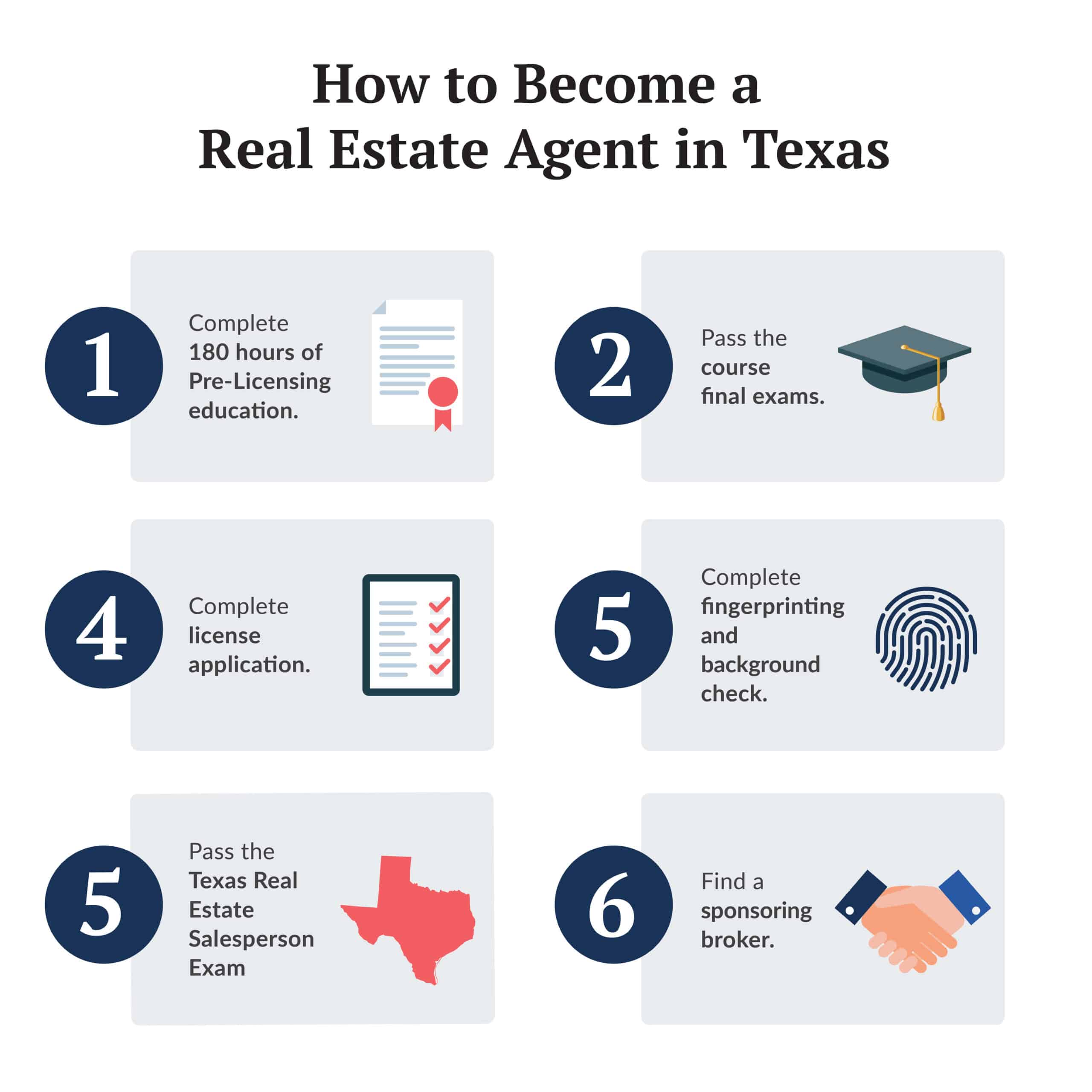
To obtain your Sales Agent license, TREC mandates 180 hours of pre-licensing education. This coursework covers the foundational principles and legal frameworks of real estate, providing a comprehensive understanding of the industry. The required courses include:
- Principles of Real Estate I (30 hours): Introduces fundamental concepts, laws, and regulations governing real estate.
- Principles of Real Estate II (30 hours): Continues with more advanced principles, including appraisal, finance, and property management.
- Law of Agency (30 hours): Focuses on the legal relationships between agents, brokers, and clients, emphasizing fiduciary duties.
- Law of Contracts (30 hours): Covers the essentials of real estate contracts, from offer to closing.
- Promulgated Contract Forms (30 hours): Familiarizes students with the specific contract forms approved and required by TREC.
- Real Estate Finance (30 hours): Explores financing options, loan types, and the financial aspects of real estate transactions.
This rigorous curriculum ensures you possess the expertise to confidently guide clients through what are often their most significant financial decisions. Understanding these nuances is especially important when dealing with “accommodation” types, whether it’s a family seeking a permanent residence or an investor eyeing [suites], [resorts], or [apartments] for short-term rental income.
Finding Your Educational Home: Online vs. In-Person
When it comes to completing your pre-licensing education, you have options that cater to various “lifestyle” preferences. Both online and in-person courses offer distinct advantages, allowing you to choose the learning environment that best suits your schedule and learning style.
Online Courses: For the aspiring agent who values flexibility and the ability to learn from anywhere, online courses are an ideal choice. This format allows you to study at your own pace, whether you’re at home, enjoying a coffee in a new city during a “business stay,” or even working through modules while traveling. Many reputable real estate schools offer comprehensive online programs that are TREC-approved, providing the convenience needed to balance education with other commitments, including travel plans. The ability to pause, review, and re-engage with content as needed is a significant benefit, especially for those who appreciate the autonomy often associated with a travel-focused lifestyle.
In-Person Classes: If you thrive in a structured environment and enjoy direct interaction with instructors and peers, traditional classroom settings may be more appealing. In-person classes offer immediate feedback, opportunities for networking, and a sense of community. This can be particularly beneficial for hands-on learners and those who prefer a dedicated learning space. While less flexible for extensive travel, in-person courses can provide a robust foundation and immediate answers to complex questions, mirroring the structured guidance often sought in a comprehensive travel guide.

No matter your choice, ensure that your chosen provider is fully accredited by TREC. Selecting the right educational home is a crucial step in preparing for a successful career that can facilitate your broader “lifestyle” goals, including extensive travel and exploration.
Your Ticket to Freedom: The Licensing Process
With your education complete, the next phase is the formal application and examination process – the ultimate gateway to your Texas real estate license. This series of steps, while administrative, is your “ticket” to the professional freedom and diverse opportunities that await.
The Application and Fingerprinting: Official Procedures
Once you’ve successfully completed all 180 hours of pre-licensing education, you’ll submit your application to TREC. This application officially declares your intent to become a licensed real estate agent in Texas. Along with your application, you’ll need to undergo a fingerprinting process for a mandatory background check. This security measure is standard practice across many professional licenses and underscores TREC’s commitment to protecting the public. The background check reviews your criminal history to ensure you meet the high standards of integrity required to handle significant financial transactions and client trust, particularly when dealing with properties that could be “long-term stay” investments or “villas” for international buyers. This step reinforces the professional aspect of the career, which ultimately enables the travel-friendly lifestyle.
Conquering the Exam: Preparing for Your Big Day
The final hurdle before licensure is passing the Texas Real Estate Sales Agent Exam. This challenging examination comprises two parts: a national portion covering general real estate principles and practices, and a state-specific portion focusing on Texas real estate law and practices.
To maximize your chances of success, comprehensive preparation is key:
- Review Course Material Thoroughly: Revisit all your pre-licensing course content, focusing on key terms, definitions, and legal concepts.
- Practice Exams: Utilize online practice tests and study guides. These tools simulate the exam environment and help identify areas where you need further study.
- Flashcards and Study Groups: Create flashcards for important terms and laws, and consider joining a study group to discuss challenging topics and reinforce learning.
- Understand TREC Rules: Pay close attention to the specifics of TREC regulations and promulgated forms, as these are heavily tested.
Passing the exam is a significant achievement, marking your readiness to professionally engage in the Texas real estate market. It signifies you possess the knowledge to confidently advise clients, whether they are buying a primary residence, an investment property, or even a vacation home in a popular tourist “destination.”
Broker Sponsorship: Your Professional Launchpad
Upon passing your exam, there’s one final step to activate your license: securing a sponsoring broker. In Texas, all licensed sales agents must be associated with an active real estate broker. Your broker will provide mentorship, guidance, office support, and crucial legal oversight, acting as your professional launchpad into the industry.
When choosing a broker, consider:
- Specialization: Does the brokerage specialize in residential, commercial, luxury, or investment properties? If your goal is to work with “accommodation” types like [hotels] or [resorts], or properties in tourist hotspots, find a broker with expertise in those niches.
- Training and Support: Look for a broker who offers robust training programs, continuing education opportunities, and ongoing support.
- Culture and Values: Find a brokerage whose culture aligns with your “lifestyle” and professional goals, especially if you envision a career that integrates travel. Some brokerages are more technologically advanced and supportive of remote work, which can be a huge benefit for a traveler.
- Location: While not always critical with remote work options, a well-located office can be beneficial for client meetings and local networking, particularly in key cities like Houston or San Antonio.
A good broker relationship is invaluable, providing the foundation for a successful and adaptable career that can perfectly complement a life enriched by “travel” and diverse experiences.
Beyond the License: Building a Thriving Career (and Lifestyle)
Obtaining your license is just the beginning. The true adventure lies in building a thriving career that not only meets your professional aspirations but also enhances your desired “lifestyle.” A career in Texas real estate offers ongoing growth, continuous learning, and boundless opportunities to integrate your love for travel and exploration into your daily work.
Continuing Education: Staying Sharp and Compliant
The learning doesn’t stop once you’ve earned your license. TREC mandates continuing education (CE) to ensure agents remain current with evolving laws, market trends, and best practices. For your first renewal, you’ll need to complete 90 hours of CE within your first two years of licensure. After that, you’ll need 18 hours every two years, including specific legal updates and ethics courses.
These CE requirements aren’t just a regulatory hurdle; they are opportunities for professional development that can directly support your travel-integrated lifestyle. Many CE courses are available online, allowing you to fulfill requirements from anywhere in the world. Furthermore, attending real estate conferences or specialized training sessions can double as “business stays” in exciting “destinations,” merging professional growth with personal travel. You might learn about new technologies for “booking” properties, innovative “accommodation” strategies, or even “tourism” trends that impact local markets, all while exploring a new city.
Real Estate as a Gateway to Travel and Investment
One of the most appealing aspects of a real estate career is the inherent flexibility it offers. Modern technology enables many aspects of the business to be managed remotely, meaning you’re not always tied to a physical office. This allows for a “lifestyle” where you can manage listings, communicate with clients, and even close deals while traveling, provided you have a reliable internet connection.
Consider the possibilities:
- Remote Work: Work from a cozy cabin in the Texas Hill Country, a beachfront condo in Galveston, or an apartment in a foreign city.
- Investment Opportunities: Your expertise can lead you to personally invest in properties that serve as “long-term stay” rentals, “suites” for corporate travelers, or even “villas” in vacation hotspots. Understanding the market can help you identify profitable “accommodation” ventures, turning your travel experiences into investment opportunities.
- Destination Specialization: Become an expert in vacation home markets, catering to clients seeking properties in popular “tourist” areas. This allows you to combine your love for specific “destinations” with your professional skills, advising on the best “attractions” and “local culture” that enhance property value.
This fusion of career and travel offers a unique path to financial independence and personal fulfillment, aligning perfectly with the ethos of a life “out of the box.”
Exploring Texas’s Diverse Real Estate Markets
Texas’s sheer size and diversity mean its real estate markets are anything but uniform. Each major city and region offers distinct opportunities and challenges, making local market knowledge a key asset for any successful agent. Understanding these diverse markets is not just about sales; it’s about appreciating the “local culture,” “food,” and “activities” that make each area unique, which is essential when advising clients, especially those relocating or seeking investment properties.
- Austin: A tech boomtown and cultural hub, Austin boasts a vibrant music scene, thriving job market, and a youthful demographic. Real estate here often focuses on modern homes, condos, and investment properties catering to tech professionals and a dynamic urban “lifestyle.” Austin’s unique “landmarks” and “attractions” add to its appeal.
- San Antonio: Rich in history and charm, San Antonio is home to the iconic River Walk and The Alamo. Its market is driven by military presence, strong tourism, and a family-friendly atmosphere. Opportunities abound in historic homes, new builds, and properties that appeal to those seeking a strong sense of community and cultural immersion.
- Houston: As the energy capital and a global city, Houston offers a diverse market from sprawling suburban communities to high-rise urban living. The market is influenced by its robust energy, medical, and aerospace sectors. Agents here might specialize in luxury homes, commercial properties, or homes near major employment hubs like the Space Center Houston.
- Dallas: A hub for business, fashion, and luxury, Dallas presents a dynamic market with high-end residential properties, extensive commercial developments, and an affluent buyer base. The city’s sophisticated “lifestyle” and thriving economy offer significant opportunities for agents specializing in upscale properties and investment portfolios.
- Galveston and South Padre Island: These coastal “destinations” offer markets centered around tourism, vacation homes, and short-term rentals. Agents here often become experts in waterfront properties, investment analysis for rental income, and understanding the ebb and flow of tourist seasons, essential knowledge for “accommodation” providers.
- Texas Hill Country: Known for its scenic beauty, wineries, and outdoor activities, the Hill Country appeals to those seeking a quieter “lifestyle,” second homes, or retirement properties. Towns like Fredericksburg are popular for their unique blend of German heritage, wine “tourism,” and charm.
By delving into these varied markets, you not only expand your professional expertise but also gain a deeper appreciation for the multifaceted beauty and opportunities within Texas, truly living a life where work and exploration intertwine.
Obtaining your real estate license in Texas is a strategic move for anyone seeking a career that offers both substantial financial rewards and the ultimate freedom to travel and live life on your own terms. It’s a commitment, undoubtedly, but one that paves the way for a “lifestyle” where every new destination, every unique “accommodation,” and every cultural “attraction” can enrich not just your personal life, but also your professional journey. Take the first step, embark on this exciting adventure, and unlock a world of possibilities where your career is truly “out of the box.”
LifeOutOfTheBox is a participant in the Amazon Services LLC Associates Program, an affiliate advertising program designed to provide a means for sites to earn advertising fees by advertising and linking to Amazon.com. Amazon, the Amazon logo, AmazonSupply, and the AmazonSupply logo are trademarks of Amazon.com, Inc. or its affiliates. As an Amazon Associate we earn affiliate commissions from qualifying purchases.