
Embarking on a journey from the bustling metropolis of New York to the enchanting landscapes of Thailand is a dream for many, promising an escape filled with vibrant culture, breathtaking scenery, and exquisite cuisine. However, before you can set foot on the golden sands of Phuket or wander through the ancient temples of Chiang Mai, the significant flight duration is a crucial factor to consider. Understanding the intricacies of this transcontinental voyage will help you prepare adequately, pack wisely, and maximize your travel experience from the moment you leave the United States.
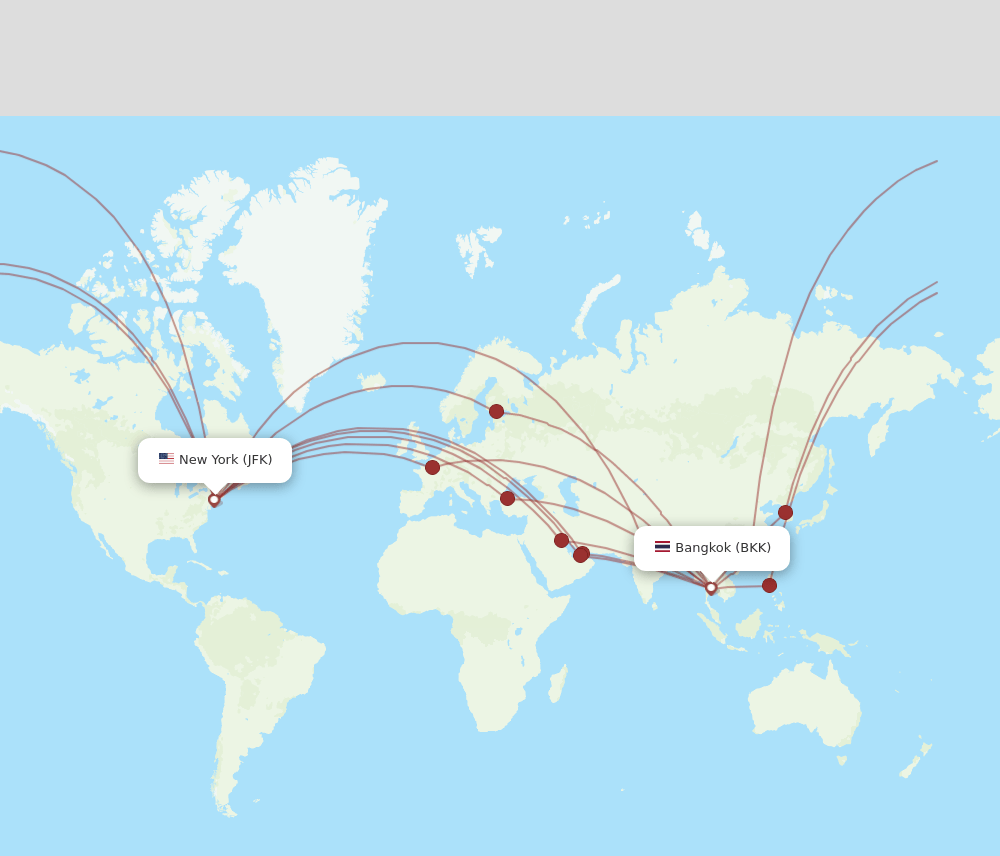
The question of “How Long Is A Flight To Thailand From New York?” doesn’t have a single, definitive answer. It’s a complex equation influenced by several variables, primarily the presence or absence of layovers. Direct flights, while the most convenient, are rare on this route. Therefore, most travelers will experience at least one stopover, significantly extending the overall travel time. This article will delve into the typical flight durations, explore the factors that contribute to these times, and offer insights into making your long-haul journey as comfortable and enjoyable as possible, drawing upon the diverse offerings of destinations, accommodations, tourism, and lifestyle experiences that Thailand has to offer.
Understanding Flight Durations: Direct vs. Connecting Flights
When planning a trip from New York to Thailand, the distinction between direct flights and those with layovers is paramount in determining your total travel time. The vast geographical distance separating these two points on the globe means that non-stop flights are exceptionally uncommon.
The Rarity of Direct Flights
For travelers seeking the quickest route, the absence of direct flights is a significant consideration. While airlines constantly adjust their routes based on demand and operational feasibility, a non-stop journey from New York City to major Thai hubs like Bangkok is virtually non-existent. This is due to the sheer distance—approximately 8,000 miles—and the logistical challenges involved in operating such an ultra-long-haul service consistently. The few instances where direct flights might have been available historically were often temporary promotional services or were phased out due to economic viability. Therefore, for all practical purposes, assume your journey will involve at least one, and often two, connecting flights.
The Reality of Connecting Flights
Connecting flights are the standard for travel between New York and Thailand. These flights involve a stopover in a different city, where you will disembark, potentially change planes, and then continue your journey to your final destination in Thailand. The duration of these connecting flights can vary dramatically, but a general estimation is as follows:
- Minimum Total Travel Time: Even with a very efficient layover, the shortest possible journey from New York to Bangkok typically ranges from 20 to 24 hours. This often involves two legs of flying, with a layover of a few hours in a major hub.
- Average Total Travel Time: A more common travel time falls between 24 and 30 hours. This allows for slightly longer layovers, which can sometimes be beneficial for stretching your legs or grabbing a meal.
- Extended Travel Time: Journeys with longer layovers or multiple stops can easily extend to 30 hours or more, sometimes even approaching 40 hours. This is particularly true if your connecting city is not a primary hub for Thailand-bound flights or if you have a lengthy layover to avoid missing your next flight.
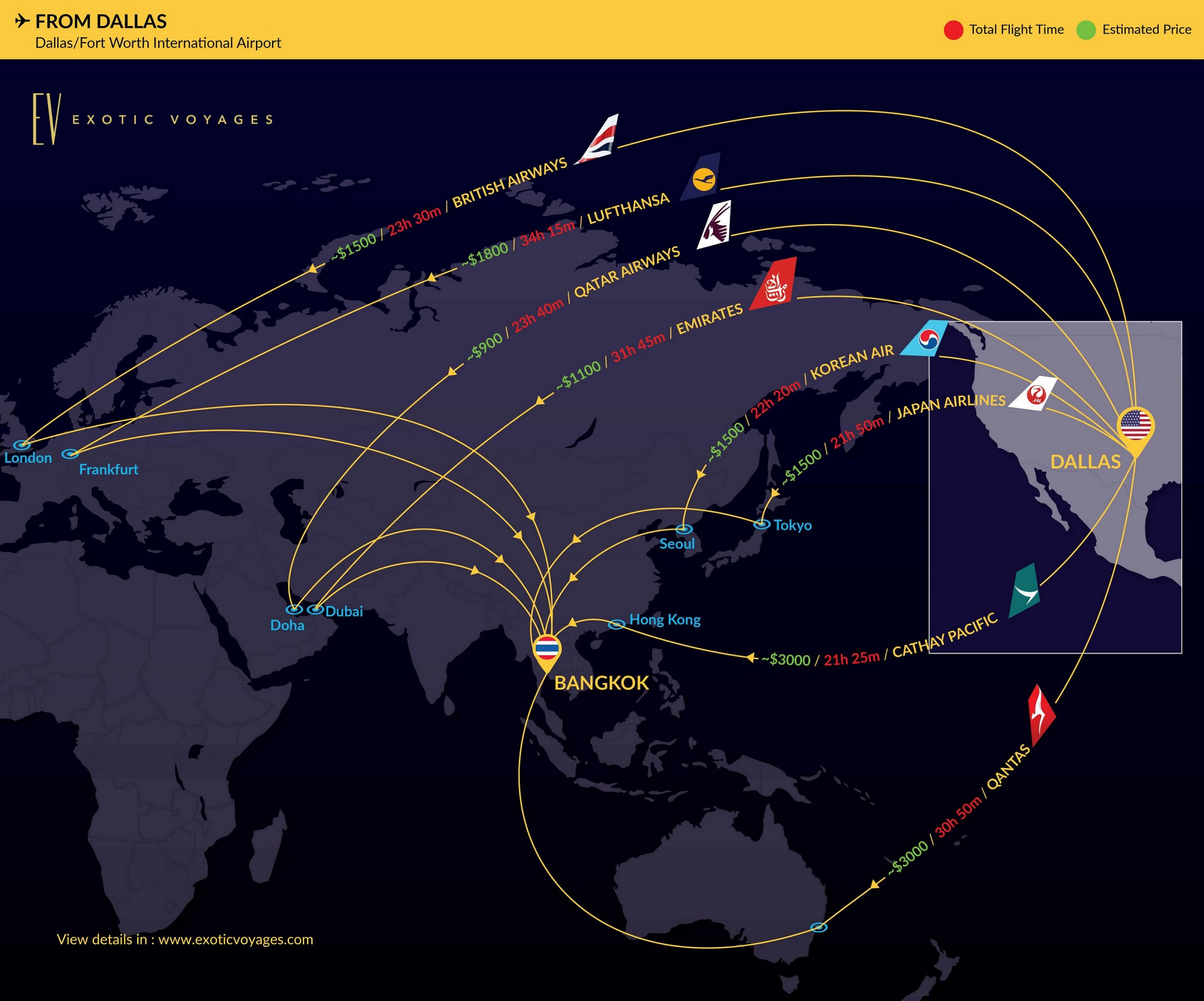
The layover city itself plays a significant role. Common connection points include cities in the Middle East such as Doha (served by Qatar Airways) or Dubai (served by Emirates), or in Europe like London, Amsterdam, or Frankfurt. The airline you choose will dictate the most probable layover city. For instance, flying with Thai Airways might involve a stop in Europe, while flying with carriers from the Middle East will lead you through their respective hubs.
Factors Influencing Flight Duration
Beyond the fundamental choice between direct and connecting flights, several other factors contribute to the overall time your journey will take from New York to Thailand. Understanding these elements can help you make more informed booking decisions and manage your expectations for the travel experience.
Layover Cities and Duration
As previously mentioned, the choice of layover city is a primary determinant of flight time. Major international hubs often offer more flight options and potentially shorter layovers. However, even within a single city, the time spent on the ground can vary significantly.
- Short Layovers (1-3 hours): These are ideal for minimizing total travel time but carry a higher risk of missing your connecting flight due to delays or gate changes. They often require a swift transition through the airport.
- Medium Layovers (3-6 hours): This offers a more comfortable buffer for transit, allowing time for a quick meal, some duty-free shopping, or simply a chance to relax before the next flight. Some travelers might even use this time to explore a bit of the layover city if visa regulations permit and the airport is conveniently located.
- Long Layovers (6+ hours): While seemingly arduous, long layovers can be an opportunity to break up the journey. Some airlines allow for extended stopovers, which can be incorporated into a “stopover tour” of a city like Doha or Dubai, effectively turning your transit into a mini-vacation. This approach can be particularly appealing for those who appreciate experiencing new cultures and landmarks along their route.
The efficiency of the connecting airport is also a factor. Airports with well-organized transit processes and clear signage will make a short layover feel less rushed, while less efficient terminals can make even a medium layover feel stressful.
Airline Choice and Route Network

Different airlines operate on varying routes and have established networks that influence flight times. Airlines based in the Middle East often offer competitive pricing and convenient flight schedules for journeys to Asia. For example, a flight from New York to Bangkok via Doha with Qatar Airways might have a different total duration than a flight via Amsterdam with KLM.
When comparing flight options, pay close attention to:
- Total Scheduled Time: This includes flight time and layover duration.
- Number of Stops: Two stops will almost always result in a longer journey than one.
- Airline Alliances: Flights within the same airline alliance (e.g., Star Alliance, OneWorld) might offer smoother connections.
Time of Day and Day of Week
While less impactful than layover strategy, the time of day you depart and the day of the week can subtly influence flight duration. Flights departing during peak travel times might have more robust schedules with potentially tighter connections. Conversely, opting for flights during off-peak hours could sometimes lead to longer wait times but potentially lower fares. Booking your flight on a weekday might sometimes yield different layover options compared to weekend travel.
Potential for Delays
Inherent in any air travel, but especially on long-haul routes with multiple segments, is the possibility of delays. Weather conditions, air traffic control, mechanical issues, or late arrival of the inbound aircraft can all contribute to delays at any point of your journey. While not a factor that can be controlled in booking, it’s a reality to be mentally prepared for. A longer layover can provide a helpful buffer against minor delays, whereas a short, tight connection becomes much more problematic if the first flight is even slightly late.
Maximizing Your Journey: Comfort and Preparation for the Long Haul
A flight from New York to Thailand is a significant undertaking, often involving extended periods in the air. To ensure your comfort and arrive in Thailand feeling refreshed and ready to explore, meticulous preparation and a strategic approach to managing the journey are key. This involves not only the practical aspects of packing and entertainment but also making informed choices about your travel experience, from the cabin class you select to how you utilize your layover time.
In-Flight Comfort and Entertainment
Making the most of your time in the air is crucial for a positive long-haul experience. Modern aircraft are equipped with advanced amenities designed to enhance passenger comfort and provide entertainment options.
- Seating: Consider investing in premium economy or business class if your budget allows. The extra legroom, wider seats, and enhanced recline can make a substantial difference over 20+ hours of travel. Even in economy, choosing an aisle seat can provide a bit more freedom to move around. Many airlines now offer seat selection services, sometimes for a fee, allowing you to pick your preferred spot in advance.
- In-Flight Entertainment Systems: Most international flights are equipped with personal seat-back screens offering a wide selection of movies, TV shows, music, and games. It’s wise to also bring your own entertainment, such as downloaded content on your tablet or e-reader, as personal preferences vary, and relying solely on the in-flight system can sometimes be limiting.
- Comfort Items: Pack essentials to create your personal comfort zone. This includes a travel pillow, a blanket or a warm scarf, comfortable clothing (layers are recommended as cabin temperatures can fluctuate), noise-canceling headphones, and an eye mask. Staying hydrated is vital; while airlines provide water, bringing your own reusable water bottle can be convenient once you’re past security.
- Jet Lag Management: Start adjusting your sleep schedule a few days before your departure. Upon boarding, try to align your sleep with the destination’s time zone. Avoid excessive alcohol and caffeine, and consider light therapy or melatonin if recommended by a healthcare professional.
Utilizing Layover Time Effectively
As most journeys involve layovers, these periods can be transformed from mere waiting times into opportunities.
- Airport Amenities: Major international airports typically offer a range of amenities. Take advantage of them: explore the shops, enjoy a meal at a restaurant rather than relying on airline food, or find a quiet lounge to relax. Many airports have designated relaxation areas, prayer rooms, or even spas.
- Short City Excursions: If you have a layover of 8 hours or more in a city like Seoul, Hong Kong, or even Istanbul, and your visa allows, consider a brief excursion into the city. Many airports offer organized short tours or have efficient public transport links to nearby attractions. This can be a fantastic way to add an unexpected highlight to your trip, glimpsing famous landmarks like the Hagia Sophia or enjoying local delicacies. Always ensure you allow ample time to return to the airport for your connecting flight.
- Airport Lounges: For a more comfortable and productive layover, consider purchasing a day pass for an airport lounge. These offer amenities like comfortable seating, complimentary food and beverages, Wi-Fi, and often shower facilities, providing a sanctuary from the bustle of the main terminal.
Preparing for Arrival in Thailand
Your journey to Thailand is an investment in incredible experiences, from the vibrant street life of Bangkok to the serene beaches of Koh Lanta.
- Accommodation: Whether you’re looking for a luxurious resort in Phuket, a charming boutique hotel in Chiang Mai, or an apartment for a longer stay in Pattaya, booking your accommodation in advance is highly recommended. Websites offering hotel comparisons and reviews can be invaluable in finding the perfect place.
- Activities and Attractions: Research popular attractions like the Grand Palace in Bangkok or the ancient ruins of Ayutthaya. Consider booking tours in advance, especially for popular activities.
- Local Culture and Etiquette: Familiarize yourself with basic Thai phrases and customs. Understanding local etiquette, such as removing your shoes before entering homes or temples and dressing modestly when visiting religious sites, will enhance your interactions and ensure a respectful visit.
- Budget and Currency: Have an idea of your budget for your stay, from daily expenses to souvenir shopping. Familiarize yourself with the Thai Baht and consider how you’ll manage your finances, whether through cash, credit cards, or traveler’s checks.
By thoughtfully planning your flight, leveraging layover opportunities, and preparing for your arrival, your journey from New York to the captivating beauty of Thailand can be as enjoyable and enriching as the destination itself.
LifeOutOfTheBox is a participant in the Amazon Services LLC Associates Program, an affiliate advertising program designed to provide a means for sites to earn advertising fees by advertising and linking to Amazon.com. Amazon, the Amazon logo, AmazonSupply, and the AmazonSupply logo are trademarks of Amazon.com, Inc. or its affiliates. As an Amazon Associate we earn affiliate commissions from qualifying purchases.