
The allure of the “Big Apple” has captivated travelers for generations, and for many in the United Kingdom, the journey begins with a flight from London to New York City. This transatlantic voyage, while seemingly straightforward, involves a multitude of factors that influence its duration. Understanding these elements is key to planning your trip, whether you’re seeking a whirlwind business stay or an extended exploration of New York as part of a broader travel itinerary.
The most common question potential travelers have is, “How long is the flight to New York from London?” The answer, while seemingly simple, is subject to a range of variables. On average, a direct flight between these two global hubs typically spans between 7 to 8 hours. However, this figure can fluctuate due to several significant factors, including wind speed, aircraft type, and the specific flight path taken. For instance, flights traveling west from London to New York often encounter headwinds, which can extend the flight time. Conversely, the return journey, flying east, benefits from tailwinds, often resulting in a slightly shorter duration.
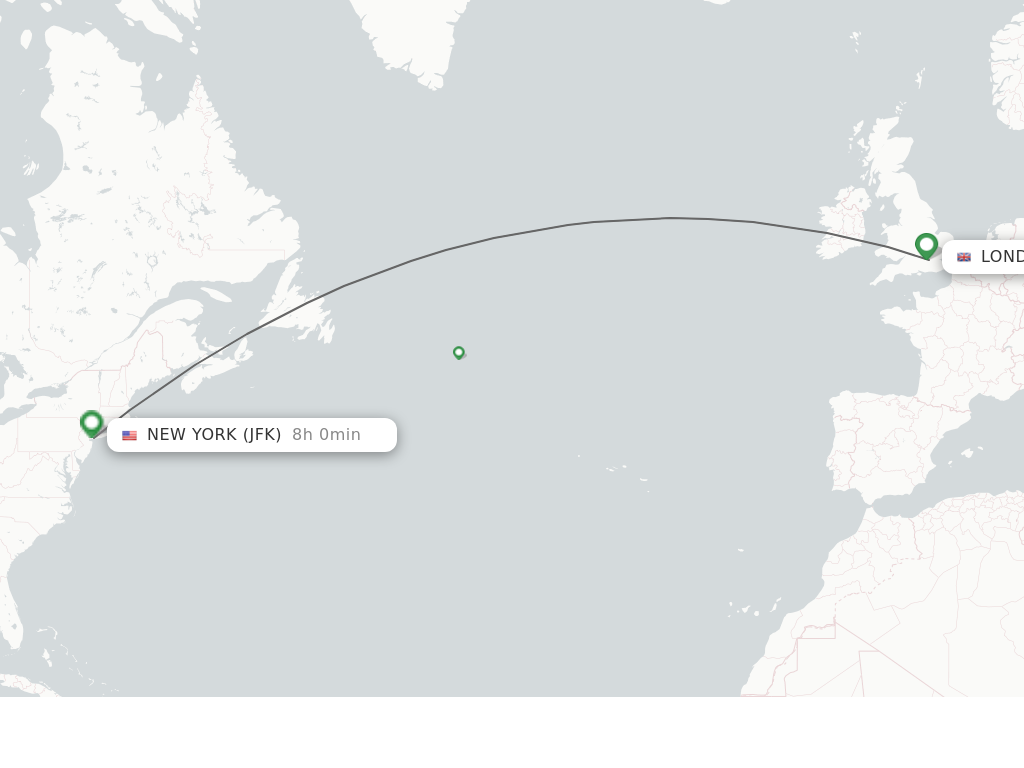
When considering your travel plans, it’s also important to factor in the time difference between London and New York. New York is five hours behind London, meaning that a flight departing London in the afternoon will arrive in New York in the evening of the same day, despite the flight duration. This temporal shift can have a significant impact on your first day in the city, requiring adjustments to accommodate jet lag and making the most of your arrival time.
Factors Influencing Flight Duration
The seemingly simple question of flight duration is, in reality, a complex interplay of atmospheric conditions, technological capabilities, and logistical decisions. Beyond the most obvious factor of distance, several other elements contribute to the time it takes to traverse the Atlantic.
Jet Streams and Wind Speed
One of the most significant natural phenomena influencing flight times across the North Atlantic is the presence of jet streams. These fast-flowing, narrow air currents are located in the Earth’s upper atmosphere. For flights traveling eastbound from New York to London, pilots can often utilize these tailwinds to their advantage, effectively shortening the flight duration. This is why the return journey is often quicker.
Conversely, westbound flights from London to New York frequently contend with headwinds. These opposing air currents can significantly increase the time spent in the air, pushing the flight duration towards the longer end of the average spectrum. The strength and precise location of these jet streams can vary daily, making flight times dynamic. Airlines constantly monitor weather patterns to optimize flight paths, balancing fuel efficiency with the need to arrive at the scheduled time. This continuous adaptation means that even on identical routes on consecutive days, flight times can differ by as much as 30 minutes to an hour.
Aircraft Type and Performance
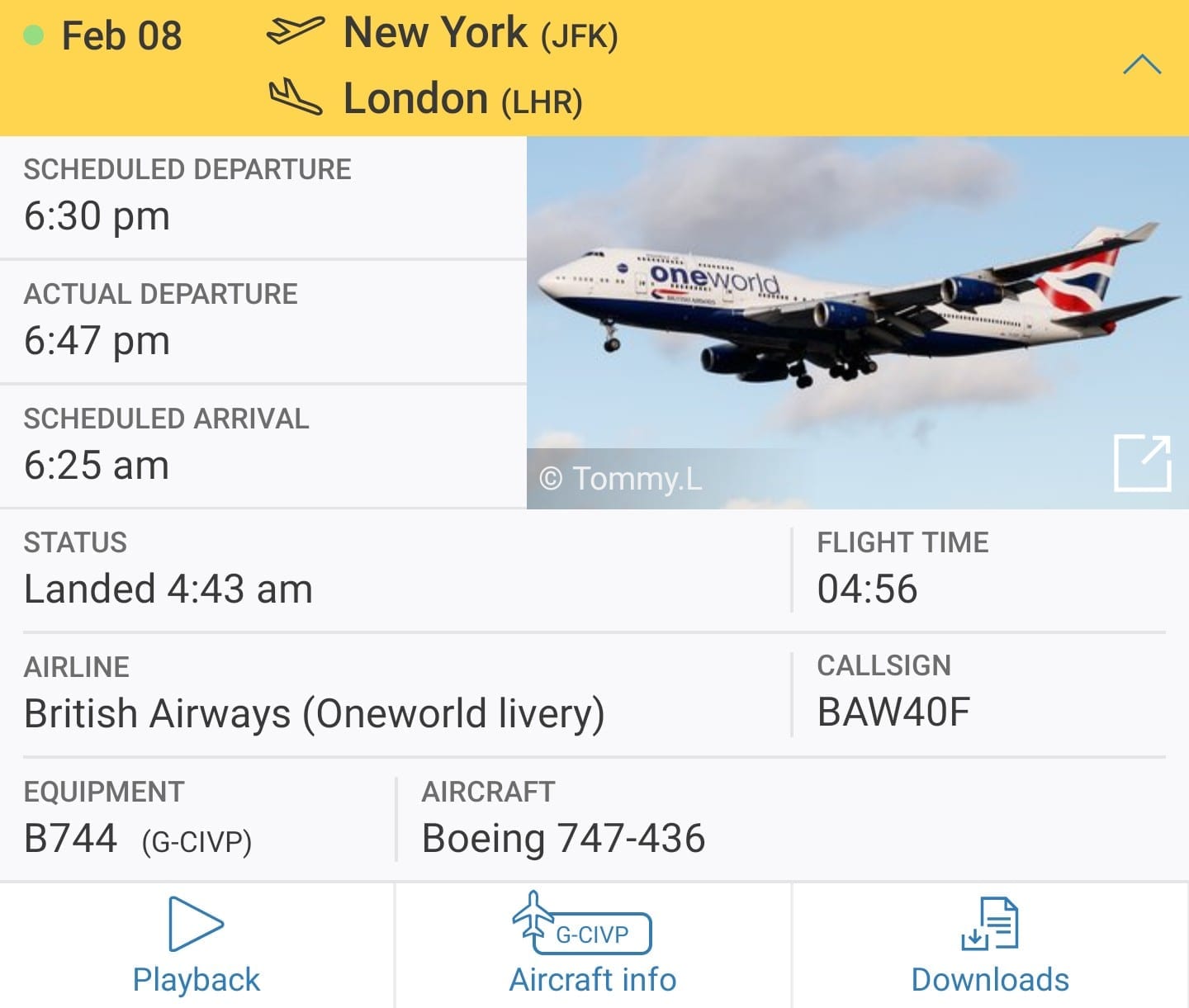
The specific aircraft used for the route also plays a role. Modern, long-haul aircraft are designed for efficiency and speed. Larger planes, such as the Boeing 747 or Airbus A380 (though less common on this specific route now), might have different cruising speeds and fuel consumption profiles compared to more contemporary models like the Boeing 777 or Airbus A350. While the difference in cruising speed between these modern jets might seem minimal, over the vast distance of the Atlantic, it can translate into a noticeable variation in arrival times.
Furthermore, factors like aircraft weight, which is influenced by the number of passengers and the amount of cargo, can subtly affect fuel efficiency and, consequently, the optimal cruising speed. Airlines also consider the age and maintenance of their fleet when scheduling flights, as older aircraft might be slightly less fuel-efficient or have different performance capabilities.
Flight Path and Air Traffic Control
While the most direct route between London and New York is a great circle route, actual flight paths are not always perfectly straight lines. Air traffic control (ATC) plays a crucial role in managing the airspace for countless aircraft. Factors such as weather patterns (e.g., avoiding thunderstorms), avoiding other busy air corridors, and optimizing fuel usage for the aircraft all influence the chosen route.
At times, ATC might direct aircraft to fly slightly longer paths to maintain safe separation from other planes, especially during peak travel periods. This can add minutes, and sometimes even longer, to the overall flight time. The coordination between different national ATC bodies, such as UK air traffic services and US Federal Aviation Administration (FAA), is a complex ballet that ensures safety but can also impact the most direct journey.
Preparing for Your Flight and Arrival
Understanding the nuances of flight duration is just the first step in planning your transatlantic adventure. Proper preparation can significantly enhance your travel experience, from the moment you book your tickets to your arrival in the vibrant streets of New York.
Booking and Choosing Your Flight

When booking your flight, consider the time of day and day of the week. Red-eye flights, departing late at night from London, are a popular choice for maximizing daylight hours upon arrival in New York. These flights often benefit from generally calmer air conditions overnight. However, they can also be more challenging for sleeping passengers.
Direct flights are generally preferred for their convenience and efficiency, eliminating the time and potential stress of layovers. Major airlines operating this route include British Airways, Virgin Atlantic, and United Airlines, among others. When comparing options, pay attention to the scheduled departure and arrival times, as well as the aircraft type if passenger comfort and amenities are a priority. Budget travelers might consider airlines that offer more basic services, but it’s crucial to weigh the cost savings against potential comfort differences on a flight of this length.
Navigating Airports and Immigration
London has several major airports, with Heathrow Airport (LHR) and Gatwick Airport (LGW) being the most common departure points for flights to New York. Arriving at the airport with ample time is paramount, especially for international travel. For flights to the United States, it is often recommended to arrive at least three hours before your scheduled departure. This allows sufficient time for check-in, baggage drop, security screening, and reaching your departure gate.
Upon arrival in New York, you will land at one of the city’s major airports: John F. Kennedy International Airport (JFK), LaGuardia Airport (LGA), or Newark Liberty International Airport (EWR) (which is technically in New Jersey but serves the New York metropolitan area). Immigration and customs procedures can vary in length depending on the time of day and the number of flights arriving concurrently. Having your travel documents, including your passport and any necessary visas or ESTA documentation, readily accessible will expedite the process.
Adjusting to the Time Difference and Jet Lag
The five-hour time difference between London and New York is a significant factor to consider. To combat jet lag, it’s advisable to start adjusting your sleep schedule a few days before your departure. Once you arrive in New York, try to expose yourself to natural daylight as much as possible and avoid napping for extended periods during the day. Staying hydrated and limiting caffeine and alcohol intake, especially on the flight, can also help alleviate the symptoms of jet lag, allowing you to fully immerse yourself in the tourism and experiences that New York City has to offer.
Beyond the Flight: Experiencing New York City
Once you’ve landed and settled into your chosen accommodation, the real adventure of exploring New York City begins. The city is a tapestry of iconic landmarks, diverse attractions, and a pulsating lifestyle that caters to every interest and budget.
Iconic Landmarks and Attractions
New York is home to some of the world’s most recognizable landmarks. A visit to the Statue of Liberty and Ellis Island offers a historical perspective on immigration and the American dream. The Empire State Building and the newly constructed One World Observatory provide breathtaking panoramic views of the cityscape. No trip to New York would be complete without a stroll through Central Park, an urban oasis offering respite from the bustling streets.
Beyond these well-known sights, New York boasts world-class museums such as the Metropolitan Museum of Art and the Museum of Modern Art (MoMA). The vibrant energy of Times Square at night, the historic charm of Greenwich Village, and the artistic hub of SoHo all offer unique experiences. For those interested in performing arts, a Broadway show is an unforgettable experience.
Culinary Delights and Local Culture
New York City is a melting pot of cultures, reflected in its incredibly diverse culinary scene. From street food vendors selling hot dogs and pretzels to Michelin-starred restaurants, there’s something to satisfy every palate and budget. Exploring different neighborhoods reveals unique culinary traditions, from authentic Italian eateries in Little Italy to vibrant Chinese cuisine in Chinatown. Don’t miss trying a classic New York bagel or a slice of New York-style pizza.
The local culture is as varied as its food. Engaging with local artists, attending live music performances, or simply observing the daily life in different boroughs provides a deeper understanding of what makes New York so dynamic. The city’s tourism sector is well-developed, with numerous guides and tours available to help you navigate its complexities.
Accommodation and Lifestyle Choices
When it comes to accommodation, New York offers a vast array of options, catering to every conceivable need and preference. Luxury travelers can indulge in opulent suites and world-class resorts like the Plaza Hotel or the St. Regis New York. For those seeking more privacy or a home-away-from-home feel, apartments and villas can be found, particularly for long-term stays.
Budget-conscious travelers can find numerous hotels and hostels that offer comfortable stays without breaking the bank. The availability of booking platforms and comparison sites makes it easier than ever to find deals and read reviews from fellow travelers. Whether you prioritize amenities like a rooftop pool or proximity to major attractions, New York has a lodging option for you, fitting seamlessly into various lifestyle choices, from luxury travel to more practical budget travel.
Ultimately, the flight from London to New York is merely the prelude to an unforgettable journey. By understanding the factors that influence its duration and preparing accordingly, you can ensure a smooth transition into the exhilarating world of New York City.
LifeOutOfTheBox is a participant in the Amazon Services LLC Associates Program, an affiliate advertising program designed to provide a means for sites to earn advertising fees by advertising and linking to Amazon.com. Amazon, the Amazon logo, AmazonSupply, and the AmazonSupply logo are trademarks of Amazon.com, Inc. or its affiliates. As an Amazon Associate we earn affiliate commissions from qualifying purchases.