
The allure of New York City has long captivated travelers from across the globe, and for those residing in London, the “Big Apple” represents a quintessential transatlantic adventure. Whether you’re planning a whirlwind business stay or an extended exploration of its iconic landmarks, understanding the duration of your flight is a fundamental aspect of planning. The question, “How long is the flight to New York from London?” is one that many prospective travelers ponder. While a definitive, single answer is elusive due to a variety of factors, we can delve into the typical flight times and the elements that influence them, offering a comprehensive guide for your transatlantic journey.
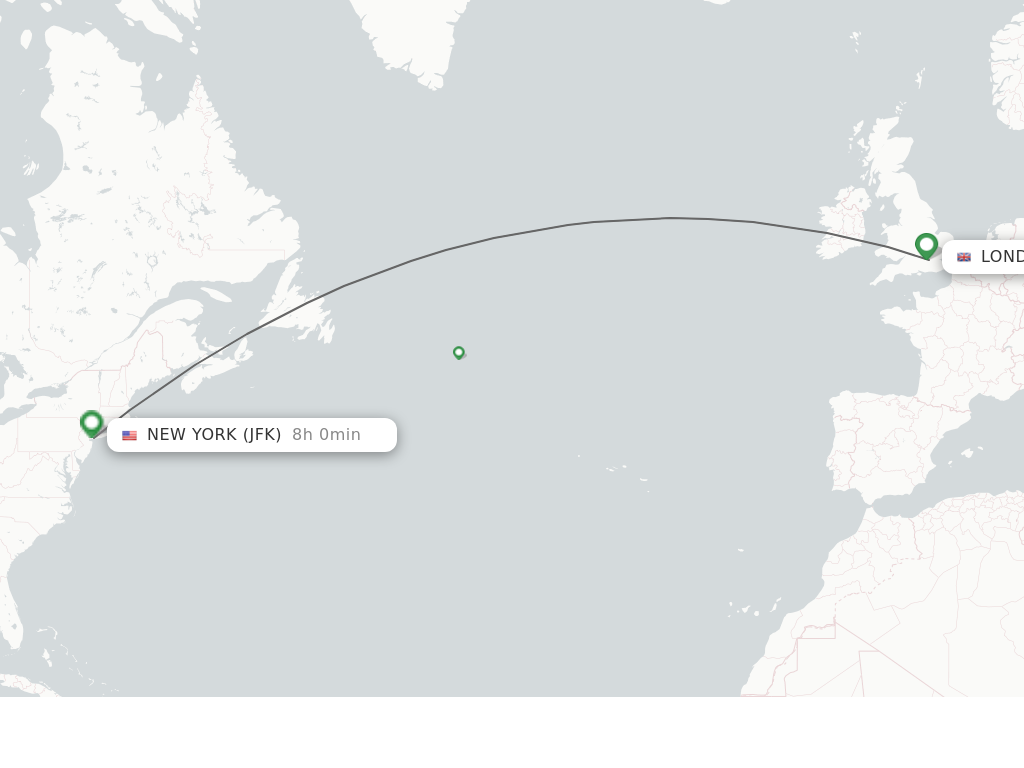
This article will not only address the core question of flight duration but also provide insights into the broader context of this popular travel route, touching upon aspects of travel, accommodation, and the unique lifestyle experiences that await you in New York. From the moment you consider booking your tickets to the anticipation of arriving at JFK Airport or Newark Liberty International Airport, every detail contributes to the overall experience of traveling between these two magnificent global cities.
Understanding the Average Flight Duration
When we talk about the flight from London to New York, we are primarily discussing a journey across the Atlantic Ocean. This considerable distance means that while the flight might seem long to some, modern aviation has made it a remarkably efficient mode of transport.
The Direct Flight Experience
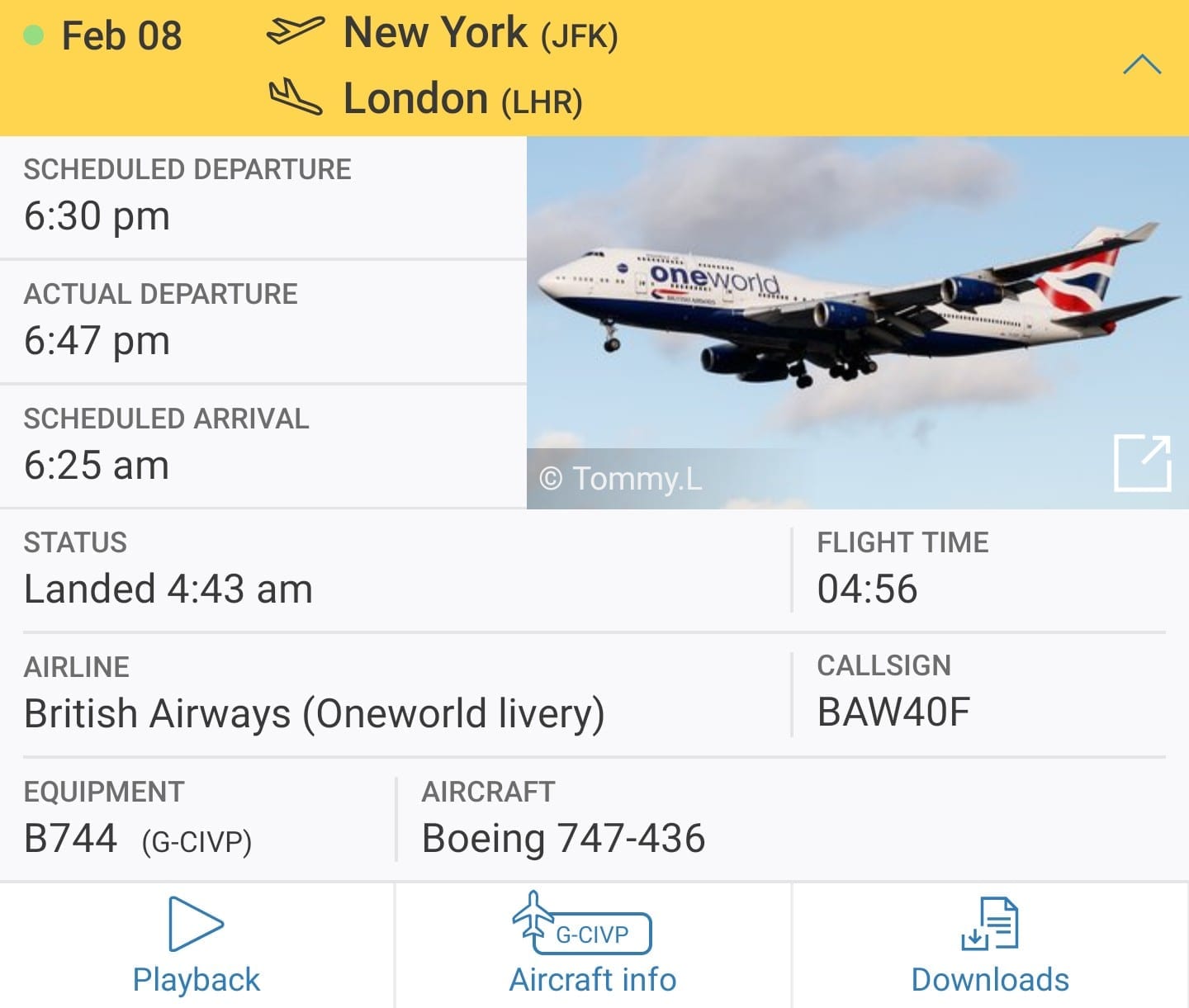
The most common and sought-after option for this route is the direct, non-stop flight. These flights are operated by numerous major airlines, including British Airways, Virgin Atlantic, Delta Air Lines, and United Airlines. For a direct flight, the typical airborne time can range from approximately 7 hours to 8 hours and 30 minutes. This is the advertised flight time, and it’s important to understand that this is an average.
Several factors can influence this average:
- Tailwinds and Headwinds: The direction and strength of the jet stream play a significant role. Flying eastward, from New York to London, often benefits from tailwinds, making the return journey slightly shorter. Conversely, flying westward to New York can encounter headwinds, extending the flight time by a moderate margin.
- Specific Flight Path: Air traffic control and weather conditions can necessitate slight deviations from the most direct route, adding a few minutes to the overall journey.
- Aircraft Type: While less impactful on this specific route compared to others, different aircraft models have varying cruising speeds, which can contribute to minor differences in flight duration.
When you book a direct flight, this estimated duration is what you should generally expect. It’s always advisable to check your specific flight booking for the most accurate estimated flight time provided by the airline.
Flights with Layovers
While direct flights are the most convenient, flights with one or more layovers are also available and can sometimes be more budget-friendly. These itineraries involve stopping at an intermediate airport before continuing to New York. Common layover cities include places like Dublin, Reykjavik, or other major European hubs.
The total travel time for flights with layovers can vary dramatically. You need to consider:
- Flight Time to Layover City: This will be shorter than a direct flight to New York, but still substantial.
- Layover Duration: This is the most variable factor. Layover times can range from a couple of hours to overnight.
- Flight Time from Layover City to New York: This segment will be similar to the direct flight duration we discussed earlier.
Therefore, a flight with a layover can easily stretch your total travel time to 12 hours, 15 hours, or even much longer, depending on the length of the stopover. If time is a critical factor in your travel plans, opting for a direct flight is highly recommended. However, for those seeking budget travel options, a layover might be a worthwhile consideration.
Factors Influencing Your Flight Time
Beyond the simple distance, several other elements can subtly or significantly influence how long your flight from London to New York actually takes. Understanding these can help manage expectations and prepare for your journey.
Weather Conditions

Weather is a pervasive influence on air travel. While commercial aircraft are designed to handle a wide range of atmospheric conditions, severe weather can impact flight schedules and routes.
- Turbulence: While not directly affecting flight time as much as it affects passenger comfort, severe turbulence might require pilots to seek smoother air at different altitudes, potentially altering the flight path slightly.
- Storms: Major storms, particularly those over the Atlantic, can lead to rerouting to avoid the worst of the weather. This can add distance and, consequently, flight time.
- Airport Operations: Significant weather events at either London or New York can cause delays on the ground, impacting your departure and arrival times, even if the in-air portion is as scheduled.
Airlines and air traffic control constantly monitor weather patterns to ensure safety and efficiency, but they remain a variable that can introduce minor deviations.
Airline and Aircraft Choice
As mentioned, the specific aircraft model can have a marginal impact. Modern wide-body jets like the Boeing 777 or Airbus A350, commonly used on transatlantic routes, are designed for efficiency and speed. However, the biggest difference an airline choice might make relates to their operational efficiency and how they manage their routes. Some airlines might have slightly more optimized flight plans or be more adept at navigating prevailing winds.
Time of Day and Day of the Week
While not a direct factor in the airborne time, the time of day and day of the week you choose to fly can influence your overall travel experience and perceived duration, especially when considering factors like airport congestion and traffic to and from the airport.
- Late-Night Departures: Often referred to as “red-eye” flights, these can feel longer due to passengers sleeping for a significant portion.
- Peak Travel Times: Flying during holiday seasons or on weekends might mean busier airports, potentially longer check-in and security times, and a more crowded cabin experience.
- New York City Arrival: Arriving in New York during rush hour will significantly increase the time it takes to get from the airport to your hotel or final destination. Planning your arrival and onward travel accordingly is crucial for a smooth transition, whether you’re heading to a luxury suite in Manhattan or a comfortable resort in a quieter borough.
Planning Your Transatlantic Journey
Beyond the flight duration, a successful trip from London to New York involves thoughtful planning across several key areas, all of which contribute to the overall quality of your travel experience.
Accommodation in New York City
Once you’ve landed, the next crucial step is securing your accommodation. New York City offers an unparalleled range of options to suit every preference and budget.
- Hotels: From world-renowned five-star establishments like The Plaza to more boutique options, New York boasts an impressive hotel scene. Consider the amenities you desire – a rooftop pool, a spa, fine dining, or a concierge service that can help you navigate the city’s vibrant offerings. The choice of hotel can significantly impact your lifestyle experience in the city.
- Apartments and Villas: For longer stays or for those seeking a more home-like feel, renting an apartment or a villa can be an excellent choice. This often provides more space, a kitchen for preparing your own meals, and a chance to live like a local. Websites specializing in long-term stays can be invaluable resources.
- Resorts: While New York City isn’t typically associated with large beach resorts, some urban hotels offer resort-like amenities, providing a tranquil escape within the bustling metropolis.
When booking your accommodation, always read reviews and compare prices across different platforms to ensure you’re getting the best value.
Exploring New York City’s Landmarks and Tourism
New York City is a treasure trove of iconic landmarks, rich history, and diverse local culture. Your flight duration is merely the prelude to an incredible array of experiences.
- Iconic Sites: Don’t miss the chance to visit the Statue of Liberty, Times Square, Central Park, and the Empire State Building. Each offers a unique perspective on the city’s grandeur and spirit.
- Museums and Galleries: From the vast collections of the Metropolitan Museum of Art to the modern marvels at the Museum of Modern Art (MoMA), culture vultures will find themselves spoiled for choice.
- Culinary Adventures: New York is a global culinary capital. Explore the diverse food scene, from street carts serving classic hot dogs to Michelin-starred restaurants offering innovative experiences. Discover hidden gems in neighborhoods like Chinatown or Little Italy.
- Activities and Experiences: Catch a Broadway show, explore the vibrant street art scene in Bushwick, or take a ferry to Staten Island for stunning views of the Manhattan skyline. The city truly offers something for everyone, whether you’re on a family trip or a solo adventure.
Understanding the flight time from London to New York is the first step in unlocking the myriad possibilities that await you in this dynamic city. Armed with this knowledge, you can better plan your itinerary, pack efficiently, and arrive in New York ready to embrace the adventure.
LifeOutOfTheBox is a participant in the Amazon Services LLC Associates Program, an affiliate advertising program designed to provide a means for sites to earn advertising fees by advertising and linking to Amazon.com. Amazon, the Amazon logo, AmazonSupply, and the AmazonSupply logo are trademarks of Amazon.com, Inc. or its affiliates. As an Amazon Associate we earn affiliate commissions from qualifying purchases.