
New York City, a vibrant metropolis renowned for its diverse tapestry of cultures, religions, and communities, is home to one of the largest Jewish populations outside of Israel. This significant presence has shaped the city’s social fabric, contributing to its rich religious, cultural, and culinary landscape. Understanding the demographics of the Jewish community in New York is not just about numbers; it’s about appreciating the historical journeys, the contemporary realities, and the enduring impact of this community on the city and beyond.
The sheer scale of Jewish life in New York is often a point of fascination for visitors and residents alike. From the bustling streets of Borough Park to the intellectual hubs of Manhattan, Jewish individuals and families have established a profound presence. This article delves into the estimated numbers, the historical context, the geographical distribution, and the multifaceted contributions of Jewish New Yorkers, weaving in elements relevant to travel, tourism, and lifestyle within the city.

The Magnitude of New York’s Jewish Population: Numbers and Demographics
Estimating the exact number of Jewish people in any large metropolitan area is inherently complex. Census data often relies on self-identification, and religious affiliation can be fluid. However, various studies and surveys consistently place the Jewish population of the New York metropolitan area as the largest in the world outside of Israel.
Statistical Snapshots and Key Estimates
The most frequently cited figures suggest that the New York metropolitan area is home to approximately 1.7 to 2 million Jewish individuals. This broad range reflects the different methodologies used by researchers and the challenges of capturing the entire community. These estimations typically encompass residents within the five boroughs of New York City – Manhattan, Brooklyn, Queens, the Bronx, and Staten Island – as well as surrounding suburban counties in New York, New Jersey, and Connecticut.
The Jewish population is not monolithic. It comprises a spectrum of religious observance, from Orthodox communities to Conservative, Reform, Reconstructionist, and secular Jewish individuals. The largest segment of the religiously observant population is often concentrated within Orthodox Judaism, particularly Hasidic communities. These communities are characterized by distinct dress, customs, and strong communal bonds.
Factors Influencing Population Counts
Several factors contribute to the nuances in population counts:
- Definition of “Jewish”: Surveys may define “Jewish” through religious affiliation, ethnic identity, or cultural connection.
- Geographic Scope: Different studies may define the “New York metropolitan area” differently, impacting the total number.
- Methodology: Surveys can range from door-to-door canvassing to analysis of synagogue membership and public records.
- Demographic Shifts: Like any population, the Jewish community experiences births, deaths, migration into and out of the area, and intermarriage, all of which influence numbers over time.
For travelers interested in experiencing the city’s cultural richness, understanding these demographic patterns provides valuable context. The presence of a significant Jewish population means that opportunities to engage with Jewish culture – from visiting historic synagogues to enjoying authentic Jewish cuisine – are abundant throughout the city.
Geographic Distribution and Vibrant Community Hubs
The Jewish community in New York is not uniformly spread but rather concentrated in distinct neighborhoods, each with its unique character and contributions to the broader Jewish landscape. These concentrations create vibrant hubs for religious life, cultural activities, and specialized businesses, offering unique experiences for those exploring the city.
The Boroughs: A Mosaic of Jewish Life
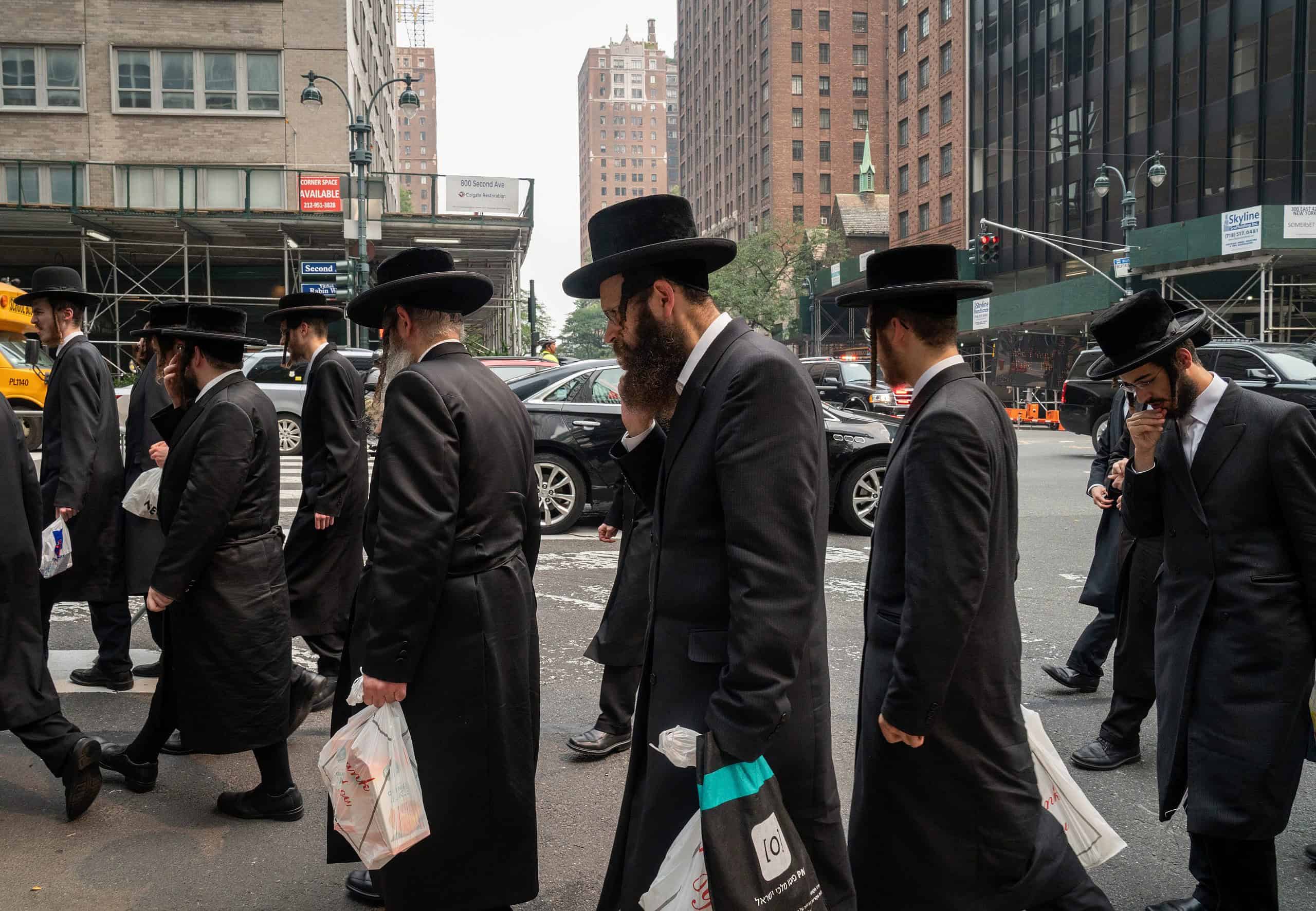
- Brooklyn: Often considered the heart of Jewish life in New York, Brooklyn is home to a significant portion of the city’s Jewish population. Neighborhoods like Borough Park, Crown Heights, and Flatbush are renowned for their large and visibly Orthodox Jewish communities. Here, one can witness the daily rhythms of life, the bustling kosher markets, and the intricate network of synagogues and community institutions. Williamsburg, while also experiencing significant gentrification, retains a notable Hasidic presence.
- Manhattan: While perhaps less concentrated than in parts of Brooklyn, Manhattan boasts a substantial Jewish population, particularly on the Upper West Side and the Upper East Side, which have historically been centers of Jewish intellectual and cultural life. The Lower East Side, once a primary immigrant gateway, still holds historical significance and a lingering Jewish presence. Manhattan also hosts numerous prominent synagogues, Jewish museums, and community organizations that serve both residents and visitors.
- Queens: Queens exhibits a more diverse distribution, with pockets of Jewish residents in various neighborhoods, including Rego Park and Forest Hills, which have long-established Jewish communities.
- The Bronx and Staten Island: While smaller in proportion compared to Brooklyn and Manhattan, these boroughs also have active Jewish communities and institutions.
Suburban Enclaves and Regional Influence
Beyond the five boroughs, the surrounding suburban counties of New York, New Jersey (particularly Bergen County and Monmouth County), and Connecticut are home to significant Jewish populations. These suburban enclaves often serve as residential areas for families who work in the city or as centers of religious and community life in their own right. The interconnectedness of these communities, facilitated by transportation networks, means that the influence of New York’s Jewish population extends far beyond the city limits.
For travelers, understanding these geographic concentrations can enhance their exploration of the city. Planning visits to neighborhoods known for their Jewish heritage can offer a deeper cultural immersion, from experiencing the distinctive atmosphere of Borough Park to exploring the historical sites in Manhattan.
Contributions to New York’s Cultural and Lifestyle Fabric
The Jewish community’s presence in New York is inextricably linked to the city’s identity, enriching its cultural tapestry, culinary scene, and intellectual discourse. From iconic landmarks to everyday lifestyle choices, the influence is pervasive and profound.
Culinary Delights: A Taste of Jewish Heritage
New York’s culinary landscape is heavily indebted to its Jewish residents. The quintessential New York experience often includes indulging in Jewish comfort foods. Iconic establishments serve up:
- Bagels and Lox: A classic breakfast or brunch, these are found in countless delis and bakeries across the city.
- Pastrami Sandwiches: The legendary Katz’s Delicatessen on the Lower East Side is a pilgrimage site for many, showcasing the hearty and flavorful Jewish deli tradition.
- Cheesecakes: New York-style cheesecake, often rich and dense, has its roots in Ashkenazi Jewish baking.
- Matzah Ball Soup: This comforting soup is a staple in Jewish homes and delis, particularly during holiday seasons.
Beyond these staples, the city boasts a vast array of kosher restaurants, bakeries, and food stores catering to diverse tastes and dietary needs, reflecting the dynamic and evolving nature of Jewish culinary traditions. For tourists seeking authentic local flavors, exploring these culinary offerings is an essential part of the New York experience.
Arts, Culture, and Intellectual Pursuits
The Jewish community has been a driving force in New York’s vibrant arts and culture scene for generations.
- Theater and Performing Arts: Broadway and the off-Broadway scene have seen countless contributions from Jewish playwrights, actors, producers, and composers.
- Literature and Academia: New York has been a magnet for Jewish intellectuals, writers, and artists, fostering a rich tradition of literary salons, academic institutions, and publishing houses.
- Museums and Galleries: Institutions like the Jewish Museum and the Museum of Jewish Heritage – A Living Memorial to the Holocaust offer profound insights into Jewish history, art, and culture, serving as crucial landmarks for understanding the community’s heritage.

Religious and Community Institutions
New York is home to hundreds of synagogues, community centers, and educational institutions that serve the diverse needs of its Jewish population. These institutions are not only places of worship but also vital centers for social gatherings, educational programs, and charitable activities. Many of these synagogues, with their often historic architecture, are themselves significant landmarks and points of interest for those interested in the city’s religious heritage.
For those planning a visit or a longer stay, understanding the Jewish presence in New York adds a rich layer to the travel experience. Whether seeking culinary adventures, cultural enrichment, or a deeper understanding of the city’s historical and contemporary life, the Jewish community’s indelible mark is evident throughout New York. This enduring legacy continues to shape the identity and dynamism of one of the world’s most iconic cities.
LifeOutOfTheBox is a participant in the Amazon Services LLC Associates Program, an affiliate advertising program designed to provide a means for sites to earn advertising fees by advertising and linking to Amazon.com. Amazon, the Amazon logo, AmazonSupply, and the AmazonSupply logo are trademarks of Amazon.com, Inc. or its affiliates. As an Amazon Associate we earn affiliate commissions from qualifying purchases.