
The allure of New York is undeniable. It’s a place that sparks imagination, a global hub of culture, commerce, and dreams. Whether you’re planning a fleeting visit to witness its iconic landmarks, seeking the perfect accommodation for a longer stay, or simply curious about the pulse of this dynamic metropolis, the question of “how many people are in New York?” is more than just a statistic. It’s a gateway to understanding the sheer scale, diversity, and vibrant energy that defines this extraordinary state and its most famous city.
The Shifting Sands of Population: Beyond a Single Number
To answer “how many people are in New York?” requires a nuanced approach, as the population of New York is not a static figure. It fluctuates based on the time of day, the season, and whether we’re referring to the sprawling New York State or the bustling New York City.

Understanding the Scope: New York State vs. New York City
When people ask about the population of New York, they often have New York City in mind. This iconic urban center, with its towering skyscrapers and relentless pace, is a magnet for millions. However, New York State is vast, encompassing diverse landscapes from the rolling hills of the Finger Lakes to the majestic Adirondack Mountains.
New York State: A Broader Demographic Picture
As of recent estimates, New York State is home to over 20 million residents. This figure places it among the most populous states in the United States. This expansive population is distributed across a variety of urban centers, suburban communities, and rural areas. Major cities outside of New York City include Buffalo, Rochester, Syracuse, and Albany, the state capital, each contributing to the state’s overall demographic tapestry. The economic drivers of the state are varied, with agriculture, manufacturing, technology, and services all playing significant roles. Understanding the population of New York State means appreciating the interplay between its major metropolitan areas and its more tranquil, geographically diverse regions.
New York City: The Epicenter of Activity
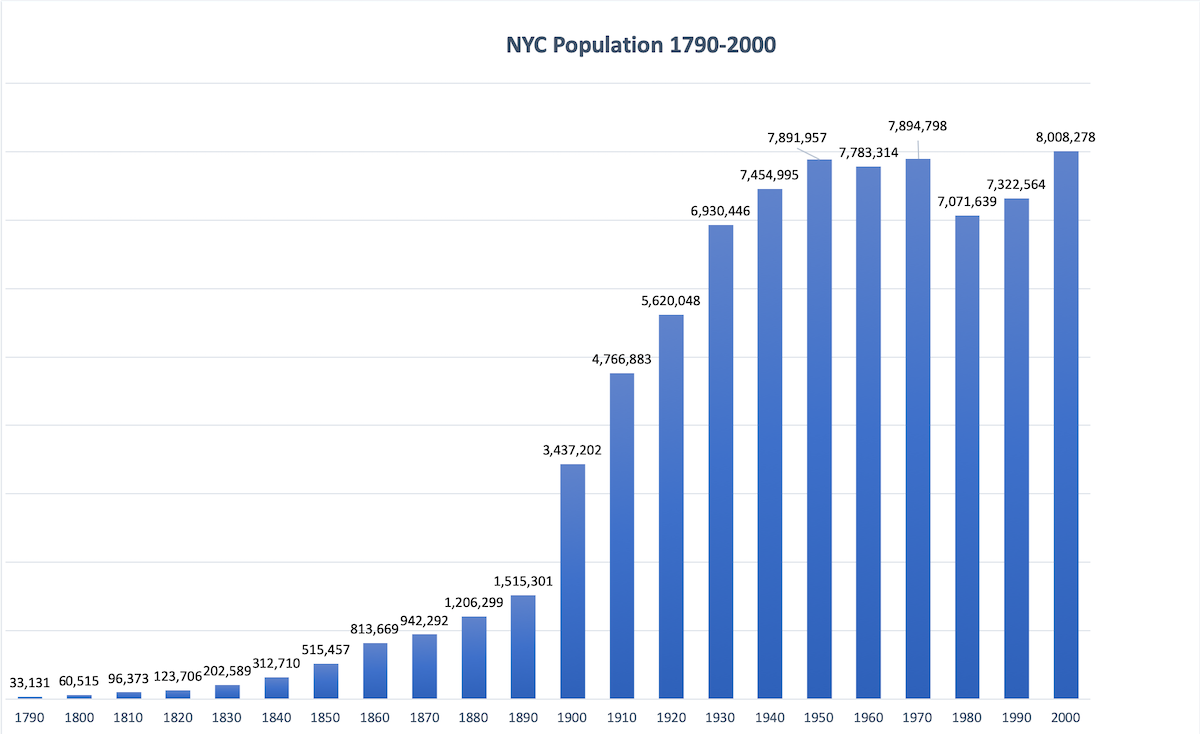
New York City, often referred to as “The City That Never Sleeps,” is a dense and vibrant organism. Its population is a staggering number, consistently hovering around 8.5 million people within its five boroughs: Manhattan, Brooklyn, Queens, the Bronx, and Staten Island. This concentrated population makes New York City one of the most densely populated urban areas in the world. This figure, however, only tells part of the story. During peak tourist seasons or major events, the number of people present in the city swells considerably.
The Ever-Present Flow: Residents, Tourists, and Commuters
The population of New York, particularly New York City, is a dynamic mix of individuals. It’s not just about the residents who call the city home; it’s also about the millions of tourists who flock to its iconic attractions and the vast number of commuters who travel into the city for work each day.
The Tourist Influx: A Constant Stream of Visitors
New York is a premier global destination, attracting tens of millions of tourists annually. These visitors come from all corners of the globe, drawn by the promise of world-class entertainment, unparalleled shopping, renowned museums, and unforgettable experiences. From the dazzling lights of Times Square to the serene beauty of Central Park, the city offers something for every type of traveler. Hotels across the five boroughs see a constant turnover of guests, with occupancy rates often soaring. The economic impact of tourism is immense, supporting countless businesses, from small souvenir shops to luxury resorts. Understanding the population of New York means acknowledging the significant contribution of these transient visitors to the city’s daily life and economy. Popular attractions like the Empire State Building, the Statue of Liberty, and the Metropolitan Museum of Art are testaments to this constant flow of eager explorers.
The Daily Commute: A Vital Artery of the City
Beyond residents and tourists, a colossal workforce commutes into New York City every day. Millions of individuals who live in the surrounding suburbs of New York State, as well as in neighboring states like New Jersey and Connecticut, make their way into the city to work in its diverse industries. This daily influx of commuters significantly boosts the daytime population, especially in business districts like Midtown Manhattan. The intricate network of subways, trains, buses, and ferries that transport these individuals is a testament to the logistical marvel that keeps the city functioning. This constant movement and interaction between commuters, residents, and tourists create the unique, high-energy atmosphere that New York is famous for.
Factors Influencing Population Density and Perception
The perceived “crowdedness” of New York is a subjective experience influenced by various factors beyond sheer numbers. Understanding these elements provides a richer context to the question of “how many people are in New York?”.
Density and Distribution: The Urban Mosaic
New York City is characterized by its incredibly high population density, especially in popular neighborhoods like Manhattan. This means that a large number of people are concentrated in relatively small areas. This density contributes to the bustling street life, the constant hum of activity, and the feeling of being in the midst of a vibrant human ecosystem. Different boroughs and neighborhoods have varying densities, with Manhattan generally being the most densely populated, followed by parts of Brooklyn and Queens. This distribution means that while New York City as a whole has a massive population, the experience of that population can vary significantly from one area to another. Even within a single borough, there can be stark contrasts in population density, from the lively avenues of Manhattan to the more spread-out residential areas.
Lifestyle and Purpose: The Varied Faces of “New Yorkers”
The concept of “being in New York” also extends to the diverse lifestyles and purposes of its inhabitants and visitors. Whether you’re a resident enjoying the local culture, a tourist exploring iconic landmarks, a business traveler on a tight schedule, or a student immersing yourself in the city’s academic offerings, your presence contributes to the unique fabric of New York. The city caters to a vast array of lifestyles, from the ultra-luxury of penthouses in Tribeca to the more budget-conscious accommodation options available in outer boroughs. Family trips often focus on attractions like the Bronx Zoo or the New York Hall of Science, while business stays might necessitate proximity to convention centers or financial districts. The sheer variety of reasons people are present in New York contributes to its dynamic and ever-evolving character.

The Importance of Context: Day vs. Night, Weekday vs. Weekend
The number of people in New York is not a fixed quantity. It changes dramatically depending on the time of day and the day of the week. During weekday mornings and evenings, the commuter rush swells the population in business districts. Weekends see a different kind of surge as locals and tourists alike flock to parks, shops, and entertainment venues. Even the time of day impacts the numbers; rush hour means more people on public transport and streets, while late at night, certain areas might feel quieter while others remain vibrant. This constant ebb and flow is fundamental to the rhythm of New York. Considering these temporal shifts is crucial for a complete understanding of the population dynamics. For instance, a quiet stroll through a residential street in Brooklyn on a Tuesday morning will feel vastly different from navigating the crowds in Times Square on a Saturday night.
In conclusion, the question “How Many People Are In New York?” is a starting point for a deeper exploration of a state and a city that are defined by their immense, diverse, and constantly shifting populations. Whether you’re seeking travel inspiration, the perfect hotel, or simply an understanding of one of the world’s most iconic destinations, the sheer number of people in New York is a testament to its enduring global appeal. It is a confluence of millions of lives, stories, and aspirations, all contributing to the unparalleled energy of this magnificent metropolis.
LifeOutOfTheBox is a participant in the Amazon Services LLC Associates Program, an affiliate advertising program designed to provide a means for sites to earn advertising fees by advertising and linking to Amazon.com. Amazon, the Amazon logo, AmazonSupply, and the AmazonSupply logo are trademarks of Amazon.com, Inc. or its affiliates. As an Amazon Associate we earn affiliate commissions from qualifying purchases.