
Navigating the vibrant, bustling streets of New York City is an unparalleled experience, whether you’re a first-time visitor drawn by its iconic landmarks or a seasoned traveler seeking its endless attractions. From the majestic spire of the Empire State Building to the green oasis of Central Park, the city offers a kaleidoscope of sights and sounds. While planning your travel itinerary, you might be considering driving into the city or renting a car to explore its diverse boroughs. However, before you hit the road, it’s crucial to understand the intricacies of parking in New York City, particularly the potential for receiving a parking ticket. Understanding the costs associated with these citations is a vital part of budgeting for your trip and avoiding unnecessary stress.

The question of “How Much Is A New York City Parking Ticket?” is a common one, and the answer, unfortunately, is not a simple flat rate. The cost of a parking ticket in New York City can vary significantly depending on a multitude of factors, including the type of violation, the location where it occurred, and even the time of day. For those accustomed to more straightforward parking regulations, New York City can present a unique challenge, with its dense urban environment and dynamic streetscape. This guide aims to demystify the pricing structure of these common citations and provide practical advice for avoiding them altogether, ensuring your New York City adventure remains enjoyable and within your budget, whether you’re staying in a luxurious suite at the Plaza Hotel or a budget-friendly apartment in Brooklyn.
Understanding the Fines: A Breakdown of New York City Parking Ticket Costs
The base fine for a New York City parking ticket can range from a relatively modest amount to a substantial penalty. The New York City Department of Finance (DOF) is responsible for issuing and collecting these fines. It’s important to note that these fines are not static and can be adjusted periodically.
Base Fines and Common Violations
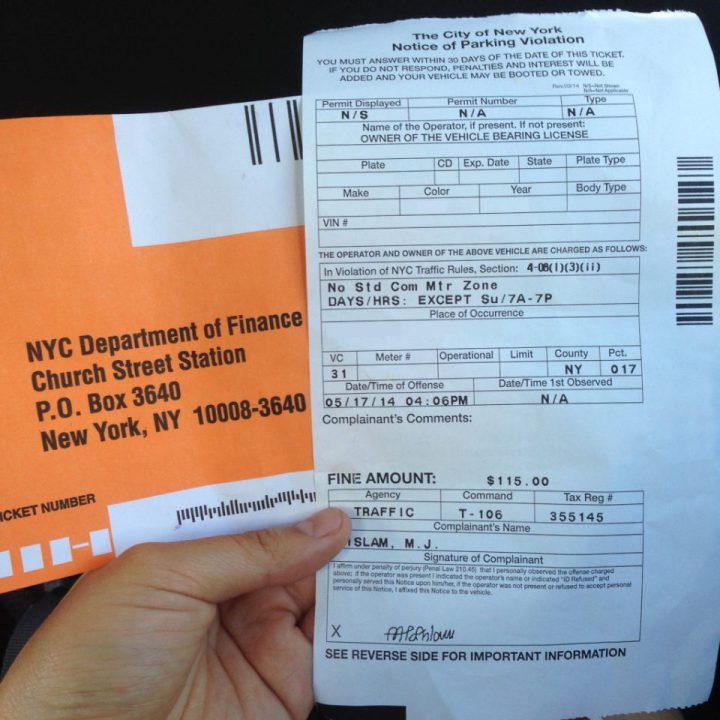
The most common parking violations in New York City come with specific base fine amounts. For example, parking in a No Standing zone often incurs a fine of $115. A No Parking violation typically costs $65. These violations are designed to keep traffic flowing and ensure accessibility for emergency vehicles and public transportation.
Other common and often more expensive violations include:
- Double Parking: This is a particularly egregious offense in a city as congested as New York City and can result in a fine of $115.
- Parking in a Bus Stop: Similar to No Standing zones, these are crucial for public transit and carry a $115 penalty.
- Parking in a Hydrant Zone: Obstructing a fire hydrant is a serious safety hazard and will cost you $115.
- Expired Meter: While seemingly minor, neglecting to feed your meter can lead to a $65 ticket. However, in some restricted zones or during peak hours, this can escalate.
- Residential Parking Permits Violations: If you’re visiting from outside the city and unfamiliar with the residential permit system, or if you’re a resident with an expired or improperly displayed permit, you could face fines of $165. This is a significant cost, especially for budget travel enthusiasts.
- Blocking a Driveway: This violation, which impedes access for residents, carries a substantial fine of $165.
It’s crucial to remember that these are base fines. Additional fees and surcharges can sometimes be added, particularly if the ticket is not paid promptly, leading to increased costs. The cumulative effect of multiple tickets can quickly become a significant financial burden, potentially impacting your accommodation budget or your ability to enjoy the city’s activities.
Fines for More Serious Offenses
Beyond the everyday parking infractions, New York City imposes steeper penalties for more serious violations that pose greater risks to public safety and traffic flow. These often involve parking in restricted areas or during specific times that are critical for city operations.
- Parking in a Handicap Space without a Permit: This is a serious offense with a significant financial penalty of $165. It directly impacts individuals with disabilities who rely on these designated spots.
- Parking in a Fire Lane: Similar to blocking a hydrant, parking in a fire lane is a severe safety violation and can result in a fine of $115.
- Commercial Vehicle Violations: Trucks and other commercial vehicles often face different and sometimes higher fines for specific violations related to loading zones, parking restrictions, and size/weight regulations. These can range from $115 to $235 or more, depending on the specific infraction.
- Parking in a “No Stopping” Zone: This is the most restrictive of the stopping/standing/parking designations and carries a hefty fine of $115.
- Parking During Street Cleaning: Violating street cleaning signs can result in a $65 ticket. While not the highest fine, these are frequent occurrences and can add up quickly.
- Parking Over Time Limits: Exceeding the posted time limit at a metered spot or in a timed zone can result in a $65 fine.
The complexity of New York City parking rules, with their constantly changing signage and time-specific restrictions, can make it challenging to avoid these violations. Even seasoned locals can sometimes fall foul of these rules, let alone tourists exploring destinations like Times Square or Central Park for the first time.
Beyond the Base Fine: Hidden Costs and Consequences
Receiving a parking ticket in New York City isn’t just about the immediate financial hit of the base fine. There are several other potential costs and consequences that can make a seemingly small infraction much more expensive and inconvenient. Understanding these can help you prioritize paying your tickets promptly or, even better, avoiding them altogether.
Late Fees and Penalties
The most direct additional cost is the penalty for late payment. If you fail to pay your New York City parking ticket by its due date, the amount owed will increase. The DOF imposes late penalties, which can significantly escalate the original fine. While the exact figures can vary, late fees can often be as much as the original ticket, effectively doubling your cost. This is why it’s always advisable to address parking tickets as soon as they are received. The longer you wait, the more expensive it becomes, impacting your budget travel plans or your ability to book desirable resorts for future trips.
Booting and Towing
For drivers who accumulate multiple unpaid parking tickets, the consequences can become far more severe. New York City has strict policies regarding scofflaws, which are drivers with outstanding parking violations.
- Vehicle Booting: If your vehicle has three or more unpaid parking tickets, it becomes eligible to be “booted.” This involves immobilizing your vehicle with a large metal clamp. To have the boot removed, you must pay all outstanding tickets and a booting fee, which can be several hundred dollars. This is a significant financial setback and can completely derail your luxury travel plans.
- Vehicle Towing: If your vehicle is booted and you still fail to settle your outstanding debts, or if the violation is particularly severe (e.g., parking in a critical safety zone), your vehicle can be towed. The costs associated with retrieving a towed vehicle are substantial. You will need to pay all outstanding tickets, the booting fee, towing charges, and storage fees. These fees accumulate daily, making it increasingly expensive to recover your car. The average cost to retrieve a towed vehicle can easily run into hundreds, if not thousands, of dollars. This is a scenario no tourist, whether on a family trip or a solo exploration of Manhattan, wants to experience.
The risk of your vehicle being booted or towed is a strong incentive to take parking regulations seriously. It’s not just about the initial fine; it’s about the potential for significant financial and logistical disruptions.
Impact on Insurance and Registration
While less common for tourists on short visits, for those who live in or frequently drive in New York City, unpaid parking tickets can have broader implications. Accumulating a significant number of unpaid tickets can eventually affect your ability to renew your vehicle’s registration in New York State. In more extreme cases, it could even impact your car insurance premiums or your eligibility for certain insurance policies. This is a longer-term consequence that underscores the importance of resolving any outstanding parking debt.
Strategies to Avoid New York City Parking Tickets
Given the potential costs and consequences, avoiding parking tickets in New York City should be a top priority for any visitor or resident who plans to drive. The city’s parking landscape is notoriously complex, but with careful attention and some strategic planning, you can significantly reduce your risk.
Mastering New York City Parking Signs
The most critical skill for any driver in New York City is the ability to read and understand parking signs. These signs are often dense with information, including days of the week, specific times, and different types of restrictions (No Standing, No Parking, No Stopping).
- Read Every Sign: Don’t assume you know the rules. Always read all posted signs carefully before leaving your vehicle. Look for signs at both ends of the block and any supplementary signs that might apply.
- Understand the Terminology:
- No Standing: You cannot stop your vehicle even momentarily to drop off or pick up passengers, except when traffic conditions require it (e.g., a red light).
- No Parking: You cannot park your vehicle, but you may stop briefly to load or unload passengers or merchandise.
- No Stopping: You cannot stop your vehicle for any reason other than to obey traffic signals or avoid an obstruction.
- Pay Attention to Time Restrictions: Many signs have specific hours during which restrictions apply. For example, a street might be “No Parking 4 PM – 6 PM, Mon-Fri.” Outside of those hours, parking might be permitted.
- Street Cleaning: Be particularly mindful of street cleaning signs, which are often posted with specific days and times. Failing to move your car during street cleaning hours is a common way to get a ticket.
Utilizing Parking Apps and Garages
In a city with limited and expensive street parking, exploring alternatives can save you money and stress.
- Parking Apps: Numerous mobile apps, such as SpotHero, ParkWhiz, and Pango, can help you find available parking spots in garages and lots throughout New York City. These apps often allow you to compare prices, reserve a spot in advance, and even pay for your parking directly through the app. This can be a lifesaver, especially when visiting popular areas like Midtown Manhattan or near major attractions like Museum Mile.
- Public Garages and Lots: While often more expensive than street parking (if you can find it), parking in a secure garage offers peace of mind and a guaranteed spot. Many hotels, including luxury options like the Four Seasons Hotel New York, offer valet parking or have adjacent parking facilities. While this adds to the cost of your accommodation, it can be a worthwhile investment to avoid tickets and the hassle of searching for street parking.
Alternatives to Driving
For many visitors, the most practical and cost-effective way to experience New York City is to forgo driving altogether.
- Public Transportation: New York City boasts one of the most extensive public transportation systems in the world. The subway and bus networks can take you to virtually any corner of the city, from the historic streets of Greenwich Village to the vibrant waterfront of DUMBO. Purchasing a MetroCard is relatively inexpensive and offers unlimited rides within a set period, making it an economical choice for budget travel and allows you to immerse yourself in the local culture.
- Ride-Sharing Services and Taxis: Services like Uber and Lyft, along with traditional yellow cabs, are readily available and provide convenient door-to-door service. While more expensive than public transport, they offer flexibility and comfort, especially for shorter trips or when traveling with luggage or multiple people on a family trip.
- Walking: New York City is a fantastic city for walking. Many of its most famous landmarks and neighborhoods are best explored on foot, allowing you to discover hidden gems and truly soak in the atmosphere.
By understanding the potential costs, the nuances of the regulations, and the available alternatives, you can ensure that parking in New York City doesn’t become an unwelcome and expensive addition to your travel experience.
LifeOutOfTheBox is a participant in the Amazon Services LLC Associates Program, an affiliate advertising program designed to provide a means for sites to earn advertising fees by advertising and linking to Amazon.com. Amazon, the Amazon logo, AmazonSupply, and the AmazonSupply logo are trademarks of Amazon.com, Inc. or its affiliates. As an Amazon Associate we earn affiliate commissions from qualifying purchases.