
Navigating the financial intricacies of a new destination can often feel like deciphering an ancient scroll, especially when it comes to understanding taxation. For many, the allure of visiting or even relocating to the Empire State, with its iconic New York City skyline, world-class cultural institutions like the Metropolitan Museum of Art, and diverse landscapes stretching from the Adirondack Mountains to the shores of Long Island, comes with a crucial question: “How much is state income tax in New York?” This query is fundamental for anyone planning a trip that involves more than just a fleeting visit, considering extended stays, business ventures, or even settling down. Understanding New York‘s tax structure is not just about compliance; it’s about budgeting effectively, maximizing your travel experience, and making informed lifestyle choices.
While New York is celebrated for its vibrant energy and endless opportunities, its tax system, particularly its income tax, plays a significant role in the cost of living and doing business. This article aims to demystify New York state income tax, breaking down the rates, factors influencing your tax liability, and how it might impact your travel plans, whether you’re considering a weekend getaway to Niagara Falls, a luxurious stay at the Plaza Hotel, or a more permanent relocation to a charming town in the Hudson Valley. We’ll explore how tax considerations can weave into your lifestyle choices, from the kind of accommodation you opt for to the activities and experiences you pursue.
Understanding New York State Income Tax Rates
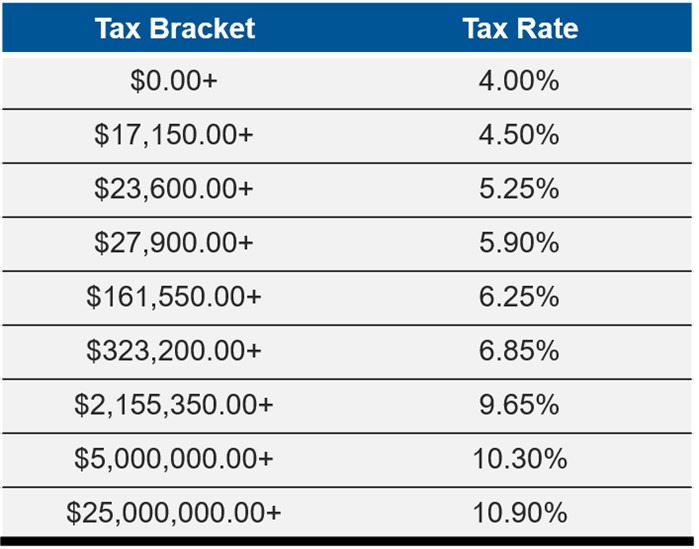
New York State imposes a progressive income tax, meaning that the tax rate increases as your income rises. This structure is designed to ensure that those who earn more contribute a proportionally larger share to state revenues. The tax brackets and rates are subject to change, typically updated annually by the New York State Department of Taxation and Finance. It’s crucial to consult the most current official guidelines for precise figures, but understanding the general framework is key.
For the most recent tax year, New York’s income tax rates range from a low of 4% to a high of 10.9%. This top rate applies to the highest income earners. The progressive nature of the tax means that different portions of your income are taxed at different rates. For instance, your first dollar earned might be taxed at a lower rate, and subsequent income levels will be subject to increasingly higher rates as you move up the tax brackets.
Key Factors Influencing Your Tax Liability
Several factors determine the exact amount of state income tax you will owe in New York. Beyond your total income, your filing status plays a significant role. New York recognizes various filing statuses, including single, married filing jointly, married filing separately, and head of household. Each status has its own set of income brackets and deductions, impacting the final tax calculation. For example, a married couple filing jointly might benefit from wider income brackets taxed at lower rates compared to two individuals filing as single.
Another critical element is the concept of taxable income. This is not simply your gross income. New York allows for various deductions and exemptions that can reduce your overall taxable income. These might include deductions for certain business expenses if you’re traveling for business stays, contributions to retirement accounts, or even specific medical expenses. Furthermore, New York offers tax credits, which are direct reductions of your tax liability, not just your taxable income. Examples include credits for child and dependent care, earned income tax credits for lower-income individuals, and credits for energy-efficient home improvements if you’re considering a long-term stay or investment.
The state also has specific provisions for non-residents and part-year residents. If you are visiting New York for leisure, such as exploring the Finger Lakes region or attending a special event at Saratoga Race Course, your income earned while physically present in the state may be subject to New York income tax, depending on the source of that income and your residency status elsewhere. For those who split their time between New York and another state, the calculation can become more complex, involving apportionment of income based on where it was earned.

Adjustments and Deductions
To arrive at your taxable income, New York utilizes a system of adjustments and deductions. Adjustments are typically made to your federal adjusted gross income (AGI) to arrive at your New York AGI. These can include adding back certain deductions taken on your federal return or subtracting income that is exempt from New York tax. For example, New York State and local government bond interest is generally exempt from New York income tax.
Following the calculation of New York AGI, taxpayers can then take either the standard deduction or itemized deductions. The standard deduction is a fixed amount that varies based on your filing status. It’s a straightforward option that many taxpayers choose for simplicity. However, if your eligible itemized deductions exceed the standard deduction amount, you may benefit from itemizing. Common itemized deductions include mortgage interest, state and local taxes (SALT), medical expenses exceeding a certain threshold, and charitable contributions. Navigating these choices can significantly impact your tax bill and is a critical step in your New York tax planning. For those considering a long-term stay, understanding these deductions is especially relevant for budgeting and financial planning.
Tax Implications for Travelers and Residents
The impact of New York state income tax varies significantly depending on your status and the nature of your visit. For short-term tourists, the direct impact is often minimal, as their income is typically earned and taxed in their home state. However, if a traveler engages in income-generating activities while in New York, such as performing freelance work or operating a business that generates revenue within the state, they might incur New York tax obligations. This is particularly relevant for digital nomads or those who might be exploring New York for extended periods, potentially blending travel with remote work.
For individuals considering longer stays, such as renting an apartment in Brooklyn or a villa on Long Island for a season, or for those who become New York residents, understanding the tax implications is paramount. Residency in New York is generally established by having a permanent place of abode in the state and spending more than 183 days there during the tax year. Once you are a New York resident, your worldwide income becomes subject to New York state income tax. This means income earned outside of New York is also taxable.
Beyond Income Tax: Other Financial Considerations for Visitors
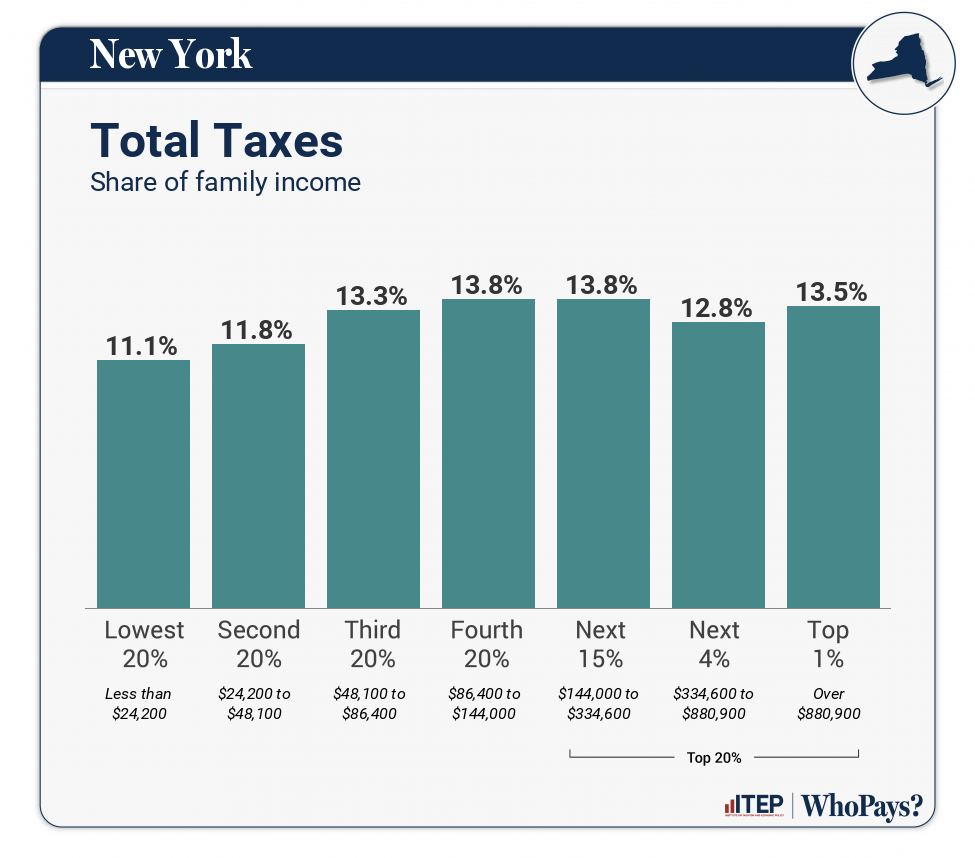
While state income tax is a major component of New York‘s financial landscape, visitors and potential residents should also be aware of other taxes that can affect their budget. Sales tax is levied on the purchase of most goods and services. The state sales tax rate is 4%, but many counties and metropolitan areas impose additional local sales taxes, bringing the total rate much higher in popular tourist destinations like New York City, where it can reach over 8%. This is an important consideration when budgeting for accommodation, dining, and shopping, whether you’re staying at a luxury resort in the Catskills or exploring the unique shops in Syracuse.
Property taxes are another significant financial consideration, particularly for those looking to purchase or rent long-term accommodation. Property taxes are levied by local governments (counties, cities, towns, and school districts) and can vary dramatically from one locality to another. New York City, for instance, has a unique property tax system. For those considering a business stay or investment, understanding these local tax burdens is crucial for assessing the overall cost of doing business or living in a particular area.
Furthermore, New York has a robust estate tax. While this primarily affects individuals with substantial assets upon their death, it’s a factor in long-term financial planning for wealthier individuals who may be considering residency. For the average traveler or short-term visitor, these taxes are less of an immediate concern than sales tax, but for those planning extended stays or relocation, they form a vital part of the financial picture. Understanding the interplay of income tax, sales tax, and property tax provides a comprehensive view of the financial landscape of the Empire State, enabling informed decisions for all aspects of your lifestyle in New York.
LifeOutOfTheBox is a participant in the Amazon Services LLC Associates Program, an affiliate advertising program designed to provide a means for sites to earn advertising fees by advertising and linking to Amazon.com. Amazon, the Amazon logo, AmazonSupply, and the AmazonSupply logo are trademarks of Amazon.com, Inc. or its affiliates. As an Amazon Associate we earn affiliate commissions from qualifying purchases.