
Navigating the financial intricacies of any destination can be a daunting task, especially when planning a trip. For those setting their sights on the vibrant and bustling New York City, understanding the tax landscape is crucial for budgeting, whether you’re indulging in luxury or seeking budget-friendly experiences. This comprehensive guide will break down the various taxes you can expect to encounter during your visit, covering everything from accommodation to dining and shopping, ensuring your New York adventure is both enjoyable and financially sound.
Understanding the Core Taxes in New York
When you travel to New York, you’ll encounter several types of taxes that directly impact your spending. The most prevalent are sales tax and hotel occupancy tax. Understanding these foundational taxes will provide a clear picture of where your money goes beyond the advertised prices of goods and services.
The Nuances of New York Sales Tax
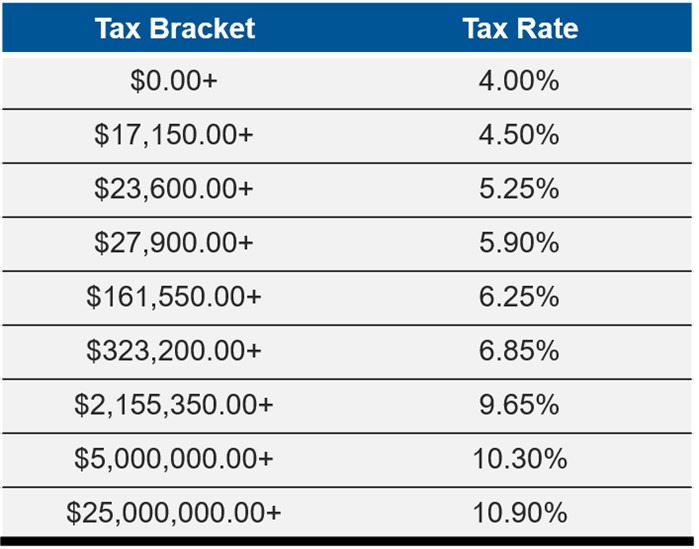
New York State imposes a statewide sales tax, but this is just the beginning. Counties and even specific cities within the state have the authority to add their own local sales taxes. This layered approach means the total sales tax rate can vary significantly depending on where you are within New York.
For travelers primarily focused on New York City, the combined state and city sales tax rate is a significant factor. This rate applies to a wide array of purchases, including souvenirs, clothing, electronics, and more. It’s important to note that certain items are exempt from sales tax, such as most groceries and prescription medications. However, for the vast majority of goods and services a tourist would purchase, the sales tax will be applied.
The standard combined state and local sales tax rate in New York City is currently 8.875%. This is comprised of a 4% state tax, a 0.375% Metropolitan Transportation District surcharge, a 3% city tax, and a 1.5% additional city tax. While this might seem like a single figure, it’s the aggregation of these components that creates the final charge. For instance, when buying a souvenir from a shop in Manhattan, this 8.875% will be added to the pre-tax price. Similarly, a meal at a restaurant in Brooklyn will also be subject to this rate.
Beyond New York City, sales tax rates can differ. For example, a trip upstate to a charming town in the Adirondacks might see a lower combined rate. It’s always a good practice to check the specific sales tax rate for the county or city you are visiting within New York to accurately estimate your expenses. Websites of the New York State Department of Taxation and Finance are excellent resources for detailed tax rate information across different localities.
Hotel Occupancy Taxes: A Significant Factor for Accommodation
For any traveler, the cost of accommodation is often one of the largest expenses. In New York, this cost is further amplified by hotel occupancy taxes, also known as hotel taxes or room taxes. These taxes are levied on the rental of hotel rooms and are typically a combination of state, county, and city taxes.
Similar to sales tax, the total hotel occupancy tax rate varies depending on the specific location within New York. New York City, being a prime tourist destination, generally has higher occupancy tax rates compared to many other parts of the state. These taxes are designed to generate revenue for local governments, often funding tourism promotion and public services.
In New York City, the hotel occupancy tax rate is a substantial percentage of the room rate. It includes the state tax, the city tax, and often a Metropolitan Transportation District surcharge. The combined rate can add a significant amount to your hotel bill, especially for stays at luxury resorts or boutique hotels. For example, a stay at the The Plaza Hotel or the Four Seasons Hotel New York Downtown will reflect these taxes on the final invoice.
When booking accommodations, it’s vital to look beyond the advertised room rate. Many booking platforms will show an estimated total, but it’s always wise to confirm the breakdown of taxes. This is particularly important if you’re considering different types of lodging, such as serviced apartments or even vacation rentals, as tax regulations can sometimes differ. For instance, a long-term stay in an apartment might have different tax implications than a short hotel booking.
Taxes on Specific Experiences and Purchases
Beyond general sales tax and hotel occupancy taxes, certain activities and purchases in New York may incur additional taxes or have specific tax treatments. Understanding these can help you budget for dining, entertainment, and transportation.
Dining and Entertainment Taxes
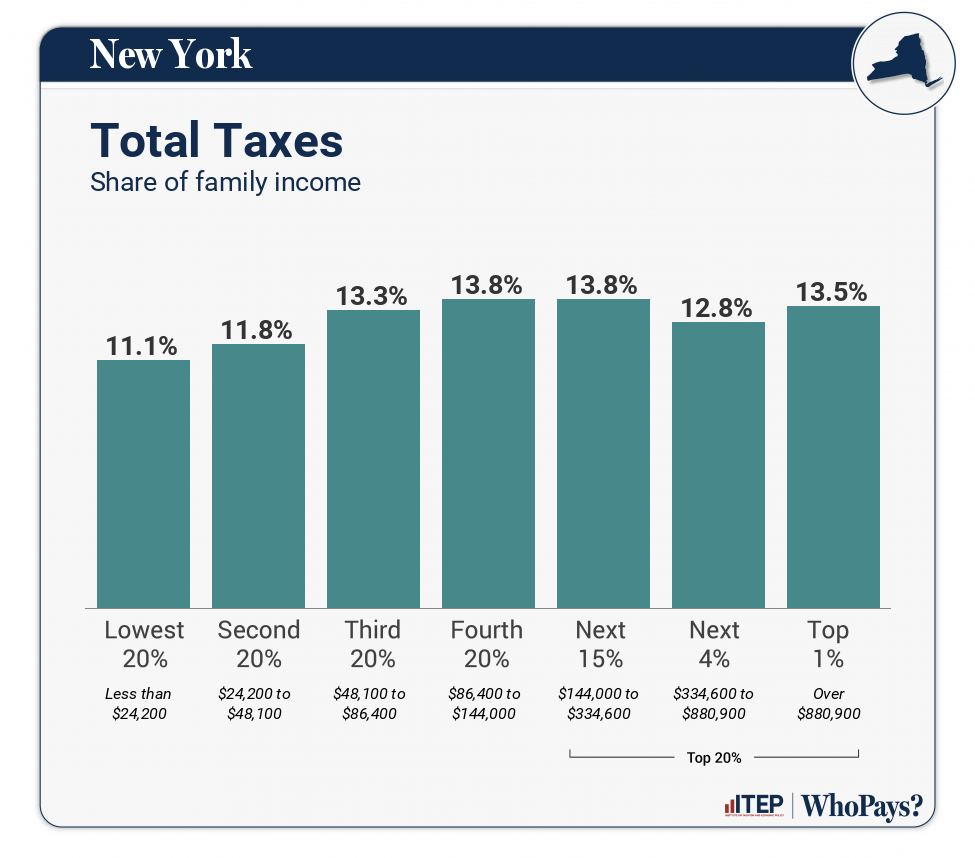
When you dine at New York‘s world-renowned restaurants, from casual eateries in Queens to fine dining establishments in Midtown Manhattan, you’ll be subject to the standard New York sales tax. This applies to the food and beverages you consume. Tipping is customary and is generally not taxed as part of the service charge; however, it’s a separate consideration for your budget.
For entertainment, such as tickets to a Broadway show at the Richard Rodgers Theatre or a sporting event at Madison Square Garden, the sales tax is also applied. Some venues might also add a “facility fee” or “service fee,” which is typically subject to sales tax as well. If you’re enjoying a night out at a club or bar, the drinks purchased will also have the sales tax added.
It’s important to distinguish between taxes and service charges. While sales tax is a government levy, service charges are sometimes added by establishments to cover service costs. These can sometimes be mandatory and may or may not be subject to sales tax depending on the specifics of the establishment’s policies and New York State tax laws.
Transportation and Other Local Taxes
Transportation costs in New York also come with their own tax considerations. The Metropolitan Transportation Authority (MTA), which operates subways, buses, and commuter rail lines throughout the New York metropolitan area, is funded in part by taxes and surcharges. While a standard subway or bus fare might not explicitly break down taxes, the overall cost of public transportation is influenced by the need to support this vast network.
For taxi and ride-sharing services like Uber and Lyft, there are often specific surcharges applied, particularly within New York City, which contribute to the funding of public transportation and other city services. These surcharges are generally added to the fare and are a mandatory part of the cost of using these services.
Rental cars are also subject to taxes. Beyond the standard sales tax, there are often specific excise taxes and airport concession fees levied on car rentals, especially if you pick up your vehicle at an airport like John F. Kennedy International Airport (JFK) or LaGuardia Airport (LGA). These can significantly increase the daily rental cost, so it’s crucial to factor them into your travel budget.
Planning Your Budget: Tips for Tax-Savvy Travel in New York
Given the various taxes in New York, a proactive approach to budgeting can save you money and prevent unwelcome surprises. Here are some tips to help you navigate the financial aspects of your trip with confidence.
Research and Compare Prices with Taxes in Mind
Before booking any accommodation, flights, or tours, take the time to research and compare prices. Many booking websites will provide an estimated total cost, including taxes and fees. However, it’s always a good idea to check the details, especially for hotel bookings. Look for the breakdown of the room rate versus the taxes and fees. For example, comparing the Marriott Marquis Times Square with a similarly priced hotel in a different New York borough might reveal significant differences in total cost due to varying occupancy tax rates.
When it comes to shopping, be aware of the New York City sales tax rate (8.875%). If you plan on making significant purchases, consider whether the item is significantly cheaper in New York than elsewhere, even with the added tax. For items that are not essential, you might decide to defer purchases until you are in a location with a lower sales tax.
Leveraging Tax-Exemptions and Off-Peak Travel
While not always applicable to tourists, understanding potential tax exemptions can be beneficial. For instance, certain organizations and diplomats may be exempt from sales tax. For the average traveler, however, the most effective way to manage tax burdens is through smart planning.
Consider traveling during the off-peak season. While this may not directly reduce the tax rates, lower demand can lead to lower base prices for hotels and flights, ultimately reducing the total amount of tax paid. For example, a visit in January might offer better deals on accommodation at popular hotels like the The St. Regis New York than during the peak summer months or holiday seasons.
Another strategy is to explore accommodation options outside the immediate tourist hotspots. Staying in a neighborhood slightly further from the main attractions in Manhattan, perhaps in parts of Brooklyn or Queens with good public transport links, can often result in lower hotel occupancy taxes. This can also offer a more authentic local experience, immersing you in the everyday lifestyle of New Yorkers.
Finally, always keep an eye out for special promotions or packages offered by hotels, attractions, or tour operators. These can sometimes include discounts that offset the impact of taxes. For example, a package deal for a stay at a resort that includes meals and activities might offer a better overall value than booking each component separately. By being informed and strategic, you can ensure your New York experience is memorable for all the right reasons, without being overwhelmed by unexpected taxes.
LifeOutOfTheBox is a participant in the Amazon Services LLC Associates Program, an affiliate advertising program designed to provide a means for sites to earn advertising fees by advertising and linking to Amazon.com. Amazon, the Amazon logo, AmazonSupply, and the AmazonSupply logo are trademarks of Amazon.com, Inc. or its affiliates. As an Amazon Associate we earn affiliate commissions from qualifying purchases.