
The iconic New York City Subway, a pulsating artery beneath the bustling metropolis, is far more than just a mode of transportation; it’s a living museum, a testament to New York‘s relentless drive for innovation and its enduring spirit. For millions of commuters and tourists alike, its rumbling carriages are a daily soundtrack, a constant presence weaving through the fabric of daily life in the Empire State. But as we descend into its subterranean depths, a natural question arises: just how old is this colossal engineering marvel? The answer, like the subway itself, is layered and rich with history.

The New York City Subway’s origins don’t trace back to a single, grand opening, but rather to a series of pioneering efforts and gradual expansions that began in the late 19th century. To truly understand its age, we must delve into its foundational moments, exploring the initial sparks of inspiration, the monumental challenges overcome, and the evolution into the sprawling system we know today. This journey will take us through the visionary minds, the groundbreaking technologies, and the social forces that shaped one of the world’s most extensive and complex rapid transit networks.
The Dawn of an Idea: Early Concepts and the First Underground Lines
The late 19th century was a period of unprecedented urban growth in New York City. As the population swelled, so did the congestion on its streets. Horse-drawn carriages, elevated railways, and ferries struggled to cope with the sheer volume of people needing to move across the city. The need for a more efficient, high-capacity transit system became acutely apparent. This pressing demand birthed the concept of an underground railway, a radical idea that would revolutionize urban travel.
The Interborough Rapid Transit Company and the Birth of the Subway
While various proposals for underground transit had been floated for years, it was the Interborough Rapid Transit Company (IRT) that ultimately brought the New York City Subway to life. Formed through the consolidation of several earlier transit companies, the IRT secured the contract to build and operate the city’s first underground line. The task was monumental, requiring unprecedented feats of engineering and construction. Digging through the dense urban landscape, beneath existing buildings and utilities, presented enormous challenges. Workers, often referred to as “muckers,” toiled under hazardous conditions, using pickaxes, shovels, and dynamite to carve out the tunnels.
The official inauguration of the New York City Subway, the first component of what would become the IRT, took place on October 27, 1904. On this momentous day, Mayor McClellan proudly declared the subway open, and the first public train departed from City Hall station, heading north. This initial line, running from City Hall in lower Manhattan to 145th Street in Harlem, was a groundbreaking achievement, marking New York City as a leader in urban infrastructure and setting a precedent for rapid transit systems worldwide. The original route, though a fraction of today’s network, was a vital lifeline, dramatically reducing travel times and opening up new areas of the city to development and habitation. The IRT’s success paved the way for further expansion, laying the groundwork for the subway to become an integral part of New York‘s identity. The sheer ambition of this project, undertaken over a century ago, speaks volumes about the forward-thinking nature of New York‘s early urban planners and engineers.
The Subway Expands: Mergers, Modernization, and the Rise of a Network

The success of the initial IRT line ignited further ambitions for subway expansion. The early 20th century witnessed a period of intense growth and consolidation within the transit industry. Other companies, recognizing the immense potential of underground rail, began to develop their own lines, leading to a complex and sometimes competitive landscape.
The Brooklyn-Manhattan Transit Corporation (BMT) and the Independent Subway System (IND)
Two other major players emerged alongside the IRT: the Brooklyn-Manhattan Transit Corporation (BMT) and the Independent Subway System (IND). The BMT inherited a network of elevated lines and acquired existing subway routes, further expanding the reach of the underground system, particularly into Brooklyn. The IND, on the other hand, was a later development, established by the city itself to provide a public alternative to the private companies. Its construction began in the late 1920s and its first lines opened in 1932. This era of competing and complementary systems, while complex, ultimately contributed to the vastness of the New York City Subway as we know it.
The interwar period saw significant advancements in subway technology and operational efficiency. Deeper tunnels were bored, more powerful electric trains were introduced, and signaling systems became more sophisticated. The subway became an essential component of New York City‘s economic engine, facilitating the movement of workers, goods, and ideas. Its ability to connect disparate neighborhoods and make commutes manageable was crucial to the city’s continued growth and its status as a global center. The consolidation of these various systems under public ownership in 1940 marked a pivotal moment, aiming to streamline operations and create a more unified and efficient network. This consolidation, though complex, laid the foundation for the modern Metropolitan Transportation Authority (MTA)’s oversight of the subway system.
The Subway Today: A Living Legacy and a Vital Hub
Over a century after its inception, the New York City Subway remains one of the most vital and dynamic urban transit systems in the world. It is an indispensable part of New York life, catering to the diverse needs of millions of residents and visitors, from the daily commuter rushing to work in Midtown Manhattan to the tourist eager to explore the vibrant neighborhoods of Queens or the Bronx. Its historical significance is palpable in its aging stations, its diverse rolling stock, and the very infrastructure that carries it through the city.
Navigating the Modern Subway: Challenges and Enduring Appeal
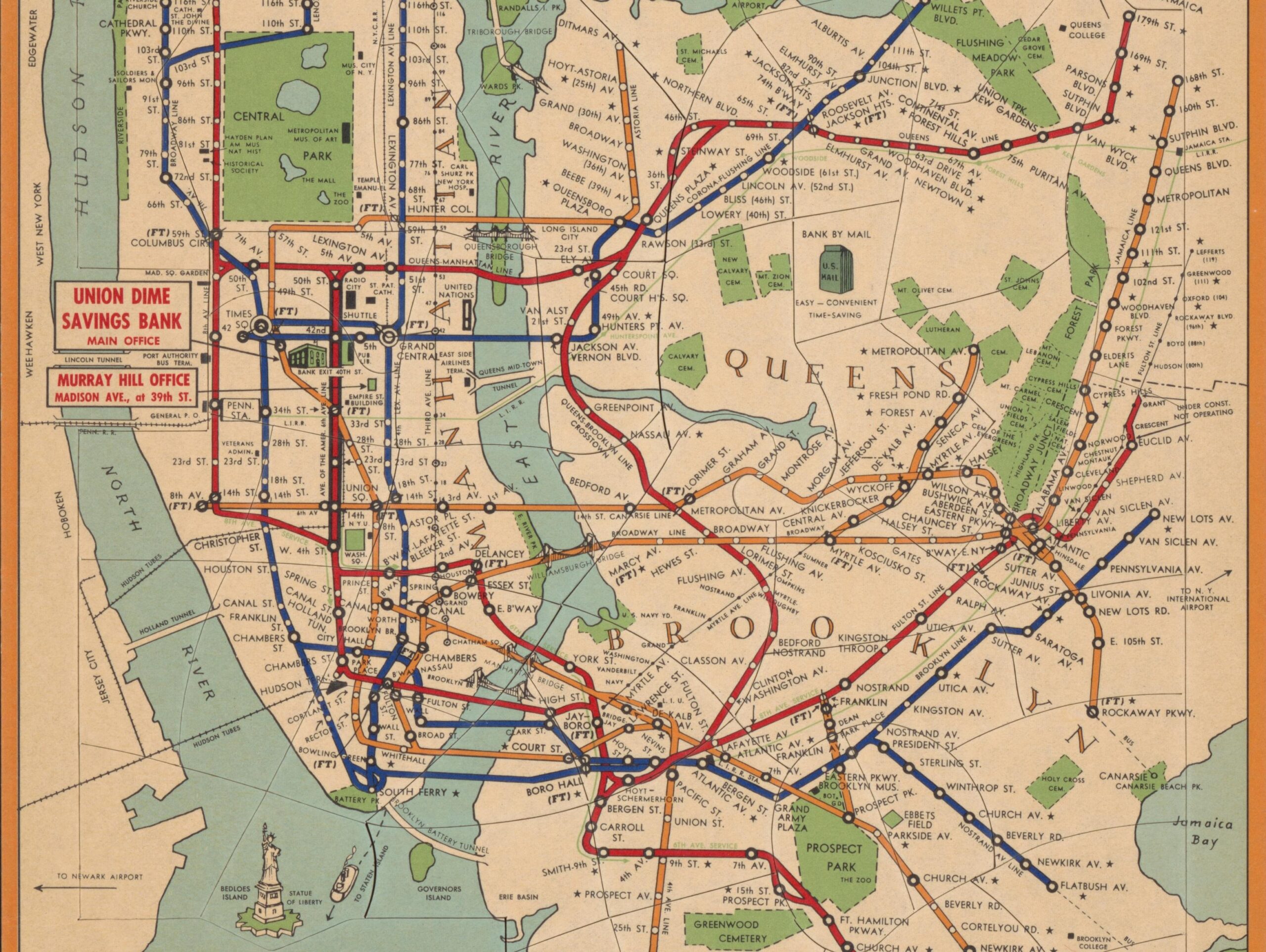
The subway system today is a vast network of 472 stations, with 28 lines serving the boroughs of Manhattan, Brooklyn, Queens, and the Bronx. It operates 24 hours a day, seven days a week, a testament to its unwavering commitment to serving the city. While it has faced its share of challenges, including aging infrastructure, funding issues, and the ever-present demands of a growing population, its enduring appeal and necessity are undeniable.
For travelers and locals alike, the subway offers an unparalleled way to experience the New York City experience. It is a democratic space, where people from all walks of life share the same journey. It’s a place for chance encounters, for observing the pulse of the city, and for gaining a unique perspective on its diverse communities. The New York City Subway is not just a series of tunnels and tracks; it is a living testament to human ingenuity, urban planning, and the relentless spirit of progress. Its origins in the early 20th century, particularly the opening of the first IRT line in 1904, place its foundational roots firmly in the historical landscape of New York. As it continues to evolve and adapt to the needs of the 21st century, its history remains a crucial part of its identity, reminding us of the deep roots and enduring legacy of this subterranean marvel. Whether you’re heading to the Statue of Liberty, the Times Square billboards, or a quiet cafe in Greenwich Village, the New York City Subway is likely your most reliable and authentic companion. Its age, measured from its pioneering beginnings, makes it a historical landmark in its own right, a crucial component of New York‘s rich tapestry of attractions and experiences.
LifeOutOfTheBox is a participant in the Amazon Services LLC Associates Program, an affiliate advertising program designed to provide a means for sites to earn advertising fees by advertising and linking to Amazon.com. Amazon, the Amazon logo, AmazonSupply, and the AmazonSupply logo are trademarks of Amazon.com, Inc. or its affiliates. As an Amazon Associate we earn affiliate commissions from qualifying purchases.