
When planning a trip to any major global metropolis, safety is invariably a paramount concern. For New York City, a destination that captivates millions with its iconic landmarks, vibrant culture, and unparalleled energy, this question is frequently at the forefront of travelers’ minds. The city that never sleeps is a tapestry woven from diverse neighborhoods, each with its unique character and rhythm. Understanding the nuances of safety in New York City involves looking beyond sensational headlines and delving into statistical realities, personal experiences, and practical advice. This comprehensive guide aims to demystify the safety landscape of New York City, providing travelers with the information they need to explore its wonders with confidence.
Understanding Safety in a Bustling Metropolis
New York City is a city of extremes – from its towering skyscrapers to its bustling streets, it’s a place that pulses with life. This inherent dynamism can sometimes lead to perceptions of danger, but it’s crucial to differentiate between the general vibrancy of urban living and actual threats. Historically, New York City has grappled with crime, but like many large cities worldwide, it has seen significant declines in crime rates over the past few decades. The focus today is on personal vigilance and awareness, which are key to navigating any urban environment safely.
Crime Statistics and Trends
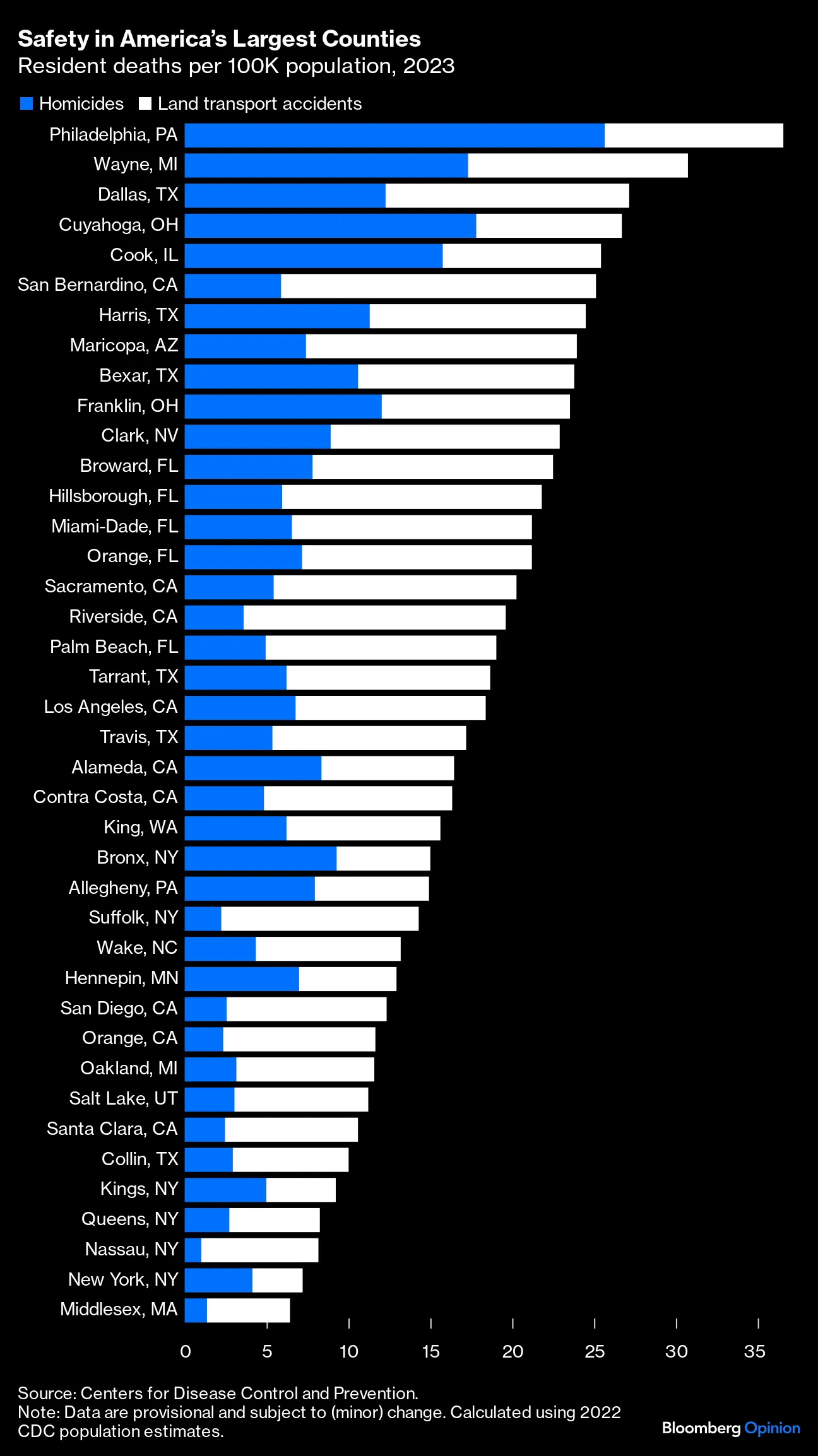
To accurately assess safety, it’s important to consult reliable data. Official crime statistics from the New York Police Department (NYPD) consistently show a downward trend in overall crime, including violent offenses, over the long term. While localized upticks or specific incidents can generate media attention, the broader picture is one of a city that has become demonstrably safer. The NYPD employs sophisticated strategies, including data-driven policing and community engagement, to maintain public safety. Understanding these trends helps to contextualize individual safety experiences and to avoid generalizations based on anecdotal evidence.
Perceptions vs. Reality
The perception of safety in New York City is often influenced by media portrayals and anecdotal stories, which can sometimes paint a more alarming picture than the statistical reality. It’s a common human tendency to remember negative experiences more vividly, and in a city with tens of millions of visitors annually, even rare incidents can seem more prevalent than they are. The reality is that millions of tourists visit New York City every year without incident, enjoying its world-class attractions like the Statue of Liberty, Times Square, and Central Park. The key lies in understanding that while New York City is a safe city for tourists, it is still a large urban center where common-sense precautions are essential, just as they would be in London or Paris.
Navigating New York City Safely
Safely enjoying New York City is largely about preparedness and awareness. The city’s extensive public transportation system, its walkable neighborhoods, and its vibrant nightlife all contribute to its allure, and with a few simple guidelines, visitors can maximize their enjoyment while minimizing risks.
Personal Safety Tips for Tourists
When exploring New York City, adopting a proactive approach to personal safety is always wise. This includes being aware of your surroundings, especially in crowded areas. While pickpocketing can occur, it’s less common in well-trafficked tourist spots than in some other major cities. However, it’s still advisable to keep valuables secure and to be mindful of your belongings.
- Situational Awareness: Always be aware of who is around you, especially in busy areas like Grand Central Terminal or during a performance at a Broadway theater. Avoid walking with your head buried in your phone.
- Valuables: Keep expensive jewelry, large amounts of cash, and unnecessary credit cards secured. Consider using a money belt or a secure cross-body bag.
- Nighttime Travel: While many parts of New York City are safe to explore at night, it’s generally recommended to stick to well-lit, populated areas. If traveling late, utilize taxis or ride-sharing services instead of walking alone through deserted streets.
- Trust Your Instincts: If a situation or an area feels uncomfortable, don’t hesitate to leave. Your intuition is a valuable safety tool.
Utilizing Public Transportation
The New York City subway system is an efficient and iconic way to traverse the city, connecting virtually every neighborhood and major attraction. While it can seem intimidating to newcomers, it is generally very safe for tourists, especially during daytime hours. The NYPD maintains a visible presence in subway stations and on trains, and the system is monitored extensively.

- During Peak Hours: The subway is busiest during morning and evening commutes, which can enhance safety due to the sheer volume of people.
- Late Night Travel: While the subway operates 24/7, service can be less frequent and stations less populated late at night. If traveling after midnight, consider waiting for a train on a well-lit platform and sitting in a car with other passengers.
- Travel with Companions: If possible, travel with friends or family, particularly when using the subway late at night.
- Know Your Route: Familiarize yourself with your route before you depart to avoid looking lost or disoriented, which can make you a more visible target. The MTA (Metropolitan Transportation Authority) offers resources for planning your journey.
Exploring Neighborhoods Safely
New York City is comprised of a diverse array of neighborhoods, each offering a unique glimpse into the city’s multifaceted identity. From the artistic hub of Greenwich Village to the historic charm of Harlem and the upscale boutiques of the Upper East Side, exploring these areas is a highlight of any visit. Most neighborhoods are perfectly safe for tourists to explore, but as with any urban exploration, a degree of caution is advisable.
- Research Your Destination: Before venturing into a new neighborhood, a quick online search can provide valuable insights into its character and any specific safety considerations.
- Daytime Exploration: Many neighborhoods are best explored during daylight hours to fully appreciate their sights and sounds.
- Stay on Main Streets: When in unfamiliar areas, sticking to well-trafficked streets and avenues generally enhances safety.
- Respect Local Culture: Understanding and respecting the local customs and culture of each neighborhood contributes to a more positive and safe experience for everyone.
Specific Safety Considerations and Advice
Beyond general precautions, certain aspects of New York City travel warrant specific attention to ensure a smooth and secure experience, whether you are staying in a luxurious suite at the Plaza Hotel or a budget-friendly apartment in Brooklyn.
Tourist Hotspots and Crowds
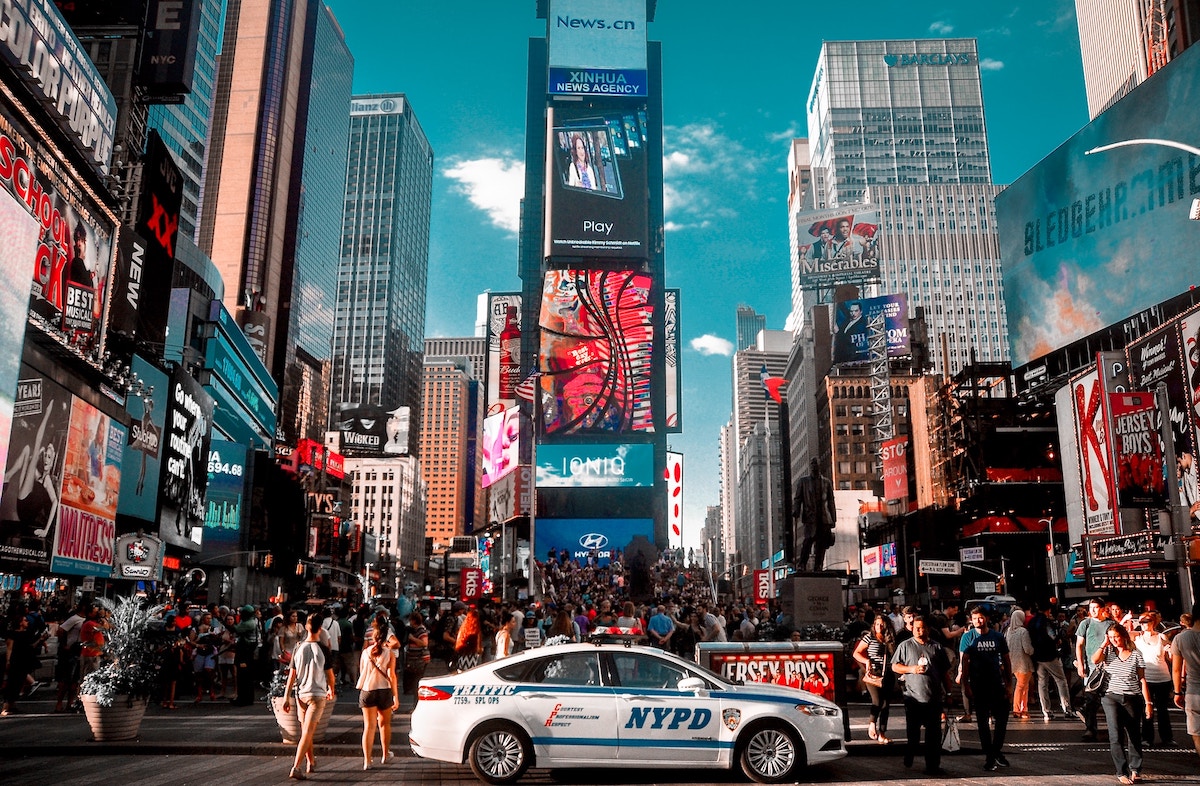
Iconic attractions like Times Square, the Empire State Building, and the Metropolitan Museum of Art are magnets for tourists and can become extremely crowded. While these locations are generally very safe due to high police presence and constant activity, the sheer density of people can present opportunities for petty crime.
- Guard Your Belongings: In crowded areas, keep your bags close and secure. Be particularly vigilant when taking photos or engaging with street performers.
- Be Aware of Your Surroundings: Crowds can be disorienting. Take a moment to orient yourself and be aware of exits and your group.
- Scams: Be wary of unsolicited offers or overly friendly strangers, especially those offering “free tours” or selling items at inflated prices. Common tourist scams in New York City often target visitors in high-traffic areas.
Accommodations and Hotel Safety
Choosing the right accommodation is crucial for a safe and comfortable stay. New York City offers an extensive range of hotels, from opulent resorts like the Grand Hyatt Hotel to boutique establishments and serviced apartments.
- Location, Location, Location: While many hotels are in safe and convenient areas, consider the immediate surroundings of your chosen accommodation. Read reviews that mention safety and neighborhood feel.
- Hotel Security: Reputable hotels have security measures in place, including key-card access to floors and 24-hour staffing. Ensure your hotel room door is always locked, even when you are inside.
- Valuables in Rooms: Utilize the hotel safe for passports, extra cash, and other important documents. Avoid leaving valuables unattended in your room.
- Be Wary of Unfamiliar People: Do not allow strangers into your room, even if they claim to be hotel staff. Always verify their identity with the front desk.
Food and Dining Experiences
New York City is a culinary paradise, offering everything from street food carts to Michelin-starred restaurants. Enjoying the diverse food scene is a highlight, and generally, dining in New York City is very safe.
- Street Food: Street vendors are a popular and often delicious option. Look for carts that appear clean and busy, indicating fresh food and good turnover.
- Restaurant Hygiene: Most restaurants in New York City adhere to strict health codes. The New York City Department of Health and Mental Hygiene (DOHMH) provides inspection scores that are often posted at restaurant entrances or available online.
- Alcohol Consumption: As with any city, responsible alcohol consumption is advised. Be aware of your limits and ensure you have safe transportation back to your accommodation.
In conclusion, New York City is a vibrant, dynamic, and largely safe destination for tourists. By employing common-sense precautions, staying informed, and maintaining situational awareness, visitors can confidently explore the endless wonders this magnificent city has to offer, from its world-renowned landmarks like the Brooklyn Bridge and Wall Street to its intimate local experiences and unforgettable culinary adventures. The key to a safe and enjoyable trip lies in preparation and a mindful approach to urban travel.
LifeOutOfTheBox is a participant in the Amazon Services LLC Associates Program, an affiliate advertising program designed to provide a means for sites to earn advertising fees by advertising and linking to Amazon.com. Amazon, the Amazon logo, AmazonSupply, and the AmazonSupply logo are trademarks of Amazon.com, Inc. or its affiliates. As an Amazon Associate we earn affiliate commissions from qualifying purchases.