
Navigating the New York rental market can feel like an expedition into uncharted territory, especially when your goal is to secure a rent-controlled apartment. These coveted units offer a unique opportunity for long-term affordability and stability in a city known for its soaring housing costs. While the prospect of finding one might seem daunting, understanding the landscape, the eligibility criteria, and the most effective search strategies can significantly improve your chances. This guide aims to demystify the process, equipping you with the knowledge to embark on your quest for a rent-controlled gem in the Empire State.
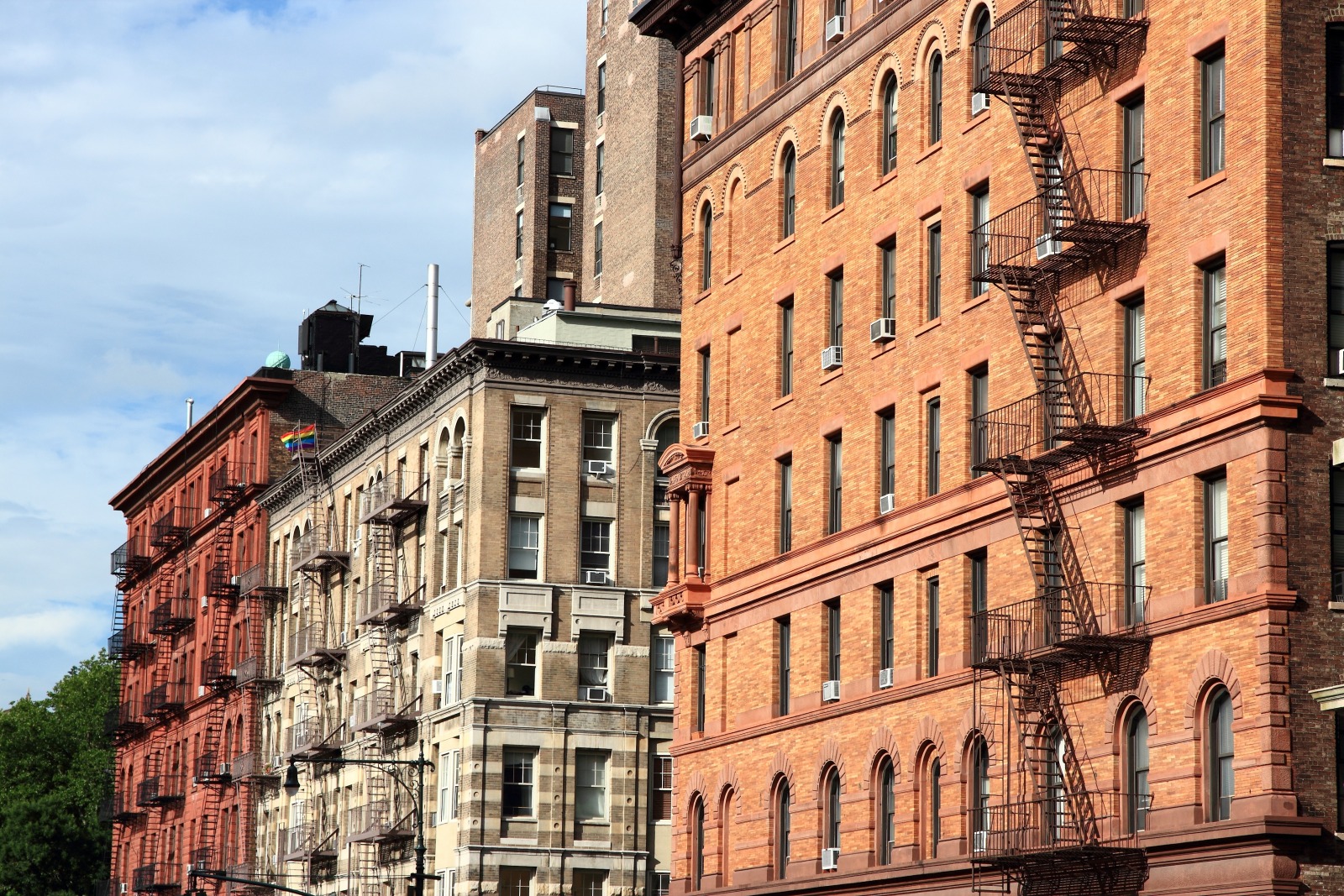
Understanding Rent Control and Rent Stabilization
Before diving into the search, it’s crucial to distinguish between rent control and rent stabilization, as these terms are often used interchangeably but have distinct implications. Both systems offer protection against dramatic rent increases, but they were enacted at different times and apply to different types of housing.
Rent Control: The Legacy of Affordability
Rent control is the older of the two systems, primarily applying to buildings that were occupied by tenants on or before July 1, 1971. Buildings with six or more dwelling units that were continuously occupied since that date are generally subject to rent control. The key characteristic of rent control is that the rent is set by a commission and can only be increased under very specific circumstances, such as a landlord making significant capital improvements. These apartments are exceptionally rare and highly sought after, as they offer the most stringent rent protections. Finding one often involves a stroke of luck or inheriting a lease from a family member.
Rent Stabilization: The More Common Protection
Rent stabilization, while still offering significant tenant protections, is more prevalent than rent control. Buildings with six or more apartments built or significantly renovated before January 1, 1974, are typically subject to rent stabilization. Leases are typically for one or two years, and rent increases are determined annually by the New York City Rent Guidelines Board. These increases are usually modest percentages, allowing tenants to budget and plan for future housing costs. While rent stabilization doesn’t offer the same absolute rent freeze as rent control, it provides a substantial buffer against the unpredictable market fluctuations that characterize much of the New York rental scene.
The Eligibility Maze: Who Qualifies?
The eligibility criteria for rent-controlled and rent-stabilized apartments are not solely based on the building’s status but also on specific tenant circumstances and the history of occupancy. Understanding these nuances is paramount to knowing where and how to focus your search.
Grandfathered Rights and Succession
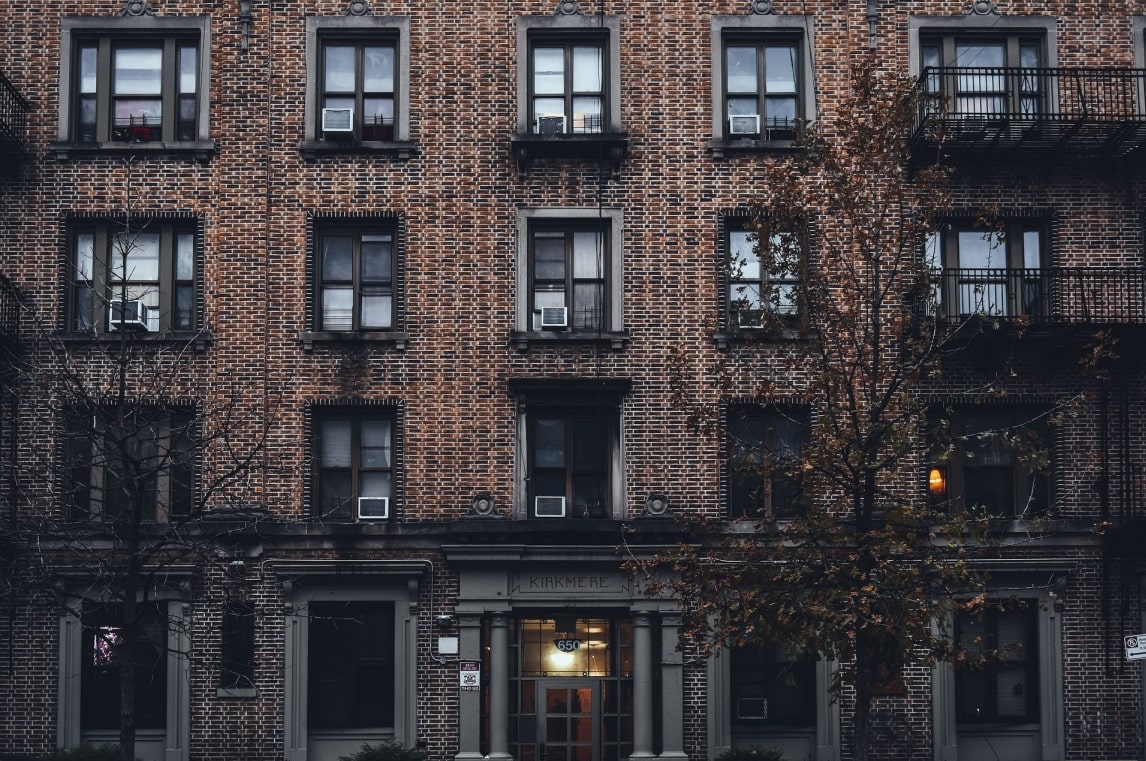
For rent-controlled apartments, the most common way to secure a unit is through “succession rights.” This means that if a tenant of record who has been living in a rent-controlled apartment for a significant period passes away or vacates, certain family members may have the right to inherit the lease. These rights are typically extended to spouses, adult children, or other family members who have been living in the apartment as their primary residence for at least two years prior to the original tenant’s departure. Proving succession can be a complex legal process, often requiring extensive documentation of cohabitation and dependency.
Senior Citizen and Disabled Tenant Protections
Both rent-controlled and rent-stabilized tenants who are senior citizens (62 years or older) or are disabled, and who have been living in their apartment for at least 15 consecutive years, may have additional protections. These protections can include the right to a lifetime lease, offering even greater security and preventing eviction due to rent increases that they cannot afford. These provisions are designed to ensure that long-term residents, particularly vulnerable populations, are not displaced from their homes.
Strategies for Finding a Rent Controlled Apartment
The search for a rent-controlled apartment is not a walk in the park. It requires patience, persistence, and a strategic approach that goes beyond the typical apartment hunting methods.
Leveraging Online Resources and Tenant Advocacy Groups
While dedicated listings for rent-controlled apartments are scarce, several online platforms and organizations can be invaluable. Websites that specialize in New York rentals might occasionally feature units with rent stabilization, though rent control listings are extremely rare. Your best bet is to connect with tenant advocacy groups and housing organizations in New York City. Organizations like the Metropolitan Council on Housing or Good Old Lower East Side (GOLES) often have updated information on available units, offer counseling, and can provide guidance on the application process. They may also have insider knowledge of buildings where tenants are looking to vacate or pass on their leases.
Networking and Word-of-Mouth
In the quest for rent-controlled apartments, word-of-mouth remains a powerful tool. Engage with long-time residents of older neighborhoods, particularly those in areas with a history of rent-regulated housing. Striking up conversations with neighbors, community leaders, or even building superintendents in pre-1974 buildings can sometimes lead to leads. Many rent-controlled or stabilized apartments change hands through personal networks rather than public listings. Don’t underestimate the power of community connections.

Understanding the Legal Framework and Tenant Rights
Familiarizing yourself with New York State and City housing laws is essential. The Division of Housing and Community Renewal (DHCR) is the state agency responsible for overseeing rent regulation. Their website provides a wealth of information on tenant rights, landlord obligations, and the regulations governing rent-controlled and rent-stabilized apartments. Understanding these laws will empower you to navigate negotiations, recognize potential scams, and advocate for yourself effectively throughout the process. If you are considering a succession claim or have questions about your rights, consulting with a housing attorney specializing in New York tenant law is highly recommended. They can help you understand the complexities of rent-regulated leases and ensure you are protected.
In conclusion, finding a rent-controlled apartment in New York is a challenging but not impossible endeavor. It requires a deep understanding of the regulatory landscape, persistent searching through specialized channels, and leveraging community networks. While the market may seem daunting, with the right knowledge and approach, you can significantly increase your chances of securing a stable and affordable home in one of the world’s most dynamic cities. Remember, patience and due diligence are your greatest allies in this unique real estate pursuit.
LifeOutOfTheBox is a participant in the Amazon Services LLC Associates Program, an affiliate advertising program designed to provide a means for sites to earn advertising fees by advertising and linking to Amazon.com. Amazon, the Amazon logo, AmazonSupply, and the AmazonSupply logo are trademarks of Amazon.com, Inc. or its affiliates. As an Amazon Associate we earn affiliate commissions from qualifying purchases.