
For many travelers planning a visit to the sprawling, diverse landscapes of Texas, understanding the local laws and regulations is paramount, especially when it comes to evolving topics like marijuana legality. With a reputation for strict laws, and positioned within a nation where cannabis policies vary wildly from state to state, the question “Is marijuana illegal in Texas?” is more complex than a simple yes or no. For those considering a trip to iconic cities like Austin, Dallas, Houston, or San Antonio, grasping the nuances of Texas’s cannabis laws is crucial for a hassle-free and enjoyable travel experience. This guide will delve into the current legal status, implications for travelers, and what you need to know to ensure your Texas adventure remains firmly within legal boundaries.
The Current Legal Landscape for Cannabis in Texas
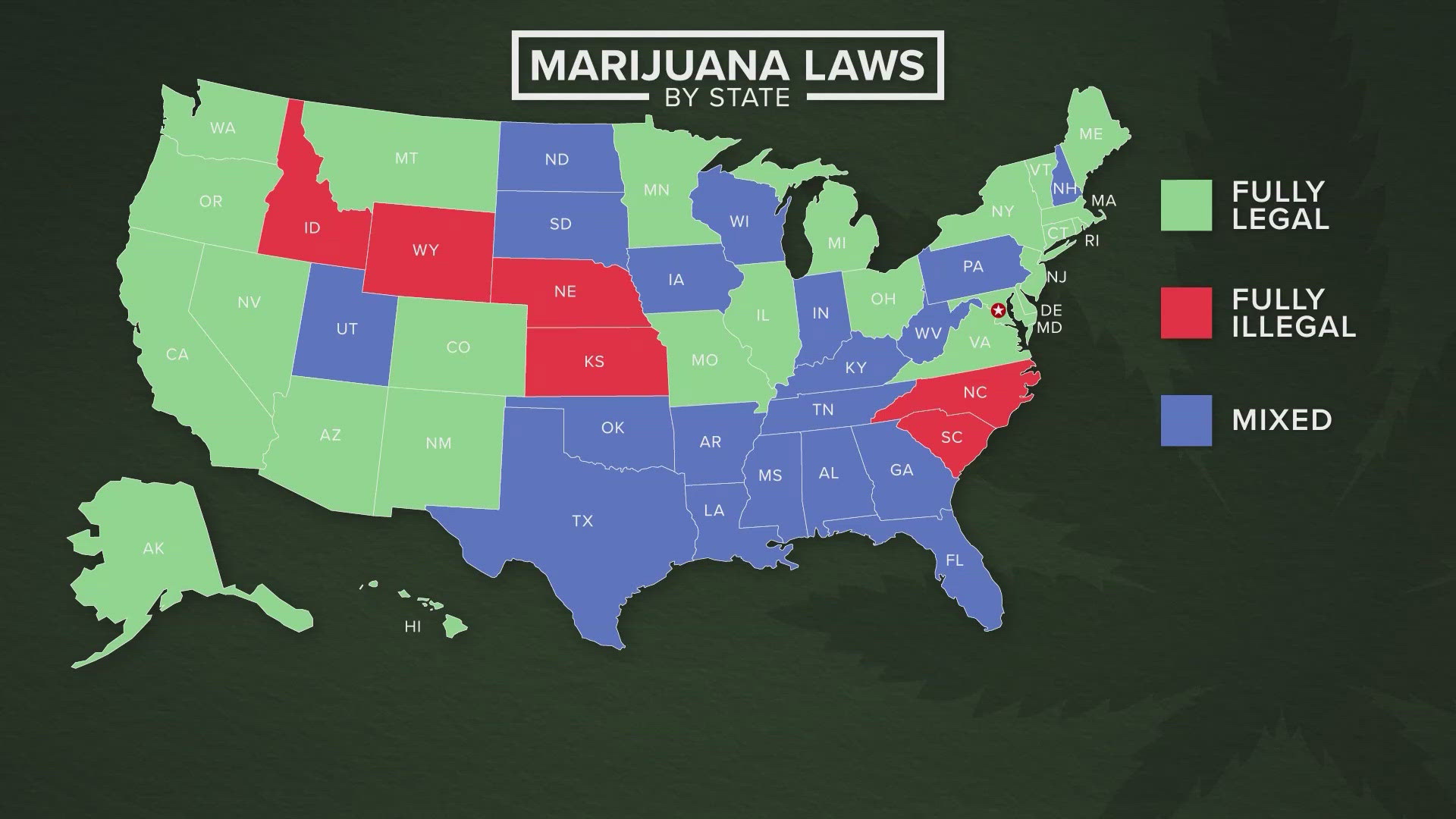
When discussing marijuana in Texas, it’s essential to understand that the state’s approach is significantly more conservative than many other parts of the United States. Despite a nationwide trend towards legalization for medical or recreational use, Texas largely maintains a prohibitionist stance.
Federal Law vs. State Law: A Persistent Conflict
At the federal level, cannabis remains classified as a Schedule I controlled substance under the Controlled Substances Act, meaning it is illegal nationwide. This federal prohibition creates a complicated legal patchwork across the United States, where states are increasingly moving to legalize. In Texas, state law aligns more closely with federal prohibition, but with some notable distinctions and evolving interpretations. While some states have outright defied federal law, Texas has opted for a more cautious and limited approach, primarily focusing on specific medical applications and low-THC cannabis products. This creates a critical distinction that travelers must appreciate: even if cannabis is legal in your home state or country, it does not mean it is legal to possess or use in Texas.
Marijuana (Cannabis) – What’s the Law?
Broadly speaking, recreational marijuana is illegal in Texas. Possession of even small amounts can lead to significant penalties.
- Possession of Marijuana (POM):
- Possession of two ounces or less is a Class B misdemeanor, punishable by up to 180 days in jail and/or a fine of up to $2,000.
- Possession of between two and four ounces is a Class A misdemeanor, with potential jail time of up to one year and/or a fine of up to $4,000.
- Amounts exceeding four ounces escalate to felony charges, carrying much more severe penalties, including state prison time and substantial fines.
- Delivery or Distribution: Selling or distributing marijuana in Texas carries even harsher penalties, ranging from state jail felonies to first-degree felonies, depending on the amount and circumstances.
- Cultivation: Growing marijuana is also a serious offense, often treated similarly to possession with intent to distribute, with penalties increasing based on the number of plants.
It is crucial for visitors to understand that these laws are actively enforced by state and local law enforcement agencies across Texas. Ignoring these regulations can lead to a ruined trip, legal fees, and a criminal record, which can have long-lasting implications for future travel and other aspects of life.
Decriminalization Efforts and Local Policies
While the state law remains stringent, some cities within Texas have adopted local policies aimed at reducing the impact of marijuana arrests on individuals and the justice system. For instance, Austin, Dallas, Houston, San Antonio, and El Paso have, at various points, implemented “cite and release” programs or specific directives to police officers. These policies often mean that instead of immediate arrest for small amounts of marijuana, individuals may receive a citation and be released, or in some cases, police may be directed to prioritize other offenses.
However, it is vital to remember that these are local policies, not changes to state law. The underlying state law making marijuana illegal remains in effect. An officer in a “cite and release” city still has the discretion to make an arrest, especially if there are other contributing factors or if the amount of cannabis exceeds the threshold for the local policy. Furthermore, not all cities in Texas, such as Fort Worth, Corpus Christi, Plano, Laredo, Lubbock, or Amarillo, have adopted such measures, meaning visitors could face immediate arrest in other jurisdictions. Relying on local nuances without a thorough understanding of their limitations is risky for travelers.
Navigating Texas as a Traveler: Cannabis and Your Trip
For those exploring Texas’s vibrant culture, breathtaking natural beauty, and historical landmarks, understanding how cannabis laws intersect with travel is critical. From booking accommodations to visiting attractions, adherence to local statutes is key.
Impact on Travel and Tourism
The strict cannabis laws in Texas directly impact how travelers can and should approach their trip. Unlike states with legal recreational markets, you will not find dispensaries in Texas catering to adult-use recreational cannabis. Attempting to purchase or transport marijuana into Texas from other states or countries is highly illegal and carries severe risks.
- Airports and Transportation: The Transportation Security Administration (TSA) operates under federal law, meaning cannabis is prohibited on flights, even if traveling between two states where it is legal. While the TSA’s primary focus is security threats, if they discover marijuana, they are required to refer the matter to law enforcement. For international travelers, U.S. Customs and Border Protection (CBP) strictly enforces federal law, and bringing cannabis across international borders into Texas will lead to arrest and potential denial of entry into the United States.
- Road Travel: Driving through Texas with marijuana, even if acquired legally elsewhere, is illegal. State troopers and local police regularly patrol highways, and vehicle stops could lead to searches if there is probable cause, resulting in arrests for possession.
Accommodation and Cannabis
When choosing accommodation in Texas, whether it’s a luxury hotel, a quaint bed and breakfast, or an Airbnb, remember that smoking or consuming marijuana on private property is generally not permitted, regardless of the property owner’s personal views.
- Hotels: Most hotels have strict no-smoking policies, often extending to vaping. Violating these policies can result in significant cleaning fees, eviction, and potential legal trouble if law enforcement is involved. Even if a hotel were to tolerate cannabis use, doing so remains illegal under state law.
- Short-Term Rentals (e.g., Airbnb, VRBO): While private residences might seem more lenient, the host’s rules and local ordinances apply. Furthermore, the underlying illegality of cannabis in Texas means that even if a host permits it, you are still breaking state law, putting yourself at risk. It’s always safest to assume that cannabis consumption is not allowed and could lead to legal repercussions.
Public vs. Private Consumption
As recreational marijuana is illegal, there’s no distinction between public and private consumption for legal purposes. Any consumption or possession is illegal. Engaging in such activities in public spaces—such as parks, beaches like South Padre Island, entertainment districts like Sixth Street in Austin, or historical sites like the Alamo or Riverwalk in San Antonio—is particularly risky and can lead to immediate law enforcement intervention. Even in private settings, the act remains against state law, and discovery could result in charges.
Medical Marijuana and CBD in Texas
While recreational marijuana faces staunch opposition, Texas has made limited strides in legalizing certain cannabis products for specific medical conditions. It’s crucial to differentiate these highly restricted programs from broad medical or recreational cannabis markets found in other states.
The Texas Compassionate Use Program (TCUP)
The Texas Compassionate Use Program (TCUP) was established in 2015 and has been expanded several times since. However, it remains one of the most restrictive medical cannabis programs in the United States.
- Limited Conditions: Initially, the program only covered intractable epilepsy. It has since expanded to include other severe conditions such as multiple sclerosis (MS), spasticity, autism, terminal cancer, and certain neurological disorders. Unlike most medical marijuana programs, TCUP does not cover chronic pain or a broad range of other common ailments.
- Low-THC Cannabis: TCUP strictly limits the THC content of prescribed products to 0.5% by weight. This means patients receive low-THC cannabis oil, not traditional high-THC flower or concentrates.
- No Smoking: The program explicitly prohibits the smoking of cannabis. Products must be consumed through other methods, such as oils, tinctures, or edibles.
- Physician Prescription: Patients must obtain a prescription from a qualified physician registered with the program. There is no traditional “medical marijuana card” system as seen in many other states.
For travelers, it is highly unlikely that out-of-state medical marijuana cards or prescriptions would be recognized in Texas under TCUP. Attempting to use cannabis legally obtained elsewhere, even for medical purposes, is illegal in Texas if it falls outside the narrow scope of the state’s program.
CBD and Delta-8 THC: A Different Story
The legal status of certain cannabis-derived products in Texas can be confusing, particularly concerning CBD and Delta-8 THC.
- CBD (Cannabidiol): Thanks to the 2018 Farm Bill, hemp-derived CBD products containing less than 0.3% Delta-9 THC (the main psychoactive component of marijuana) are legal in Texas. You can find CBD oils, edibles, and topicals readily available in stores across the state. These products are non-intoxicating and are often used for wellness purposes.
- Delta-8 THC: This cannabinoid, also derived from hemp, gained significant popularity because it can produce a mild psychoactive effect, similar to Delta-9 THC but generally less potent. For a period, Delta-8 THC products were widely available in Texas, existing in a legal gray area because they typically contain less than 0.3% Delta-9 THC. However, the legal status of Delta-8 THC has been challenged and remains somewhat contentious. While currently accessible in many shops, its legality could be subject to future legislative or judicial action. For travelers, relying on the availability of Delta-8 is a risk, as its legal standing is not as robust or clear-cut as that of CBD.
Travelers considering purchasing or using CBD or Delta-8 THC products should exercise caution. Always check the product’s lab reports to ensure it complies with the less than 0.3% Delta-9 THC threshold. Mislabeling or products containing higher levels of Delta-9 THC could lead to legal issues.
Planning Your Texas Lifestyle and Travel Experience
Visiting Texas offers an incredible array of experiences, from exploring the historic Alamo to stargazing in Big Bend National Park or marveling at the innovation at NASA Johnson Space Center. Ensuring your trip is memorable for the right reasons means prioritizing legal compliance.
Responsible Travel in Texas
The key to a worry-free visit to Texas is to understand and respect its laws. Do not assume that cannabis laws in Texas are similar to those in your home state or other popular travel destinations. Ignorance of the law is not a defense, and legal consequences can be severe.
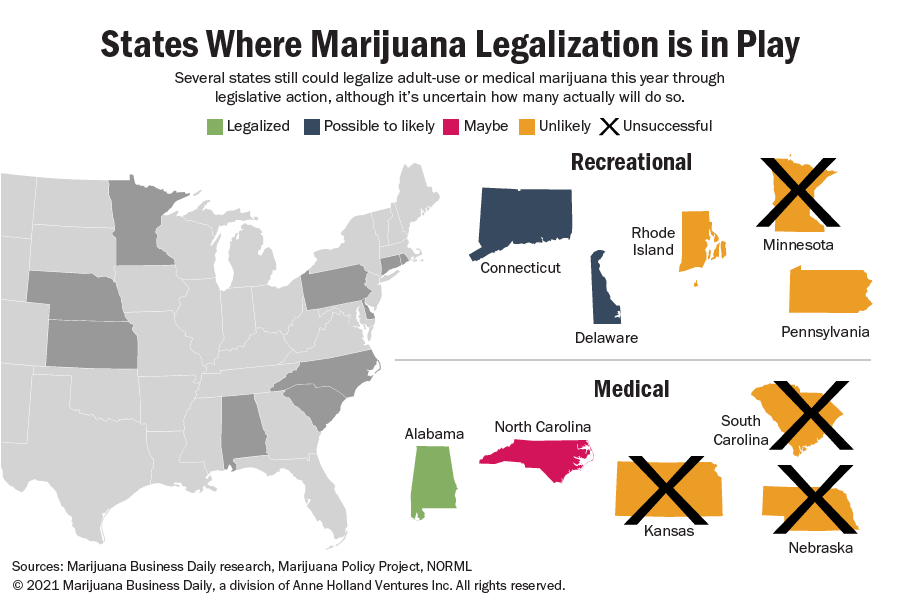
- Stay Informed: Laws can change. While the Texas Legislature, including the House of Representatives and Senate, and the Governor, occasionally consider cannabis-related legislation, significant changes to recreational use are not anticipated in the immediate future. Always consult up-to-date, reliable sources for the latest legal information.
- Avoid Risky Behavior: Do not purchase cannabis from illicit sources. Do not consume cannabis in public or private accommodations where it is prohibited. Do not drive under the influence of cannabis.
- Focus on Legal Pleasures: Texas has so much to offer. Immerse yourself in the rich history of Galveston, hike the stunning trails of Guadalupe Mountains National Park, experience the unique art scene of Marfa, or savor the world-famous barbecue and Tex-Mex cuisine. There are countless legal and exciting ways to enjoy the Lone Star State.
Legal Consequences for Visitors
For travelers, getting caught with marijuana in Texas can lead to:
- Arrest and Incarceration: Even for small amounts, an arrest is possible, leading to jail time.
- Fines and Legal Fees: Substantial financial penalties, including court costs and attorney fees, can quickly accumulate.
- Criminal Record: A conviction can result in a permanent criminal record, which can impact future employment, housing, and especially international travel. For non-U.S. citizens, a drug conviction can have severe immigration consequences, including deportation or denial of future entry into the United States.
- Vehicle Impoundment: If caught driving with marijuana, your vehicle may be impounded.
Enjoying Texas Legally
Instead of risking legal troubles, focus on the abundant and diverse experiences that Texas offers. From the bustling metropolitan areas with world-class museums and entertainment to the tranquil beauty of its state parks and Gulf Coast beaches, Texas provides a unique blend of adventure, culture, and relaxation. Plan your itinerary around its vibrant music scenes, culinary delights, historical sites, and outdoor activities. By understanding and respecting the legal framework, you ensure your journey through the Lone Star State is safe, enriching, and unforgettable.
In conclusion, the answer to “Is marijuana illegal in Texas?” is a resounding yes for recreational use. While some nuanced exceptions exist for limited medical purposes and federally compliant hemp-derived products, travelers should proceed with extreme caution and assume that cannabis is prohibited. Your best bet for an enjoyable and trouble-free trip to Texas is to fully comply with state laws and immerse yourself in the countless legal wonders this magnificent state has to offer.
LifeOutOfTheBox is a participant in the Amazon Services LLC Associates Program, an affiliate advertising program designed to provide a means for sites to earn advertising fees by advertising and linking to Amazon.com. Amazon, the Amazon logo, AmazonSupply, and the AmazonSupply logo are trademarks of Amazon.com, Inc. or its affiliates. As an Amazon Associate we earn affiliate commissions from qualifying purchases.