
The tantalizing aroma of freshly baked pizza is a universal language, understood and adored across the globe. In the vast landscape of pizza offerings, “New York Style” holds a particular allure, evoking images of iconic pizzerias and foldable slices enjoyed on bustling city streets. When a global titan like Domino’s introduces its interpretation of this classic, it naturally sparks curiosity. This article delves into what “New York Style Pizza” means within the context of Domino’s, exploring its characteristics, how it differs from traditional offerings, and what travelers and food enthusiasts can expect when ordering this familiar yet potentially unique culinary experience.

The concept of “New York Style Pizza” is deeply ingrained in the culinary identity of New York City. It’s more than just a pizza; it’s an experience. Traditionally, this style is characterized by its large, thin crust that is hand-tossed and slightly chewy, with a crispy bottom. The crust’s pliability is key, allowing for the iconic fold that makes it a perfect on-the-go meal. The sauce is typically a simple, bright tomato sauce, and the cheese is mozzarella, often applied generously. The resulting pizza is a delicate balance of textures and flavors, designed to be both satisfying and light enough to enjoy in abundance.
When Domino’s ventures to replicate this renowned style, it faces the challenge of translating an artisanal, region-specific product into a standardized, globally accessible offering. This raises pertinent questions for consumers, particularly those who appreciate the nuances of different pizza traditions. For travelers exploring new destinations, understanding these variations can enrich their tourism experiences, guiding them towards authentic local flavors or allowing them to find comfort in familiar tastes.
The Domino’s Interpretation of New York Style Pizza
Crust Characteristics and Dough Formulation
The foundation of any great pizza lies in its crust. For Domino’s “New York Style Pizza,” the primary objective is to mimic the signature hand-tossed, thin, and foldable crust associated with its namesake city. This involves a specific dough formulation and preparation method. While the exact recipe remains a trade secret, it’s understood that the dough is designed to be stretched thin and baked at high temperatures to achieve a desirable crispness on the exterior while maintaining a slightly tender and pliable interior.
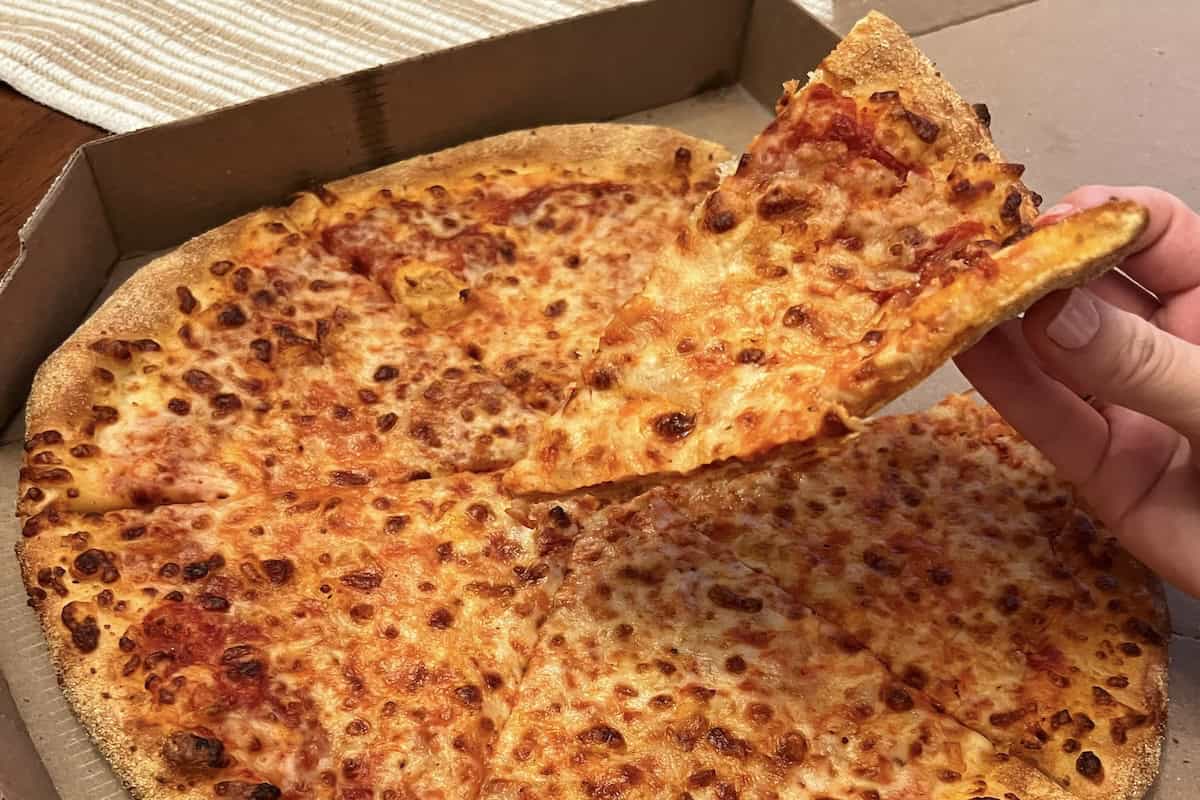
Unlike the thicker, often doughier crusts found on some of Domino’s other pizzas, the New York Style aims for a lighter, more delicate base. This is crucial for achieving the characteristic “fold.” The ability to fold a slice in half lengthwise is a hallmark of authentic New York Style Pizza, preventing toppings from sliding off and making it easier to eat. Domino’s efforts are directed towards replicating this structural integrity and textural nuance.
The baking process also plays a vital role. High heat and potentially the use of pizza stones or screens help to ensure even cooking and develop the desired crispness without overcooking the toppings. The aim is to achieve that satisfying crunch as you bite into the crust, followed by a pleasant chewiness. This attention to the crust is fundamental to distinguishing Domino’s New York Style offering from its other pizza lines, which might feature thicker, pan-style, or stuffed crusts.
Toppings and Sauce – A Nod to Tradition
While the crust is often the most defining element of New York Style Pizza, the toppings and sauce are also important components that contribute to the overall experience. Domino’s New York Style Pizza typically features a classic combination, aligning with the minimalist approach often favored in authentic New York pizzerias. This usually means a vibrant tomato sauce, not overly sweet or seasoned, allowing the natural flavor of the tomatoes to shine through. The cheese is predominantly mozzarella, known for its excellent melting properties and slightly creamy, mild flavor.
The simplicity of the topping allows the quality of the crust and the balance of flavors to be appreciated. While Domino’s offers a wide array of toppings on its standard pizzas, the New York Style often emphasizes fewer, higher-quality ingredients. This focus on a more traditional profile makes it a more accurate representation of the style. Customers can often choose to add other toppings, but the base offering is designed to be a faithful homage.
For those accustomed to the rich, complex sauces or abundant, diverse toppings of other pizza styles, Domino’s New York Style Pizza might present a more restrained flavor profile. This is not a flaw but a characteristic of the style itself. It’s about savoring the interplay between the tangy sauce, the gooey cheese, and the perfectly cooked crust. This is particularly relevant for travelers seeking to understand local food cultures; even when engaging with a global chain, recognizing stylistic differences provides a more nuanced appreciation.
Comparing Domino’s New York Style to Authentic Offerings
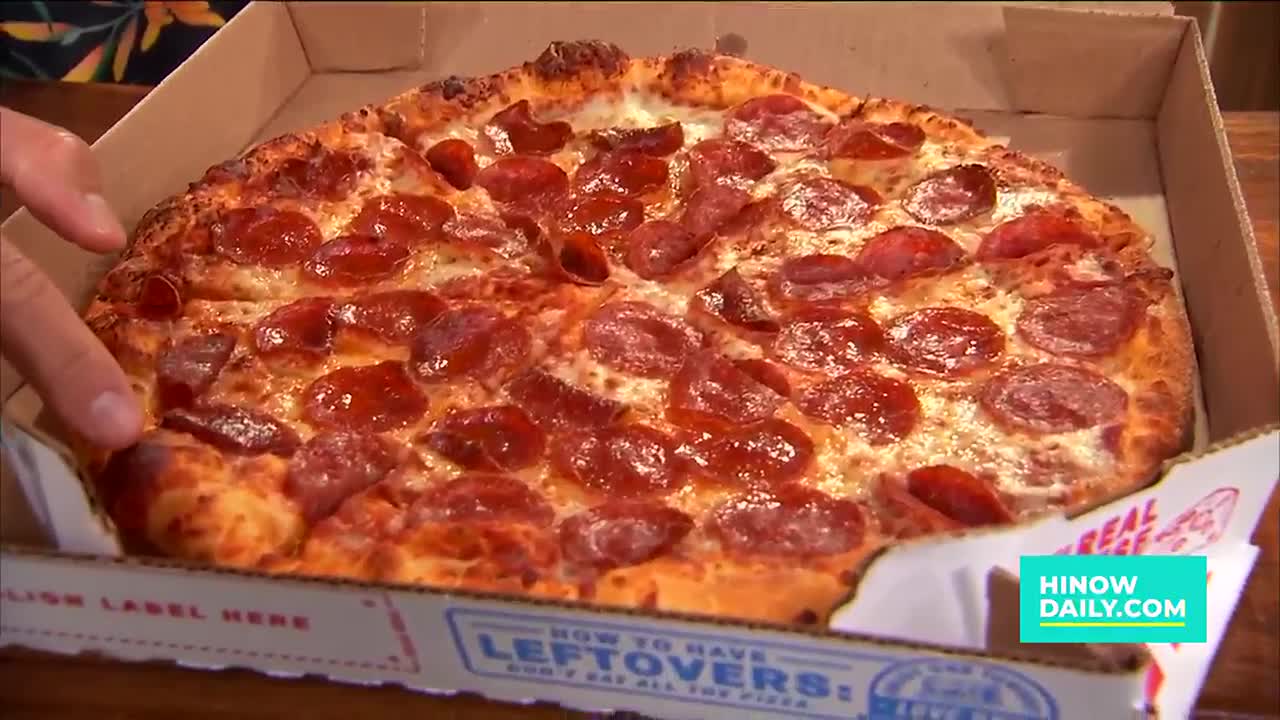
The question inevitably arises: how does Domino’s version stack up against the genuine article found in the iconic pizzerias of New York City? The answer, as with many large-scale chain adaptations of regional specialties, lies in nuance and expectation.
The Experience of Authenticity
Authentic New York Style Pizza is often the product of generations of tradition, local ingredients, and the skill of individual pizzaiolos. The water in New York City itself is sometimes credited with contributing to the unique texture and flavor of the dough. Furthermore, the high-heat, deck ovens used in traditional pizzerias create a distinct char and crispness that can be challenging to replicate consistently in a mass-production environment.
The experience of enjoying a slice from a renowned New York pizzeria is also about the setting – the bustling streets, the lively atmosphere, the quick service. It’s a sensory immersion that a global chain, by its very nature, cannot fully replicate. For travelers, seeking out these local establishments is often a key part of exploring a city’s tourism and lifestyle.
Domino’s Approach to Standardization
Domino’s, as a global enterprise, operates on a model of standardization. This ensures that a customer can generally expect a similar product regardless of their location. When they introduce a “New York Style Pizza,” their goal is to capture the essence of the style – the thin, foldable crust, the classic toppings – in a way that is reproducible across their network of franchises.
This standardization means that while Domino’s New York Style Pizza might not possess the subtle complexities or unique character of a neighborhood New York institution, it offers a reliable and recognizable interpretation. It can serve as a familiar option for those who enjoy the style or as an accessible entry point for those curious to experience its key features. For budget travel or when seeking a convenient meal during a busy itinerary, this accessibility is a significant advantage.
Culinary Tourism and Global Palates
The existence of Domino’s “New York Style Pizza” is a testament to the global reach of iconic food trends. It reflects how different cultures and culinary traditions are interpreted and adapted by international brands. This phenomenon is particularly relevant to the world of culinary tourism, where travelers often seek out unique food experiences that are representative of a region’s lifestyle and local culture.
The Globalization of Taste
As people travel more, they are exposed to a wider variety of cuisines and food styles. This exposure, in turn, fuels demand for these styles to be available even outside their original locations. Domino’s, like many other food chains, capitalizes on this by offering products that cater to these globally recognized tastes. The “New York Style Pizza” is a prime example of a culinary export that has transcended its geographical origins.
For travelers, understanding these adaptations can be part of the journey. It allows for comparisons, discussions, and a broader appreciation of how food travels and evolves. It also highlights the importance of distinguishing between an authentic, locally produced item and a globally standardized interpretation. While both can offer enjoyment, they provide different insights into the culinary landscape.
Navigating Diverse Accommodation and Dining
When exploring new destinations, from the bustling metropolis of New York City to more secluded resorts in Europe, travelers often encounter a diverse range of dining options. This can include everything from high-end restaurants to humble street food stalls, and of course, global pizza chains. Knowing what to expect from different offerings, such as Domino’s New York Style Pizza, can help in making informed choices that align with personal preferences and travel goals.
Whether one is staying in a luxurious suite at the Plaza Hotel or a budget-friendly apartment booked through an online platform, the availability of familiar food options can be comforting. However, for those seeking genuine travel experiences and a deep dive into local food, venturing beyond the predictable is often rewarded. Domino’s New York Style Pizza, while a recognizable name, encourages a conversation about authenticity, global reach, and the enduring appeal of a classic slice. It invites us to consider what makes a pizza “New York Style” and how that identity is maintained, or transformed, on a global stage.
LifeOutOfTheBox is a participant in the Amazon Services LLC Associates Program, an affiliate advertising program designed to provide a means for sites to earn advertising fees by advertising and linking to Amazon.com. Amazon, the Amazon logo, AmazonSupply, and the AmazonSupply logo are trademarks of Amazon.com, Inc. or its affiliates. As an Amazon Associate we earn affiliate commissions from qualifying purchases.