
The allure of New York is undeniable. From the iconic skyline of Manhattan to the vibrant neighborhoods of the Bronx, Brooklyn, Queens, and Staten Island, the Empire State is a magnet for dreams and aspirations. People flock to New York seeking opportunity, cultural richness, and the unique energy that pulsates through its streets. But beyond the dazzling lights and world-class attractions, a significant question often arises for those considering a move or navigating life within this bustling metropolis: what is the average salary in New York?
Understanding the financial landscape is crucial for anyone planning a visit, considering a long-term stay, or even dreaming of making New York their home. While the idea of New York conjures images of luxury hotels and high-end dining, it’s also a city where a diverse range of salaries exists, influencing everything from accommodation choices to the types of experiences one can afford. This exploration delves into the average salary in New York, examining the factors that shape it and how it impacts the lifestyle and travel opportunities available within this extraordinary state.

Understanding the New York Salary Landscape
The term “average salary” in New York is a broad stroke that encompasses a vast spectrum of professions, industries, and geographical locations within the state. New York is not a monolith; its economy is incredibly diverse, ranging from the financial hub of Wall Street to the agricultural regions of upstate. Therefore, a single average salary can be misleading without considering the nuances.
Factors Influencing Salary Averages
Several key factors contribute to the wide variations in salary across New York:
- Industry: Certain industries in New York are inherently more lucrative than others. The technology sector, finance, law, and healthcare often command higher salaries due to specialized skills, demand, and the profitability of these fields. Conversely, retail, hospitality, and service industries might see lower average salaries.
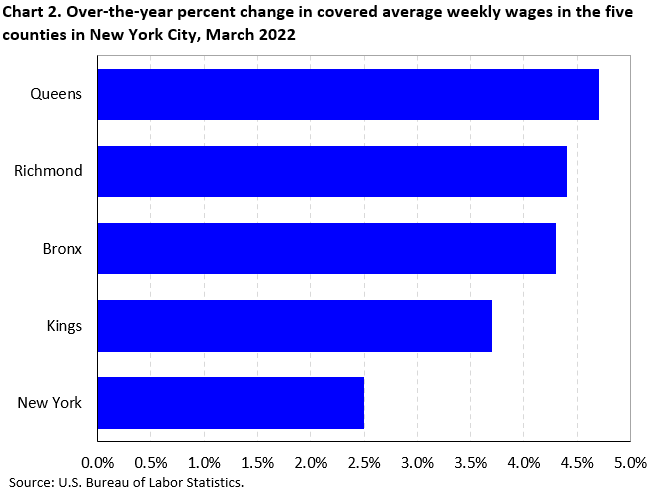
- Location within New York: Salaries in New York City are generally higher than in upstate New York. This is driven by a higher cost of living, greater demand for skilled labor in specialized urban industries, and the concentration of major corporations. For instance, an engineer in Manhattan will likely earn more than an engineer in Buffalo.
- Experience Level: Entry-level positions will naturally have lower salaries compared to mid-career or senior roles. The accumulation of experience, acquired skills, and proven track record significantly impacts earning potential.
- Education and Skills: Higher levels of education and specialized, in-demand skills often correlate with higher salaries. Professions requiring advanced degrees, certifications, or unique technical expertise are typically compensated more generously.
- Cost of Living: It’s a well-known fact that New York has a high cost of living, particularly in New York City. While salaries might appear higher, they are often adjusted to reflect the increased expenses for housing, transportation, food, and entertainment. What might seem like a high salary in a smaller town could be just enough to get by in Manhattan.
Average Salary Data for New York
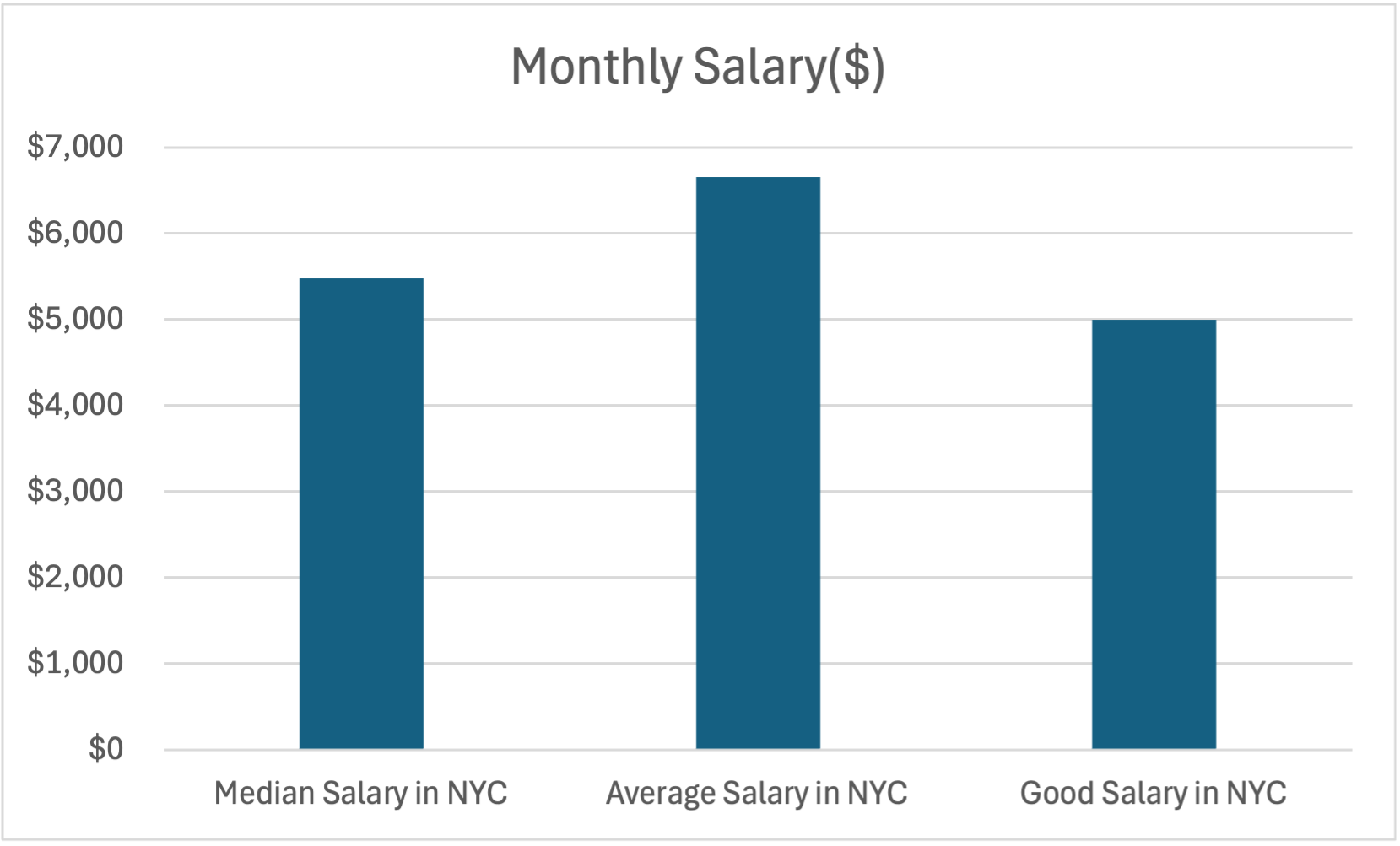
While exact figures can fluctuate daily based on numerous economic factors, and different sources may provide slightly varied statistics, we can look at general trends and reports. For instance, numerous job boards and economic research sites often cite an average salary for New York State that can range from $60,000 to $75,000 annually. However, this figure is heavily influenced by the astronomical salaries earned in New York City, which pulls the statewide average upwards.
Within New York City itself, the average salary is significantly higher, often reported in the range of $80,000 to $100,000 or even more, depending on the specific borough and industry. For example, professions in finance on Wall Street can see average salaries well into the six figures, while roles in the burgeoning tech scene in areas like Silicon Alley also offer competitive compensation.
When considering accommodation options, from luxury apartments in Tribeca to more affordable studios in outer boroughs, the salary of a resident plays a direct role in their choices. Similarly, the ability to enjoy the plethora of travel and tourism experiences New York offers, whether it’s a weekend getaway to the Adirondacks or exploring the historic sites of Niagara Falls, is directly tied to disposable income.
How Salary Impacts Lifestyle and Travel in New York
The average salary in New York is not just a number; it’s a fundamental determinant of lifestyle, influencing everything from daily living expenses to the feasibility of pursuing leisure activities like travel and experiencing local attractions.
Accommodation Choices
The most significant expenditure for most New Yorkers is housing. The type of accommodation one can afford is a direct reflection of their salary.
- Luxury Stays and High Earners: Those earning significantly above the average salary, particularly in high-paying sectors like finance or tech in Manhattan, can afford opulent accommodations. This might include spacious apartments with doormen in prestigious buildings, waterfront condos with stunning views of the East River, or even townhouses in exclusive neighborhoods like the Upper East Side. These individuals can also indulge in extended stays at world-renowned hotels such as the Plaza Hotel or the St. Regis New York, often opting for suites with premium amenities.
- Mid-Range Living and Average Earners: The majority of New Yorkers fall into this category. Their salary dictates a more pragmatic approach to housing. They might rent a one or two-bedroom apartment in desirable but less exclusive neighborhoods, or a larger space in outer boroughs like Brooklyn or Queens, which offer more affordability while still providing access to the city’s transit system. This group also utilizes booking platforms for comparing prices and finding deals on hotels for weekend getaways or business stays.
- Budget-Conscious Living and Entry-Level Earners: For those at the lower end of the salary spectrum, housing becomes a significant challenge. Many opt for shared apartments (roommates) to split costs, smaller studios, or accommodations further from the city center, requiring longer commutes. For leisure travel, budget travel options become paramount, focusing on affordable guesthouses, hostels, or camping trips in more remote areas of New York or neighboring states like Vermont or Pennsylvania.
Tourism and Experiential Opportunities
The financial capacity stemming from one’s salary directly influences how much one can engage with the rich tapestry of New York’s tourism and cultural offerings.
- Exploring Landmarks and Attractions: While many New York landmarks, like walking across the Brooklyn Bridge or visiting Central Park, are free or have minimal entry fees, others, such as museums (e.g., the Metropolitan Museum of Art, the Museum of Modern Art), Broadway shows, or observation decks (e.g., Empire State Building, Top of the Rock), come with significant ticket prices. Higher earners can readily afford these experiences as part of their lifestyle.
- Culinary Experiences: New York is a global culinary capital, offering everything from Michelin-starred restaurants in Manhattan to vibrant food trucks and ethnic eateries in Queens. While casual dining is accessible to most, fine dining experiences or extensive food tours are more feasible for those with higher disposable incomes.
- Local Culture and Activities: Attending concerts, sporting events (like a Yankees or Mets baseball game, or a Knicks basketball game), opera, or ballet performances are all cultural highlights of New York. The frequency and quality of participation in these activities are often dictated by salary. Budget travelers might seek out free festivals, street performances, or explore local markets to immerse themselves in the culture.
- Travel Within and Beyond New York: A higher salary allows for more frequent and varied travel. This could mean weekend trips to the picturesque Hudson Valley, exploring the natural beauty of the Catskills, or venturing further to wine regions like the Finger Lakes. For those with substantial incomes, international travel to destinations like Europe or Asia becomes a regular part of their lifestyle. Budget travelers might focus on road trips to national parks or explore more affordable destinations within driving distance.
The average salary in New York is a critical piece of information for anyone looking to navigate this dynamic state. It informs decisions about where to live, how to live, and what experiences are within reach. Whether you’re drawn to the urban energy of New York City or the serene landscapes of upstate, understanding the financial realities is key to planning your New York adventure, ensuring it aligns with your aspirations and capabilities.
Salaries by Sector and Their Impact
Delving deeper into specific sectors provides a clearer picture of salary variations within New York and how these translate into lifestyle choices. The state’s diverse economy means that opportunities and compensation can differ dramatically depending on the industry you’re in.
High-Earning Sectors
Sectors that consistently offer higher average salaries in New York include:
- Finance and Banking: Centered around Wall Street, this sector is renowned for its high compensation, especially for roles in investment banking, hedge funds, and private equity. Professionals in these fields can command salaries that are significantly above the state average, enabling them to afford luxury accommodation and a high-end lifestyle, including frequent travel and exclusive experiences.
- Technology: New York City’s tech scene, often referred to as Silicon Alley, has seen explosive growth. Software engineers, data scientists, cybersecurity experts, and product managers often earn very competitive salaries, particularly in established tech companies and fast-growing startups. This allows them to live comfortably in desirable urban areas and enjoy the city’s diverse offerings.
- Law: New York is a major legal hub, with numerous prestigious law firms. Lawyers, particularly those with experience and specialized expertise, can earn substantial incomes. This financial security supports a lifestyle that can include premium accommodation and access to high-caliber cultural events.
- Healthcare: While many healthcare roles have moderate salaries, specialized physicians, surgeons, and top-tier medical researchers in New York’s world-class hospitals and research institutions can earn exceptionally high incomes. This sector’s demand ensures good compensation, enabling a comfortable lifestyle and opportunities for travel.
- Pharmaceuticals and Biotechnology: Similar to healthcare and tech, this sector offers high salaries for skilled professionals involved in research, development, and management.
For individuals in these sectors, the concept of “average salary” in New York is often significantly lower than their actual earnings. This allows them the flexibility to choose premium hotels, like boutique stays in SoHo or resort-like experiences upstate, and to travel extensively, perhaps even considering vacation homes in desirable locations.
Mid- to Lower-Earning Sectors
Conversely, many vital sectors in New York operate with average salaries that are closer to or below the state’s general average, influencing lifestyle and travel in different ways:
- Hospitality and Tourism: This is a massive sector in New York, employing many people in hotels, restaurants, and as tour guides. While rewarding for those passionate about service and travel, salaries for many front-line roles are often modest. This means employees might live in more affordable areas, rely on public transportation, and plan their own travel experiences more budget-consciously, perhaps seeking out deals on flights or looking for package deals for their vacations.
- Retail and Service Industries: These sectors, crucial for the state’s economy, typically offer entry-level to mid-level wages. While essential, these salaries can make affording desirable accommodation in prime locations challenging. Individuals might prioritize location and commute time over expansive living spaces and limit discretionary spending on travel, focusing instead on domestic trips or exploring local attractions within New York during their time off.
- Education and Non-Profit Sectors: While incredibly important, salaries in public education and many non-profit organizations can be more constrained compared to private industry. Teachers, social workers, and administrators often earn salaries that allow for a stable but not extravagant lifestyle. They might choose practical accommodation solutions and plan vacations that offer good value, perhaps exploring state parks or less tourist-heavy destinations.
Understanding these sector-specific salary differences is crucial. It highlights how the “average salary in New York” is a complex average, and an individual’s earning potential is heavily influenced by their chosen career path. This, in turn, dictates their ability to engage with the full spectrum of experiences New York has to offer, from the mundane to the luxurious, and to pursue their travel aspirations. Whether one is staying at a budget-friendly hotel near Times Square or a five-star resort in the Hamptons, their salary is invariably a primary factor in that decision.
LifeOutOfTheBox is a participant in the Amazon Services LLC Associates Program, an affiliate advertising program designed to provide a means for sites to earn advertising fees by advertising and linking to Amazon.com. Amazon, the Amazon logo, AmazonSupply, and the AmazonSupply logo are trademarks of Amazon.com, Inc. or its affiliates. As an Amazon Associate we earn affiliate commissions from qualifying purchases.