
When planning a trip to the vibrant and ever-changing state of New York, understanding its climate is paramount to ensuring a comfortable and enjoyable experience. From the bustling streets of New York City to the serene landscapes of the Adirondacks, New York experiences a diverse range of weather patterns throughout the year. This comprehensive guide delves into the distinct seasons, their characteristics, and how they influence travel, accommodation, and activities across the state. Whether you’re dreaming of a snow-kissed holiday, a sun-drenched escape, or a colorful autumn adventure, knowing what to expect from the climate will help you tailor your New York itinerary perfectly.
A Tale of Four Seasons: Understanding New York’s Climate
New York boasts a humid continental climate, which means it experiences four distinct seasons, each with its own unique charm and challenges. This seasonal variability is a defining characteristic of the state, offering a dynamic backdrop for a multitude of tourism experiences. Understanding these shifts is crucial for packing appropriately, booking the right kind of accommodation, and selecting activities that best suit the prevailing weather.
Spring: A Gentle Awakening (March – May)
Spring in New York is a period of transition, marked by the gradual melting of snow and the emergence of new life. While March can still feel decidedly wintery, especially in the northern regions, April and May typically bring milder temperatures and a blossoming landscape.
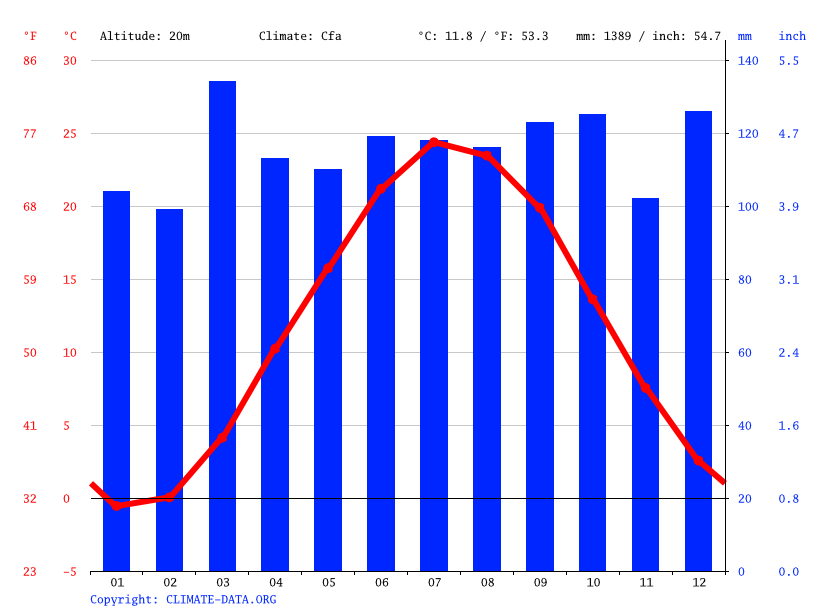
Temperature and Precipitation: Early spring can see average temperatures ranging from the low 30s to the low 50s Fahrenheit (0°C to 10°C). As the season progresses, temperatures climb, with May often reaching into the 60s and 70s Fahrenheit (15°C to 25°C). Rainfall is common throughout spring, often in the form of showers, which help to nourish the awakening flora. Snowfall is less frequent and less persistent as the season advances, but late snowfalls are not uncommon in March.
Travel and Activities: Spring is an excellent time for outdoor exploration as the crowds of winter begin to thin and the natural beauty of New York reawakens. In New York City, cherry blossoms bloom in parks like Central Park and Prospect Park, offering picturesque scenes. Outdoor cafes begin to open, and walking tours become more appealing. Upstate, hiking trails in the Catskills and Adirondacks start to become accessible, though higher elevations may still be covered in snow well into April. This is also a great time for visiting vineyards in the Finger Lakes region as the vines begin to bud.
Accommodation and Lifestyle: With the shoulder season in full swing, spring often presents a good balance between favorable weather and potentially lower accommodation prices compared to the peak summer months. It’s an ideal time for budget-conscious travelers looking for deals on hotels and flights. Spring travel is also well-suited for families seeking outdoor adventures before the summer heat sets in. For those interested in a more relaxed pace, consider a long-term stay in a charming upstate town, enjoying the gradual warming and the vibrant renewal of nature.
Summer: The Peak of Warmth and Activity (June – August)
Summer in New York is characterized by warm to hot temperatures, long daylight hours, and a buzzing atmosphere across the state. It is the busiest tourist season, with both locals and visitors flocking to enjoy the myriad of outdoor opportunities.
Temperature and Precipitation: Summer temperatures generally range from the comfortable 70s to the humid 80s Fahrenheit (20°C to 30°C), with occasional heatwaves pushing temperatures into the 90s Fahrenheit (32°C+). Humidity can be a significant factor, especially in New York City. Thunderstorms are common in the afternoon, providing temporary relief from the heat but also leading to sudden downpours. Coastal areas like Long Island benefit from sea breezes, offering slightly cooler temperatures than inland locations.
Travel and Activities: Summer is prime time for exploring New York’s diverse attractions. New York City offers endless possibilities, from exploring iconic landmarks like the Statue of Liberty and Times Square to enjoying free outdoor concerts and Shakespeare in the Park. Beaches on Long Island and the Jersey Shore (though technically in New Jersey, it’s a popular summer destination for New Yorkers) are packed with sunbathers. Upstate, lakes and rivers are perfect for swimming, boating, and fishing. National parks and state forests offer abundant hiking and camping opportunities. The warmer weather also facilitates outdoor dining experiences, from rooftop restaurants in Manhattan to charming diners in small towns.
Accommodation and Lifestyle: Summer is peak season, meaning accommodation prices are at their highest. Booking well in advance is highly recommended, especially for popular destinations and hotels like the Plaza Hotel or resorts in the Catskills. Luxury travel is particularly popular, with many seeking upscale experiences in boutique hotels or private villas. Family trips are abundant, with many attractions catering specifically to younger travelers. Business stays might see slightly lower occupancy in late August as many professionals take their holidays.
Autumn: A Tapestry of Color and Crisp Air (September – November)
Autumn in New York is perhaps its most celebrated season, renowned for its spectacular fall foliage and comfortably cool temperatures. The transition from the warmth of summer to the chill of winter is gradual and breathtakingly beautiful.
Temperature and Precipitation: September typically offers mild, pleasant weather, with average temperatures in the 60s and 70s Fahrenheit (15°C to 25°C). As October progresses, temperatures begin to drop into the 50s and 40s Fahrenheit (10°C to 5°C), with frost becoming more common. November sees a further decrease, with temperatures often in the 30s and 40s Fahrenheit (0°C to 10°C), and the first snowfalls can occur late in the month, especially upstate. Rainfall remains moderate, but occasional strong winds can accompany the changing weather patterns.

Travel and Activities: Autumn is a prime time for leaf-peeping, with the vibrant reds, oranges, and yellows of the changing leaves drawing visitors from around the globe. Scenic drives through the Adirondacks, Catskills, and Hudson Valley are incredibly popular. Hiking trails offer stunning vistas, though one should be prepared for cooler conditions and potentially muddy paths. Apple picking and pumpkin patches are quintessential fall activities, especially in the rural areas surrounding New York City. In New York City, the crisp air is perfect for exploring its many landmarks and museums, and the energy of the city is palpable with events like the New York City Marathon.
Accommodation and Lifestyle: While still a popular season, accommodation prices can be more moderate than in summer, particularly in late October and early November. This makes autumn an excellent time for couples seeking romantic getaways or travelers looking for a mix of natural beauty and urban exploration without the peak summer crowds. Budget travel is certainly achievable with careful planning. The lifestyle focus shifts to cozy evenings, harvest festivals, and enjoying the bounty of local produce.
Winter: A Season of Snow and Cozy Escapes (December – February)
Winter in New York is defined by cold temperatures, snow, and a distinct charm that transforms the landscape into a winter wonderland. While it can be challenging, winter offers unique experiences for those prepared for the cold.
Temperature and Precipitation: Winter temperatures are consistently cold, with averages often hovering between the teens and 30s Fahrenheit (-10°C to 0°C). Snowfall is common, with significant accumulations possible, especially in the western and northern parts of the state. Blizzards can occur, bringing heavy snow and strong winds, leading to temporary disruptions. Ice storms are also a possibility. Coastal areas might experience less extreme temperatures but can be subject to nor’easters, bringing rain, snow, and high winds.
Travel and Activities: Winter transforms New York into a destination for winter sports enthusiasts. Ski resorts in the Adirondacks and Catskills attract skiers and snowboarders. Ice skating rinks, both indoor and outdoor, are popular, with the rink at Rockefeller Center being an iconic spot in New York City. The city itself takes on a magical glow during the holiday season, with festive decorations, window displays, and the famous Rockettes at Radio City Music Hall. For a more tranquil experience, visiting snow-covered state parks or enjoying a warm drink by a fireplace in a cozy inn upstate can be incredibly rewarding.
Accommodation and Lifestyle: Winter is considered the off-peak season in many parts of New York, especially outside of the holiday period. This can lead to significant savings on accommodation, making it an attractive time for budget travelers. Resorts and hotels often offer winter packages. Luxury travel might focus on opulent city stays with access to world-class dining and entertainment, or secluded lodges offering a cozy retreat from the cold. It’s an ideal season for business stays in the city, as conference attendance can be high.
Factors Influencing New York’s Climate
Beyond the general seasonal patterns, several geographical and meteorological factors contribute to the specific climate experienced across New York. Understanding these nuances can further refine your travel planning.
Latitude and Proximity to Water
As a large state situated in the mid-latitudes, New York experiences significant seasonal temperature variations. Its position in the Northern Hemisphere means colder winters and warmer summers. The influence of the Atlantic Ocean, particularly on the eastern part of the state, moderates temperatures, leading to milder winters and cooler summers along the coast compared to inland areas. The presence of the Great Lakes in western New York also plays a role, contributing to lake-effect snow in winter and influencing precipitation patterns.
Topography: Mountains and Valleys
The topography of New York significantly impacts its climate. The Appalachian Mountains, including the Adirondacks and Catskills, create rain shadows and influence temperature. Higher elevations are considerably colder and receive more snowfall than the lower-lying valleys and coastal plains. This is why you’ll find ski resorts thriving in the mountains while fruit orchards flourish in the more sheltered valleys of the Hudson Valley. For travelers, this means considering the specific region they plan to visit, as microclimates can exist even within a few miles. For instance, a visit to the popular Niagara Falls might have different weather conditions than a trip to the Thousand Islands.
Preparing for New York’s Weather: Practical Tips
Regardless of the season, preparedness is key to enjoying New York. Packing layers is always a good strategy, as even warm summer days can have cool evenings, and spring and autumn weather can be unpredictable.
For spring and autumn, expect a range of temperatures. Waterproof outerwear, comfortable walking shoes, and a light jacket are essential. In summer, lightweight clothing, sunscreen, and a hat are vital, especially for extended periods outdoors. Don’t forget a light sweater for air-conditioned interiors or cooler evenings. Winter demands warm, insulated clothing, including a heavy coat, gloves, a scarf, and waterproof boots.
Checking the weather forecast regularly before and during your trip is highly recommended. This will allow you to adjust your plans and packing accordingly. For accommodation, consider whether you need amenities like air conditioning for summer or extra heating for winter. Many hotels, from boutique inns in the Finger Lakes to large establishments like the Marriott Marquis Times Square, offer climate control.
By understanding the seasonal nuances and geographical influences on New York’s climate, you can better plan your travel, select the perfect accommodation, and make the most of the diverse attractions and experiences this dynamic state has to offer. Whether you’re drawn to the urban energy of New York City or the natural splendor of its upstate regions, a little meteorological foresight will pave the way for an unforgettable journey.
LifeOutOfTheBox is a participant in the Amazon Services LLC Associates Program, an affiliate advertising program designed to provide a means for sites to earn advertising fees by advertising and linking to Amazon.com. Amazon, the Amazon logo, AmazonSupply, and the AmazonSupply logo are trademarks of Amazon.com, Inc. or its affiliates. As an Amazon Associate we earn affiliate commissions from qualifying purchases.