
The allure of New York is undeniable. It’s a city that pulses with energy, a melting pot of cultures, and a global epicenter for finance, fashion, arts, and entertainment. From the iconic skyline punctuated by the Empire State Building to the vibrant streets of Greenwich Village, the Big Apple promises a life less ordinary. However, this extraordinary lifestyle comes with a considerable price tag. Understanding the cost of living in New York is crucial for anyone contemplating a move, a long-term stay, or even an extended vacation. This guide delves into the various aspects that contribute to the overall expense of residing in this dynamic metropolis, touching upon accommodation, daily expenses, and lifestyle choices that can significantly impact your budget.
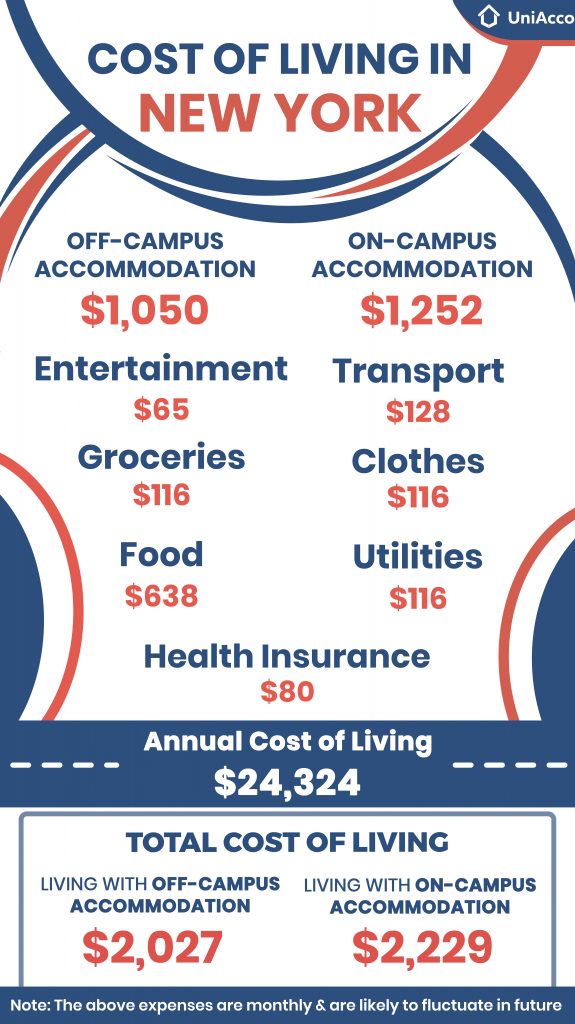
The city’s reputation for being expensive is well-earned, but the nuances of these costs can be complex. It’s not just about rent; it’s about the cumulative effect of food, transportation, entertainment, and personal expenses. Whether you’re a student dreaming of living in the vibrant neighborhoods of Manhattan or a professional seeking opportunities in the financial district, a realistic budget is your best companion. This article aims to provide a comprehensive overview, breaking down the essential elements that define the financial landscape of living in New York.
Housing: The Biggest Piece of the Pie
Accommodation is, without a doubt, the most significant factor influencing the cost of living in New York. The sheer demand for housing in this densely populated city drives prices to some of the highest levels globally. The type of accommodation you choose, its location within the city, and the amenities offered all play a crucial role in determining your monthly rental or mortgage payments.
Renting an Apartment
For most residents, renting an apartment is the most common form of housing. The prices can vary dramatically depending on the borough and the specific neighborhood.
- Manhattan: As the most sought-after and central borough, Manhattan commands the highest rental prices. A studio apartment in a desirable area like the Upper East Side or Chelsea can easily cost upwards of $3,500 per month. For a one-bedroom apartment, expect to pay between $4,000 and $5,500, with luxury buildings and prime locations pushing these figures even higher. Two-bedroom apartments can range from $6,000 to $9,000 or more. The convenience of living in Manhattan, with its proximity to major business districts, world-class dining, and iconic landmarks like Times Square, comes at a premium.
- Brooklyn: While once considered a more affordable alternative, Brooklyn has seen a significant surge in rental costs, especially in trendy neighborhoods like Williamsburg, Dumbo, and parts of Bushwick. A studio in these areas might start around $2,800, with one-bedroom apartments averaging $3,200 to $4,500. Larger apartments and those closer to Manhattan will be at the higher end of this spectrum. However, Brooklyn also offers more diverse neighborhoods with potentially lower rental rates, particularly further from the water and the express subway lines.
- Queens: Queens generally offers more affordable housing options compared to Manhattan and popular parts of Brooklyn. Neighborhoods like Astoria, Long Island City, and parts of Flushing provide a range of apartments at more accessible price points. A studio in Queens could range from $2,000 to $2,800, with a one-bedroom apartment typically falling between $2,300 and $3,500. This borough is known for its diverse communities and a vibrant culinary scene, making it an attractive option for many.
- The Bronx: The Bronx remains the most affordable of the five boroughs. Rental prices here are considerably lower, making it an attractive option for budget-conscious individuals and families. A studio apartment can be found for around $1,500 to $2,000, and a one-bedroom for $1,800 to $2,500. While some areas of the Bronx are undergoing gentrification, many neighborhoods still offer a genuine New York experience at a fraction of the cost of other boroughs.
- Staten Island: Like the Bronx, Staten Island offers some of the most affordable housing in New York City. Rental prices are generally lower than in the other four boroughs, with a one-bedroom apartment often costing between $1,500 and $2,200. However, its relative distance from Manhattan means longer commute times for those working in the city’s core.
When renting, it’s important to factor in additional costs beyond the monthly rent, such as security deposits (often one to two months’ rent), broker fees (which can be as high as 15% of the annual rent), and application fees. Utilities like electricity, gas, and internet can add another $100 to $300 per month, depending on usage and the size of the apartment.
Long-Term Stays and Alternative Accommodation
For those considering a longer duration in New York, whether for study, work, or extended travel, alternative accommodation options exist.
- Furnished Apartments and Corporate Housing: These options offer flexibility and convenience, often including utilities and furnishings. Prices are generally higher than unfurnished apartments but can be cost-effective for shorter-term leases (e.g., 3-12 months) as they eliminate the need for extensive moving expenses and utility setup.
- Co-living Spaces: A growing trend in New York, co-living spaces offer private bedrooms within shared apartments or dedicated buildings. These often include shared common areas, kitchens, and sometimes amenities like gyms and co-working spaces. Prices can be competitive, with private rooms potentially starting from $1,800 to $2,500 per month, depending on the location and amenities.
- Hotels and Extended Stay Hotels: While not ideal for true “living,” extended stay hotels like the Residence Inn by Marriott or Homewood Suites by Hilton can be an option for initial settling in or for stays of a few weeks to a couple of months. They offer apartment-style amenities like kitchenettes and laundry facilities, but daily or weekly rates can add up quickly to exceed long-term rental costs. For reference, a standard hotel room in Manhattan can range from $200 to $500 per night, making this an unsustainable option for living.
Daily Expenses: The Everyday Grind
Beyond rent, the cost of daily living in New York involves a multitude of expenses that, while individually smaller, collectively contribute significantly to your monthly outgoings. From food and transportation to entertainment and personal care, every aspect of daily life needs to be budgeted for.
Groceries and Dining Out
New York offers a diverse culinary landscape, from street food carts to Michelin-starred restaurants. The cost of groceries and dining out can vary greatly depending on your habits.
- Groceries: Shopping for groceries in New York can be expensive, especially in Manhattan. A weekly grocery bill for a single person can range from $75 to $150, depending on whether you buy premium brands, organic produce, or shop at specialty stores. Neighborhoods in Queens or the Bronx might offer slightly more affordable grocery options. For instance, picking up fresh produce from local markets or opting for store brands can help manage this cost.
- Dining Out: The temptation to dine out in New York is immense, with countless restaurants, cafes, and bars. A casual lunch can cost between $15 and $30, while dinner at a mid-range restaurant with drinks might set you back $50 to $100 per person. Fine dining experiences can easily exceed $200 per person. Even grabbing a coffee and a pastry can cost $5 to $10. Eating out frequently will undoubtedly inflate your monthly expenses.

Transportation
Navigating New York City is an experience in itself, and the cost of transportation is a crucial consideration.
- Public Transportation: The Metropolitan Transportation Authority (MTA) operates a vast network of subways and buses, which is the most economical way to get around. A single ride on the subway or bus costs $2.90. For regular commuters, a 30-day unlimited MetroCard costs $132, offering significant savings for daily travel. This is considerably cheaper than owning a car in the city.
- Taxis and Ride-Sharing: While convenient, taxis and ride-sharing services like Uber and Lyft are significantly more expensive. A short taxi ride within Manhattan can cost $15 to $30, and longer journeys can easily reach $50 or more. Surge pricing during peak hours can further increase these costs.
- Owning a Car: Owning a car in New York is generally not recommended due to the exorbitant costs associated with parking (which can range from $300 to $800+ per month for a garage spot), insurance, gas, and tolls. For most residents, public transportation, walking, or cycling are more practical and affordable alternatives.
Utilities and Other Monthly Bills
Beyond rent and food, several other recurring expenses contribute to the cost of living.
- Electricity, Gas, and Water: These utilities can add approximately $100 to $300 per month to your bills, depending on the size of your apartment, your usage habits, and the season (heating in winter, air conditioning in summer).
- Internet and Cable TV: High-speed internet and cable packages can range from $60 to $150 per month.
- Mobile Phone Plan: Monthly mobile phone plans vary but typically range from $40 to $100.
- Health Insurance: This is a significant expense, especially if you are not covered by an employer. Premiums can vary widely based on your plan, age, and coverage needs, often ranging from $300 to $700+ per month for individuals.
- Personal Care and Household Supplies: Budgeting for toiletries, cleaning supplies, haircuts, and other personal care items is also necessary. This can add another $50 to $150 per month.
Lifestyle Choices: Luxury vs. Budget
The cost of living in New York is not a fixed sum; it’s highly adaptable to your lifestyle preferences. Whether you lean towards luxury experiences or embrace a budget-conscious approach, New York can accommodate both.
Entertainment and Leisure
New York is a global hub for entertainment and culture, offering endless opportunities for leisure activities.
- High-End Experiences: Attending Broadway shows, dining at celebrity chef restaurants, visiting exclusive clubs, and shopping at designer boutiques are all part of the luxury New York experience. A single ticket to a popular Broadway show can cost $100 to $300 or more. A fine dining experience can easily exceed $300 per person.
- Budget-Friendly Options: Fortunately, New York also offers numerous free or low-cost entertainment options. Many museums offer free admission days or suggested donation policies. Exploring Central Park, walking across the Brooklyn Bridge, visiting street art installations in Bushwick, or enjoying live music at smaller venues can be done without breaking the bank. Picnics in parks, happy hour deals, and exploring diverse neighborhoods are also excellent ways to experience the city affordably.
Fitness and Wellness
Maintaining a healthy lifestyle in New York also comes with associated costs.
- Gym Memberships: A membership at a standard gym can cost between $40 and $80 per month. Boutique fitness studios offering specialized classes like yoga, spin, or CrossFit can charge $20 to $40 per class or require monthly memberships ranging from $150 to $300.
- Free and Low-Cost Alternatives: For those on a budget, Central Park and other city parks offer excellent opportunities for running, walking, and outdoor workouts. Many community centers also offer affordable fitness programs.

The Impact of Location on Lifestyle
The borough and neighborhood you choose to live in directly influences both your housing costs and your access to different lifestyle amenities. Living in a vibrant, centrally located area like SoHo or the West Village will offer immediate access to high-end shopping, dining, and nightlife, but at a significantly higher cost. Conversely, choosing a more residential neighborhood in Queens or the Bronx might mean longer commutes but also more affordable living, allowing you to allocate more of your budget to other lifestyle pursuits or savings.
Ultimately, the cost of living in New York is a multifaceted equation. While the city’s reputation for expense is accurate, a well-planned budget, strategic choices regarding accommodation and daily expenses, and an understanding of the diverse lifestyle options available can make living in this incredible city achievable and enjoyable. Whether you’re seeking luxury or embracing a more frugal approach, New York offers a unique experience for every budget.
LifeOutOfTheBox is a participant in the Amazon Services LLC Associates Program, an affiliate advertising program designed to provide a means for sites to earn advertising fees by advertising and linking to Amazon.com. Amazon, the Amazon logo, AmazonSupply, and the AmazonSupply logo are trademarks of Amazon.com, Inc. or its affiliates. As an Amazon Associate we earn affiliate commissions from qualifying purchases.