
When planning a trip to the Empire State, one of the most crucial factors influencing your itinerary, your packing list, and even your overall enjoyment is the weather. New York City, a sprawling metropolis that encompasses five distinct boroughs – Manhattan, Brooklyn, Queens, the Bronx, and Staten Island – experiences a diverse range of climates throughout the year. From the sweltering heat of summer to the biting chill of winter, understanding New York‘s weather patterns is key to making the most of your visit. This guide will delve into the typical weather conditions you can expect in New York City across its four distinct seasons, offering insights to help you plan your perfect New York adventure, whether you’re exploring iconic landmarks or immersing yourself in the vibrant local culture.

Seasonal Snapshots of New York Weather
New York City, like much of the northeastern United States, is characterized by a humid subtropical climate, often described as having four distinct seasons. Each season brings its own unique charm and challenges, influencing everything from the types of activities available to the best times to visit specific attractions.
Spring: A Reawakening of the City
Spring in New York (typically March, April, and May) is a period of transition and renewal. As the winter frost melts away, the city begins to burst into color, with parks and gardens coming alive. The weather during this season can be quite variable, making it essential to pack layers.
- March: This is the final month of winter, and the weather can be unpredictable. You might experience days with bright sunshine and mild temperatures, perfect for a stroll through Central Park. However, it’s also common to encounter lingering snow or freezing rain, especially in early March. Average temperatures range from the low 30s to the low 50s Fahrenheit (around 0-11°C). Rain is frequent, so an umbrella is a must.
- April: April usually brings more consistent spring weather. Temperatures gradually warm up, with averages hovering between the low 40s and low 60s Fahrenheit (around 5-17°C). While still capable of cool days, April often offers pleasant sunshine, ideal for exploring outdoor markets like Union Square Greenmarket or enjoying a leisurely walk along the High Line. Spring showers are still a possibility, so waterproof footwear is advisable.
- May: May is often considered one of the most beautiful months to visit New York. The city is in full bloom, and the temperatures become truly comfortable, typically ranging from the low 50s to the low 70s Fahrenheit (around 10-22°C). This is a fantastic time for outdoor dining, visiting rooftop bars, and attending the numerous outdoor festivals and events that begin to pop up. However, occasional thunderstorms can occur, often bringing brief but intense downpours.
What to pack for Spring: Layers are key. Think light sweaters, long-sleeved shirts, a medium-weight jacket, and a waterproof outer shell or umbrella. Comfortable walking shoes are essential, as you’ll likely be doing a lot of exploring on foot.
Summer: The Vibrant Heartbeat of New York
Summer in New York (June, July, and August) is synonymous with long, hot days, vibrant energy, and an abundance of outdoor activities. It’s a popular time for tourists, drawn by the lively atmosphere and extended daylight hours. However, the heat and humidity can be intense.
- June: June marks the beginning of summer and generally offers pleasant to warm temperatures. Early June can still carry some of the mildness of late spring, with averages ranging from the mid-50s to the mid-70s Fahrenheit (around 13-24°C). By late June, temperatures are consistently warmer, and the humidity starts to build. This is a great month for outdoor concerts and enjoying New York‘s beaches.
- July: July is typically the hottest month in New York. Expect high temperatures, often in the 80s and 90s Fahrenheit (around 27-37°C), accompanied by significant humidity. Heatwaves are common, making air-conditioned spaces like museums such as the Metropolitan Museum of Art or shopping malls a welcome respite. Staying hydrated and seeking shade are crucial. Evenings can offer some relief, but it often remains warm.
- August: August continues the trend of hot and humid weather, similar to July. Average daily temperatures are in the high 70s and 80s Fahrenheit (around 25-30°C), with the possibility of scorching days. Thunderstorms can also occur in the late afternoon or early evening, bringing temporary relief from the heat. This is prime time for exploring Coney Island or enjoying a Broadway show in the evening.
What to pack for Summer: Light, breathable clothing is paramount. Pack t-shirts, shorts, sundresses, and light pants. Don’t forget sunscreen, a hat, sunglasses, and a reusable water bottle. A light rain jacket or umbrella is still a good idea for unexpected summer showers.
Autumn: A Symphony of Colors and Crisp Air
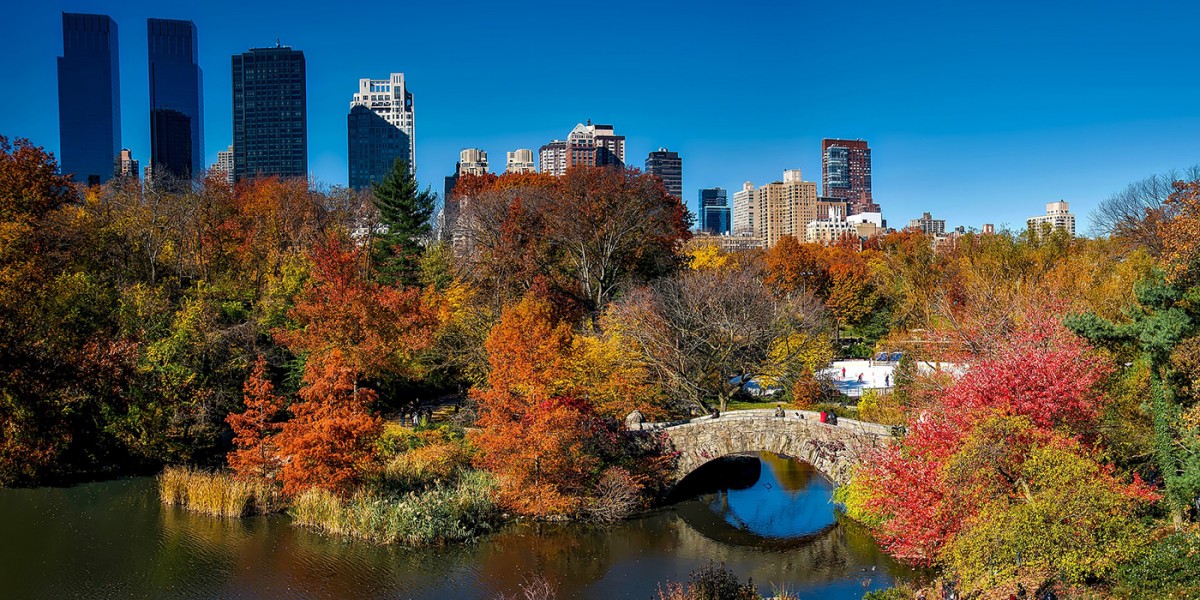
Autumn in New York (September, October, and November) is a beloved season, celebrated for its stunning foliage, crisp air, and comfortable temperatures. It’s often considered the ideal time to visit, offering a perfect blend of pleasant weather and fewer crowds than the summer peak.
- September: September is a transitional month, starting warm and gradually cooling down. Early September can still feel like summer, with temperatures in the 60s and 70s Fahrenheit (around 15-25°C). As the month progresses, the air becomes crisper, and temperatures begin to drop, averaging in the 50s and 60s Fahrenheit (around 10-20°C). This is an excellent time for walking tours and enjoying the transition of the leaves in Prospect Park.
- October: October is quintessential autumn in New York. The leaves in Central Park and other green spaces transform into vibrant hues of red, orange, and yellow, creating breathtaking scenery. Temperatures are typically cool and comfortable, averaging between the 40s and 60s Fahrenheit (around 5-15°C). Days are often sunny and crisp, perfect for exploring neighborhoods like Greenwich Village or visiting Governors Island. Evenings can get quite chilly.
- November: November ushers in the colder part of autumn. Temperatures drop further, with averages in the 30s and 40s Fahrenheit (around 0-10°C). While there can still be some pleasant, sunny days, the air is noticeably colder, and frost becomes more common. This is the month when holiday decorations begin to appear, and the city gears up for winter. It’s also the time for the iconic Macy’s Thanksgiving Day Parade.
What to pack for Autumn: Layers remain important. Pack sweaters, long-sleeved shirts, a warm jacket (like a fleece or a light down coat), and possibly a scarf and gloves, especially for late October and November. Comfortable walking shoes are essential.
Winter: The Enchanting, Yet Chilly, New York
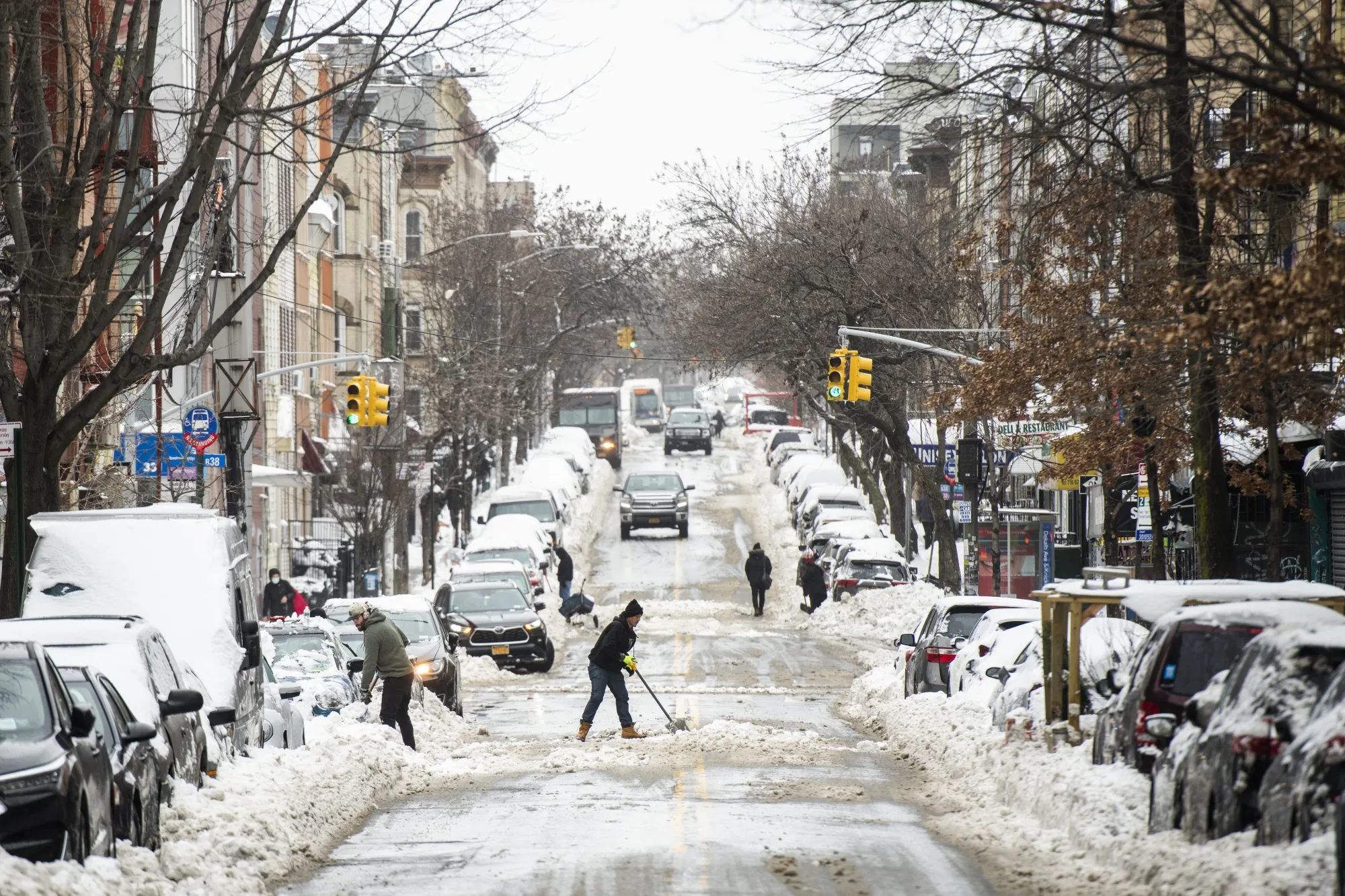
Winter in New York (December, January, and February) can be a magical experience, with the city often blanketed in snow and adorned with festive holiday lights. However, it is also the coldest season, requiring careful preparation for chilly temperatures and potential snowstorms.
- December: December is characterized by cold weather and festive cheer. Temperatures generally range from the low 20s to the low 40s Fahrenheit (around -5-5°C). Snowfall is common, though not guaranteed, and when it happens, it transforms Times Square and other iconic locations into picturesque winter wonderlands. This is a prime time for ice skating at Bryant Park, visiting the Rockefeller Center Christmas Tree, and enjoying holiday window displays along Fifth Avenue.
- January: January is typically the coldest month in New York. Average temperatures hover in the teens and 30s Fahrenheit (around -10-0°C). Freezing temperatures are the norm, and snowstorms, known as nor’easters, can bring significant accumulations, leading to disruptions in transportation and daily life. The city’s indoor attractions, such as world-class museums and cozy cafes, become even more appealing.
- February: February continues the cold winter trend, with temperatures similar to January, averaging in the teens and 30s Fahrenheit (around -10-0°C). While still very cold, there are sometimes hints of spring towards the end of the month. Snow is still likely, and the city can experience dramatic winter weather events. Despite the cold, New York Fashion Week often takes place in February, adding a buzz to the city.
What to pack for Winter: A heavy, insulated coat is essential, along with a warm hat, gloves, and a scarf. Thermal layers, sweaters, and warm pants are highly recommended. Waterproof and insulated boots are crucial for navigating snow and ice.
Understanding New York’s Microclimates and Weather Phenomena
While the four seasons provide a general framework, New York City’s weather can also be influenced by its location and urban environment, leading to microclimates and unique weather phenomena.
The Urban Heat Island Effect
As a densely populated urban center with extensive concrete and asphalt surfaces, New York City experiences the “urban heat island” effect. This means that the city’s core can be several degrees warmer than its surrounding suburban or rural areas, especially at night during the summer months. This can make areas like Midtown Manhattan feel even hotter and more humid than outer boroughs.
Coastal Influences
Being a coastal city, New York is influenced by its proximity to the Atlantic Ocean. This can lead to moderating effects on temperature extremes compared to inland cities at similar latitudes. However, it also makes the city vulnerable to coastal storms, hurricanes, and heavy rainfall, which can impact travel and infrastructure.
Wind Patterns
The skyscraper-filled landscape of Manhattan can create unpredictable wind patterns. While some areas might be sheltered, others, especially those with tall buildings and open plazas, can experience strong gusts of wind, sometimes referred to as “wind tunnels.” This is particularly noticeable around the base of skyscrapers and on bridges like the Brooklyn Bridge.
Planning Your Trip: Connecting Weather to Activities
Understanding the weather is not just about packing appropriately; it’s about tailoring your New York experience.
- Summer: Perfect for outdoor adventures like ferry rides to the Statue of Liberty and Ellis Island, exploring beaches like Rockaway Beach, and enjoying open-air concerts. However, plan indoor activities like museums or Broadway shows for the hottest parts of the day.
- Autumn: Ideal for extensive sightseeing, including walking tours of neighborhoods, visiting attractions like the 9/11 Memorial & Museum, and enjoying the fall foliage in parks. The pleasant weather makes it easy to spend entire days exploring.
- Winter: Embrace the holiday spirit with visits to Rockefeller Center, ice skating, and exploring festive markets. Cozy up in charming cafes, visit world-class museums like the American Museum of Natural History, or catch a performance at Lincoln Center. Be prepared for potential snow, which can add a picturesque charm to your visit but might require adjustments to your travel plans.
- Spring: A wonderful time for exploring parks as they bloom, enjoying outdoor dining, and attending early outdoor events. It’s also a great time for walking and visiting outdoor markets before the summer heat arrives.
Ultimately, New York City offers something for every kind of traveler, regardless of the season. By understanding the nuances of its weather, you can better prepare for your adventure and ensure a memorable and comfortable stay in this iconic global city. Whether you’re staying in a luxurious resort or a budget-friendly apartment, being weather-wise will undoubtedly enhance your New York experience.
LifeOutOfTheBox is a participant in the Amazon Services LLC Associates Program, an affiliate advertising program designed to provide a means for sites to earn advertising fees by advertising and linking to Amazon.com. Amazon, the Amazon logo, AmazonSupply, and the AmazonSupply logo are trademarks of Amazon.com, Inc. or its affiliates. As an Amazon Associate we earn affiliate commissions from qualifying purchases.