
The allure of New York City is undeniable. It’s a city that pulses with energy, a global hub of culture, finance, and entertainment, drawing millions of visitors each year. Whether you’re planning a fleeting visit to soak in the iconic sights, a longer stay to delve into the local lifestyle, or a business trip requiring comfortable accommodation, understanding the weather is paramount to crafting the perfect itinerary. The weather in New York City is notoriously dynamic, offering a distinct personality to each of the four seasons. From the sweltering heat of summer to the biting chill of winter, and the glorious transitions of spring and autumn, each period presents a unique set of opportunities and challenges for travelers. This guide will delve into the nuances of New York City’s climate, helping you pack appropriately, plan your activities, and truly make the most of your urban adventure, no matter when you choose to visit.

Embracing the Seasons: A Year-Round Look at New York City Weather
New York City experiences a humid subtropical climate, characterized by significant variations in temperature and precipitation throughout the year. This means you can expect hot, humid summers and cold, often snowy winters, with mild and pleasant spring and autumn seasons.
Summer in the City (June, July, August)
Summer in New York City is a vibrant affair, often synonymous with long days, outdoor festivals, and a general air of buzzing activity. However, it also brings with it considerable heat and humidity.
- Temperatures: Average daily temperatures typically range from the high 70s to the low 80s Fahrenheit (around 25-28°C). However, heatwaves are common, with temperatures frequently soaring into the 90s Fahrenheit (32°C and above), often accompanied by high humidity, making it feel even hotter. Nights offer some relief, but can still remain quite warm and sticky.
- Precipitation: While sunshine is abundant, summer is also the season for thunderstorms. These can be intense, bringing heavy downpours and gusty winds, often occurring in the late afternoon or early evening. The overall rainfall in New York City is fairly consistent throughout the year, but summer storms can be dramatic and short-lived.
- What to Pack: Lightweight, breathable clothing is essential. Think cotton t-shirts, shorts, sundresses, and comfortable walking shoes. Don’t forget sunscreen, a hat, sunglasses, and a reusable water bottle to stay hydrated. A light rain jacket or umbrella is also advisable for those unexpected downpours.
- Activities: Summer is perfect for exploring Central Park, enjoying rooftop bars with stunning city views, catching an outdoor concert at Prospect Park or on Governors Island, or taking a ferry ride to see the Statue of Liberty and Ellis Island. Many of the city’s iconic landmarks are best enjoyed under the summer sun. Consider booking accommodation with air conditioning, such as the Grand Hyatt Hotel or a stylish apartment rental.
Autumn in the City (September, October, November)
Often hailed as the most beautiful season in New York City, autumn offers a delightful respite from the summer heat and a spectacular display of fall foliage.
- Temperatures: September usually retains some of the summer warmth, with averages in the 70s Fahrenheit (around 20-25°C). As October progresses, temperatures begin to cool, averaging in the 60s Fahrenheit (15-20°C). By November, the chill is more pronounced, with averages dropping into the 50s Fahrenheit (10-15°C). Frost is possible towards the end of the month.
- Precipitation: Autumn is generally drier than summer, with less humidity and fewer intense thunderstorms. However, rain is still possible, and the days become noticeably shorter.
- What to Pack: Layers are key for autumn. Start with lighter tops and bring sweaters, cardigans, or a light jacket. A more substantial coat will be needed for late October and November. Comfortable walking shoes remain a must. Scarves and a light hat can add warmth and style.
- Activities: This is arguably the best time to explore the city on foot. Wander through the tree-lined streets of the West Village or Upper East Side to witness the changing leaves. It’s also a great time for visiting world-class museums like the Metropolitan Museum of Art or the American Museum of Natural History. Halloween celebrations are particularly lively, and the lead-up to Thanksgiving brings its own festive atmosphere. Many hotels offer special packages during this picturesque season, including boutique options in SoHo or luxury resorts.
Winter in the City (December, January, February)
Winter in New York City can be harsh, but it also possesses a unique magic, especially around the holiday season.
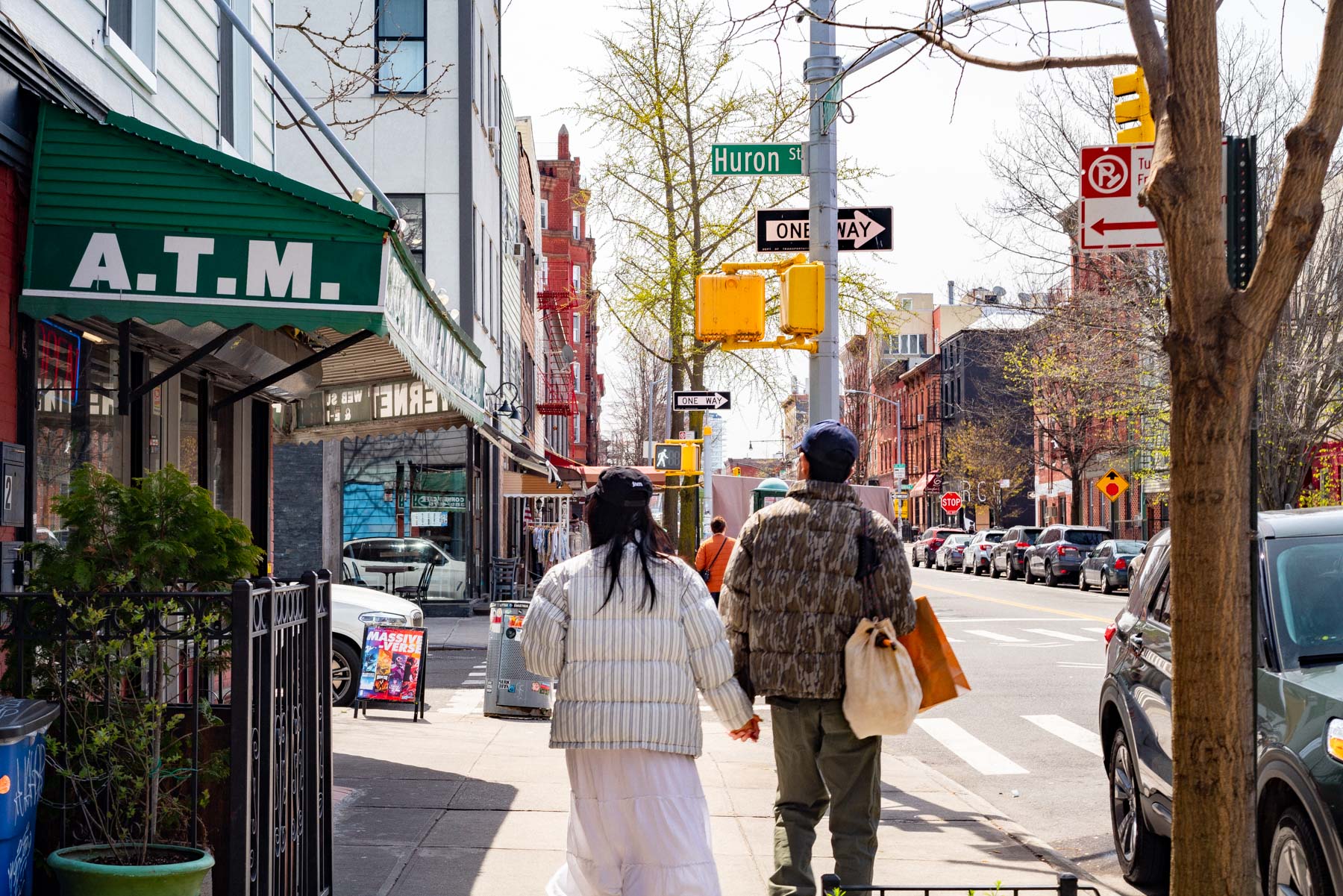
- Temperatures: Winter is decidedly cold, with average daily temperatures ranging from the low 30s to the mid 40s Fahrenheit (around 0-7°C). However, extended periods of freezing temperatures are common, and wind chill can make it feel significantly colder. Snowfall is typical, ranging from light dustings to significant blizzards.
- Precipitation: Winter is characterized by cold precipitation, primarily snow and sleet, though rain is also possible on warmer days. Snowfall can disrupt travel, but it also transforms the city into a winter wonderland, especially when dusting iconic landmarks like Times Square or the Brooklyn Bridge.
- What to Pack: Warm, waterproof outerwear is non-negotiable. This includes a heavy winter coat, a warm hat, gloves or mittens, and a scarf. Waterproof boots with good traction are essential for navigating snowy and icy streets. Layering is crucial, so pack thermal underwear, sweaters, and fleece.
- Activities: Despite the cold, New York City remains a vibrant destination. The holiday season, from Christmas to New Year’s Eve, is particularly spectacular, with festive decorations, ice skating rinks at Rockefeller Center and Bryant Park, and dazzling holiday window displays. Indoor attractions, such as Broadway shows, museums, and art galleries, offer a welcome escape from the elements. Consider cozying up in a luxurious hotel suite or a charming apartment for your winter stay.
Spring in the City (March, April, May)
Spring brings a refreshing change to New York City, as the city shakes off its winter coat and bursts into bloom.
- Temperatures: March can still feel quite wintery, with average temperatures in the 40s Fahrenheit (around 5-10°C). April sees a noticeable warming trend, with averages rising into the 50s Fahrenheit (10-15°C). By May, the weather is typically mild and pleasant, with averages in the 60s Fahrenheit (15-20°C).
- Precipitation: Spring is a transitional season, and while generally milder, it can still bring rain showers. The number of rainy days may increase compared to autumn, but the intensity is usually less than summer thunderstorms.
- What to Pack: Layers are again essential for spring. Pack a mix of lighter clothing, such as t-shirts and lighter sweaters, along with a medium-weight jacket or coat. A waterproof jacket or umbrella is a good idea for spring showers. Comfortable walking shoes are a must.
- Activities: Spring is a wonderful time to explore New York City’s parks and outdoor spaces. Witness the cherry blossoms in bloom at the Brooklyn Botanic Garden or along the East River. The weather is perfect for walking tours of neighborhoods like Greenwich Village or Harlem, and for enjoying outdoor dining at the myriad of restaurants and cafes. The city’s energy begins to reawaken, making it an ideal time for a budget-friendly trip or a family vacation. Numerous hotels, from budget-friendly options to luxury resorts, cater to the influx of spring visitors.
Planning Your New York City Stay: Weather-Informed Tips
Understanding the weather patterns is crucial for a smooth and enjoyable trip to New York City. Here are some additional tips to help you plan:
Navigating Different Weather Conditions
- Transportation: New York City’s public transportation system, primarily the subway, is remarkably efficient and runs 24/7, making it a reliable option regardless of the weather. However, during heavy snow or extreme heat, delays can occur. Taxis and ride-sharing services are readily available, but can be more expensive during peak times or bad weather.
- Indoor vs. Outdoor Activities: Always have a mix of indoor and outdoor activities planned. If a heatwave hits, you can retreat to air-conditioned museums or shopping malls. If a snowstorm descends, embrace the winter charm with indoor entertainment or a cozy café.
- Accommodation Choices: The type of accommodation you choose can also be influenced by the weather. During summer, air conditioning is vital. In winter, look for hotels with good heating systems and perhaps a fireplace for ambiance. Suites and apartments can offer more space and amenities, which can be beneficial if you need to spend more time indoors. Consider options like The Plaza for a luxurious winter stay or a serviced apartment for longer visits.
Packing Strategies for Every Season
- Footwear: Comfortable walking shoes are paramount year-round. For summer, breathable sneakers or sandals are ideal. In autumn and spring, waterproof walking shoes or ankle boots are a good choice. For winter, insulated, waterproof boots with good grip are a necessity.
- Outerwear: Invest in quality outerwear appropriate for the season. A light waterproof jacket for spring and autumn, a heavy down coat for winter, and a breathable, windproof jacket for cooler summer evenings.
- Accessories: Don’t underestimate the power of accessories. Scarves, hats, and gloves are essential for winter and can add a stylish touch to any outfit in cooler seasons. Sunglasses and sunscreen are important year-round, even on cloudy days.

Long-Term Stays and Weather Adaptability
If you are planning a long-term stay in New York City, your accommodation choice becomes even more critical. Renting an apartment allows you to have a more localized experience and the flexibility to adapt your daily routines based on the weather. Many long-term stay options, such as serviced apartments or villas, offer amenities that make dealing with challenging weather more comfortable, like in-unit laundry facilities or fully equipped kitchens. Researching local culture and activities that are weather-dependent will help you maximize your experience, whether it’s enjoying a picnic in Battery Park on a sunny spring day or attending a Broadway show on a cold winter evening. Ultimately, embracing the changing weather is part of the unique charm of living or visiting New York City.
LifeOutOfTheBox is a participant in the Amazon Services LLC Associates Program, an affiliate advertising program designed to provide a means for sites to earn advertising fees by advertising and linking to Amazon.com. Amazon, the Amazon logo, AmazonSupply, and the AmazonSupply logo are trademarks of Amazon.com, Inc. or its affiliates. As an Amazon Associate we earn affiliate commissions from qualifying purchases.