
When planning a trip to the city that never sleeps, one of the most fundamental pieces of information you’ll need is its current time. Understanding the time in New York is not just about knowing when to wake up for your morning sightseeing tour; it impacts everything from flight bookings and dinner reservations to coordinating with friends and family back home. New York operates on Eastern Standard Time (EST) during the winter months and Eastern Daylight Time (EDT) during the summer. This means it adheres to a predictable time zone pattern that is crucial for any traveler to grasp.
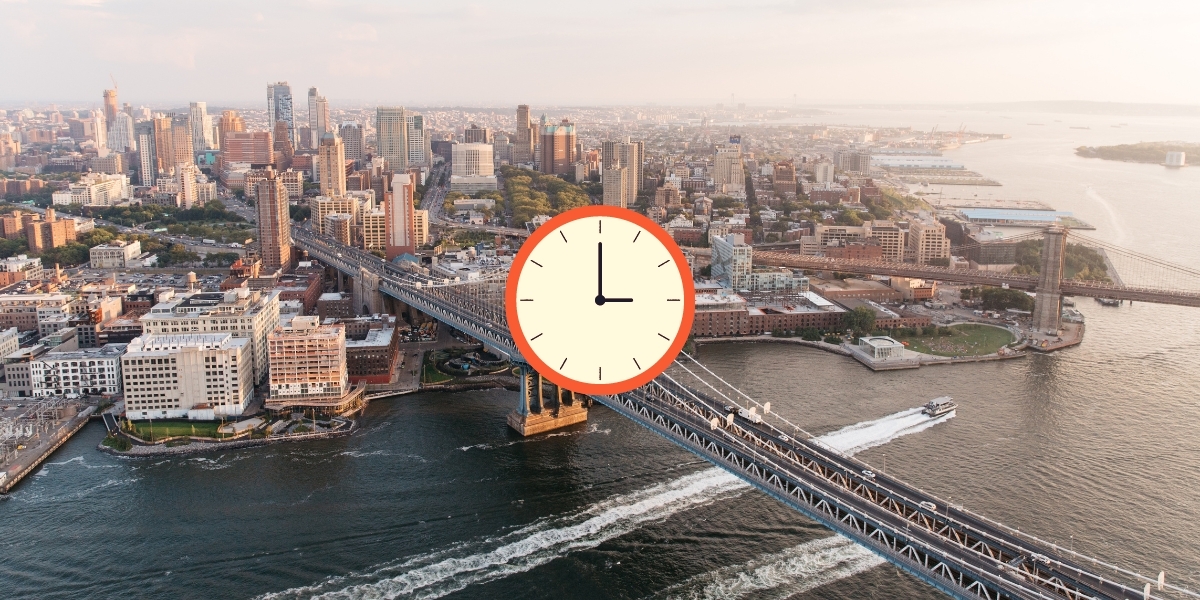
The importance of time in a metropolis as vast and dynamic as New York cannot be overstated. From the bustling streets of Manhattan to the cultural enclaves of Brooklyn and the historic neighborhoods of Queens, life unfolds at a rapid pace, dictated by the clock. Whether you’re aiming to catch the sunrise over the Brooklyn Bridge, attend a Broadway show, or simply navigate the subway system, aligning yourself with the local time is paramount to a smooth and enjoyable experience. This article aims to provide a comprehensive understanding of New York’s time zone, its implications for travelers, and how to best manage your schedule while exploring this iconic city.
Navigating New York’s Time Zone: EST & EDT
New York observes the Eastern Time Zone, which is UTC-5 during standard time and UTC-4 during daylight saving time. This means that New York is typically five hours behind Coordinated Universal Time (UTC) and four hours behind UTC during daylight saving. This is a critical factor for international travelers, as it determines the extent of jet lag they might experience and the best times to schedule calls or virtual meetings with those in different parts of the world.
Understanding Daylight Saving Time
Daylight Saving Time (DST) is a practice observed in many parts of the United States, including New York. DST typically begins on the second Sunday in March and ends on the first Sunday in November. During this period, clocks are advanced by one hour, moving from Eastern Standard Time (EST) to Eastern Daylight Time (EDT). This change can sometimes cause confusion, especially for those unaccustomed to it. For travelers, it’s essential to be aware of these shifts to avoid missing appointments or miscalculating travel durations. For instance, if you are traveling from London, which observes Greenwich Mean Time (GMT) and British Summer Time (BST), the time difference will vary depending on whether New York is on EST or EDT.
The transition into and out of DST can be a source of minor disruption, but for the most part, it’s a well-established routine. Hotels and transportation services in New York are always synchronized with these changes. However, individual travelers should make a note of the dates for DST commencement and cessation to ensure their personal devices and schedules are updated accordingly. This is particularly important when booking flights or making reservations that span across the DST changeover dates.
Time Differences with Major Cities
When planning a trip to New York, understanding the time difference from your departure city is crucial for managing jet lag and coordinating with your itinerary. Here’s a general overview of time differences with some major global hubs:
- London: New York is typically 5 hours behind London. During DST in the United States and British Summer Time in the United Kingdom, this difference remains 5 hours.
- Paris: New York is usually 6 hours behind Paris.
- Tokyo: New York is 13 hours behind Tokyo during EST.
- Los Angeles: New York is 3 hours ahead of Los Angeles, which observes Pacific Standard Time (PST) or Pacific Daylight Time (PDT).
- Sydney: The time difference with Sydney can be significant, with New York being 13-15 hours behind Sydney, depending on DST.
These differences are vital for booking flights. For instance, a flight departing New York at 7 PM EST might arrive in London at 7 AM GMT the next day. Similarly, a flight from Tokyo to New York departing at 10 AM JST would land in New York on the same calendar day due to the time zone difference. Always double-check flight schedules for the local arrival times in both departure and arrival cities.
Planning Your New York Itinerary: Time-Sensitive Activities
The vibrant pulse of New York beats to the rhythm of its clock. From iconic morning rituals to late-night entertainment, understanding the local time is key to maximizing your visit. The city offers a plethora of activities, each with its own optimal timing to appreciate its unique charm.

Morning Marvels and Daytime Delights
The early hours in New York offer a different perspective than the bustling midday. Catching the sunrise from a rooftop bar or a vantage point like Top of the Rock can be a magical experience. Museums, such as the Metropolitan Museum of Art or the Museum of Modern Art, typically open their doors around 10 AM. For those seeking a more active start, a morning jog through Central Park is invigorating.
Lunchtime in New York is a whirlwind of activity. Food trucks offer quick and delicious meals, while restaurants buzz with patrons seeking a midday respite. Exploring neighborhoods like Greenwich Village or SoHo during the day allows for leisurely browsing of boutiques and art galleries. The iconic ferry to the Statue of Liberty and Ellis Island also runs throughout the day, with the last departures usually in the mid-afternoon to allow sufficient time for exploration.
Evening Entertainment and Nightlife
As the sun sets, New York transforms into an even more dazzling spectacle. The city’s renowned theater district comes alive with pre-show buzz. Broadway performances typically begin between 7 PM and 8 PM. Securing tickets in advance is highly recommended, especially for popular shows. Dinner reservations are also essential, particularly on weekends. Popular restaurants often require bookings weeks, if not months, in advance.
For those looking to experience New York’s legendary nightlife, the options are endless. Rooftop bars offer breathtaking city views, jazz clubs in Greenwich Village provide soulful melodies, and dance clubs pulse with energy until the early hours. Many bars and clubs stay open past 2 AM, embodying the city’s “never sleeps” moniker. Even a late-night stroll across the Brooklyn Bridge offers a different, illuminated perspective of the Manhattan skyline.
Practical Tips for Managing Time in New York
Successfully navigating New York’s fast-paced environment requires a keen awareness of time. From booking accommodations to planning your daily excursions, a well-managed schedule can significantly enhance your travel experience.
Accommodation and Booking Considerations
When booking hotels in New York, such as the luxurious The Plaza Hotel or the stylish Ace Hotel New York, always confirm check-in and check-out times. These typically align with the local time zone. For extended stays or those seeking a more home-like feel, apartments or villas rented through platforms like Airbnb offer flexibility, but it’s important to confirm arrival instructions and any time-specific access requirements with the host. Many hotels offer late check-out options for a fee, which can be beneficial if you have a late flight.
Consider the location of your accommodation in relation to the attractions you wish to visit. Staying in Times Square offers proximity to Broadway shows and vibrant nightlife, while a hotel in the Upper East Side might be closer to museums like the Metropolitan Museum of Art. Understanding the travel time between your accommodation and key sites is crucial for effective planning.

Leveraging Technology and Local Resources
In today’s digital age, managing time in New York has never been easier. Most smartphones automatically update to the local time zone upon arrival, but it’s wise to manually verify this. Utilize mapping applications like Google Maps or Apple Maps to estimate travel times between locations using public transportation, walking, or taxis. These apps often provide real-time updates on traffic and subway delays, allowing you to adjust your schedule on the go.
Consider purchasing a MetroCard for seamless travel on the MTA subway and bus system. Understanding the operating hours of the subway, which runs 24/7, is essential for late-night exploration. Many popular attractions offer timed entry tickets, which can help you avoid long queues. Booking these online in advance is a smart strategy to save time. For a truly local perspective, consult guidebooks, local event listings, or the concierge at your hotel for recommendations and up-to-date information on opening hours and events. Embracing the rhythm of New York by staying mindful of its time will unlock the full potential of your visit.
LifeOutOfTheBox is a participant in the Amazon Services LLC Associates Program, an affiliate advertising program designed to provide a means for sites to earn advertising fees by advertising and linking to Amazon.com. Amazon, the Amazon logo, AmazonSupply, and the AmazonSupply logo are trademarks of Amazon.com, Inc. or its affiliates. As an Amazon Associate we earn affiliate commissions from qualifying purchases.