
When planning a trip to the vibrant metropolis of New York City, understanding the local tax structure is an essential part of budgeting. For travelers, a significant consideration is the sales tax, which impacts the cost of everything from a souvenir t-shirt to a fine dining experience at a Michelin-starred restaurant. This guide will demystify the sales tax in New York City, ensuring you can navigate your purchases with confidence and clarity.
Understanding the Layers of Sales Tax in New York City
The sales tax applied in New York City isn’t a single, straightforward rate. It’s a composite, formed by the combined rates of the state, the city, and often, a Metropolitan Commuter Transportation District (MCTD) surcharge. This multi-layered approach means that while New York City residents are accustomed to these rates, visitors might find them a bit more complex. Knowing these components will help you anticipate the final price of goods and services.
The State Sales Tax Component
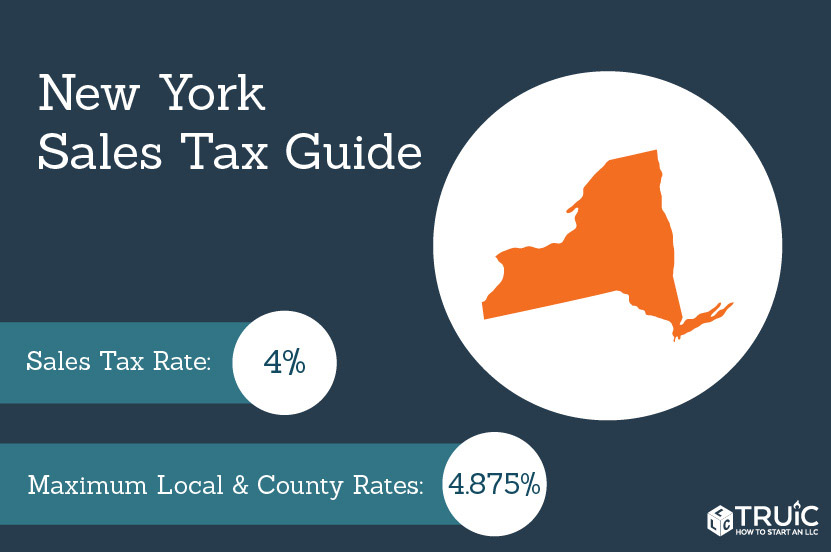
The foundational layer of sales tax in New York City is the New York State general sales tax. This rate applies across the entire state, though it can be augmented by local taxes. As of recent information, the New York State general sales tax rate is 4%. This rate forms the base upon which other taxes are added.
The City Sales Tax Component
In addition to the state tax, New York City imposes its own city-specific sales tax. This local addition is crucial for funding municipal services and public infrastructure. The New York City sales tax rate is 4.5%. When combined with the state rate, this brings the combined base sales tax to 8.5%. This rate applies to most tangible personal property and certain services sold within the five boroughs.
The Metropolitan Commuter Transportation District (MCTD) Surcharge
The third, and often overlooked, component is the MCTD surcharge. This tax is specifically designated to support transportation infrastructure within the metropolitan area, benefiting the Metropolitan Transportation Authority (MTA), which operates New York City’s extensive public transit system, including the subway and bus network. The MCTD surcharge adds an additional 0.375% to the sales tax.
The Total Sales Tax Rate in New York City
When all these components are added together, the total sales tax rate in New York City stands at a significant 8.875%. This rate is applied to most retail purchases, including clothing, electronics, souvenirs, and many restaurant meals. It’s vital for shoppers to remember this figure when estimating their spending, whether they are browsing the boutiques in SoHo or picking up essentials near their hotel in Times Square.
What is Subject to Sales Tax in New York City?
The 8.875% sales tax in New York City applies to a broad range of goods and services. Understanding what is and isn’t taxed can help you make informed purchasing decisions during your visit. Generally, tangible personal property, such as physical goods, is taxed. Many services are also subject to sales tax, particularly those deemed non-essential or those provided within a commercial context.
Taxable Goods
Virtually all tangible personal property purchased within New York City is subject to the 8.875% sales tax. This includes items like:
- Clothing and Accessories: While there used to be an exemption for clothing and footwear under a certain price point, this exemption has been repealed. Therefore, most apparel, including that purchased from high-end designers in Madison Avenue or affordable fashion in Herald Square, will incur the sales tax.
- Electronics: From a new smartphone to a camera, all electronic devices are taxed.
- Home Goods: Furniture, decor, and kitchenware purchased in stores are subject to the tax.
- Souvenirs: Those iconic New York City keychains, “I Love New York” shirts, and Statue of Liberty replicas all come with the added 8.875% tax.
- Cosmetics and Personal Care Items: Most beauty products and personal care items will also be taxed.
Taxable Services
Many services are also subject to New York City’s sales tax. The list is extensive, but some common examples for tourists include:
- Restaurant Meals: Prepared food and beverages sold in restaurants, cafes, and bars are taxed. This includes dine-in, takeout, and delivery. However, some exceptions exist for specific items like basic groceries from a supermarket.
- Hotel Stays: Accommodation charges at hotels, motels, resorts, and even short-term apartment rentals are subject to sales tax. This is a significant expense for travelers and is often combined with occupancy taxes, which can further increase the overall cost. For instance, a stay at a luxury hotel like the Plaza Hotel will have this tax added to its room rate.
- Admissions and Entertainment: Tickets to Broadway shows, sporting events at venues like Yankee Stadium or Madison Square Garden, museum entrance fees, and other forms of entertainment are generally taxed.
- Car Rentals: The cost of renting a vehicle within New York City will include sales tax.
- Parking Services: Fees for parking your car, whether in a garage or at a lot, are typically taxed.
- Beauty and Personal Care Services: Services such as haircuts, manicures, and massages at salons and spas are also taxed.
What is Exempt from Sales Tax in New York City?
While the list of taxable items and services is extensive, there are certain exemptions that can help reduce your overall spending in New York City. Understanding these exemptions is crucial for savvy shoppers and budget-conscious travelers.
Essential Groceries
One of the most significant exemptions is for most “basic groceries.” This typically includes uncooked food items intended for home consumption. So, when you’re shopping at a local supermarket or a farmers market in Union Square, items like fruits, vegetables, bread, milk, and eggs will generally not be subject to sales tax. However, this exemption usually does not apply to prepared foods, hot foods, or items sold in restaurants and delis. For example, a pre-made sandwich from a corner deli will be taxed, while raw ingredients purchased to make your own sandwich at your accommodation will not.
Prescription Medications
Prescription drugs and certain medical supplies are exempt from sales tax. This is a standard exemption in most jurisdictions and applies to medications prescribed by a doctor and dispensed by a licensed pharmacy.
Certain Services
Some services are specifically exempted from sales tax. For instance, professional services like legal advice or accounting services are typically not taxed. Certain educational services, such as tuition fees for accredited institutions, are also exempt.
Items Purchased by Specific Organizations
Certain organizations, such as qualifying charitable institutions and some governmental entities, may be exempt from paying sales tax on their purchases. This is usually managed through the issuance of exemption certificates.
Online Purchases and Shipping
The taxation of online purchases can be complex, but generally, if you purchase goods online from a business that has a physical presence (a “nexus”) in New York, you will be subject to sales tax, even if you are having the item shipped to your home state. However, for items shipped to New York City from a seller without a New York nexus, the tax implications depend on current laws regarding remote sellers. Shipping and handling charges themselves are often also subject to sales tax if the item being shipped is taxable.
When planning your travel budget for New York City, factor in the 8.875% sales tax for most purchases. By being aware of what is taxed and what is exempt, you can shop smarter and ensure your visit to the Big Apple is both enjoyable and financially sound. Whether you’re booking a stay at the Marriott Marquis in Times Square, enjoying a Broadway show, or exploring the art at the Metropolitan Museum of Art, understanding sales tax is an integral part of your travel planning.
LifeOutOfTheBox is a participant in the Amazon Services LLC Associates Program, an affiliate advertising program designed to provide a means for sites to earn advertising fees by advertising and linking to Amazon.com. Amazon, the Amazon logo, AmazonSupply, and the AmazonSupply logo are trademarks of Amazon.com, Inc. or its affiliates. As an Amazon Associate we earn affiliate commissions from qualifying purchases.