
As the crisp air begins to bite and the leaves have long since fallen from the trees, a common question arises for many planning a trip to the Empire State, or for those simply curious about the seasonal rhythms of the region: “When does snow start in New York?” This seemingly simple inquiry opens up a world of considerations, from the practicalities of travel and packing to the magical allure of a New York winter wonderland. Understanding the typical snowfall patterns can significantly enhance your New York experience, whether you’re dreaming of ice skating in Central Park, exploring the festive lights of Times Square, or venturing upstate to the majestic Adirondacks.

The onset of winter in New York is not a single, definitive date but rather a period influenced by a confluence of geographical and meteorological factors. While the official start of astronomical winter is around December 21st, the first flakes of snow often grace the landscape well before this. The precise timing can vary considerably year by year and even across different regions within the state. Upstate New York, particularly in the mountainous areas, tends to experience earlier and more substantial snowfall compared to the metropolitan expanse of New York City. This guide will delve into the nuances of New York‘s winter beginnings, helping you anticipate and embrace the snowy season.
Understanding the Nuances of New York’s Winter
Geographic Influences on Snowfall
New York State boasts a diverse geography, and this plays a crucial role in determining when and how much snow falls. The state can broadly be divided into several key regions, each with its own microclimates and snow patterns:
- New York City and Long Island: These southeastern parts of the state are generally the last to see significant snowfall. Proximity to the Atlantic Ocean moderates temperatures, and the urban heat island effect in New York City can also delay or reduce snowfall. While snow is certainly a possibility from November through March, widespread, accumulating snow events are more common in January and February. Occasional early season dustings can occur in late November or early December, but they are often transient.
- The Hudson Valley: This region, stretching north from the metropolitan area, experiences a transition zone. Snowfall here becomes more likely and tends to accumulate more readily than in New York City. Late November and December often see the first signs of winter, with more consistent snow becoming a regular occurrence as winter progresses.
- Western New York (Buffalo, Rochester, Syracuse): This area is notorious for its lake-effect snow. The proximity to the Great Lakes, particularly Lake Erie and Lake Ontario, means that cold air passing over the relatively warmer waters can pick up moisture and deposit it as heavy snowfall on downwind shores. Buffalo and Rochester can receive significant snow starting as early as November, with Syracuse often topping state snow totals due to its location in the infamous “Snow Belt.”
- Central New York: Similar to western New York, areas around Syracuse are prone to heavy lake-effect snow. The region can see its first snowfalls in late October or early November, with substantial accumulations becoming a regular feature throughout winter.
- The Adirondacks and Catskill Mountains: These higher elevation areas are the first to experience winter’s full embrace. Snowfall here typically begins earlier, often in October, and can persist well into April. The mountains create their own weather patterns, and higher elevations naturally receive more snow than lower-lying regions. For those seeking a true winter sports experience, the Adirondacks, home to places like Lake Placid, are a prime destination from late fall through spring.
Meteorological Factors
Beyond geography, several meteorological factors dictate the timing and intensity of snow in New York:
- Cold Air Masses: For snow to fall, temperatures in the atmosphere must be at or below freezing from the cloud to the ground. The arrival of prolonged cold air masses from the north is a prerequisite for snowfall. These typically become more frequent and persistent from late October onwards.
- Moisture: Snow requires a source of moisture. This can come from low-pressure systems moving along the coast or from weather disturbances originating over the Great Lakes. The interaction of cold air with moist air is the catalyst for precipitation, which then falls as snow if temperatures are right.
- Lake Effect Snow: As mentioned, the Great Lakes play a significant role. When cold, dry air moves across the vast expanses of the lakes, it picks up heat and moisture. As this air then moves over the colder landmass, it rises and cools, causing the moisture to condense and fall as snow, often in intense bands. This phenomenon can create localized snowstorms that are particularly impactful in western and central New York.
- Nor’easters: These powerful coastal storms, originating off the Atlantic coast, can bring significant snowfall to eastern New York, including New York City. While they can occur anytime from late fall to early spring, they are most common during the winter months and can dump feet of snow in a single event.
Typical Snowfall Timeline in New York
While predicting the exact date of the first snowfall is an inexact science, a general timeline can be established for different regions of New York State.
Early Season Snowfall (October – November)
- October: It’s rare for New York City or Long Island to see accumulating snow in October. However, in the higher elevations of the Adirondacks and Catskills, the very first light dustings of snow are possible in late October. These are often fleeting and melt quickly.
- November: This is when winter truly begins to make its presence felt across much of the state.
- Upstate (Western, Central, Adirondacks, Catskills): Many areas in these regions can expect their first snowfalls in November. Lake-effect snow can begin to impact areas near the Great Lakes. Early season snows might be light and intermittent, but they set the stage for the colder months ahead. For winter sports enthusiasts looking for early skiing or snowboarding, resorts in the Adirondacks and Catskills often begin opening in mid to late November, provided conditions are favorable.
- Hudson Valley: November can bring a mix of rain and snow. The first accumulating snowfall is possible towards the end of the month, especially in the northern parts of the valley.
- New York City and Long Island: While not guaranteed, there’s a chance of a light, often slushy, snowfall in late November. These events are typically not disruptive but serve as a reminder of the winter to come.
Mid-Winter Snowfall (December – February)

- December: This is when snow becomes a much more common occurrence across New York State.
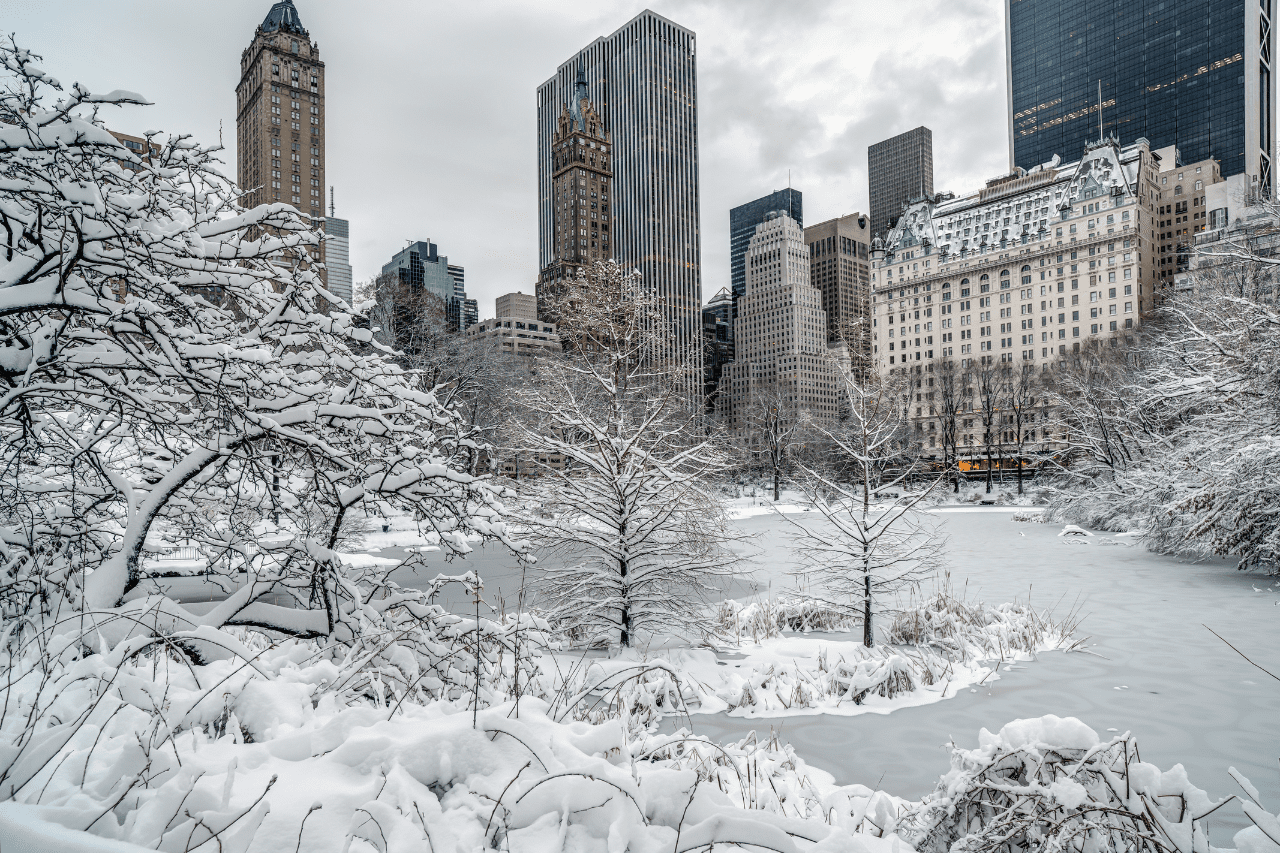
- New York City and Long Island: December often brings the first significant snowfall of the season to the metropolitan area. While the amounts can vary greatly, the city can experience several inches of snow, transforming the iconic skyline. This is also the start of the prime time for festive holiday displays and activities.
- Hudson Valley: Snowfall becomes more consistent, with accumulations of several inches not uncommon.
- Western, Central, and Upstate Regions: This is peak snowfall season. Lake-effect snow can be intense, leading to significant accumulations. Many ski resorts are fully operational by December.
- January & February: These are typically the coldest and snowiest months across New York.
- All Regions: Expect frequent snowfalls, with the potential for major winter storms. New York City can experience its heaviest snowfalls during these months. Upstate regions continue to receive substantial snow, ideal for winter recreation. The Adirondacks and Catskills are at their snowy prime for skiing, snowboarding, and other winter activities. For those seeking a cozy winter escape, booking a stay at a resort like the Mirror Lake Inn Resort and Spa or exploring the charming towns around Lake George can be a delightful experience.
Late Season Snowfall (March – April)
- March: Winter’s grip begins to loosen, but significant snowfall is still very possible, especially in the earlier part of the month.
- Upstate and Mountainous Regions: These areas can still receive considerable snow, and ski resorts often remain open well into March.
- New York City and Long Island: While less frequent, late-season snowstorms can still occur in early March, sometimes bringing substantial accumulations. By late March, however, warmer temperatures often mean any snowfall is mixed with rain and melts quickly.
- April: Snowfall becomes increasingly rare, particularly in downstate New York.
- New York City and Long Island: Accumulating snow in April is highly unusual.
- Upstate and Mountainous Regions: The higher elevations of the Adirondacks and Catskills might still see light snow showers, especially in early April, but it’s generally considered the end of the snow season for most of the state.
Planning Your New York Winter Trip
Knowing when snow typically starts in New York is invaluable for planning your visit, whether you’re a seasoned winter traveler or a first-timer.
For the Winter Sports Enthusiast
If your primary goal is to hit the slopes, ski trails, or ice skating rinks, aim for January and February. This period offers the highest probability of consistent snow cover and cold temperatures across the state. Consider destinations like Lake Placid in the Adirondacks, known for its Olympic legacy and excellent winter sports facilities, or the numerous ski resorts scattered throughout the Catskills. Booking accommodation in advance is highly recommended, especially for popular resorts like the Mohonk Mountain House or for stays in charming villages like those near Hunter Mountain.
For the Festive City Explorer
If you dream of experiencing the magic of New York City during the holiday season, late November through December is your window. While significant snow isn’t guaranteed, the city is adorned with spectacular decorations, holiday markets spring up, and the atmosphere is undeniably festive. You might be lucky enough to witness a picturesque snowfall blanketing Rockefeller Center or dusting Fifth Avenue. Even without snow, the crisp winter air and festive spirit make it an unforgettable experience. Consider hotels that offer prime views, such as the The Plaza Hotel or luxury suites at the Mandarin Oriental, New York.
For the Scenic Traveler
For those drawn to the natural beauty of New York in winter, the quieter months of January and February can be ideal. Snow-covered landscapes offer a different kind of beauty, and fewer crowds mean a more intimate experience. Exploring the frozen beauty of Niagara Falls or taking a scenic drive through the snow-dusted countryside of upstate New York can be incredibly rewarding. Consider a cozy cabin rental or a stay at a charming bed and breakfast in a town like Saranac Lake or Woodstock.
Packing Essentials
Regardless of when you visit during the snowy season, proper preparation is key. Essential items include:
- Warm, waterproof outer layers: A good winter coat, waterproof pants, and sturdy, waterproof boots are non-negotiable.
- Insulating layers: Thermal base layers, fleece sweaters, and wool socks will keep you warm.
- Accessories: A warm hat, waterproof gloves or mittens, and a scarf are crucial for protecting extremities.
- Traction aids: For icy conditions, consider bringing slip-on shoe grips for added safety.
By understanding the general patterns of when snow starts in New York, you can better tailor your travel plans to maximize your enjoyment of this enchanting, albeit cold, season. Whether you’re seeking thrilling winter sports, festive city lights, or serene snowy landscapes, New York in winter offers a memorable experience for every type of traveler.
LifeOutOfTheBox is a participant in the Amazon Services LLC Associates Program, an affiliate advertising program designed to provide a means for sites to earn advertising fees by advertising and linking to Amazon.com. Amazon, the Amazon logo, AmazonSupply, and the AmazonSupply logo are trademarks of Amazon.com, Inc. or its affiliates. As an Amazon Associate we earn affiliate commissions from qualifying purchases.