
The moniker “Gotham” might evoke images of dark alleys, soaring gargoyles, and the brooding presence of a certain caped crusader. While undeniably linked to the world of comic books and superhero fantasies, the name “Gotham” has a surprising and fascinating history that predates its association with Batman by many decades. For those who live in, visit, or dream of visiting New York City, understanding this nickname offers a unique lens through which to view the city’s evolution, its cultural impact, and its enduring allure. This exploration delves into the origins of the name “Gotham,” tracing its literary roots and examining how it became inextricably tied to the vibrant, complex metropolis we know today.
The Literary Genesis of Gotham
The story of New York City being called “Gotham” doesn’t begin in the concrete jungle or at a bustling travel agency. Instead, it starts within the pages of literature, specifically in the early 19th century. The name itself possesses an ancient, almost mythical quality, and its adoption by a writer looking to capture the essence of a burgeoning American city was a stroke of linguistic genius.
Washington Irving and the Early Nickname
The individual most credited with popularizing the nickname “Gotham” for New York City is the renowned American author Washington Irving. In the early 1800s, New York was undergoing rapid transformation. It was a city of contrasts: a bustling port, a center of commerce, and a melting pot of diverse cultures, yet also a place where naivete and shrewdness often coexisted.
Irving, known for his wit and keen observations of American life, first employed the name “Gotham” in his satirical publication, Salmagundi. This weekly journal, co-edited with his brother William Irving and James Kirke Paulding, aimed to critique the social and political landscape of the time. In its pages, Irving used “Gotham” as a sarcastic epithet for New York, drawing a parallel to an English village of the same name, known for its supposed foolishness and simple-mindedness. The idea was to playfully highlight the perceived eccentricities and sometimes gullible nature of the city’s inhabitants, particularly its elite.
The specific issue where Irving first used the name is often cited as Salmagundi, No. 17, published in August 1807. He described Gotham as a place where “the wise men who were accustomed to assemble in the town-hall, for the purpose of deliberating on matters of importance… once gravely resolved to put a stop to the inroads of the sea, by building a fence round the island.” This charmingly absurd image, intended to gently mock the city’s decision-makers, stuck.
The nickname’s success wasn’t instantaneous but rather a gradual infiltration into the popular consciousness. Irving’s reputation as a storyteller and humorist lent weight to his observations, and the name “Gotham” began to be associated with New York in a semi-affectionate, semi-critical manner. It captured a certain spirit of the city – a blend of grand ambition and occasional folly, a place that could be both sophisticated and endearingly provincial.
The Etymology of “Gotham”
While Washington Irving popularized the name, the origins of the English village of Gotham are even older and more rooted in folklore. The name “Gotham” in England is believed to be derived from Old English, meaning “goat’s home” or “goat settlement.” The village itself became famous in medieval times for a legend of its inhabitants deliberately acting foolishly to avoid attracting the attention of King John, who might otherwise have imposed taxes or demands upon them.
This legend, often attributed to the tales of the “Wise Men of Gotham,” depicted villagers engaging in ridiculous schemes, such as trying to drown a cuckoo in a pond to make it sing year-round, or building a circular hedge around a meadow where they claimed to have seen a fox. These stories, passed down through generations, painted Gotham as a place of amusing, if not deliberate, idiocy.
When Washington Irving chose this name for his satirical portrayal of New York, he was tapping into this existing cultural understanding of “Gotham” as a place of eccentricities and well-intentioned but ultimately foolish actions. It was a clever literary device, allowing him to comment on New York City‘s development and its inhabitants’ quirks without being overtly harsh. The nickname resonated because it seemed to fit the dynamic, sometimes chaotic, and often surprising nature of the growing American metropolis.
From Literary Jest to Urban Icon
The transition of “Gotham” from a literary jest to an enduring nickname for New York City was a slow but steady process. It wasn’t a sudden rebranding but a natural evolution, influenced by its association with a city that was increasingly becoming a symbol of American ambition, innovation, and, at times, a darker, more complex undercurrent.
The “City That Never Sleeps” Connection
New York City‘s relentless energy, its 24/7 pace, and its constant state of flux also contributed to the adoption of “Gotham.” The nickname, initially applied by Irving with a touch of irony, began to be seen as a fitting descriptor for a city that was always “on.” This energetic, bustling quality, coupled with its immense size and diverse population, gave it a character that transcended mere geographical location.

As New York grew into a global hub for finance, culture, and fashion, its image became more complex. It was a city of glittering skyscrapers and shadowy underbellies, of immense wealth and stark poverty, of unparalleled opportunity and crushing competition. This duality, this rich tapestry of light and shadow, made the slightly ironic and historically resonant “Gotham” a surprisingly apt moniker. It allowed for a romanticized, yet also realistic, portrayal of the city’s character.
The Rise of the Caped Crusader
The most significant factor in cementing “Gotham” in the popular imagination, however, arrived much later with the advent of comic books. In the late 1930s, the burgeoning superhero genre found its perfect urban playground. When the character of Batman was created by artist Bob Kane and writer Bill Finger for DC Comics, they needed a city to call home. They chose Gotham City.
The creators have offered various explanations for this choice over the years. Some suggest it was a direct homage to Washington Irving, acknowledging the nickname’s prior existence. Others have alluded to the phonetic appeal of the name, its slightly sinister yet grand sound. Regardless of the precise motivation, the decision proved to be a masterstroke.
Gotham City, as depicted in the comics, became a dark, brooding, and often crime-ridden metropolis, a stark contrast to the brighter, more idealized cities often featured in fiction. This depiction, while fictional, tapped into the existing perceptions of New York City‘s grittier aspects, its atmospheric density, and its towering architecture that could cast long shadows. The visual language of Batman stories – the gothic architecture, the rain-slicked streets, the sense of unease beneath a veneer of civilization – perfectly mirrored and amplified the romanticized, darker connotations that “Gotham” had begun to acquire.
The immense popularity of Batman and his associated media – comic books, television shows, movies, and video games – has since inextricably linked the name “Gotham” with New York City in the minds of millions worldwide. While Gotham City is a fictional entity, its visual and thematic inspirations are deeply rooted in the real New York.
Experiencing the “Gotham” of Today
While New York City is officially and universally known as New York, the nickname “Gotham” continues to hold a special place in its cultural identity. For travelers, understanding this history adds a layer of depth to their experience. It allows them to see the city not just as a collection of landmarks and attractions, but as a character in its own right, with a rich narrative woven through history and fiction.
Exploring Gotham’s Architectural Grandeur
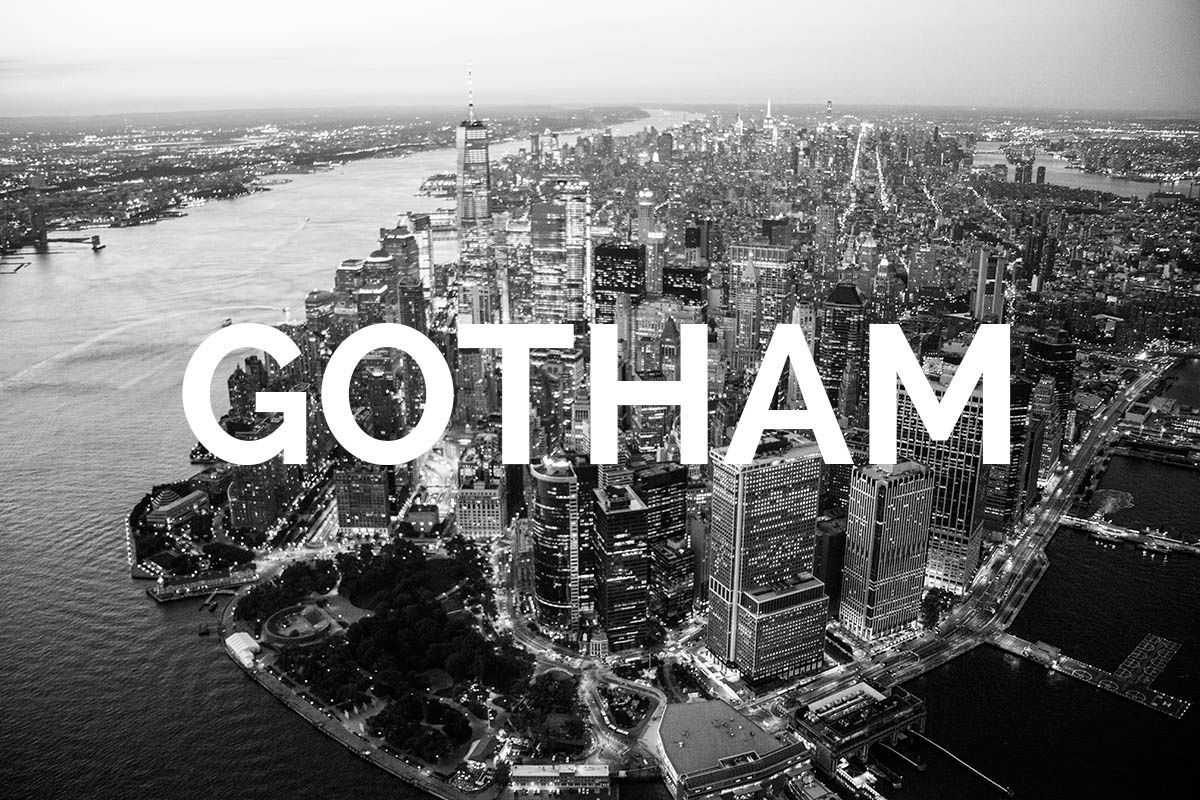
The architecture of New York City is a key element that lends itself to the “Gotham” mystique. The towering skyscrapers, particularly those with art deco and gothic influences, create a dramatic skyline that can evoke a sense of awe and, at times, a touch of the dramatic. Buildings like the Empire State Building, the Chrysler Building, and the historic structures in Lower Manhattan all contribute to this imposing grandeur. Imagine visiting the Top of the Rock Observation Deck for panoramic views, or strolling through Central Park at dusk; the interplay of light and shadow, the sheer scale of the urban landscape, can certainly feel like stepping into a scene from a Batman comic.
The city’s historical districts, with their brownstones and cobblestone streets in neighborhoods like Greenwich Village or parts of Brooklyn, offer a glimpse into an older New York, a time when Washington Irving himself might have walked these very streets. These areas possess a unique charm and atmosphere that can feel distinctly “Gotham-esque.”
Immersing Yourself in Gotham’s Vibrant Lifestyle
Beyond the visual spectacle, the “Gotham” spirit can be felt in New York City‘s relentless energy and diverse lifestyle. From the frantic pace of Times Square to the artistic bohemianism of the East Village, the city offers a kaleidoscope of experiences. For luxury travelers, the city boasts world-class hotels like The Plaza and The St. Regis New York, offering opulent suites and unparalleled service that stand in stark contrast to the darker fictional portrayals. Budget travelers, too, can find vibrant and affordable accommodation options, proving that New York caters to all walks of life.
The culinary scene is another essential facet of the New York experience, a true reflection of its diverse culture. From Michelin-starred restaurants to iconic delis serving pastrami on rye, the food alone is an adventure. Exploring the local food markets or taking a guided culinary tour can immerse visitors in the city’s flavors and aromas, adding another sensory layer to their understanding of New York.
Activities abound, from catching a Broadway show in the Theater District to exploring world-renowned museums like the Metropolitan Museum of Art or the Museum of Modern Art. The city’s landmarks, such as the Statue of Liberty and Ellis Island, represent its enduring symbolism of hope and opportunity, while the historical significance of places like Federal Hall speaks to its foundational role in American history.

The Enduring Legacy of the Nickname
The nickname “Gotham” for New York City is a testament to the power of language, the influence of literature, and the way a place can capture the collective imagination. What began as a playful jab by Washington Irving evolved into a sophisticated descriptor, and was then amplified exponentially by its association with Batman.
For anyone planning a trip to New York, whether seeking luxurious resorts or charming apartments, exploring its famous places, or delving into its local culture, the name “Gotham” offers a compelling narrative thread. It reminds us that cities, like stories, have multiple layers. New York City is a city of dreams, of grit, of glamour, and of a certain enduring, slightly mysterious, charm – a charm that the name “Gotham” so perfectly encapsulates. It’s a nickname that, while fictionalized, continues to inform our perception and appreciation of one of the world’s most iconic destinations.
LifeOutOfTheBox is a participant in the Amazon Services LLC Associates Program, an affiliate advertising program designed to provide a means for sites to earn advertising fees by advertising and linking to Amazon.com. Amazon, the Amazon logo, AmazonSupply, and the AmazonSupply logo are trademarks of Amazon.com, Inc. or its affiliates. As an Amazon Associate we earn affiliate commissions from qualifying purchases.