
For many couples exploring the vibrant lifestyle options across the United States, understanding the intricacies of state laws regarding relationships is as crucial as planning their next travel itinerary. When considering a move to the Lone Star State, or simply curious about local customs, one question frequently arises: “What is common law marriage in Texas?” While often misunderstood and surrounded by myths, common law marriage – formally known as “informal marriage” in Texas statutes – is a legally recognized union with significant implications for couples, their assets, and their future. This comprehensive guide will demystify informal marriage in Texas, exploring its legal requirements, debunking common misconceptions, and examining its practical impact on everything from shared accommodation to estate planning, especially for those who embrace a dynamic and mobile way of life.
Understanding the Nuances of Informal Marriage in Texas
The concept of common law marriage dates back centuries, originating from a time when formal ceremonies were less accessible. While many states have abolished it, Texas remains one of a handful that still recognizes these unions, albeit with specific and often stringent requirements. Unlike a ceremonial marriage, which involves obtaining a license and participating in a formal ceremony, an informal marriage is established through the actions and intentions of the couple themselves. It’s not simply about living together; it’s about a profound commitment recognized both by the couple and, crucially, by the community around them. This distinction is vital for anyone considering moving to or living in cities like Houston, Dallas, Austin, or San Antonio, where informal marriages are just as valid as traditional ones in the eyes of the law.
The Three Pillars of an Informal Marriage
To establish an informal marriage in Texas, couples must satisfy three specific criteria, as outlined in the Texas Family Code § 2.401. All three conditions must be met simultaneously:
-
Agreement to be Married: The couple must agree that they are married. This doesn’t require a formal verbal declaration in front of witnesses, but rather a mutual understanding and intention to enter into a marital relationship. This agreement can be proven through direct testimony, but more often, it’s inferred from the couple’s conduct and declarations. For globetrotting couples who may have made commitments in exotic destinations or during private moments, the existence of this agreement is often the most subjective and challenging aspect to prove, as it relies heavily on individual intent.
-
Holding Out to Others as Married: This is perhaps the most visible and often misunderstood component. The couple must represent to others that they are married. This means presenting themselves publicly as husband and wife (or spouses). This can manifest in various ways: introducing each other as “my spouse,” using the same last name, filing joint tax returns, opening joint bank accounts, signing joint leases for apartments or villas, or listing each other as spouses on insurance policies. Simply living together, even for many years, is not enough. The key is their public representation and how their relationship is perceived by family, friends, neighbors, and even casual acquaintances they might encounter during their tourism adventures or stays at various hotels or resorts. A couple consistently booking a single room as “Mr. and Mrs. Smith” at a Hyatt Regency or a Marriott Hotel might demonstrate this, for example.

- Living Together as a Married Couple: The couple must cohabit in Texas as husband and wife. This implies shared living arrangements, joint responsibilities, and a marital-like existence under one roof. While temporary separations for work or travel are permissible, the primary residence and the overall pattern of their shared life must demonstrate a marital cohabitation. It’s not uncommon for couples, especially those with adventurous spirits, to live together in various locales – from cozy boutique hotels in Europe to long-term rentals in Central America – but to establish an informal marriage in Texas, the cohabitation as a married couple must occur within the state’s borders.
It’s important to note that there is no specific time limit or duration of cohabitation required. Some mistakenly believe that living together for seven years automatically creates a common law marriage; this is a pervasive myth. The duration of cohabitation is merely one piece of evidence that a court might consider in determining if the three pillars are met, but it is not a standalone requirement.
Dispelling Common Misconceptions
The landscape of common law marriage is rife with inaccuracies. One of the most prevalent myths is the aforementioned “seven-year rule,” which simply does not exist in Texas law. A couple could potentially establish an informal marriage after only a few months if all three criteria are met, or conversely, live together for decades without ever forming one if they never intended to be married or held themselves out as such.
Another misconception is that simply sharing a bank account or signing a lease together constitutes marriage. While these actions can be evidence of holding out or living together, they are not, in themselves, sufficient to establish an informal marriage. Many unmarried partners share finances and living spaces for convenience without any intention of marrying, and the law respects that distinction. For partners embarking on extended travel and sharing expenses for flights, accommodations, and attractions, these actions alone do not create a marital bond unless accompanied by the explicit agreement and public representation of being married.
Lastly, some believe that informal marriage is a lesser form of marriage. This is unequivocally false. Once established, an informal marriage in Texas is just as legally binding and carries the same rights and responsibilities as a ceremonial marriage. This parity is crucial to understand, especially when considering the legal and financial implications that follow.
The Legal Ramifications and Lifestyle Implications
Recognizing an informal marriage carries significant legal weight, mirroring that of a formal union. This parity extends to property rights, inheritance, spousal support, and obligations upon separation. For couples building a life together, whether they are digital nomads exploring various destinations or establishing roots in a charming Texas town, understanding these ramifications is paramount. The “lifestyle” component becomes more than just choosing between a luxury hotel or budget-friendly hostel; it encompasses the legal framework of their partnership.
Rights, Responsibilities, and Financial Considerations
Upon the establishment of an informal marriage, the couple is afforded all the same rights and responsibilities as ceremonially married spouses. This includes, but is not limited to:
-
Community Property: In Texas, a community property state, all assets acquired by either spouse during the marriage (from the date the informal marriage began) are considered community property and are generally subject to a 50/50 division upon divorce. This includes earnings, investments, real estate, and even points accumulated through loyalty programs if they are tied to a joint travel or lifestyle account. This can significantly impact couples who have pooled resources for international travel, joint ventures, or property purchases, perhaps even a vacation home in Puerto Rico or a condo in South Padre Island.
-
Inheritance Rights: If one spouse dies without a will (intestate), the surviving informal spouse has the same inheritance rights as a ceremonially married spouse under Texas law. This can be critical for ensuring financial stability and continuity, especially for a partner who may have foregone career opportunities to support a spouse’s demanding travel-intensive career or joint lifestyle.
-
Spousal Support/Alimony: In certain circumstances, a judge may order one informal spouse to pay spousal maintenance (alimony) to the other after a divorce, just as in a formal marriage.
-
Decision-Making Authority: Spouses in an informal marriage also gain legal authority regarding medical decisions, funeral arrangements, and other critical matters for each other. This is a practical benefit that can be overlooked, but becomes paramount in emergencies, particularly if one spouse is abroad or facing a medical crisis far from home.
These legal ties make it essential for couples who believe they might be informally married to understand the implications for their financial planning, particularly if they engage in joint ventures like buying property, running a business, or investing in shared travel experiences.
Navigating Separation and Divorce in Common Law Marriages
The process of ending an informal marriage is identical to that of ending a ceremonial marriage: through a formal divorce proceeding. There is no such thing as a “common law divorce” where couples can simply separate and go their own ways without legal intervention. If a couple in an informal marriage decides to separate, they must file for divorce in a District Court and go through the same legal procedures to divide community property, establish child custody (if applicable), and determine spousal support. This can be a complex and often emotionally charged process, particularly because the date the marriage began might be disputed. Proving the existence of the informal marriage itself then becomes the first hurdle in the divorce proceedings, often requiring extensive evidence gathering regarding their intentions and public representation throughout their relationship.
This is a stark reminder for couples, especially those with an international or transient lifestyle, that their informal union in Texas has permanent legal ties. It’s not something that can be dissolved by merely packing bags and moving to a new country or state.
When Travel and Lifestyle Intersect with Common Law Marriage
For individuals whose lives revolve around travel, experiencing different cultures, and embracing diverse lifestyles, the legal status of their relationship can have unique considerations. While the Texas laws on informal marriage are clear within the state’s borders, their application and recognition can become complex when global adventures come into play.
Accommodation and Travel Planning for Unmarried Partners
Many couples who travel extensively often present themselves as married for convenience, cultural reasons, or to simplify booking hotel suites or apartments abroad. Introducing a partner as “my husband” or “my wife” when checking into a Hilton in London, securing a villa in Tuscany, or even navigating customs in Mexico or Canada is a common practice. However, if this “holding out” occurs while the couple primarily resides in Texas and they mutually agree to be married and live together as such, these public declarations made during their travels can serve as powerful evidence of an informal marriage.

This means that a seemingly innocent introduction to a tour guide in Rome, or a shared itinerary under a married name, could later be used to establish the existence of an informal marriage in a Texas court. It underscores the importance for unmarried partners living in Texas, especially those with a robust travel calendar, to be mindful of how they represent their relationship. If they do not intend to be married, they should consistently represent themselves as unmarried partners, even when it might be less convenient during their adventures.
Estate Planning and International Considerations
For couples in informal marriages, particularly those with assets scattered across different states or countries, robust estate planning is critical. While Texas law recognizes the informal spouse’s inheritance rights, these rights might not be automatically recognized in other jurisdictions without proper documentation. Imagine a couple who considers themselves informally married in Texas, owns a property in Florida or a timeshare in the Caribbean, and one spouse passes away. The surviving partner might face significant legal hurdles in a Florida Probate Court if the informal marriage is not easily proven or if Florida law doesn’t recognize common law marriages established elsewhere without specific documentation.
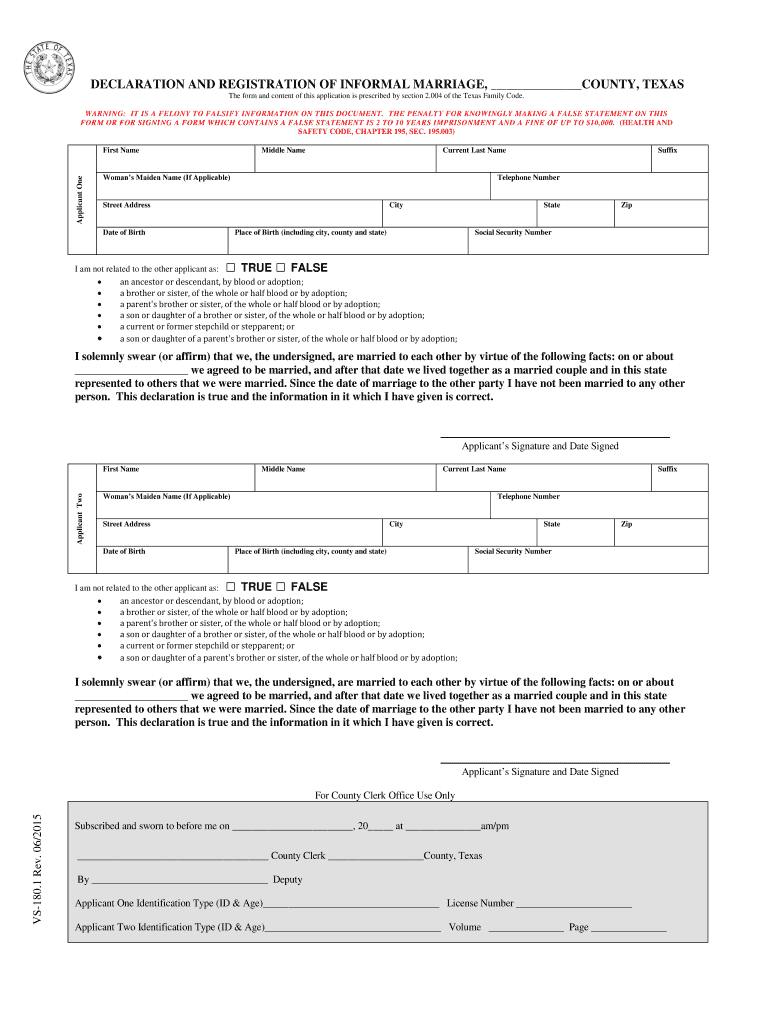
This highlights the value of formalizing the informal marriage in Texas through a “Declaration and Registration of Informal Marriage.” This document, filed with the county clerk, provides a concrete record of the marriage’s existence and its effective date. It acts as a legal passport for the relationship, offering clear proof that can be presented to banks, insurance companies, or foreign legal systems, thereby simplifying challenges related to inheritance, property rights, and medical decision-making, particularly for partners whose lifestyle takes them to various landmarks and jurisdictions globally.
Seeking Clarity: Legal Counsel and Documentation
Given the significant legal and financial implications, any couple in Texas who believes they might be in an informal marriage, or who simply wishes to avoid inadvertently creating one, should seek professional legal advice. An experienced Texas family law attorney can provide personalized guidance, helping couples understand their rights and responsibilities.
For those who wish to formally acknowledge their informal marriage, the “Declaration and Registration of Informal Marriage” is a straightforward process. Both parties sign an affidavit stating they meet the requirements of an informal marriage and provide the date their marriage began. This document is then filed with the county clerk, creating a public record of their union. This simple step can prevent future disputes, protect assets, and provide peace of mind, especially for couples whose lifestyle involves complex financial arrangements or frequent travel that might otherwise complicate their marital status.
Conversely, if a couple does not wish to be considered informally married, they must be diligent in their actions and representations. They should avoid using marital titles, filing joint tax returns (unless legally advised otherwise for other reasons), or otherwise presenting themselves as married in public. Clarity in communication and consistent actions are key to defining the nature of their partnership, whether they are sharing a suite at a Four Seasons hotel or simply enjoying the attractions of Big Bend National Park.
In conclusion, common law marriage in Texas is a legally valid and consequential form of union. It is far more than merely cohabiting; it requires a genuine agreement to be married, public representation as spouses, and cohabitation within the state. For those enjoying a diverse lifestyle that includes extensive travel and varied accommodation choices, understanding these specific legal tenets of Texas is crucial for managing their personal lives, finances, and future plans. Whether choosing to formally acknowledge an informal marriage or actively avoid one, clear communication and legal guidance are the best tools to navigate the unique legal landscape of the Lone Star State.
LifeOutOfTheBox is a participant in the Amazon Services LLC Associates Program, an affiliate advertising program designed to provide a means for sites to earn advertising fees by advertising and linking to Amazon.com. Amazon, the Amazon logo, AmazonSupply, and the AmazonSupply logo are trademarks of Amazon.com, Inc. or its affiliates. As an Amazon Associate we earn affiliate commissions from qualifying purchases.