
As Oklahoma continues to solidify its position as a burgeoning travel destination, with its diverse landscapes ranging from the rugged beauty of the Ouachita Mountains to the vibrant urban energy of Oklahoma City and the rich cultural tapestry of Tulsa, understanding local laws and regulations becomes increasingly important for visitors. With the rise in cannabis tourism and a growing interest in the legal status of marijuana across the United States, many travelers find themselves asking: “Is weed legal in Oklahoma in 2024?” This article aims to provide a comprehensive overview of Oklahoma’s cannabis laws, focusing on aspects relevant to tourists and those planning a visit, while also touching upon how these regulations might intertwine with the travel and hospitality experiences available in the Sooner State.

Navigating Oklahoma’s Cannabis Landscape
Oklahoma’s journey into legalizing cannabis has been a dynamic one. Following the passage of State Question 788 in 2018, the state established a robust medical marijuana program. This initiative opened the door for qualified patients to access cannabis for therapeutic purposes. However, the legality for recreational use has remained a point of discussion and, for a long time, a point of contention. Understanding the nuances between medical and potential recreational access is crucial for anyone considering cannabis-related activities while visiting Oklahoma.
Medical Marijuana in Oklahoma
Oklahoma has one of the most permissive medical marijuana laws in the country. Approved patients, both residents and out-of-state visitors who meet specific criteria, can legally purchase and possess cannabis for medicinal purposes. The program is managed by the Oklahoma Medical Marijuana Authority (OMMA), which oversees licensing for dispensaries, growers, processors, and patients.
To qualify for medical marijuana in Oklahoma, patients must have a diagnosed qualifying medical condition as recognized by state law. This typically requires a recommendation from a licensed Oklahoma physician. For non-residents, obtaining a temporary or short-term medical marijuana license is possible, allowing them to legally purchase cannabis products from licensed dispensaries within the state. This is a significant factor for travelers who may rely on medical cannabis for their well-being and wish to continue their treatment while on vacation.
The process for obtaining a temporary license usually involves submitting an application to the OMMA along with proof of a qualifying condition from a physician and a valid ID from their home state. This ensures that visitors can access their medication without legal repercussions, provided they adhere to the state’s possession limits and consumption guidelines.
Recreational Use: The Current Status
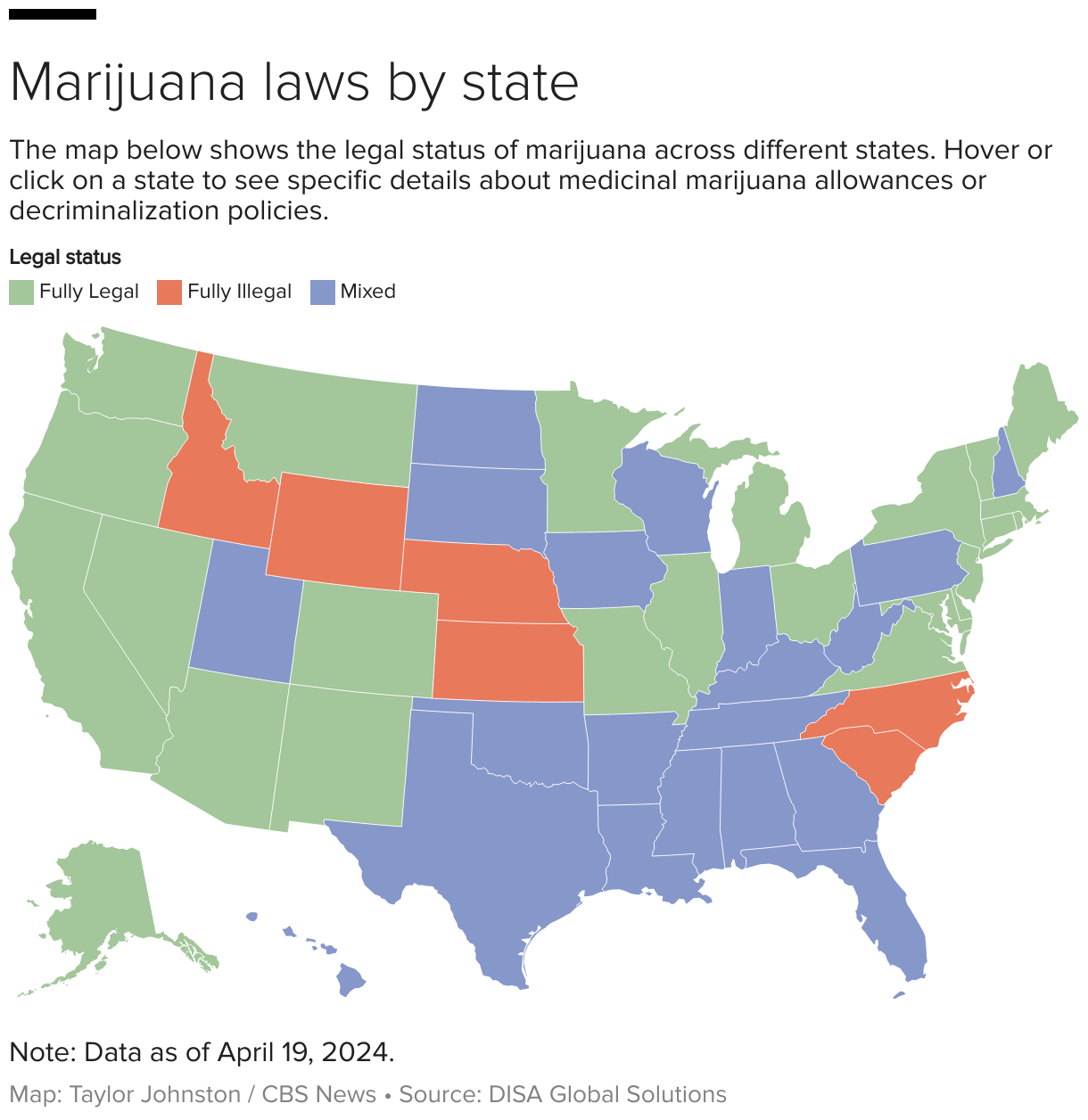
As of 2024, Oklahoma has not legalized recreational marijuana for adult-use. This means that individuals over 21 years of age cannot legally purchase, possess, or consume cannabis without a valid medical marijuana license. While there have been legislative efforts and discussions about potentially legalizing recreational marijuana, these initiatives have not yet been successful.
This distinction is vital for tourists planning a trip. Unlike states where recreational cannabis is legal and dispensaries are open to all adults 21 and over, Oklahoma’s cannabis market is currently restricted to medical patients. Attempting to purchase or possess cannabis without a valid medical license in Oklahoma can lead to legal penalties, including fines and potential arrest. Therefore, it is imperative for visitors to be aware of and respect these laws.
Travel and Cannabis in Oklahoma: What You Need to Know
For travelers drawn to the charm of Oklahoma – perhaps to explore the historic Route 66, hike in the Wichita Mountains Wildlife Refuge, or enjoy the arts and culture scene in cities like Norman or Edmond – understanding the cannabis laws is an integral part of planning a safe and enjoyable trip.
Visiting Dispensaries
If you are a qualified medical marijuana patient, either a resident or an out-of-state visitor with a temporary license, you can legally purchase cannabis products from licensed dispensaries. Oklahoma has a growing number of these dispensaries, often referred to as “dispensaries,” scattered throughout the state, from major urban centers to smaller towns.
When visiting a dispensary, be prepared to present your valid medical marijuana license or your temporary out-of-state license and a valid government-issued ID. Dispensaries are regulated and will verify your credentials before allowing a purchase. The products available typically include flower, edibles, concentrates, tinctures, and topicals. It’s advisable to familiarize yourself with the potency of different products and start with lower doses if you are new to a particular product or strain.

Consumption Laws and Public Spaces
Even for medical marijuana cardholders, Oklahoma has strict rules regarding where cannabis can be consumed. Public consumption of marijuana is illegal in Oklahoma. This includes parks, sidewalks, public transportation, and any place open to the general public. Consumption is generally limited to private residences.
This means that if you are staying in a hotel or resort, you must confirm their specific policies on cannabis consumption. Many hotels, particularly those that cater to a wider range of guests or adhere to strict no-smoking policies, will prohibit the use of any substance, including cannabis, on their premises. Travelers are advised to seek accommodations that explicitly permit cannabis use or to ensure they have access to a private, non-public space where consumption is allowed. This is an important consideration when booking accommodations, whether you are looking for a luxurious suite in a downtown hotel or a secluded villa in the countryside.
Furthermore, driving under the influence of marijuana is strictly prohibited and carries severe penalties, similar to driving under the influence of alcohol. It is illegal to operate a vehicle while impaired by cannabis.
Possession Limits
For medical marijuana patients, Oklahoma law allows for possession of up to three ounces of usable marijuana, 72 ounces of infused products, and six mature plants, along with six seedlings. However, it is crucial to note that these are maximum allowances, and exceeding them can lead to legal trouble. Visitors should be mindful of these limits to avoid any misunderstandings or legal complications during their stay.
The Intersection of Travel, Hospitality, and Cannabis in Oklahoma
As Oklahoma’s tourism sector continues to expand, the interplay between the state’s cannabis laws and the travel experience becomes more pronounced. For businesses in the hospitality sector, understanding these regulations is key to providing compliant and welcoming services to their guests.
Accommodation Options and Cannabis Policies
When planning a trip to Oklahoma, especially if you are a medical marijuana patient, it is wise to research accommodation options that are cannabis-friendly. While many hotels may have blanket policies against smoking or any substance use, some bed and breakfasts, rental properties, or even specialized resorts might be more accommodating.
Travelers seeking extended stays or looking for unique experiences might consider vacation rentals or apartments that offer more privacy. When booking, it is always recommended to directly contact the property manager or hotel to inquire about their specific policies regarding cannabis use. This proactive approach can prevent awkward situations and ensure a comfortable stay. For those planning a longer visit or seeking a more independent experience, exploring long-term stay accommodations might also present more flexible options.
Tourism and Local Culture
Oklahoma’s rich history, from its Native American heritage to its oil boom legacy, offers a wealth of attractions. Cities like Tulsa are known for their Art Deco architecture and vibrant music scene, while Oklahoma City boasts impressive museums and a growing culinary landscape. For medical cannabis tourists, integrating their medical needs with their travel plans requires careful consideration.
Understanding that recreational cannabis is not legal means that casual exploration of cannabis dispensaries, as one might do in some other states, is not an option. Instead, the focus for qualifying patients is on accessing their medication reliably and responsibly, allowing them to fully enjoy the other aspects of Oklahoma’s tourism offerings, such as visiting the Oklahoma Aquarium, exploring the Myriad Botanical Gardens, or experiencing the natural beauty of the Tallgrass Prairie Preserve.
Budget and Luxury Travel Considerations
Whether you are a budget traveler or seeking a luxury experience, Oklahoma’s cannabis laws apply universally. For budget travelers, understanding the costs associated with obtaining a temporary medical license and purchasing cannabis products is important for trip planning. For those opting for luxury travel, ensuring that upscale accommodations and experiences align with cannabis consumption policies is key to maintaining a seamless and enjoyable itinerary. This might involve booking private tours or seeking out high-end dining experiences where discretion and adherence to local laws are paramount.
In conclusion, while Oklahoma continues to evolve, its stance on cannabis in 2024 remains focused on a medical-use framework. Visitors who are medical marijuana patients can legally access cannabis, but it is imperative to understand and adhere to all state laws, particularly concerning public consumption and possession limits. By staying informed, travelers can ensure a safe, legal, and enjoyable experience exploring the many wonders that Oklahoma has to offer.
LifeOutOfTheBox is a participant in the Amazon Services LLC Associates Program, an affiliate advertising program designed to provide a means for sites to earn advertising fees by advertising and linking to Amazon.com. Amazon, the Amazon logo, AmazonSupply, and the AmazonSupply logo are trademarks of Amazon.com, Inc. or its affiliates. As an Amazon Associate we earn affiliate commissions from qualifying purchases.