
When planning a trip to the Sooner State, understanding its tax structure is crucial, especially if you’re considering a longer stay or frequent visits. While the allure of Oklahoma’s vast landscapes, vibrant cities, and rich cultural heritage might be your primary focus, practicalities like sales tax can impact your budget. This guide delves into the intricacies of sales tax in Oklahoma, providing clarity for travelers, tourists, and anyone exploring Oklahoma for leisure or business.
Understanding Oklahoma’s Sales Tax Structure
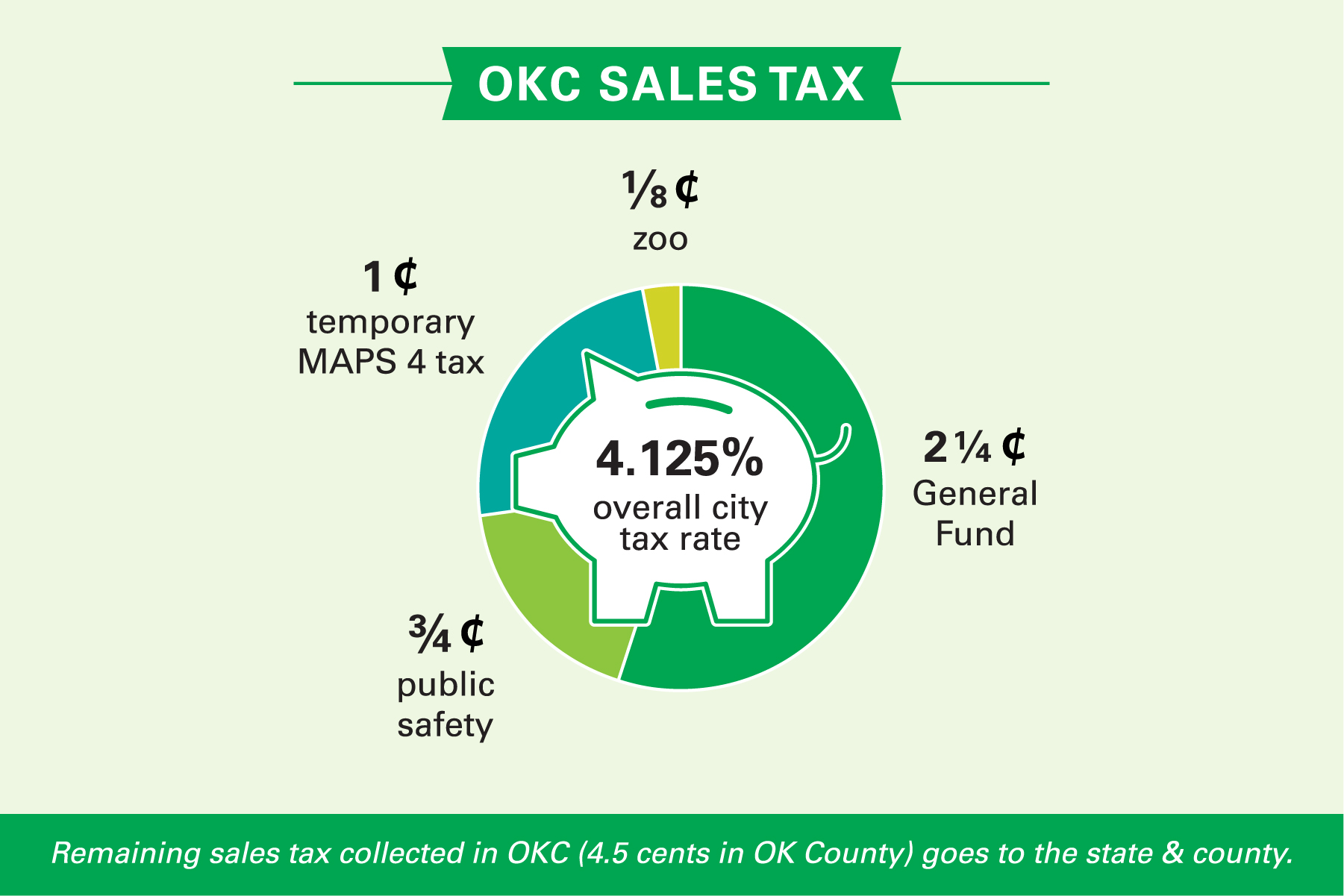
Oklahoma operates with a multi-tiered sales tax system, combining state-level taxes with local add-ons. This means the final sales tax rate you encounter can vary significantly depending on your specific location within the state. Unlike some states that have a uniform sales tax, Oklahoma’s system is designed to allow local municipalities and counties to levy their own taxes to fund local services, infrastructure, and community projects. This decentralized approach is a key characteristic that travelers need to be aware of.
State Sales Tax
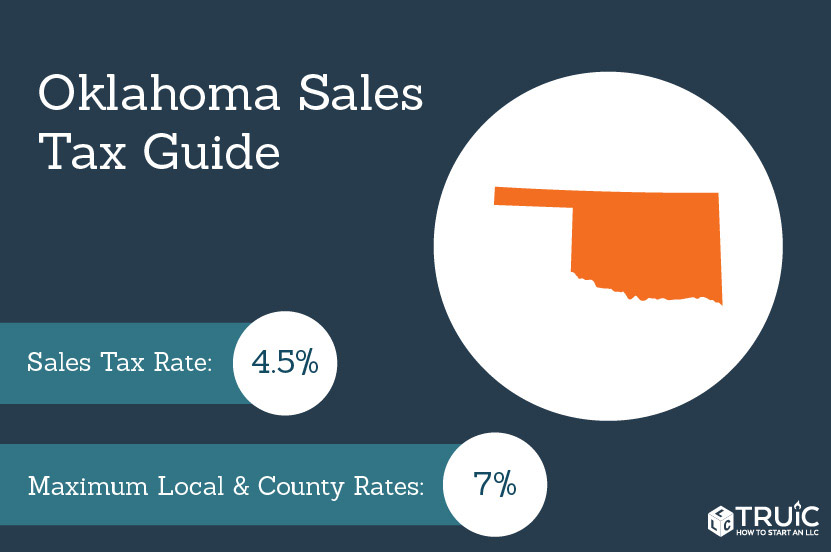
The state of Oklahoma imposes a base sales tax rate. This is the foundational rate that applies statewide, regardless of the city or county. However, it’s only one part of the overall sales tax picture. When you make a purchase or pay for services in Oklahoma, you’re essentially paying the state tax plus any applicable local taxes.
Local Sales Taxes
The significant variation in Oklahoma’s sales tax comes from local taxes. These are imposed by individual cities, towns, counties, and sometimes even special districts. The purpose of these local taxes is to provide revenue for local governments to fund essential services such as schools, police and fire departments, road maintenance, and local amenities. This is why a purchase made in one city might have a slightly different tax burden than the exact same purchase made in a neighboring town.
These local taxes are often presented as a percentage that is added directly onto the state sales tax. Consequently, the combined rate can escalate quickly. For example, a city might have a state sales tax of 4.5%, but with local add-ons, the total rate could easily reach 8% or even higher.
City and County Taxes
The most common form of local sales tax in Oklahoma is levied by cities and counties. Each city or town within a county can set its own sales tax rate, and counties also have the authority to impose a countywide sales tax. These taxes are often cumulative, meaning you’ll pay both the city and county portions if you are within both jurisdictions.
Special District Taxes
Beyond city and county taxes, Oklahoma also allows for the creation of special districts, which can also levy sales taxes. These districts are established for specific purposes, such as funding public transportation, libraries, or capital improvement projects. If your travel plans take you through an area served by a special district, you might encounter an additional sales tax component.
What Goods and Services Are Subject to Sales Tax in Oklahoma?
Generally, Oklahoma’s sales tax is applied to the sale of tangible personal property and certain services. However, like most tax systems, there are exemptions and nuances that are important to understand.
Tangible Personal Property
This category includes most physical goods you would purchase, from groceries and clothing to electronics and souvenirs. When you buy items in Oklahoma, the sales tax will typically be calculated on the purchase price.
Taxable Services
Oklahoma has also expanded its sales tax base to include a growing list of services. This is a trend seen across many states as governments seek to broaden their revenue streams. Common taxable services include:
- Utilities: Such as electricity, gas, and water, though there are often exemptions for residential use.
- Telecommunications Services: Including phone and internet services.
- Hotel and Motel Stays: The room rate itself is subject to sales tax, as discussed further below.
- Motor Vehicle Repair and Maintenance: Services performed on vehicles.
- Lawn Care and Landscaping Services:
- Dry Cleaning and Laundry Services:
- Certain Amusement and Recreational Services:
- Home Improvement Services:
- Computer Repair and Data Processing Services:
It is always advisable to inquire about taxability when purchasing services, as the specifics can sometimes be complex.
Exemptions and Non-Taxable Items
To encourage certain activities or provide relief to consumers, Oklahoma offers various exemptions from sales tax. Some of the most common include:
- Food for Home Consumption: Groceries purchased for consumption at home are generally exempt from state sales tax. However, prepared foods or “hot foods” ready for immediate consumption, such as those bought at a deli counter or convenience store, are often taxable. This distinction is important for travelers looking to save on meals.
- Prescription Drugs and Medical Supplies: Essential medical items are typically exempt.
- Sales to the U.S. Government:
- Sales to Native American Tribes: In certain circumstances, sales made to federally recognized Native American tribes and their members can be exempt, depending on jurisdictional agreements.
- Sales for Resale: Businesses purchasing goods or services for the purpose of reselling them are usually exempt.
- Certain Agricultural Products and Supplies:
- Manufacturers’ Exemptions: Specific exemptions exist for manufacturers to encourage industrial development.
Understanding these exemptions can lead to significant savings, especially for longer-term stays or when stocking up on necessities.
Sales Tax on Accommodation and Tourism
For travelers, understanding sales tax on lodging and activities is particularly relevant. Whether you’re staying in a luxury resort in Oklahoma City or a cozy bed and breakfast in the Ozarks, sales tax will likely be a factor in your accommodation costs.
Hotels, Resorts, and Vacation Rentals
The room rate charged by hotels, motels, resorts, apartments, and villas is subject to Oklahoma’s sales tax. This tax is typically calculated based on the combined state and local rates of the location where the accommodation is situated. For example, staying at a renowned resort like the Skirvin Hilton Oklahoma City or a boutique hotel in Tulsa will involve paying sales tax on your nightly rate.
When booking through online travel agencies or directly with properties, the quoted price often includes the base room rate, and then the applicable sales tax is added to your final bill. It’s a good practice to check the estimated total cost, including taxes, before confirming your reservation. Some properties might also have additional taxes or fees, such as occupancy taxes or tourism assessments, which are separate from the general sales tax but contribute to the overall cost of your stay.
Tourist Attractions and Experiences
Many attractions, activities, and experiences popular with tourists are also subject to sales tax. This can include admission fees to theme parks, museums, historical sites, and national parks. For instance, visiting the Oklahoma Aquarium or exploring the Philbrook Museum of Art will likely incur a sales tax on the ticket price.
Similarly, fees for guided tours, recreational activities like boat rentals or golf green fees, and even parking at certain attractions can be taxed. The specific taxability often depends on whether the activity is considered a sale of tangible personal property or a taxable service. Always be mindful that the advertised price for an attraction might not be the final price you pay if sales tax is applied.
Navigating Sales Tax When Traveling in Oklahoma
Given the variability of sales tax rates across Oklahoma, planning your purchases strategically can lead to savings, especially if you are on a budget travel plan or a long-term stay.
Researching Local Rates
Before arriving in a specific city or region, it’s beneficial to research the local sales tax rates. Websites of the Oklahoma Tax Commission or local city/county government portals often provide detailed information on current sales tax rates. Knowing the approximate rate in areas you plan to visit can help you budget more effectively. For example, if you’re comparing accommodation options in different cities, understanding the tax difference can sway your decision.
Impact on Budget Travel
For budget travelers, the cumulative effect of sales tax on everyday purchases – from meals and groceries to souvenirs and transportation – can add up. Opting for accommodations with kitchen facilities can allow you to prepare some meals, leveraging the exemption on groceries for home consumption and reducing the impact of sales tax on dining out. Similarly, exploring free attractions like parks and many landmarks can help offset the cost of paid, taxable activities.
Business Stays and Luxury Travel
For business travelers or those enjoying luxury travel, the sales tax on accommodations might be less of a deterrent, but awareness is still key for accurate expense reporting. High-end hotels and resorts in cities like Oklahoma City or Tulsa will have the state and local sales tax applied to their premium rates. For business stays, ensure you understand the tax policies for reimbursement. For luxury travel, factor in the tax when budgeting for amenities and services that often come with higher price tags and, consequently, higher tax burdens.
Long-Term Stays and Rentals
Individuals planning long-term stays, such as renting an apartment or villa for an extended period, should pay close attention to how sales tax is applied. While some long-term residential leases might have different tax treatments than short-term hotel stays, it’s crucial to clarify this with the property management. The purchase of furniture, household goods, and utilities during a long-term stay will also be subject to the applicable sales tax rates in the area, such as Norman or Edmond.
In conclusion, navigating the sales tax landscape in Oklahoma requires an understanding of its layered system, from the state base rate to the diverse local add-ons. By being informed about what is taxed, what is exempt, and how rates vary by location, travelers can make more informed decisions, manage their budgets effectively, and enjoy all that Oklahoma has to offer, from its natural beauty and historical landmarks to its vibrant urban centers and welcoming communities.
LifeOutOfTheBox is a participant in the Amazon Services LLC Associates Program, an affiliate advertising program designed to provide a means for sites to earn advertising fees by advertising and linking to Amazon.com. Amazon, the Amazon logo, AmazonSupply, and the AmazonSupply logo are trademarks of Amazon.com, Inc. or its affiliates. As an Amazon Associate we earn affiliate commissions from qualifying purchases.