
Understanding the current temperature and weather in Tulsa, Oklahoma, is a fundamental piece of information for anyone planning a visit. Whether you’re a seasoned traveler seeking the perfect conditions for exploring iconic landmarks, a family looking for ideal weather for outdoor activities, or a business traveler aiming to pack appropriately for your stay, knowing what to expect temperature-wise is crucial. This guide aims to provide you with a comprehensive overview of Tulsa’s climate, helping you to better plan your travels, accommodation, and experiences in this vibrant Oklahoma city.
Tulsa, nestled in the northeastern part of the state, experiences a humid subtropical climate. This means it enjoys warm, humid summers and relatively mild winters, though significant temperature fluctuations can occur. The city is also situated within “Tornado Alley,” a region prone to severe weather, which can influence daily temperature and weather patterns, particularly during the spring months.
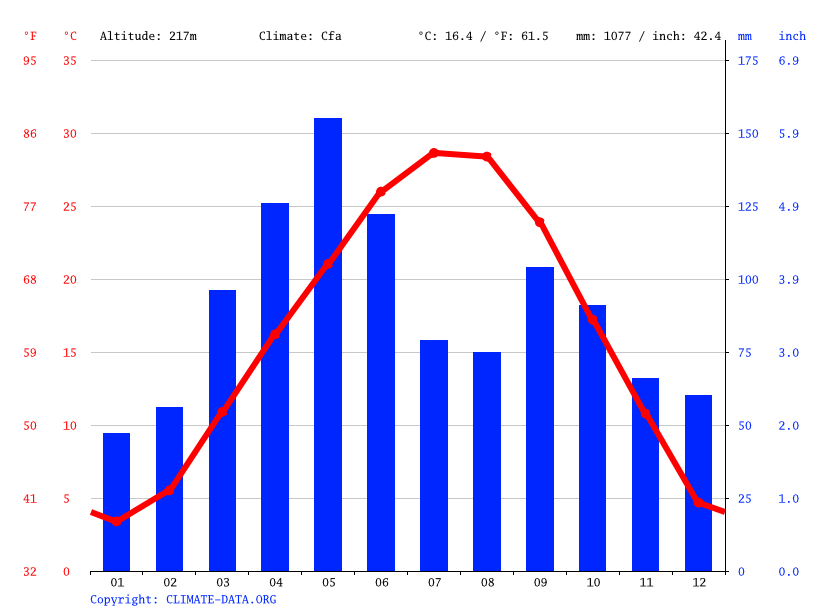
When you ask, “What is the temperature in Tulsa, Oklahoma?”, the answer is dynamic and depends heavily on the time of year you are visiting. The city experiences four distinct seasons, each offering a unique atmosphere and set of activities.
Understanding Tulsa’s Climate: A Seasonal Overview
Tulsa’s climate is characterized by a wide range of temperatures throughout the year. Understanding these seasonal variations is key to making informed decisions about when to visit and what to pack.
Spring: A Time of Renewal and Fluctuating Temperatures
Spring in Tulsa typically runs from March through May. This season is a period of transition, marked by warming temperatures and increasing daylight hours. However, it’s also a time of significant weather volatility.
-
March: The month often begins with chilly days, with average high temperatures hovering around the mid-50s Fahrenheit (around 13°C). By the end of the month, temperatures can climb into the 60s Fahrenheit (15-20°C), with occasional warmer spells. Nights can still be quite cool, often dropping into the 30s and 40s Fahrenheit (0-10°C). Rain is common, and the possibility of late-season snow cannot be entirely ruled out in early March.
-
April: This is often considered one of the most pleasant months in Tulsa. Average high temperatures are in the low to mid-70s Fahrenheit (21-24°C), making it ideal for outdoor exploration of Tulsa’s many attractions. However, April also brings a higher risk of severe thunderstorms and tornadoes, so staying informed about weather alerts is essential. Nighttime temperatures remain mild, typically in the 50s Fahrenheit (10-15°C).
-
May: Spring transitions into summer in May, with average high temperatures climbing into the 80s Fahrenheit (27-32°C). Humidity begins to increase, and the days are longer and warmer. While still generally pleasant, the heat can start to feel more pronounced, especially towards the end of the month. Thunderstorms remain a possibility, but they are often less severe than in April.
During the spring, it’s advisable to pack layers. You might experience cool mornings, warm afternoons, and the potential for rain or even a sudden temperature drop. A light jacket or sweater, a waterproof outer layer, and comfortable walking shoes are essential for exploring places like the Philbrook Museum of Art or the Tulsa Zoo.
Summer: Embracing the Heat and Humidity
Summer in Tulsa generally spans from June through August, and it is characterized by hot temperatures and high humidity.
-
June: The start of summer brings average high temperatures in the upper 80s Fahrenheit (around 31°C). Humidity levels rise significantly, making the heat feel more intense. Afternoon thunderstorms are common, often bringing brief but heavy rainfall and cooler air before the heat returns. Nights are warm, usually in the 70s Fahrenheit (21-25°C).
-
July: This is typically the hottest month in Tulsa. Average high temperatures frequently reach the low to mid-90s Fahrenheit (32-37°C), with heat advisories often in effect. Extended periods of heat can occur, with temperatures soaring above 100°F (38°C) on multiple days. The humidity remains high, contributing to a muggy atmosphere. Staying hydrated and seeking air-conditioned environments is crucial during this month.
-
August: August is very similar to July in terms of heat and humidity. Average highs remain in the low to mid-90s Fahrenheit (32-37°C), with the potential for extreme heat. Thunderstorms can still occur, but they may be less frequent than in the earlier summer months. As the month progresses, there might be a slight hint of cooler air towards the end, signaling the approach of autumn.
For summer visits, lightweight, breathable clothing is a must. Think cotton t-shirts, shorts, and sundresses. Sunscreen, hats, and sunglasses are indispensable for protecting yourself from the strong sun. If you plan outdoor activities, like a visit to the Gathering Place, planning them for the cooler parts of the day, like early morning or late evening, is recommended. Many visitors opt for indoor attractions or water-based activities during the peak summer heat.
Autumn: A Crisp and Colorful Transition
Autumn in Tulsa, from September through November, offers a welcome respite from the summer heat. It’s a season of beautiful foliage and generally pleasant weather.
- September: The transition from summer to fall is gradual. Average high temperatures start in the mid-80s Fahrenheit (around 29°C) and cool down to the low 70s Fahrenheit (21-24°C) by the end of the month. Humidity decreases significantly, making the air feel much more comfortable. While thunderstorms are still possible, they become less frequent and typically less severe.

-
October: This is often considered the prime autumn month in Tulsa. Average high temperatures are in the 60s and low 70s Fahrenheit (18-23°C), perfect for enjoying the city’s outdoor beauty. The fall foliage, particularly in areas like the Osage Hills State Park or along the Arkansas River, can be spectacular. Nights become noticeably cooler, often dropping into the 40s Fahrenheit (4-9°C).
-
November: As autumn progresses, temperatures continue to drop. Average high temperatures in November are in the 50s Fahrenheit (10-15°C), with cooler days becoming more common. Nights can be quite crisp, frequently falling into the 30s Fahrenheit (0-4°C). The chance of frost increases, and by late November, you might experience winter-like conditions, especially in the mornings.
Fall is an excellent time for exploring Tulsa’s cultural scene, including the Art Deco architecture of the downtown area, or enjoying a stroll through the Tulsa Botanic Garden. Packing layers is again the key strategy. A light jacket, a sweater, and comfortable pants are ideal. You might also want a scarf for cooler evenings.
Winter: Mild with Occasional Chills
Winter in Tulsa generally lasts from December through February and is characterized by mild temperatures, though cold snaps can occur.
-
December: The beginning of winter brings average high temperatures in the low to mid-50s Fahrenheit (10-15°C). However, cold fronts can bring temperatures down significantly, with daytime highs sometimes struggling to get out of the 30s Fahrenheit (0-4°C). Overnight lows are typically in the 30s Fahrenheit (0-4°C), and frost is common. While snow is not a regular occurrence, light accumulations can happen, usually melting quickly.
-
January: This is typically the coldest month in Tulsa. Average high temperatures are in the low to mid-40s Fahrenheit (4-7°C). Cold spells can bring prolonged periods where temperatures remain below freezing, even during the day. Overnight lows frequently drop into the 20s Fahrenheit (-6 to -1°C). Ice storms can also be a concern, impacting travel.
-
February: February still experiences winter-like conditions, but there’s a gradual warming trend. Average high temperatures are in the mid-40s to low 50s Fahrenheit (7-13°C). Cold fronts can still bring frigid air, and the possibility of snow or ice remains. By the end of February, you might start to see signs of early spring.
For winter visitors, warm clothing is essential. A heavy coat, sweaters, gloves, a hat, and a scarf are recommended. Waterproof boots are useful if snow or ice is expected. Even during the colder months, Tulsa offers indoor attractions such as the Oklahoma Aquarium or the Sherwin Miller Museum of American Art that provide a welcome escape from the chill.
Planning Your Visit: Temperature and Activities
Knowing the current temperature in Tulsa, Oklahoma, allows for more effective planning of your itinerary, accommodation choices, and packing list.
Best Times to Visit Tulsa Based on Temperature
While Tulsa can be enjoyed year-round, certain periods offer more comfortable temperatures for a wider range of activities.
-
Spring (April-May): This is often considered an ideal time for visiting. The weather is generally mild and pleasant, perfect for exploring outdoor attractions and enjoying the blooming flora. The risk of severe storms exists, but it’s usually manageable with proper preparation.
-
Fall (September-October): Another highly recommended period. The crisp autumn air, comfortable temperatures, and beautiful fall colors make it a delightful time for sightseeing, hiking, and enjoying the local culture.
-
Summer (June-August): For those who don’t mind the heat and humidity, summer offers a vibrant energy with numerous outdoor festivals and events. However, be prepared for intense heat and take precautions to stay cool and hydrated.
-
Winter (December-February): If you prefer cooler weather and fewer crowds, winter can be a good option. It’s ideal for indoor attractions and enjoying the festive holiday season. Just be prepared for cold snaps and potential winter weather.

Packing Essentials Based on the Season
Your packing list should be tailored to the season you plan to visit:
- Spring: Layers are key. Include a light jacket, sweaters, rain gear, and comfortable walking shoes.
- Summer: Lightweight, breathable clothing, sunscreen, hats, sunglasses, and a reusable water bottle are essential.
- Fall: Layers are again recommended, including a light to medium-weight jacket, sweaters, and comfortable walking shoes.
- Winter: Warm coat, sweaters, thermal layers, gloves, a hat, and waterproof footwear are necessary.
By understanding the nuances of Tulsa’s climate and checking the specific temperature on the day of your travel, you can ensure a more enjoyable and comfortable experience in this captivating Oklahoma city. Whether you’re here to explore its rich history, enjoy its culinary scene, or simply soak in its unique atmosphere, a little preparation goes a long way.
LifeOutOfTheBox is a participant in the Amazon Services LLC Associates Program, an affiliate advertising program designed to provide a means for sites to earn advertising fees by advertising and linking to Amazon.com. Amazon, the Amazon logo, AmazonSupply, and the AmazonSupply logo are trademarks of Amazon.com, Inc. or its affiliates. As an Amazon Associate we earn affiliate commissions from qualifying purchases.