
Embarking on a Texas adventure, whether it’s a scenic road trip through the vast Lone Star State, a business trip to Houston, or an extended stay exploring the vibrant culture of Austin, often involves navigating the roads. For many travelers and residents alike, understanding local driving regulations is paramount to a smooth and enjoyable experience. One such regulation, often overlooked until it becomes an issue, pertains to window tinting on vehicles. Window tint not only offers aesthetic appeal but also provides significant benefits in Texas’s often scorching climate, from reducing glare to offering a degree of privacy. However, these benefits must align with the law. This comprehensive guide will delve into the legal tint limits in Texas, providing clarity for tourists, new residents, and seasoned drivers, ensuring your journey through this magnificent state remains hassle-free and compliant.
For those planning to rent a car, purchase a vehicle, or simply drive their own through Texas, knowing the specific rules regarding window tinting is crucial. A violation can lead to unexpected fines and a delay in your travel plans, something no one wants when exploring destinations like Dallas or visiting the historic Alamo in San Antonio. Beyond mere compliance, understanding these laws ties into the broader lifestyle of driving in Texas, blending personal comfort with public safety considerations, a balance the Texas legislature has carefully struck.
Navigating Window Tint Laws in the Lone Star State
The regulations surrounding window tint in Texas are designed to balance motorist comfort and privacy with critical safety concerns for drivers and law enforcement. While the desire for cooler interiors and reduced glare is understandable, especially under the intense Texas sun, these laws ensure that visibility is not unduly compromised. This section will break down the fundamental aspects of Texas tint law, helping you understand what’s permissible and what’s not.
Understanding Visible Light Transmission (VLT)
At the heart of all window tint laws is the concept of Visible Light Transmission (VLT). VLT refers to the percentage of visible light that passes through your car’s window. A lower VLT percentage means darker tint, as less light is getting through. For example, a 70% VLT tint allows 70% of visible light to pass through, making it relatively light, while a 5% VLT tint, often called “limo tint,” allows only 5% of light to pass, making it very dark. Texas law specifies different VLT percentages for various windows on a vehicle, acknowledging the distinct roles each window plays in driver visibility and safety.
The Specifics of Texas Window Tint Law
Texas law is quite detailed, specifying requirements for different windows, tint colors, and reflectivity. It’s not a one-size-fits-all rule, so paying close attention to each window type is essential for full compliance.
Windshield Rules
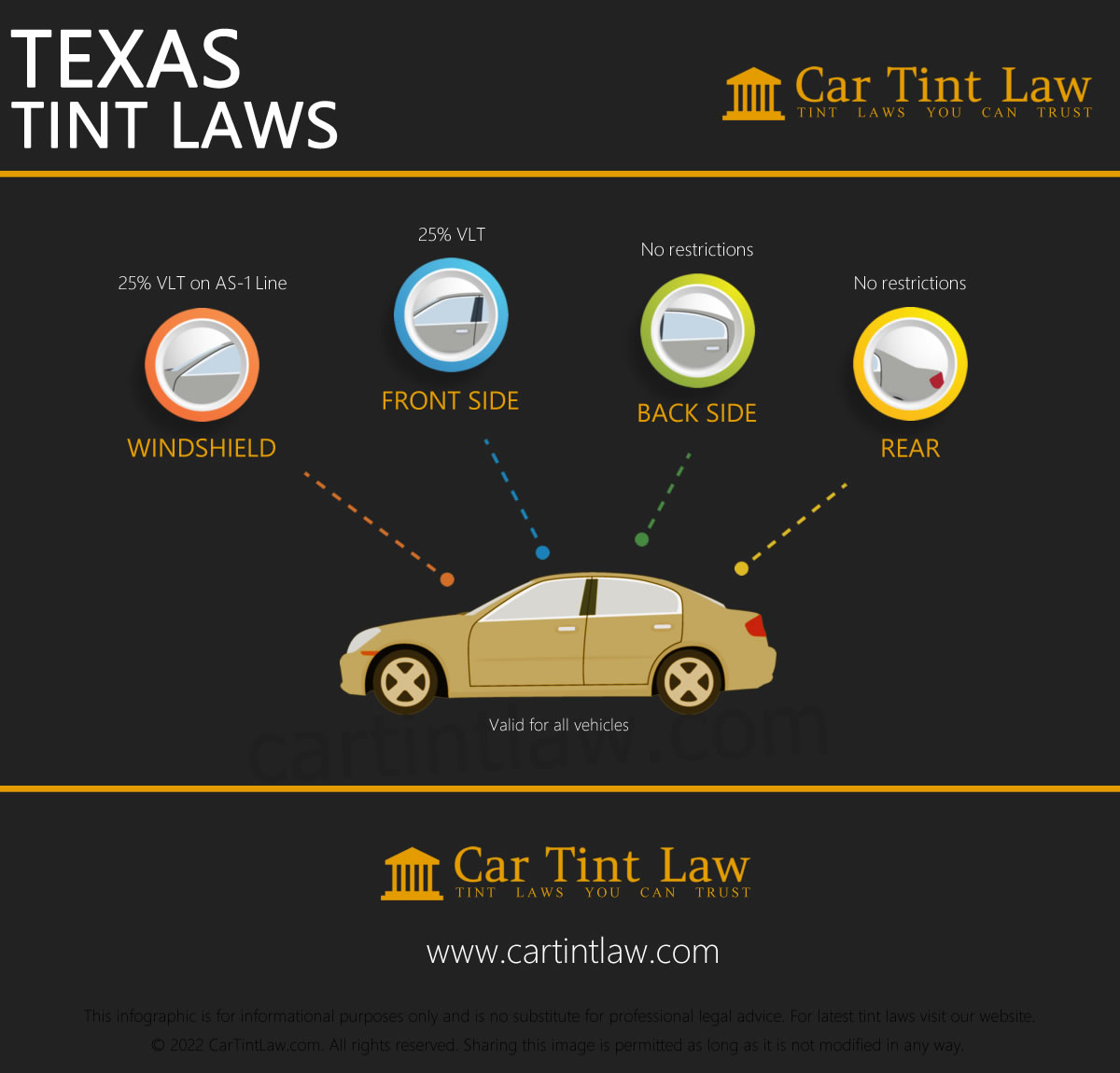
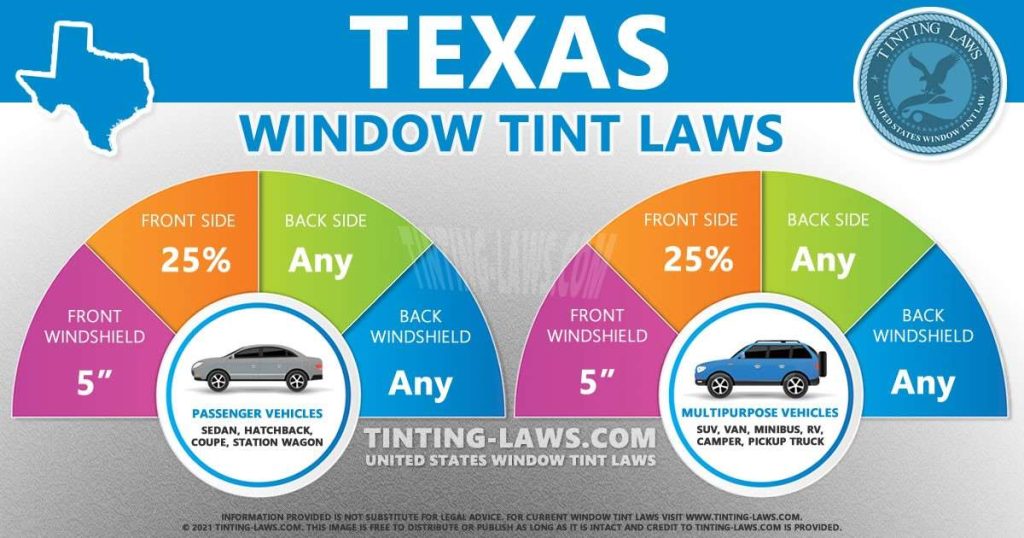
The windshield is arguably the most critical window for driver visibility, and as such, it has the strictest tint regulations. In Texas, you are only permitted to apply non-reflective tint to the top five inches of the windshield, also known as the AS-1 line (usually marked on the glass by the manufacturer). The tint must not extend below this line. The purpose of this allowance is primarily to reduce sun glare from above, particularly useful during sunrise and sunset, without obstructing the driver’s primary field of vision. No full-windshield tinting is allowed, regardless of VLT percentage, except for clear, non-reflective films that do not alter the light transmission.
Front Side Windows
For the front side windows – those to the immediate left and right of the driver – Texas law dictates a specific VLT. These windows must allow more than 25% of visible light to pass through. This means your tint must be at least 25% VLT. The rationale here is to ensure that the driver has sufficient side visibility for merging, changing lanes, and making turns, and crucially, for law enforcement officers to clearly see into the vehicle, especially during traffic stops. This is a common point of confusion and violation for many drivers, particularly those moving from states with more lenient front window tint laws.
Rear Side Windows
The regulations become slightly more flexible for the rear side windows – those behind the front two windows. For these, Texas law allows any darkness of tint. This means you can have a 5% VLT “limo tint” or even darker on these windows if you choose. This increased flexibility acknowledges that these windows are less critical for direct driver visibility compared to the front windows and that darker tints can significantly contribute to passenger comfort, especially for children or pets, by reducing heat and glare during long drives across the Texas plains.
Rear Window Regulations
Similar to the rear side windows, the rear window (back glass) also permits any darkness of tint. However, there’s an important caveat: if the rear window is tinted, your vehicle must be equipped with dual side mirrors. Most modern vehicles come standard with dual side mirrors, so this is rarely an issue for contemporary cars. The requirement ensures that even with a completely opaque rear window tint, the driver still has adequate rearward visibility through the side mirrors, maintaining safety standards.
Color and Reflectivity Restrictions
Beyond VLT percentages, Texas law also addresses the color and reflectivity of window tint. The tint film must not be reflective. Highly reflective films can pose a glare hazard to other drivers on the road, reflecting sunlight or headlights in a distracting manner. Additionally, certain tint colors are prohibited. Red, amber, and blue tints are generally not allowed. The reasoning is often linked to road safety signals and emergency vehicle lighting; these colors are reserved for specific purposes to avoid confusion and maintain clear visual communication on the road. The most common and legally acceptable tints are shades of gray, charcoal, and black.
Sticker Requirements
Once your vehicle’s windows are tinted by a certified installer, Texas law requires that a label or sticker be affixed to the bottom corner of the driver’s side window. This sticker serves as proof that the tint meets Texas legal specifications and was installed by a licensed facility. While some older vehicles or those tinted out of state might not have this, for new installations in Texas, it’s a mandatory part of compliance and can save you trouble during routine traffic stops or vehicle inspections.
Exemptions and Enforcement: What You Need to Know
While the tint laws are generally straightforward, there are specific circumstances and procedures that can affect their application. Understanding medical exemptions and the consequences of non-compliance is essential for all drivers in Texas.
Medical Exemptions for Window Tint
Texas law recognizes that some individuals have legitimate medical conditions that necessitate a darker window tint than typically allowed. Conditions such as severe photosensitivity, lupus, or other dermatological disorders aggravated by UV exposure may qualify for an exemption. To obtain a medical exemption, you must have a physician’s statement that certifies the medical necessity for darker window tint. This statement needs to be carried in the vehicle at all times and presented to law enforcement upon request. The exemption typically allows for darker tint on the front side windows, exceeding the 25% VLT limit, but often still maintains some restrictions on windshield tinting. It’s crucial to consult the Texas Department of Public Safety for the exact procedure and requirements for obtaining such an exemption.
Penalties for Non-Compliance in Texas
Violating Texas’s window tint laws is generally considered a Class C misdemeanor. The penalties typically involve a fine, which can range from approximately $100 to $200, plus court costs. While these fines might not seem exorbitant individually, they can quickly add up and become an unwelcome expense, especially for travelers on a budget. More importantly, getting pulled over and dealing with a citation can significantly disrupt travel plans, causing delays and stress. Law enforcement officers are vigilant about enforcing these laws, not just for revenue generation but primarily for officer safety and general road safety. If an officer cannot clearly see into a vehicle, it raises immediate safety concerns during a traffic stop.
How Law Enforcement Checks Tint
Law enforcement officers typically use a specialized device called a tint meter to measure the VLT of your windows. These portable devices are placed on the window, and they provide an accurate percentage of visible light transmission. During a traffic stop, if an officer suspects your tint is too dark, they may use this device to verify compliance. It’s a quick and objective way to determine whether a vehicle meets the legal requirements. Therefore, relying on guesswork or visual estimation is not advisable; it’s always best to know your tint’s VLT percentage.
The Traveler’s Perspective: Tinting for Comfort and Compliance on Your Texas Adventures
For those venturing into Texas from other states or planning extended stays, understanding window tint laws isn’t just about avoiding fines; it’s about optimizing your travel experience for comfort, safety, and peace of mind.
Renting a Car in Texas: What to Look For
If you’re renting a car in Texas, you generally won’t have to worry about the legality of the tint. Reputable car rental companies ensure their fleet complies with state laws. However, it’s always a good idea to do a quick visual check, especially if you have specific concerns about sun exposure or privacy. Most rental cars will have factory-standard tinting or minimal aftermarket tint on the rear windows that adhere to the 25% VLT rule for the front. If you have a medical exemption, communicate this with the rental agency beforehand to see if they can accommodate specific tinting needs, though this is less common for standard rentals.
Driving Through Texas: Interstate Considerations
Drivers coming from other states need to be particularly mindful. Window tint laws vary significantly across the United States. What’s legal in Oklahoma or Louisiana might not be legal in Texas. While some states have “reciprocity” clauses for out-of-state vehicles, meaning you might be exempt from local laws if your vehicle is legally tinted in your home state, Texas typically expects all vehicles operating within its borders to comply with its tint laws. It’s always safer to assume you need to meet Texas standards, especially if you plan to spend significant time in the state. If your home state’s tint is significantly darker than Texas allows for front windows, it might be worth considering temporary adjustments or being extra cautious.

Beyond Legality: The Practical Benefits of Window Tint
While adherence to the law is non-negotiable, it’s also worth noting the genuine practical benefits that window tint offers, especially in a state like Texas with its extreme weather conditions. These benefits often align perfectly with a lifestyle focused on travel comfort and vehicle preservation.
Beating the Texas Heat
The most immediate and appreciated benefit of window tint in Texas is its ability to reduce interior heat. High-quality tint films can block a significant percentage of solar heat, making your car’s interior noticeably cooler. This translates to a more comfortable driving experience, particularly during the long summer months when temperatures frequently soar above 100 degrees Fahrenheit. It also reduces the strain on your vehicle’s air conditioning system, potentially leading to better fuel efficiency – a welcome bonus for any road tripper. Whether you’re navigating the urban sprawl of Houston or traversing the vast landscapes of Big Bend National Park, staying cool makes the journey far more pleasant.
Enhanced Privacy and Security
Darker window tints, especially on rear windows where allowed, offer enhanced privacy. This can be particularly appealing for travelers who might store luggage, camera equipment, or other valuables in their vehicle while exploring Texas attractions or stopping for a meal. By obscuring the view into the vehicle, tint can act as a deterrent against opportunistic theft, adding a layer of security to your belongings and peace of mind to your travel experience.
UV Protection and Interior Preservation
The sun’s UV rays are not just a threat to skin; they can also cause significant damage to your car’s interior over time. Prolonged exposure leads to faded upholstery, cracked dashboards, and degraded plastic components. Quality window tint films are designed to block up to 99% of harmful UV rays, effectively preserving your car’s interior and maintaining its aesthetic appeal and resale value. This protection extends to occupants as well, reducing UV exposure during long drives. For those who view their vehicle as a significant lifestyle asset, this long-term preservation is an invaluable benefit.
Ensuring a Smooth Ride: Tips for Texas Drivers and Visitors
Navigating the roads of Texas should be an enjoyable experience, free from legal worries. By taking a few proactive steps, you can ensure your vehicle’s window tint is fully compliant and continues to offer its practical benefits.
Getting Your Tint Installed or Checked
If you’re considering getting window tint for your vehicle in Texas, always choose a reputable, licensed installer. These professionals are well-versed in Texas tint laws and will ensure your installation meets all legal requirements, including VLT percentages, reflectivity, and the application of the official sticker. They can also advise on the best film types for heat rejection and UV protection while staying within legal limits. If you’re unsure about your current tint, many tint shops can perform a VLT test to confirm compliance, offering peace of mind before you hit the road.
Staying Informed and Safe
Laws can change, so it’s always a good practice to periodically check the Texas Department of Public Safety website or consult with a trusted automotive expert for the most up-to-date information regarding vehicle regulations. Ultimately, the goal of these laws is to ensure safety for everyone on the road. By understanding and adhering to the legal tint limits, you contribute to a safer driving environment for yourself, your passengers, and fellow motorists, making your Texas travels truly memorable and worry-free.
In conclusion, while the allure of dark window tint is strong, particularly in the sunny climate of Texas, compliance with legal limits is non-negotiable. Understanding the specific VLT percentages for each window, the restrictions on color and reflectivity, and the requirements for stickers and medical exemptions is vital. By prioritizing legal adherence, you ensure a safe, comfortable, and uninterrupted journey through the diverse landscapes and vibrant cities of the Lone Star State, allowing you to focus on the unforgettable experiences Texas has to offer. Safe travels!
LifeOutOfTheBox is a participant in the Amazon Services LLC Associates Program, an affiliate advertising program designed to provide a means for sites to earn advertising fees by advertising and linking to Amazon.com. Amazon, the Amazon logo, AmazonSupply, and the AmazonSupply logo are trademarks of Amazon.com, Inc. or its affiliates. As an Amazon Associate we earn affiliate commissions from qualifying purchases.