
The majestic howl of a wolf, once a sound silenced in much of the American West, is now echoing once again through the vast wilderness of Oregon. For decades, the return of wolves to their ancestral lands has been a complex and often contentious issue, but the evidence is undeniable: wolves are back, thriving, and an integral part of Oregon’s wild heart. This resurgence offers a compelling narrative for travelers and nature enthusiasts, weaving together the threads of conservation, natural history, and the sheer thrill of experiencing a truly wild landscape.
The question of whether wolves inhabit Oregon is no longer a matter of speculation; it’s a testament to successful conservation efforts and the resilience of nature. From the rugged mountains of the Wallowa Mountains to the remote forests of Western Oregon, these apex predators are re-establishing their presence, reminding us of the ecological balance that once defined these lands. Their return isn’t just a biological event; it’s a cultural one, stirring memories and sparking discussions about coexistence and the future of wildlife in the Beaver State.

For those drawn to the allure of the wild, the presence of wolves in Oregon adds an extraordinary dimension to any travel experience. It’s an opportunity to witness firsthand the incredible story of recovery and to explore landscapes where these elusive creatures roam. Understanding their habitat, their impact, and the efforts to protect them enriches the journey, transforming a simple trip into an immersive encounter with nature at its most profound.
Wolves of Oregon: A Resurgence in the Wilderness
The reintroduction and natural recolonization of wolves in Oregon is a remarkable conservation success story, albeit one with its share of challenges. After being systematically eradicated by the mid-20th century due to human conflict and bounty hunting, the gray wolf (Canis lupus) began its slow, arduous journey back to Oregon in the late 1990s. These pioneers, originating from populations in Idaho and Montana, have since established themselves, forming packs and expanding their territory across the state.
The Gray Wolf’s Journey Back
The first confirmed wolf sighting in Oregon since their eradication occurred in 2007. This lone wolf, nicknamed “OR-7” for its origin in Oregon, embarked on an epic journey, traveling thousands of miles through multiple states before settling in Northern California. While OR-7 was a solitary traveler, its passage signaled hope and the potential for wolf recovery. Since then, numerous wolves have migrated into Oregon, and breeding packs have been documented, particularly in the northeastern and central parts of the state.
The Oregon Department of Fish and Wildlife (ODFW) has been instrumental in monitoring wolf populations, collecting data, and implementing management strategies. Their efforts include collaring wolves to track their movements, documenting pack territories, and investigating livestock depredations. This ongoing work provides invaluable insights into the wolves’ behavior, their impact on the ecosystem, and the challenges of integrating them back into a landscape shared with humans.
Habitat and Distribution: Where Do Wolves Roam?
Wolves in Oregon primarily inhabit remote, forested areas with abundant prey, such as deer and elk. The northeastern and central regions of the state have become strongholds for wolf packs, including areas within the Wallowa National Forest and the Ochoco National Forest. These vast, rugged landscapes offer the seclusion and resources necessary for wolves to thrive.
As wolf populations grow, their range is expected to expand. This expansion inevitably brings them into closer proximity with human settlements and livestock operations, raising concerns and necessitating careful management. The ODFW designates wolf management zones to guide conservation efforts and address conflicts, aiming to balance the needs of wildlife with those of local communities.
Understanding the distribution and habitat preferences of wolves is crucial for both conservationists and travelers. While spotting a wolf in the wild is an extremely rare and special occurrence, knowing where they are most likely to be found can inform responsible wildlife viewing practices and enhance the overall experience of exploring Oregon’s wild places.
Experiencing Oregon’s Wild Side: Travel and Tourism Opportunities
The return of wolves to Oregon adds a profound layer of wildness to the state’s already spectacular natural attractions. For travelers seeking authentic outdoor experiences, the possibility of glimpsing these magnificent creatures or exploring the habitats they call home offers a unique draw. This resurgence prompts a deeper appreciation for Oregon’s commitment to conservation and the vibrant ecosystems that support such charismatic wildlife.
Natural Wonders and Wildlife Viewing
Oregon is renowned for its diverse landscapes, from the dramatic coastline of the Oregon Coast to the soaring peaks of the Cascade Mountains. The return of wolves enhances the appeal of these natural landmarks, suggesting a thriving ecosystem where apex predators play their vital role. While direct wolf sightings are rare and require significant luck and patience, the presence of wolves influences the very wildness of places like the Wallowa Mountains and Central Oregon.
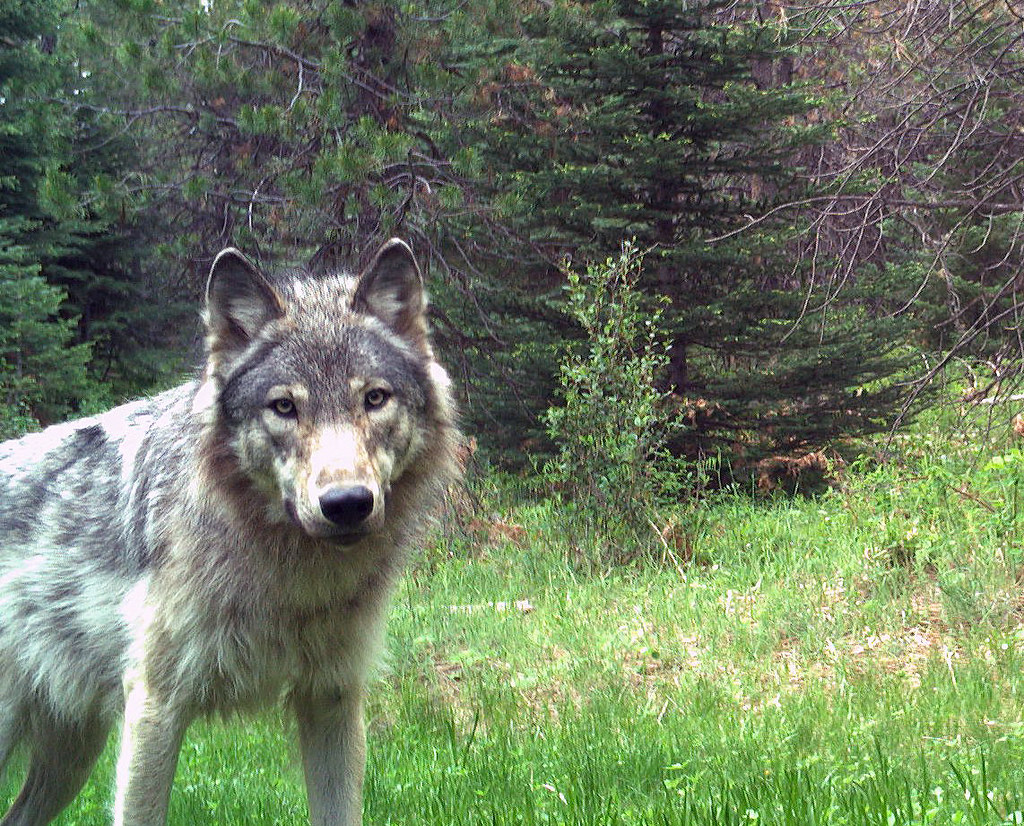
Travelers interested in wildlife viewing can explore areas known for wolf activity, such as designated wilderness areas and national forests. Responsible wildlife viewing practices are paramount. This means maintaining a safe distance, never feeding or approaching wolves, and refraining from making excessive noise that could disturb them. binoculars and spotting scopes are essential tools for observing wildlife from afar.
The experience of being in wolf country, even without a direct sighting, is deeply rewarding. It involves immersing oneself in the natural sounds and sights of the wilderness, understanding the interconnectedness of the ecosystem, and appreciating the sheer wildness that wolves represent. This can include hiking trails through prime wolf habitat, camping under starry skies in remote locations, and learning about the flora and fauna that share these spaces.
Planning Your Wolf-Inspired Adventure
When planning a trip to Oregon with the hope of experiencing its wilder side, including the potential for encountering signs of wolf presence, it’s essential to be prepared and informed. This often involves venturing into less-trafficked areas, embracing a spirit of adventure, and prioritizing responsible tourism.
Destinations that are prime for wolf habitat exploration include northeastern Oregon, particularly areas around the Wallowa Mountains and the Umatilla National Forest. These regions offer vast tracts of wilderness, perfect for extended hikes and backcountry exploration. Central Oregon also provides opportunities, with its more arid, mountainous terrain.
When considering accommodation, opting for lodges or cabins located near these wilderness areas can provide a comfortable base for your explorations. For instance, a stay in a rustic lodge near Joseph or Wallowa Lake might offer the perfect blend of comfort and proximity to prime wolf habitat. Alternatively, booking a more secluded cabin in the Ochoco National Forest could provide an immersive experience. Hotels and resorts in gateway towns like Bend or La Grande can also serve as convenient starting points for day trips into wolf territories.
Tourism in these regions often centers on outdoor activities. Guided hikes, wildlife photography tours, and educational programs focused on local ecosystems can offer deeper insights into the natural world and the role of wolves within it. Local culture in these areas is often deeply connected to the land and its wildlife, with many communities embracing conservation efforts and sharing their knowledge with visitors.
For those seeking a budget travel approach, camping in designated campgrounds within national forests can be an affordable and immersive way to experience the wilderness. Long-term stay options, such as renting a vacation home or apartment, might be suitable for travelers who wish to dedicate more time to exploring Oregon’s wild landscapes and understanding its wolf population.
Conservation and Coexistence: The Future of Wolves in Oregon
The return of wolves to Oregon is not just a wildlife phenomenon; it’s a complex social and ecological issue that necessitates ongoing dialogue and proactive management. Ensuring the long-term survival of wolves while minimizing conflict with human interests is the central challenge, and one that Oregon is actively addressing through its conservation strategies and public engagement efforts.
Management Strategies and Challenges
The Oregon Department of Fish and Wildlife (ODFW) plays a critical role in managing wolf populations. Their responsibilities include monitoring wolf numbers, tracking their movements and breeding success, and responding to depredation incidents involving livestock. The ODFW also develops and implements wolf management plans, which are often revised based on population growth and evolving challenges.
One of the primary challenges is addressing livestock depredation. Wolves, as natural predators, will occasionally prey on livestock, leading to economic losses for ranchers. Oregon has established programs to compensate ranchers for livestock losses attributed to wolves and to promote non-lethal deterrents, such as guardian animals, electric fencing, and hazing techniques. The goal is to reduce the likelihood of conflict and foster a sense of coexistence.
Another aspect of management involves designated wolf management zones. These zones help to guide conservation efforts and decision-making, particularly in areas with higher wolf activity or greater potential for human-wildlife conflict. Understanding these zones can be helpful for travelers to appreciate the areas where wolves are most likely to be present and where management efforts are concentrated.

The Importance of Public Engagement and Education
Successful wolf recovery hinges on public understanding and support. Oregon has made efforts to educate the public about wolves, their ecological importance, and the ongoing conservation initiatives. This includes public meetings, informational websites, and educational materials that explain wolf behavior, the challenges of coexistence, and the benefits of having apex predators in the ecosystem.
For travelers and residents alike, embracing a mindset of respect and caution is crucial. This means understanding that wolves are wild animals that should be observed from a distance and that their presence is a sign of a healthy environment. Landmarks and natural areas where wolves reside are also home to a diverse array of wildlife, and responsible tourism practices benefit all species.
The story of wolves in Oregon is a dynamic one, a testament to the power of nature’s resilience and humanity’s capacity for conservation. As the wolf population continues to grow and expand its territory, Oregon remains at the forefront of navigating the intricate balance between wildlife and human communities, offering a compelling narrative for anyone interested in the wild heart of the American West. The opportunity to explore these landscapes, knowing that wolves are a part of their wild tapestry, is a privilege and a reminder of the enduring beauty of the natural world.
LifeOutOfTheBox is a participant in the Amazon Services LLC Associates Program, an affiliate advertising program designed to provide a means for sites to earn advertising fees by advertising and linking to Amazon.com. Amazon, the Amazon logo, AmazonSupply, and the AmazonSupply logo are trademarks of Amazon.com, Inc. or its affiliates. As an Amazon Associate we earn affiliate commissions from qualifying purchases.