
The iconic skyline of Portland, Oregon, is defined by its magnificent bridges, each a testament to the city’s engineering prowess and its deep connection to the Willamette River. For visitors and residents alike, these structures are more than just crossings; they are vital arteries of the city, offering breathtaking views, unique architectural styles, and a tangible link to Portland’s rich history. The question “How many bridges in Portland, Oregon?” might seem simple, but the answer is wonderfully complex, encompassing a diverse array of spans that serve different purposes and tell different stories.
Portland is situated at the confluence of the Willamette River and the mighty Columbia River, a geographical feature that has shaped its development and its infrastructure. The Willamette River, in particular, flows directly through the heart of the city, dividing its east and west sides and necessitating a robust network of bridges to connect its vibrant neighborhoods. While the precise number can fluctuate slightly depending on how one defines a “bridge” (e.g., including pedestrian-only or minor creek crossings), the generally accepted figure for major vehicular and pedestrian bridges within the city limits that cross the Willamette River is a notable number, often cited around ten. However, this number expands considerably when considering all the bridges that span various waterways, railways, and roadways throughout the greater Portland metropolitan area.
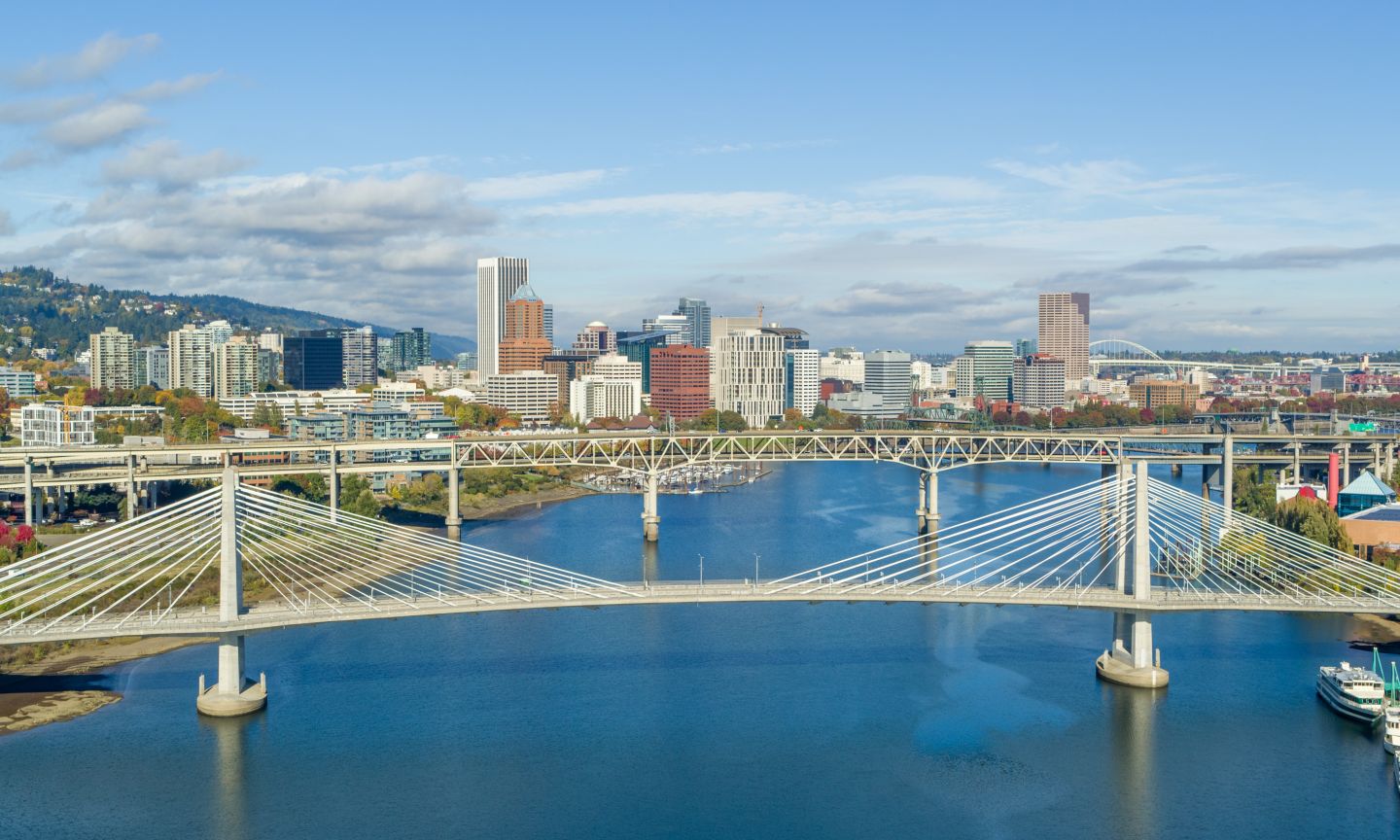
The Majestic Willamette River Crossings
The most prominent and celebrated bridges in Portland are undoubtedly those that grace the Willamette River. These are the spans that frequently appear in postcards, travel guides, and local lore. Each possesses its own distinct character, from the graceful arches of some to the robust industrial feel of others. Exploring these bridges is an essential part of the Portland experience, offering a unique perspective on the city’s urban landscape and its relationship with the river.
Hawthorne Bridge: A Vertical Lift Marvel
The Hawthorne Bridge stands as a remarkable example of early 20th-century engineering and remains a vital transportation link. Originally opened in 1910, it was the first vertical lift bridge constructed west of the Mississippi River. This innovative design allows the central span to be raised vertically, enabling taller vessels to pass through without obstruction. Today, the Hawthorne Bridge is a crucial route for commuters, cyclists, and pedestrians, celebrated for its distinctive silhouette and its functional elegance. Its status as a National Historic Civil Engineering Landmark further underscores its significance. The views from the bridge, especially at sunrise and sunset, are simply spectacular, offering panoramic vistas of the Portland skyline and the surrounding natural beauty.
Burnside Bridge: A Gateway to Downtown
The Burnside Bridge, named after early Portland pioneer David Franklin Burnside, is another prominent landmark. The current iteration of the bridge, built in the 1920s, is a double-leaf bascule bridge, a design that allows the roadway to lift at its center to accommodate river traffic. It serves as a critical connection between the east and west sides of Portland, facilitating significant vehicular and pedestrian movement. The Burnside Bridge is often a focal point for city events and offers easy access to the vibrant downtown area, including numerous shops, restaurants, and cultural attractions. The area around the bridge is also a hub for various forms of transportation, making it a dynamic part of the urban experience.
Steel Bridge: A Dual-Decked Wonder
Perhaps one of Portland’s most visually striking bridges is the Steel Bridge. This unique structure, completed in 1912, is the only rail bridge in the world with two independent vertical lifts. It features a lower deck for trains and a roadway for vehicular traffic above. This ingenious design allows for simultaneous rail and road passage, as well as efficient clearance for river vessels. The Steel Bridge is a testament to the ingenuity of its designers and remains a vital piece of the region’s transportation infrastructure. Its industrial aesthetic is both powerful and picturesque, making it a beloved fixture in Portland’s cityscape. The operational dynamics of its dual lifts are a fascinating spectacle for those who witness them.
Broadway Bridge: Connecting to the Pearl District
The Broadway Bridge is a significant crossing that connects the downtown core with the burgeoning Pearl District. Opened in 1913, it is another example of a Scherzer rolling lift bascule bridge, designed to elevate its central span. The Broadway Bridge is a busy thoroughfare, serving a substantial amount of vehicular and pedestrian traffic daily. Its strategic location makes it a key artery for accessing the trendy shops, galleries, and restaurants of the Pearl District, as well as the numerous hotels and businesses in the downtown area. The views from the Broadway Bridge are expansive, offering glimpses of the Willamette River, the city skyline, and the distant Cascade Mountains on a clear day.
Ross Island Bridge: A Southern Gateway
The Ross Island Bridge, a majestic steel truss bridge, spans the Willamette River south of downtown Portland. Opened in 1926, it provides a crucial link between Southeast Portland and the western neighborhoods. Named after Ross Island, which it partially crosses, the Ross Island Bridge is characterized by its distinctive green color and its robust construction. It accommodates both vehicular and pedestrian traffic, offering a scenic route with sweeping views of the river and the city. The bridge’s location provides a gateway to Ross Island itself, a significant natural area within the city.
Sellwood Bridge: A Community Hub
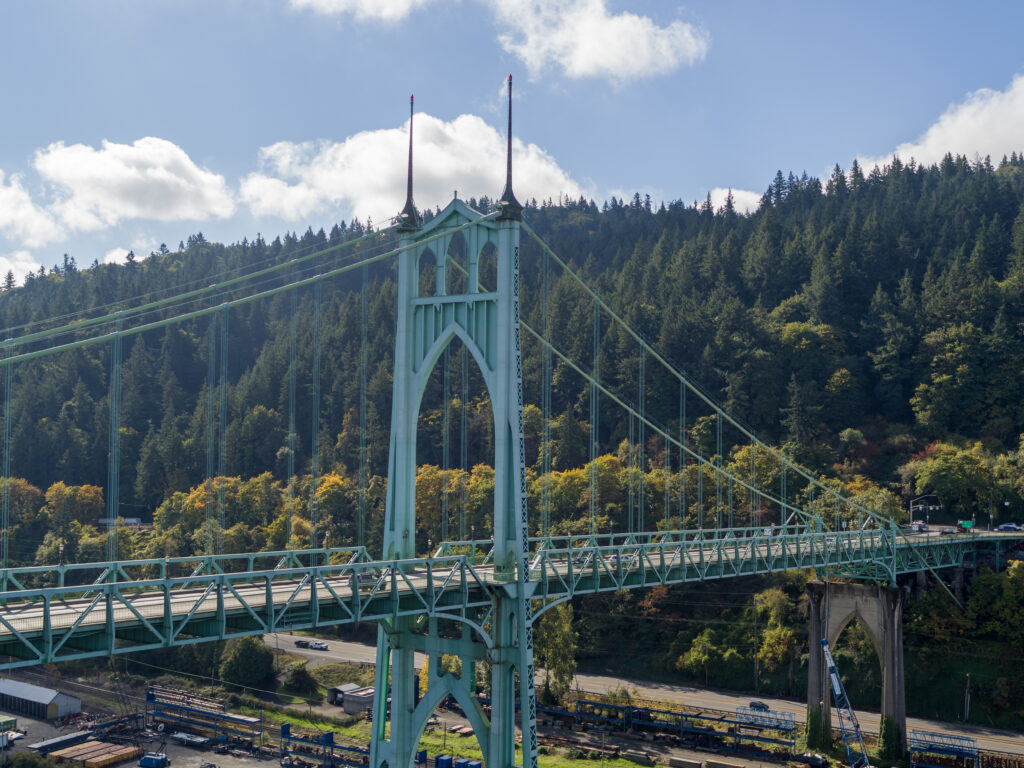
The Sellwood Bridge is the southernmost bridge crossing the Willamette River within the city limits. The current iteration, completed in 2016, replaced an aging structure and was designed with community input, emphasizing pedestrian and bicycle accessibility. This modern bascule bridge serves the historic Sellwood neighborhood and beyond, acting as a vital connection for local residents and visitors exploring the charming shops and parks in the area. Its design is both functional and aesthetically pleasing, blending seamlessly with its surroundings.
Beyond the Willamette: Other Notable Portland Bridges
While the Willamette River bridges often steal the spotlight, Portland is a city crisscrossed by numerous other bridges of varying types and purposes. These lesser-known spans play an equally critical role in the city’s functionality and its connection to the natural environment. From elegant pedestrian walkways to functional railway overpasses, they contribute to the intricate tapestry of Portland’s infrastructure.
Interstates and Highways: Connecting the Region
Major interstate highways and state routes utilize numerous bridges to navigate the city’s topography and waterways. The Interstate 5 bridge across the Columbia River, for instance, is a critical artery connecting Oregon and Washington and a vital component of regional commerce and travel. While these are primarily functional structures, their sheer scale and importance to transportation networks are undeniable. They represent the engineering feats required to sustain a modern metropolitan area.
Pedestrian and Bicycle Bridges: Enhancing Active Transportation
Portland’s commitment to active transportation is evident in its growing network of pedestrian and bicycle bridges. These dedicated spans often provide safe and scenic routes for those on foot or bike, connecting parks, neighborhoods, and commercial areas without the need to contend with vehicular traffic. These structures are not only practical but also contribute to the city’s livable and sustainable ethos, offering new ways to experience Portland’s urban and natural landscapes.
Planning Your Portland Bridge Experience
Exploring Portland’s bridges can be a rewarding experience, whether you’re a history buff, an architecture enthusiast, or simply looking for beautiful vistas. Many of the bridges offer accessible sidewalks and bike lanes, making them perfect for a leisurely stroll or a bike ride.
Scenic Drives and Bike Tours
For those who prefer to experience the bridges from a vehicle or a bicycle, a scenic drive or bike tour along the Willamette River is highly recommended. Several routes offer stunning views of multiple bridges, allowing you to appreciate their diversity and grandeur. Many local tour operators offer guided bike tours that focus on Portland’s bridges, providing historical context and local insights.
Walking Tours and Waterfront Exploration
Several of Portland’s bridges are easily accessible from the waterfront, which itself is a popular destination for walking, picnicking, and enjoying the river. A walk across any of the Willamette River bridges offers a unique perspective of the city. The downtown waterfront area provides access to many of these iconic structures, and dedicated pedestrian pathways make exploration a pleasure. Consider starting your bridge journey from Tom McCall Waterfront Park, a central hub for many of Portland’s attractions.

Accommodation and Dining with a View
When planning your visit to Portland, consider booking accommodation that offers views of the Willamette River and its bridges. Many hotels and rental apartments are strategically located to provide guests with stunning vistas, especially from upper floors. Additionally, several restaurants and cafes along the waterfront offer dining experiences with picturesque bridge backdrops, allowing you to savor Portland’s culinary scene while admiring its architectural marvels.
In conclusion, the question of “How many bridges in Portland, Oregon?” opens a door to understanding the city’s very essence. While the exact count of major river crossings is around ten, the true answer lies in the profound impact these structures have on Portland’s identity, its connectivity, and its enduring beauty. Each bridge is a landmark, a piece of history, and an invitation to explore the dynamic spirit of this remarkable city.
LifeOutOfTheBox is a participant in the Amazon Services LLC Associates Program, an affiliate advertising program designed to provide a means for sites to earn advertising fees by advertising and linking to Amazon.com. Amazon, the Amazon logo, AmazonSupply, and the AmazonSupply logo are trademarks of Amazon.com, Inc. or its affiliates. As an Amazon Associate we earn affiliate commissions from qualifying purchases.