
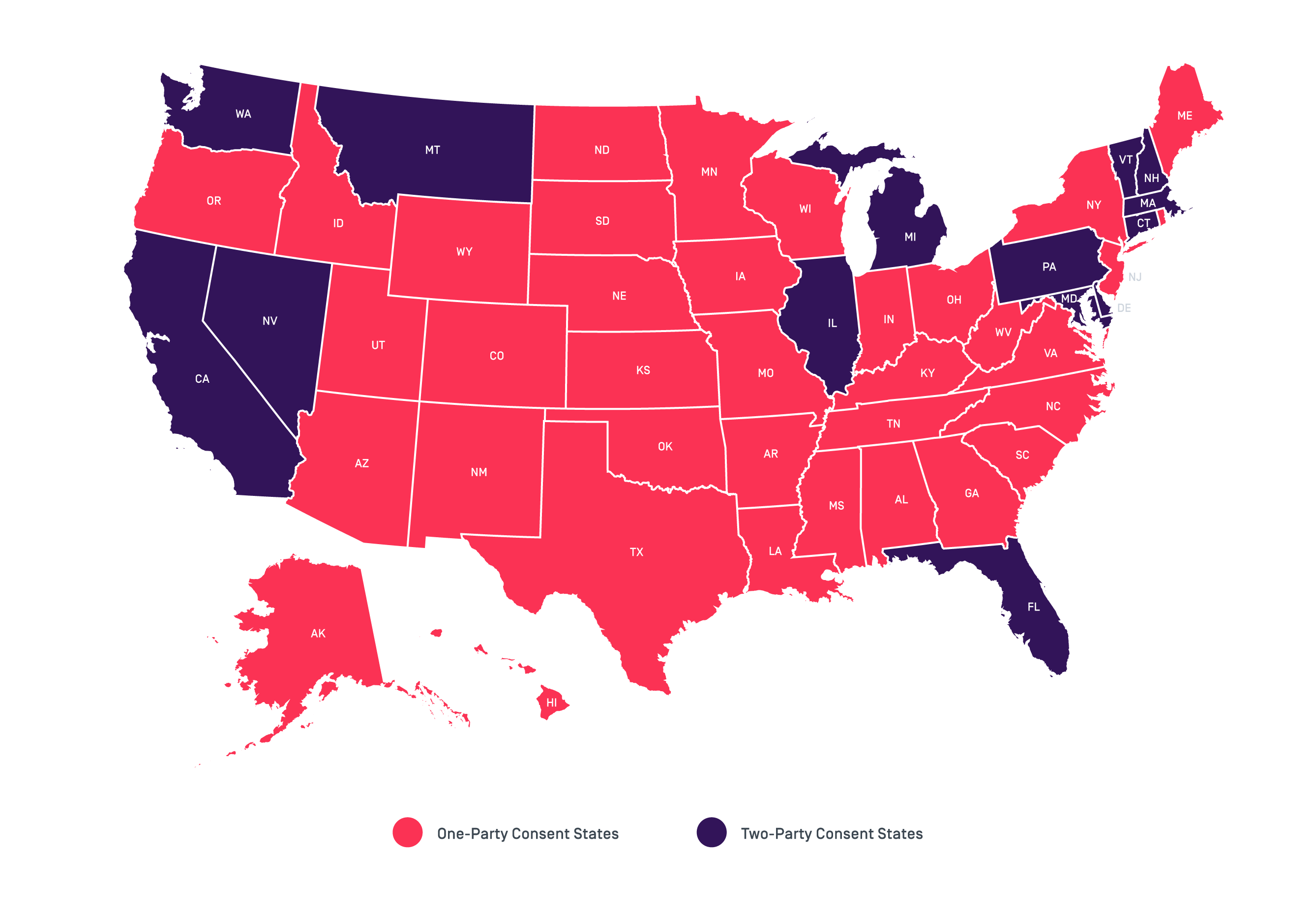
Embarking on a journey to the diverse landscapes of Oregon, from its rugged coastlines to its lush forests and vibrant cities, promises an unforgettable adventure. As travelers, we often focus on the iconic landmarks, delectable cuisine, and unique local activities. However, a truly informed and respectful visit also involves understanding the local legal landscape, particularly concerning privacy and recording conversations. For those looking to document their travels, create content, or simply understand their rights and responsibilities, a key question arises: Is Oregon a one-party consent state for recording conversations? The short answer, particularly for private interactions, is generally no, making it crucial for visitors to understand the nuances of the Beaver State’s laws.

Understanding Consent Laws in Oregon for Travelers
Oregon’s approach to recording conversations is designed to protect individual privacy, a value deeply embedded in its local culture. For visitors, grasping these regulations is not just about avoiding legal pitfalls; it’s about showing respect for the residents and their expectations of privacy.
The Baseline: Oregon’s Two-Party Consent Rule
In most scenarios involving conversations where there is a reasonable expectation of privacy, Oregon operates under a “two-party consent” rule. This means that if you wish to record a conversation, all parties involved in that conversation must give their explicit permission for the recording to be legal. This applies to both in-person discussions and telephonic communications. For a tourist, this is an incredibly important distinction. Imagine you’re chatting with a local artisan in Portland or a park ranger at Crater Lake; without their express consent, recording that conversation could be a violation of state law. The intent behind this law is to ensure that individuals have control over whether their private words are captured and potentially shared, fostering an environment of trust and mutual respect, which ultimately enriches the tourism experience for everyone. Ignoring this can lead to uncomfortable situations or even legal consequences, detracting from the joy of your trip.
When Consent is Not Explicitly Required: Public vs. Private Settings
While the two-party consent rule is paramount, it primarily applies when there is a reasonable expectation of privacy. This distinction is critical for travelers, especially those who enjoy photography or videography.
- Public Settings: In public places, such as a street festival in Portland, a bustling market, or a public park, people generally do not have a reasonable expectation of privacy. You can typically film or photograph individuals in these settings without their explicit consent, provided your actions are not harassing or intrusive. This is common for travel vlogs capturing the general atmosphere of a place. For instance, documenting the scenic beauty of Cannon Beach with people in the background is generally permissible. The focus here is on the public nature of the interaction and the environment.
- Private Settings: The moment a conversation moves into a private setting, such as inside a restaurant, a private business, a hotel room, or even a quiet corner of a public park where an intimate conversation is clearly taking place, the expectation of privacy shifts. Even if the location itself is accessible to the public, the nature of the interaction can dictate the need for consent. For example, recording a conversation with a tour guide inside a vehicle or during a private tour, even if paid for, would likely require consent from all involved. The same applies to private homes, hotel rooms, or designated private areas within tourist attractions like museums or galleries.
Key Exceptions and Nuances for the Curious Tourist
While the two-party rule covers most scenarios, it’s worth noting that some specific exceptions exist, although they are primarily for law enforcement or in cases where individuals are part of a criminal act. For the average tourist, these exceptions are largely irrelevant. However, understanding that these laws are complex and carry significant implications underscores the importance of exercising caution. For instance, if you believe you are being recorded illegally, or if you feel your privacy is being violated, you have rights under Oregon law. Always remember that while you are enjoying the stunning vistas of the Columbia River Gorge or exploring the vineyards of the Willamette Valley, local laws are designed to protect everyone, including visitors and residents alike.
Practical Implications for Your Oregon Visit
Understanding Oregon’s consent laws isn’t just about abstract legal concepts; it has tangible impacts on how you can experience and document your travels. Adhering to these principles will ensure a smoother, more enjoyable, and truly authentic trip.
Vlogging and Content Creation in the Beaver State
For the burgeoning travel vlogger or content creator, Oregon offers a plethora of stunning backdrops, from the urban charm of Portland to the natural majesty of Mount Hood. When capturing footage, remember the distinction between capturing ambient scenes and recording direct conversations.
- Ambient Footage: Filming general street scenes, landscapes, or crowds in public areas is generally fine. Your camera captures the essence of a place without infringing on private conversations.
- Direct Interactions: If your vlog involves interviewing locals, engaging in discussions with fellow travelers, or asking questions of service providers (e.g., a barista, a shop owner), you must obtain their consent to record their voices. A simple, “Do you mind if I record this for my travel vlog?” is often sufficient. Being transparent about your intentions not only makes your recording legal but also fosters goodwill and often results in more genuine interactions. This thoughtful approach enhances the viewer’s understanding of Oregon’s welcoming spirit.
Interviews and Local Interactions
Engaging with locals is often the highlight of any trip, offering insights into local culture and unique perspectives. Whether you’re seeking directions in Salem, asking for recommendations in a small coastal town along the Pacific Ocean, or participating in a guided tour, these interactions are invaluable. If you plan to record any part of these conversations for personal use, memory, or sharing, remember to ask for permission first. This applies to casual chats, formal interviews, or even quick exchanges. It’s not just about the law; it’s about courtesy. Most Oregon residents will be happy to oblige if you ask politely, knowing their privacy is respected.

Personal Safety and Documentation
While recording laws are strict, a common question arises regarding recording for personal safety or documentation in an emergency. Oregon’s laws are primarily focused on protecting privacy in private conversations, not necessarily preventing individuals from documenting potential threats or crimes. However, it’s a nuanced area. If you are directly involved in a situation where you fear for your safety, recording might be justifiable in specific circumstances, but this should not be interpreted as a blanket permission to record all interactions without consent. The safest course of action is to prioritize your safety and, if possible, seek explicit consent before recording. For clear legal advice in such extreme situations, consulting a legal professional is always recommended, as this falls outside typical tourism guidelines.
Why These Laws Matter to Tourists (Beyond Legalities)
Understanding Oregon’s consent laws goes beyond merely avoiding legal trouble. It’s about enriching your travel experience, fostering positive interactions, and truly immersing yourself in the local ethos.
Respecting Local Culture and Privacy Norms
Oregon is a state that values personal space and privacy. By adhering to its two-party consent law, visitors demonstrate respect for these deeply ingrained cultural norms. This approach contributes to a harmonious interaction between tourists and residents, making your visit more meaningful. When locals feel respected, they are more likely to engage authentically, share hidden gems, and offer genuine hospitality, enriching your cultural experience of the state. It allows you to connect on a deeper level than merely observing as an outsider.
Ensuring a Positive and Uninterrupted Experience
Imagine being on a dream vacation, only to face legal complications or uncomfortable confrontations because of an unconsented recording. Such incidents can quickly sour a trip. By being mindful of recording laws, you protect yourself from potential fines, legal actions, or even just awkward social situations that could disrupt your enjoyment. A smooth, uninterrupted travel experience is paramount, and understanding local regulations is a key component of achieving this. It ensures your memories are filled with joy, not legal worries.
Building Trust with Oregonians
Travel is often about connection. When you travel responsibly and respectfully, you build trust with the people you meet. Asking for consent before recording conversations shows that you value their privacy and their autonomy. This small gesture can open doors to more genuine interactions, deeper conversations, and a more authentic understanding of Oregon’s communities. It transforms a transactional tourist interaction into a meaningful cultural exchange, leaving both parties with a positive impression.
Best Practices for Ethical Recording in Oregon
To ensure your Oregon adventure is both memorable and legally sound, here are some best practices for recording.
Always Ask for Consent
This is the golden rule. When in doubt, always ask. A simple, polite request like, “I’m documenting my trip; would you mind if I recorded our conversation?” or “Is it okay if I include your voice in my travel video?” is usually all it takes. Make sure the consent is clear and unequivocal. If someone declines, respect their decision immediately and without question. There are countless other beautiful sights and sounds in Oregon to capture.
Discretion and Transparency
If you are using a recording device, make it visible rather than hidden, especially in situations where you are seeking consent. Transparency builds trust. Explain why you want to record (e.g., “for my personal travel journal,” “for a YouTube vlog about Oregon,” “to remember your amazing directions”). This clarity helps people feel more comfortable giving their consent. Avoid recording surreptitiously in situations where privacy is expected.
Documenting Consent (If Necessary)
For highly sensitive conversations or professional content creation, you might consider obtaining written consent or verbally recording their consent at the beginning of the main recording (e.g., “So, just to confirm, you’re okay with me recording this conversation, right?”). While not typically necessary for casual tourist interactions, it provides an extra layer of protection for more formal scenarios.
In conclusion, while Oregon offers boundless opportunities for discovery and documentation, it is generally not a one-party consent state for recording private conversations. By understanding and respecting its two-party consent laws, particularly the distinction between public and private settings, travelers can ensure a legally compliant, culturally sensitive, and ultimately more rewarding visit to the Beaver State. Embrace the stunning scenery, engage with the friendly locals, and capture your memories responsibly, ensuring your focus remains on the joy of travel rather than unforeseen legal complexities.
LifeOutOfTheBox is a participant in the Amazon Services LLC Associates Program, an affiliate advertising program designed to provide a means for sites to earn advertising fees by advertising and linking to Amazon.com. Amazon, the Amazon logo, AmazonSupply, and the AmazonSupply logo are trademarks of Amazon.com, Inc. or its affiliates. As an Amazon Associate we earn affiliate commissions from qualifying purchases.