
Navigating the financial intricacies of a new place can feel like deciphering an ancient map, especially when it comes to taxes. For travelers, digital nomads, and even long-term residents, understanding a state’s tax policies is crucial for a smooth and informed experience. While Oregon is renowned for its breathtaking natural beauty, from the dramatic coastline of Cannon Beach to the verdant forests of the Willamette Valley, and its vibrant cities like Portland and Bend, its tax structure is a significant aspect of its financial landscape. This article aims to demystify Oregon’s state income tax, providing insights relevant to various lifestyles, from the luxury traveler seeking exclusive resorts to the budget-conscious explorer embracing local tourism.
Understanding Oregon’s Income Tax System
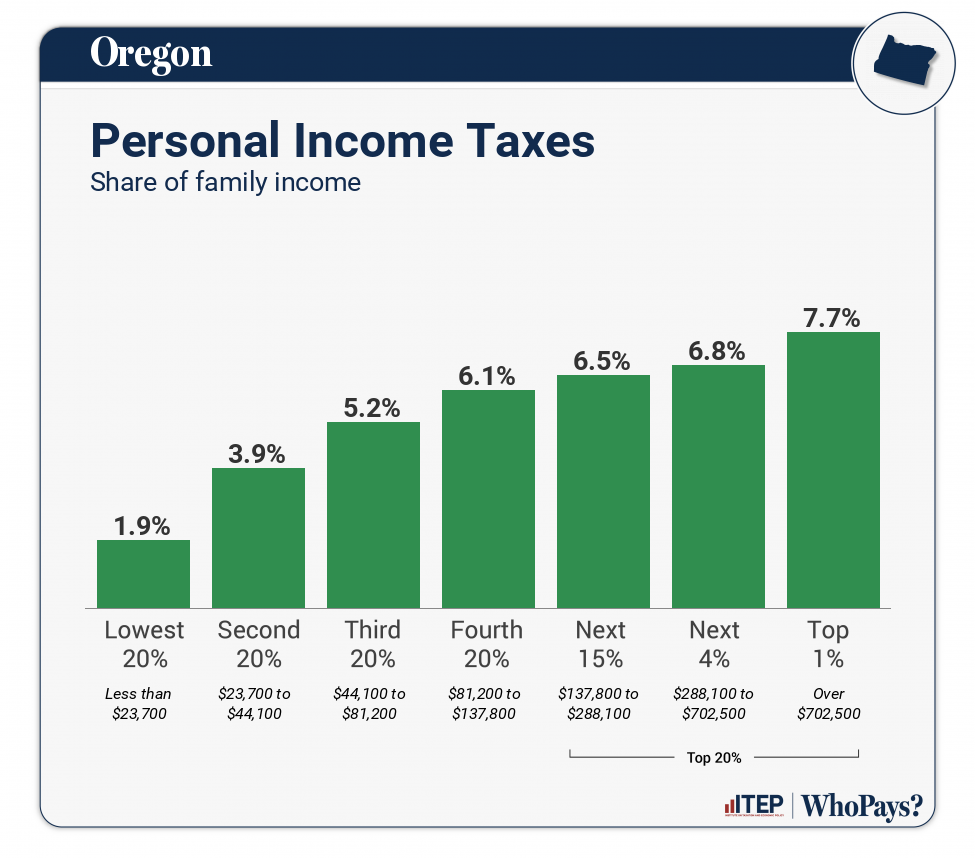
At its core, Oregon operates with a progressive income tax system. This means that as your income increases, the tax rate applied to that income also increases. This is a common structure in many states, designed to ensure that those who earn more contribute a proportionally larger share to public services. For individuals considering a long-term stay in Oregon, perhaps renting an apartment in Eugene or a villa in the Columbia River Gorge, understanding these tax brackets is essential for personal financial planning.
Key Features of Oregon Income Tax
Unlike many other states, Oregon does not have a sales tax. This is a significant draw for many visitors and residents alike, as it can make purchasing goods and services more affordable. However, this lack of sales tax is compensated for by the state’s income tax. The revenue generated from income tax is used to fund a wide range of public services, including education, infrastructure, and public safety.
- Progressive Tax Rates: Oregon’s income tax rates are tiered, meaning different portions of your income are taxed at different rates. These rates can change, so it’s always wise to consult the latest figures from the Oregon Department of Revenue.
- No Sales Tax: As mentioned, this is a defining characteristic of Oregon’s tax system. This can influence travel budgeting, especially for those who plan extensive shopping or dining experiences across different states.
- Personal Exemptions and Deductions: Similar to federal taxes, Oregon allows for certain personal exemptions and deductions that can reduce your taxable income. These can include deductions for dependents, medical expenses, and charitable contributions. Understanding these can be particularly helpful for families on vacation or individuals undertaking long-term accommodation arrangements.
- Tax Credits: Oregon also offers various tax credits that can directly reduce the amount of tax you owe. These might be available for things like low-income individuals, certain business investments, or energy-efficient home improvements, which could be relevant for those considering a more permanent lifestyle shift in the state.
The progressive nature of the tax means that higher earners will pay a larger percentage of their income in taxes. For example, if you’re considering a business stay in a city like Salem, understanding how your business income might be taxed is paramount. Similarly, if you’re a digital nomad earning income from various sources, how that income is classified and taxed in Oregon is a critical consideration.
Filing Requirements
For most residents and individuals who earn income within Oregon, filing a state income tax return is mandatory. The filing deadline generally mirrors the federal tax deadline, typically April 15th. This applies whether you are a long-term resident or someone who spent a significant portion of the year working remotely from a picturesque spot like Crater Lake National Park.
- Residency: Oregon defines residency based on factors like where you maintain a permanent home and intend to return. This is important for travelers who might spend extended periods in the state but may not consider themselves official residents.
- Non-Residents: Non-residents who earn income from Oregon sources are generally required to file a non-resident tax return. This could apply to individuals who own property in Oregon and rent it out, or those who perform work within the state for a specific period.
- Tax Forms: The primary tax form for individuals in Oregon is the Oregon Individual Income Tax Return (Form 40). Understanding the nuances of this form is key to accurate filing.
Tax Implications for Travelers and Lifestyle Choices
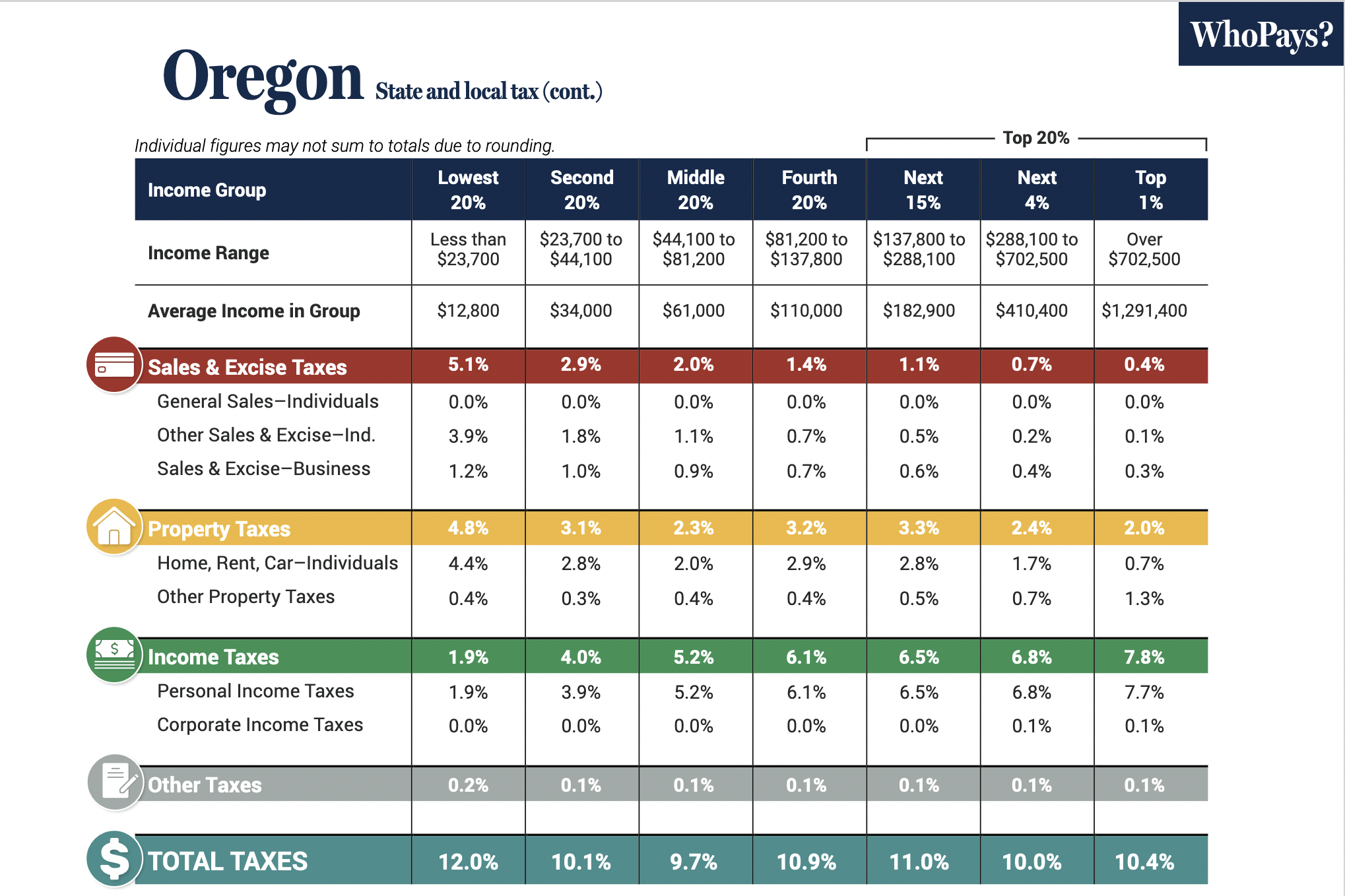
Oregon’s tax policies can have a direct impact on various travel and lifestyle choices. The absence of sales tax is a significant factor for those who love to shop or dine out. Imagine exploring the charming shops in downtown Ashland or enjoying the culinary scene in Portland’s Pearl District without the added burden of sales tax; this can make a vacation or extended stay feel more budget-friendly on a day-to-day basis.
Budget Travel vs. Luxury Stays
For budget travelers, the lack of sales tax can stretch their funds further. A simple meal or the purchase of souvenirs in places like Seaside will cost less out-of-pocket compared to a state with a sales tax. However, when it comes to income tax, the progressive rates mean that individuals with lower incomes will pay a smaller percentage. This can make Oregon an attractive destination for those on a tighter budget who are also earning income.
On the other hand, for those opting for luxury travel, the absence of sales tax on high-value items like designer goods or expensive meals can be a considerable saving. When booking a suite at a renowned resort like the Sunriver Resort or a private villa overlooking the coast, the lack of sales tax on your booking and any associated services can add up. However, these same individuals might find themselves in higher tax brackets due to their income, meaning their income tax burden will be proportionally greater. This highlights the trade-off: lower expenditure on goods and services, but potentially higher contributions to state revenue based on earnings.
Digital Nomads and Long-Term Stays
The rise of digital nomadism and remote work has brought new considerations to state tax policies. If you are working remotely from Oregon, whether for a few months or indefinitely, understanding your tax obligations is crucial.
- Establishing Residency: If you spend a significant amount of time in Oregon and establish ties there (like opening a bank account, getting an Oregon driver’s license, or purchasing property), you might be considered a resident for tax purposes. This means your worldwide income would be subject to Oregon income tax. This is particularly relevant for individuals considering a long-term stay in an apartment or even purchasing a home in a desirable area like Lake Oswego.
- Income Sourcing: For non-residents who are temporarily working in Oregon, the state will tax the income earned for services performed within its borders. This can be a complex area, and it’s advisable to consult tax professionals if you have multi-state income. For instance, if you’re a freelance consultant working from a coffee shop in Corvallis for a client based outside of Oregon, the income earned during your time in Corvallis might be subject to Oregon income tax.
- Accommodation Choices: For long-term stays, accommodation choices can also have tax implications. While short-term hotel stays might not be directly taxed by income, the choice between renting an apartment, a vacation home, or staying in a suite at a resort can impact your overall budget, especially when factoring in the absence of sales tax. If you’re considering a long-term lease in a city like Medford, understanding the local cost of living, including any local taxes or fees, is important.
Tourism and Local Experiences
Oregon’s rich tourism landscape, from the historic architecture of Astoria to the natural wonders of the Oregon Caves National Monument, offers countless experiences. The tax structure plays a role in how these experiences are enjoyed. When you purchase tickets for an attraction, dine at a local restaurant in a town like Hood River, or buy artisan crafts from a market in the Willamette Valley Wine Country, the absence of sales tax is a welcome benefit.
For those embarking on family trips, the cost savings from no sales tax can make activities and purchases more accessible, allowing families to enjoy more of what Oregon has to offer, from visiting the Oregon Zoo to exploring the museums in Portland. Similarly, when planning a romantic getaway to a vineyard in the Willamette Valley or a serene retreat in the mountains, the tax structure contributes to the overall affordability of leisure activities.

Navigating Oregon’s Tax Landscape for Informed Decisions
Understanding Oregon’s state income tax is not just about compliance; it’s about making informed decisions that align with your travel plans, lifestyle choices, and financial goals. The progressive tax rates, coupled with the absence of sales tax, create a unique financial environment.
Whether you are a seasoned traveler seeking new destinations, a family planning a memorable vacation, a business professional on an extended assignment, or a digital nomad embracing a location-independent lifestyle, a grasp of Oregon’s tax system will enhance your experience. It allows for better budgeting, helps avoid unexpected financial burdens, and ultimately, contributes to a more seamless and enjoyable engagement with the Beaver State. From the majestic Mount Hood to the vibrant urban centers, Oregon offers a diverse range of experiences, and understanding its tax framework is an integral part of truly appreciating and navigating all it has to offer.
LifeOutOfTheBox is a participant in the Amazon Services LLC Associates Program, an affiliate advertising program designed to provide a means for sites to earn advertising fees by advertising and linking to Amazon.com. Amazon, the Amazon logo, AmazonSupply, and the AmazonSupply logo are trademarks of Amazon.com, Inc. or its affiliates. As an Amazon Associate we earn affiliate commissions from qualifying purchases.