
Understanding the economic landscape of a city is fundamental to appreciating its unique lifestyle, whether you’re considering a move, an extended stay, or simply curious about the daily realities for its residents. In Portland, Oregon, the minimum wage is more than just a number; it’s a dynamic policy designed to address the city’s cost of living and ensure a degree of economic stability for its workforce. For anyone budgeting a trip, contemplating a temporary work assignment, or even weighing the long-term viability of living in this vibrant Pacific Northwest hub, grasping the nuances of its minimum wage structure is essential. It directly influences everything from the price of a cup of coffee to the cost of local services, ultimately shaping the character of urban life and the opportunities available within its bustling neighborhoods.
Understanding Portland’s Unique Minimum Wage Structure
Unlike a uniform national standard, minimum wage policies in the United States often vary significantly by state and even by city. Portland, situated within Oregon’s progressive economic environment, operates under a minimum wage system that reflects both state mandates and local cost-of-living considerations. This multi-tiered approach is critical to understanding the actual hourly rate workers can expect.
Differentiating Between Employers
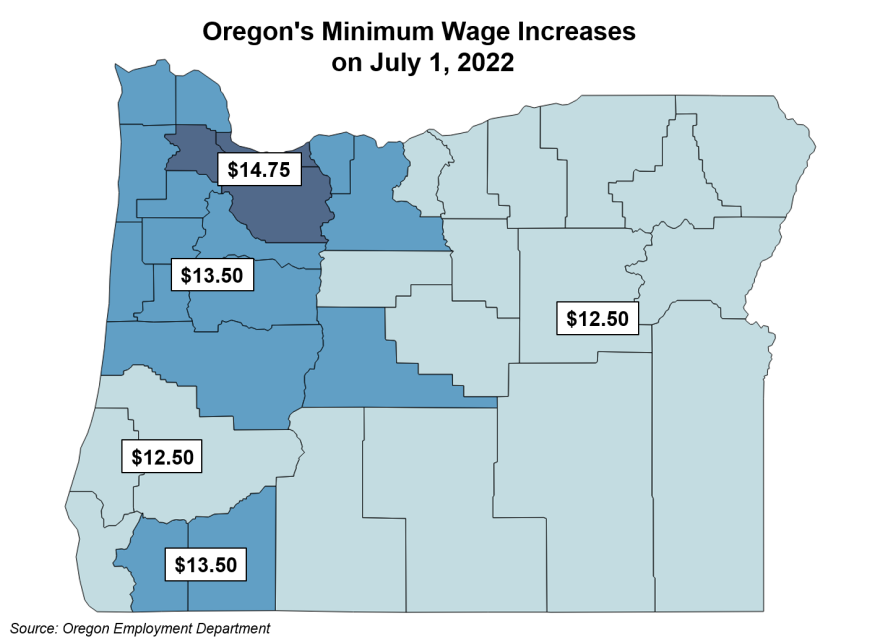
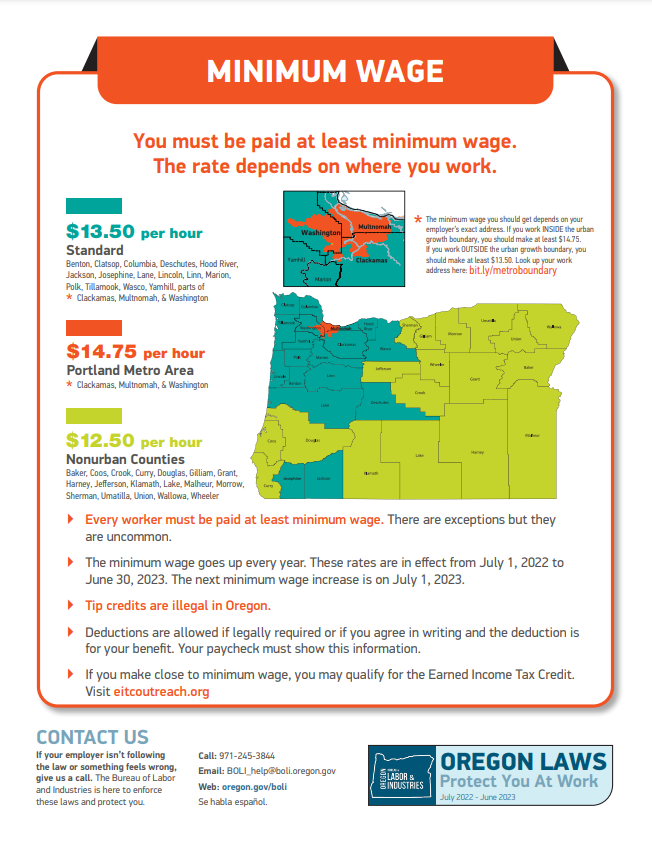
The minimum wage in Portland is primarily influenced by Oregon’s statewide minimum wage, which employs a tiered system based on geographic zones. Portland falls into the “Portland Metro” area, which has the highest minimum wage rate in the state. This distinction is crucial because employers within the Portland metropolitan area are legally obligated to pay this higher rate, which is specifically designed to account for the region’s elevated cost of living compared to other parts of Oregon.
The minimum wage rate itself undergoes annual adjustments, typically on July 1st of each year. These adjustments are not arbitrary; they are predetermined by state legislation and often linked to economic indicators such as inflation, ensuring that the minimum wage retains its purchasing power over time. For businesses, this means consistent planning for labor costs, while for workers, it offers a predictable increase in earnings, albeit one that strives to keep pace with rising expenses.
The Oregon State Minimum Wage Context
To fully appreciate Portland’s minimum wage, one must first understand the broader framework established by the Oregon State Legislature. In 2016, Oregon passed a landmark bill that established a tiered minimum wage system, creating three distinct regions: the Standard region, the Nonurban region, and the Portland Metro region. This legislative move acknowledged that economic realities differ vastly across the state, from rural communities to densely populated urban centers.
The Portland Metro region, encompassing Portland and several surrounding cities and counties, was designated to have the highest minimum wage. This strategic decision was made to address the significantly higher housing, transportation, and general living costs experienced by residents in this urban core. The law also stipulated a series of incremental increases that concluded in July 2022, after which the rates for all three tiers became indexed to the Consumer Price Index (CPI) for All Urban Consumers, West Region (all items). This indexing mechanism ensures that the minimum wage automatically adjusts annually based on inflation, providing a degree of protection against the erosion of wages due to rising prices. This proactive approach by Oregon and Portland reflects a commitment to economic justice and aims to foster a more equitable society.
The Economic Rationale Behind Portland’s Wage Policy
The decision to implement a higher, annually adjusted minimum wage in Portland is rooted in a well-considered economic philosophy. It’s not merely about paying workers more; it’s about creating a more resilient local economy, mitigating the effects of income inequality, and ensuring that even entry-level positions can provide a livable income in a city with substantial expenses.
Addressing the Cost of Living
Portland consistently ranks among the more expensive cities in the United States, particularly concerning housing. Rent, mortgage payments, and utilities consume a significant portion of residents’ incomes. Beyond housing, daily expenses such as groceries, transportation, childcare, and healthcare are also above the national average. Without a proportionally higher minimum wage, individuals working full-time in low-wage sectors would struggle immensely to cover these basic necessities, potentially leading to increased poverty, homelessness, and reliance on public assistance programs.
The elevated minimum wage in the Portland Metro region is a direct policy response to these economic realities. It acknowledges that a one-size-fits-all approach to minimum wage fails to account for the vast differences in cost of living between urban centers and rural areas. By setting a higher floor, policymakers aim to bridge the gap between earnings and expenses, enabling workers to afford a basic standard of living within the city they serve. This helps retain a stable workforce and reduces turnover in critical service industries.
Promoting Economic Equity
Beyond the practicalities of affording daily life, Portland’s minimum wage policy is also driven by a broader commitment to economic equity and social justice. Proponents argue that a higher minimum wage is a powerful tool for reducing income inequality, allowing more people to participate fully in the economy and share in the prosperity of the region. It specifically targets those at the lower end of the wage spectrum, providing them with increased purchasing power.
This boost in income can have ripple effects throughout the community. When low-wage workers have more disposable income, they are more likely to spend it locally, stimulating demand for goods and services, and supporting local businesses. This creates a virtuous cycle where increased wages lead to increased local spending, which in turn can lead to job creation and further economic growth. It also reflects a societal value that believes in fair compensation for labor and the idea that full-time work should be a pathway out of poverty, not a perpetuation of it.
Impact on Workers and Businesses in Portland
The implementation of a higher minimum wage, while ideologically sound for many, has tangible and often debated impacts on both the individuals earning it and the businesses required to pay it. Understanding these dual perspectives is crucial for a complete picture of Portland’s economic ecosystem.
For Employees: Enhancing Livelihoods
For the minimum wage worker in Portland, the higher hourly rate translates directly into a more sustainable lifestyle. It means a reduced need to work multiple jobs just to make ends meet, allowing for more time with family, education, or personal development. The enhanced purchasing power improves access to better nutrition, stable housing, and even opportunities for modest savings or discretionary spending, which can significantly improve overall quality of life and reduce stress.
Moreover, a living wage can foster greater job satisfaction and loyalty. Employees who feel fairly compensated are often more motivated, productive, and less likely to seek employment elsewhere, reducing turnover costs for businesses. It provides a sense of dignity and recognition for their contributions to the local economy, strengthening community ties and fostering a more stable workforce in sectors vital to Portland’s daily operations, such as retail, hospitality, and food service.
For Employers: Navigating Compliance and Costs
For businesses, particularly small and medium-sized enterprises (SMEs), adjusting to a higher minimum wage presents a different set of challenges and considerations. The immediate impact is an increase in labor costs, which can be a significant line item, especially for businesses with many entry-level employees. To absorb these costs, businesses may explore various strategies. Some might increase prices for their goods or services, which can be passed on to consumers. Others might look for efficiencies in operations, invest in automation, or adjust staffing levels.
However, many businesses also report positive outcomes. Reduced employee turnover, as mentioned, can offset some of the increased wage costs by saving on recruitment and training. Improved employee morale and productivity can also contribute to better customer service and overall business performance. Portland’s business community often engages in ongoing dialogue with policymakers to ensure that wage increases are predictable and allow sufficient time for adaptation, demonstrating a shared commitment to a thriving local economy that balances worker welfare with business viability.
Living on Minimum Wage in Portland: A Lifestyle Perspective
For someone earning the minimum wage in Portland, careful budgeting and strategic lifestyle choices are paramount. While the city’s minimum wage is among the highest in the nation, the cost of living also reflects this, creating a continuous balancing act for residents.
Budgeting for Essentials: Housing and Transportation
Housing remains the most significant challenge. Even with Portland’s higher minimum wage, securing affordable, independent housing can be difficult for a single individual. Many minimum wage earners opt for shared living situations, roommates, or choose to live in more affordable outlying areas and commute. This often means sacrificing proximity to city amenities or enduring longer travel times.
Transportation is another critical expense. While Portland boasts an excellent public transit system (TriMet), which can reduce the need for car ownership, a monthly pass still represents a notable portion of a minimum wage earner’s budget. For those who rely on personal vehicles, the costs of fuel, insurance, maintenance, and parking further stretch an already tight budget. Strategic planning, such as living close to work or public transit lines, becomes a key lifestyle decision.
Discretionary Spending and Quality of Life
After covering essentials, discretionary spending on a minimum wage income in Portland is limited. Activities that many take for granted—like dining out frequently, attending concerts, or taking spontaneous weekend trips—require careful saving and prioritization. However, [Portland](https://lifeoutofthebox.com/portland] offers a wealth of free or low-cost activities. Its numerous parks, extensive bike paths, vibrant public art scene, and free community events provide opportunities for recreation and cultural engagement without breaking the bank. Exploring Portland’s unique neighborhoods, enjoying its natural beauty, and participating in its strong community spirit can still be a rich experience, even on a limited budget. It encourages a lifestyle of conscious consumption and appreciation for public resources.
Opportunities for Supplemental Income
Recognizing the challenges, many minimum wage earners in [Portland](https://lifeoutofthebox.com/portland] explore avenues for supplemental income. This might involve working part-time for a second employer, engaging in gig economy jobs (delivery services, ride-sharing), or leveraging personal skills through freelancing. The city’s entrepreneurial spirit and diverse economy offer various opportunities for individuals to piece together additional earnings. This adaptive lifestyle, while demanding, allows many to achieve a more comfortable financial footing and enjoy more of what [Portland](https://lifeoutofthebox.com/portland] has to offer.
The Future of Minimum Wage in Portland
The economic environment is constantly evolving, and Portland’s minimum wage policy is designed to evolve with it. The state’s commitment to annual adjustments and ongoing review ensures that the policy remains relevant and responsive to changing conditions.
Annual Adjustments and Inflation
As of July 1, 2022, Oregon’s minimum wage, including the higher rate for the Portland Metro area, became indexed to the Consumer Price Index (CPI) for All Urban Consumers, West Region (all items). This indexing mechanism is a critical feature, guaranteeing that the minimum wage will increase each year to keep pace with inflation. This automatic adjustment provides a predictable upward trajectory for wages, offering a vital safeguard against the erosion of purchasing power due to rising prices. For workers, it means a more stable financial outlook; for businesses, it means a clear, transparent framework for future labor cost planning.

Ongoing Debates and Policy Evolution
Despite the current framework, discussions about the adequacy and impact of the minimum wage are ongoing in Portland and Oregon. Advocates for workers’ rights often push for even higher wages, arguing that despite the increases, the cost of living, particularly housing, continues to outpace wage growth for the lowest earners. They may propose additional local measures or adjustments to the indexing formula to provide a stronger safety net.
Conversely, some business owners and economic think tanks might express concerns about the cumulative effect of rising labor costs on competitiveness, employment levels, and the potential for inflation. These debates contribute to a dynamic policy landscape, where various stakeholders continually evaluate the balance between ensuring a living wage and fostering a robust business environment. As Portland continues to grow and adapt, its minimum wage policy will undoubtedly remain a central pillar of its economic and social fabric, reflecting the city’s progressive values and commitment to its residents’ well-being.
LifeOutOfTheBox is a participant in the Amazon Services LLC Associates Program, an affiliate advertising program designed to provide a means for sites to earn advertising fees by advertising and linking to Amazon.com. Amazon, the Amazon logo, AmazonSupply, and the AmazonSupply logo are trademarks of Amazon.com, Inc. or its affiliates. As an Amazon Associate we earn affiliate commissions from qualifying purchases.