
For travelers, business professionals, and anyone planning a visit, understanding the local time zone of your destination is a fundamental step in successful trip planning. When it comes to Portland, Oregon, the city operates within the Pacific Time Zone. This designation, while seemingly straightforward, carries nuances related to Daylight Saving Time that are crucial for accurate scheduling and seamless travel experiences. From coordinating flight arrivals to booking dinner reservations or planning virtual meetings, knowing precisely what time it is in Portland can significantly impact the fluidity and enjoyment of your stay. This article delves into the specifics of Portland’s time zone, its implications for visitors, and practical advice for managing time differences effectively.

Understanding Portland’s Position in the Pacific Time Zone
Portland, Oregon is situated on the West Coast of the United States, and as such, it adheres to the Pacific Time Zone. This places it three hours behind the Eastern Time Zone, two hours behind the Central Time Zone, and one hour behind the Mountain Time Zone. The key to fully grasping Portland’s time lies in distinguishing between its two states throughout the year: Pacific Standard Time and Pacific Daylight Time.
Pacific Standard Time (PST) vs. Pacific Daylight Time (PDT)
For approximately five months of the year, from early November to mid-March, Portland observes Pacific Standard Time (PST). During this period, the time is UTC-8, meaning it is eight hours behind Coordinated Universal Time. As spring approaches, the clocks “spring forward” for Daylight Saving Time, transitioning the region into Pacific Daylight Time (PDT). PDT is observed from mid-March to early November, aligning Portland with UTC-7, or seven hours behind Coordinated Universal Time. This shift adds an extra hour of daylight in the evenings, a characteristic feature of many regions across the globe during warmer months. Understanding this bi-modal system is essential, as a simple oversight could lead to missed appointments or confusion, particularly for those whose travel dates straddle the time change.
The Mechanics of Daylight Saving Time in Oregon
The state of Oregon, like most of the United States, observes Daylight Saving Time (DST). The change typically occurs on the second Sunday in March when clocks move forward one hour at 2:00 AM local time, shifting from PST to PDT. Conversely, on the first Sunday in November, clocks fall back one hour at 2:00 AM local time, returning to PST. This rhythm is consistent year after year, offering predictability for residents and travelers alike. While the debate over the utility and impact of DST continues, for now, it remains a standard practice that significantly influences daily schedules and daylight hours in Portland. Visitors arriving around these transition dates should double-check their itineraries and device settings to ensure they are on the correct local time, preventing any unwelcome surprises.
Why Time Zones Matter for Travelers to Portland
For any visitor, the local time zone isn’t merely a geographical detail; it’s a critical component of travel logistics, influencing everything from flight connections to cultural experiences. Ignoring time differences can lead to significant inconveniences, financial losses, or simply a less enjoyable trip.
Seamless Travel Planning and Itinerary Management
When planning a trip to Portland, accurate time zone knowledge is paramount. Flight schedules, hotel check-in/check-out times, and transportation bookings are all based on local time. If you’re arriving from a different time zone, failing to account for the shift could mean missing a connecting flight, arriving at your hotel too early or late for your reservation, or miscalculating the duration of your journey. Furthermore, if you’re booking tours, events, or restaurant reservations in advance, confirming the correct local time ensures you don’t miss out on planned activities. For instance, a 7:00 PM dinner reservation in Portland would feel like 10:00 PM to someone arriving from New York without adjustment, potentially leading to exhaustion or confusion.
Avoiding Scheduling Pitfalls and Missed Opportunities
Imagine having tickets for a highly anticipated Portland Trail Blazers game or a reservation at a popular Pearl District restaurant. A miscalculation of the time zone, especially around the DST transitions, could lead to showing up an hour late or early, potentially forfeiting your tickets or reservation. Similarly, if you have business meetings or virtual conferences scheduled, being an hour off could disrupt important engagements. Beyond mere inconvenience, such errors can result in missed opportunities to experience the best of what Portland has to offer, from exploring its renowned food truck scene during peak hours to catching a specific performance at the Arlene Schnitzer Concert Hall.
Communication Across Distances
For travelers who need to stay in touch with family, friends, or colleagues in other time zones, knowing Portland’s time is crucial for effective communication. Whether it’s a quick check-in call, a video conference, or sending important emails, being aware of the time difference prevents calling someone in the middle of the night or during their workday. This consideration extends beyond personal communication to professional responsibilities, particularly for digital nomads or those on business trips who need to coordinate across different geographic locations. Apps and smart devices typically adjust automatically, but a manual check and understanding can prevent missteps, especially during the DST changeovers.
Navigating Time Differences: Portland vs. Other Major U.S. Cities
Understanding Portland’s time zone in relation to other major U.S. cities is essential for anyone traveling domestically or coordinating activities across the country. The United States spans six standard time zones, making careful planning a necessity.
Comparing Time with the East Coast

The most significant time difference within the continental United States is between the Pacific Time Zone and the Eastern Time Zone. Portland is three hours behind cities like New York City, Miami, and Washington D.C.. This means if it’s 3:00 PM in Portland, it’s already 6:00 PM on the East Coast. This time gap is particularly impactful for business travelers, requiring careful scheduling of calls and meetings to accommodate both parties’ working hours. For leisure travelers, it means an early morning flight from the East Coast might land you in Portland feeling like it’s much later in your body’s internal clock, contributing to jet lag.
Mid-America Time Adjustments
Moving westward, Portland is two hours behind the Central Time Zone (cities like Chicago, Dallas) and one hour behind the Mountain Time Zone (cities like Denver, Salt Lake City). These smaller differences can sometimes be easier to overlook but are equally important. For example, a 9:00 AM meeting in Dallas would require an early 7:00 AM start for someone in Portland. Similarly, arriving in Portland from Denver means gaining an hour, which can be a pleasant surprise for extended sleep or an extra hour of exploration on arrival. Always verify the current time in both locations, especially when planning real-time interactions.
Western States and Consistent Scheduling
Within the Western United States, Portland shares the Pacific Time Zone with major cities in California (e.g., Los Angeles, San Francisco), Washington (e.g., Seattle), and portions of Idaho and Nevada. This consistency simplifies travel and communication within the Pacific Northwest and along the West Coast. Travelers moving between these areas won’t experience a time change, making multi-city itineraries smoother from a time management perspective. However, it’s always good practice to remember that some parts of Idaho and Nevada fall into the Mountain Time Zone, so verifying specific locations is still advised for precise planning.
Practical Tips for Adjusting to Portland’s Time Zone
Adjusting to a new time zone, especially one with a significant difference, can be challenging. However, with a few proactive strategies, travelers can minimize the effects of jet lag and maximize their time in Portland.
Mitigating Jet Lag for a Smoother Arrival
Jet lag can significantly diminish the first few days of any trip. When traveling to Portland from eastward time zones, consider gradually shifting your sleep schedule a few days before departure. Start going to bed an hour or two earlier each night (or later, depending on the direction of travel). Upon arrival, immediately adjust to local time for meals and sleep. Exposure to natural light during the day helps reset your body clock, so try to spend time outdoors exploring Portland’s parks and vibrant neighborhoods. Stay hydrated and limit caffeine and alcohol, as these can exacerbate jet lag symptoms. Resist the urge to nap for too long, as this can interfere with your ability to sleep at the correct local bedtime.
Maximizing Your Portland Experience from Day One
To make the most of your trip, embrace the local time from the moment you land. If you arrive in the morning, drop off your luggage and head out to explore. Consider activities that don’t require intense focus or strict adherence to a schedule, like a stroll through Forest Park, visiting the Portland Japanese Garden, or wandering through Powell’s City of Books. Plan for a slightly earlier dinner on your first night to align with your body’s previous schedule, and aim for a full night’s sleep to help with adjustment. By actively participating in local time activities, you encourage your body to adapt more quickly, allowing you to fully enjoy Portland’s unique culture and attractions.
Essential Devices and Apps for Time Management
In today’s digital age, technology is your best ally in managing time zones. Most smartphones, smartwatches, and laptops automatically update to the local time zone when connected to a network. However, it’s wise to double-check these settings, particularly around Daylight Saving Time changes. Consider using world clock apps that display multiple time zones simultaneously, which can be incredibly useful for coordinating calls or knowing what time it is back home. Setting alarms for key activities in local time is also a simple yet effective way to stay on track. Before your trip, ensure all your essential devices are set to automatically adjust or manually update them to reflect Portland’s current time zone to avoid any disruptions to your carefully planned itinerary.
The Broader Context: Oregon’s Time Zone and Its Regional Influence
While the primary concern for travelers is personal time management, Portland’s time zone also plays a role in the broader regional, economic, and social fabric of the Pacific Northwest.
The Pacific Northwest Time Cohesion
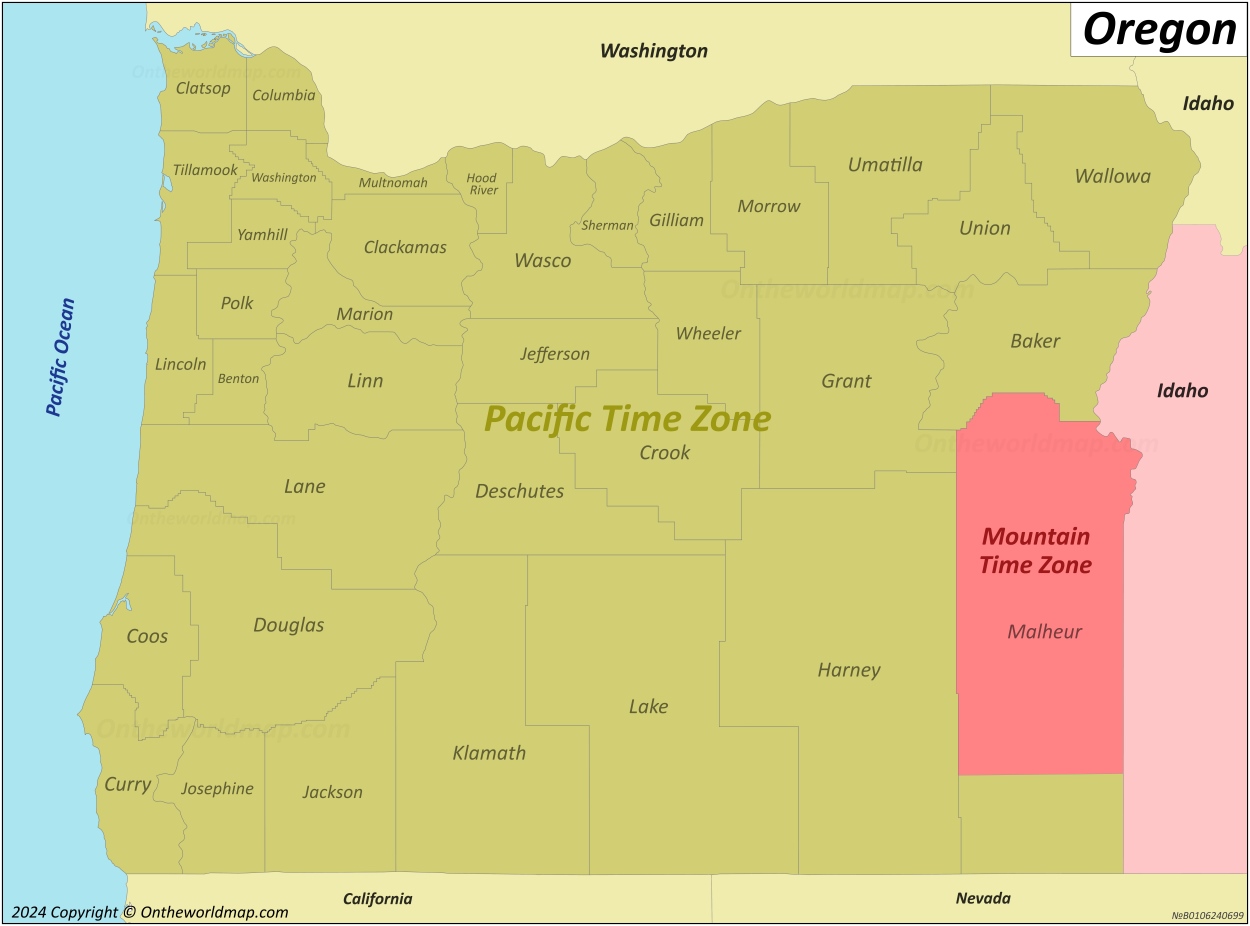
Oregon predominantly sits within the Pacific Time Zone, aligning it with its northern neighbor, Washington, and the greater West Coast region. This cohesion facilitates business, travel, and cultural exchanges within the Pacific Northwest. Cities like Seattle and Vancouver, Washington, share the same time zone as Portland, creating a unified rhythm for regional commerce, transportation networks, and even shared media broadcasts. This consistency is a boon for regional tourism, allowing visitors to seamlessly navigate between these vibrant Pacific Northwest destinations without the added complexity of time zone shifts.
Economic and Social Implications of Time Zones
The consistent time zone across the West Coast supports robust economic ties, particularly within the tech and trade sectors that are prevalent in Portland, Seattle, and California. Companies can operate more efficiently, coordinating projects and communications without significant time disparities. Socially, it fosters a shared lifestyle, where events, sporting schedules, and prime-time television programming are synchronized. While Oregon has periodically considered opting out of Daylight Saving Time, the current adherence to the Pacific Time Zone with DST provides a consistent framework that influences daily life, economic activity, and travel planning for millions. For travelers, this means a predictable environment in which to explore and engage with Portland’s dynamic urban landscape and natural beauty.
LifeOutOfTheBox is a participant in the Amazon Services LLC Associates Program, an affiliate advertising program designed to provide a means for sites to earn advertising fees by advertising and linking to Amazon.com. Amazon, the Amazon logo, AmazonSupply, and the AmazonSupply logo are trademarks of Amazon.com, Inc. or its affiliates. As an Amazon Associate we earn affiliate commissions from qualifying purchases.