
The captivating state of Oregon, nestled in the Pacific Northwest of the United States, is a land of dramatic contrasts. From the rugged coastline and the majestic Cascade Mountains to the high desert plains and the vibrant urban centers, Oregon offers a diverse tapestry of experiences for every traveler. Understanding the local time is a fundamental, yet crucial, piece of information for anyone planning a trip, whether it’s a leisurely exploration of its natural wonders, a deep dive into its rich culture, or simply a quest for the perfect place to stay.

Understanding Oregon’s Time Zone: Pacific Time
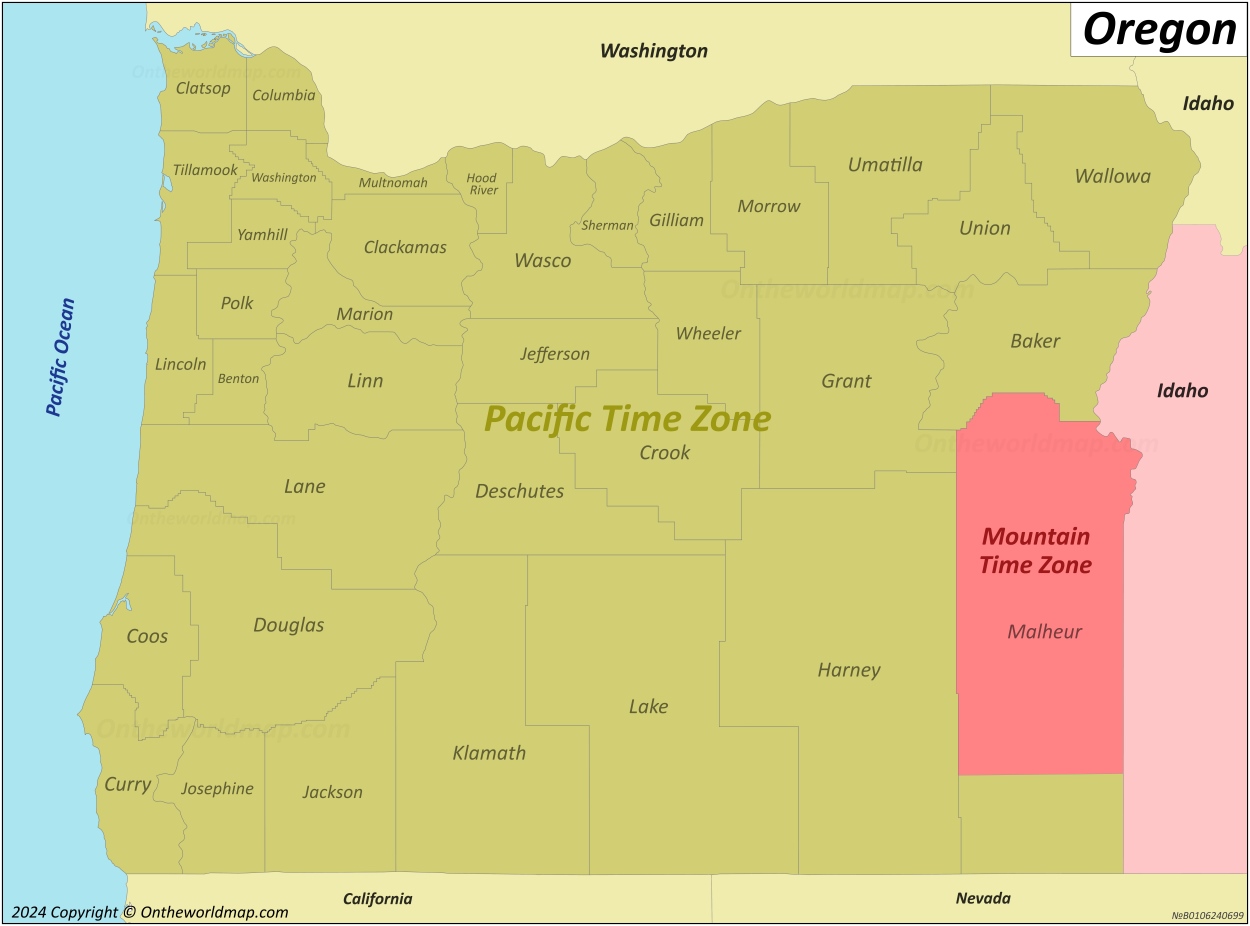
Oregon observes the Pacific Time Zone (PT). This designation encompasses a significant portion of the western United States, and Oregon is firmly within its boundaries. The Pacific Time Zone operates on Pacific Standard Time (PST) during the winter months and observes Pacific Daylight Time (PDT) during the warmer months.
Pacific Standard Time (PST)
From early November to mid-March, Oregon adheres to Pacific Standard Time (PST). During PST, the state is UTC-8, meaning it is eight hours behind Coordinated Universal Time (UTC). This is the “standard” time for the region, observed when daylight saving adjustments are not in effect. For those coordinating with international partners or tracking global events, knowing this UTC offset is essential for accurate scheduling.
Pacific Daylight Time (PDT)
As the days lengthen and spring arrives, Oregon transitions to Pacific Daylight Time (PDT). This typically begins on the second Sunday in March and concludes on the first Sunday in November. During PDT, the clocks are moved forward by one hour, placing the state at UTC-7. This shift is a common practice in many parts of North America to maximize daylight hours during the summer.
The observance of Daylight Saving Time means that the actual clock time in Oregon will shift twice a year. For instance, if it is 12:00 PM UTC on a day when Oregon is observing PST, it will be 4:00 AM in Oregon. When Oregon is observing PDT, that same 12:00 PM UTC would correspond to 5:00 AM in the state. This change is important for travelers, especially those with connecting flights, booking tours, or arranging meetups.
Navigating Oregon: Practical Time Considerations for Travelers
When planning an adventure to Oregon, understanding the local time is not just about knowing the current hour; it’s about optimizing your travel experience. From booking accommodations to scheduling excursions and enjoying local events, time plays a pivotal role.
Planning Your Itinerary: Embracing Oregon’s Rhythms
Oregon’s diverse geography means its attractions operate on their own unique schedules, influenced by daylight and seasonal patterns.
Coastal Wonders and Mountain Adventures
The Oregon Coast, with its dramatic cliffs, charming seaside towns like Cannon Beach and Tillamook, and vast stretches of sandy beaches, beckons visitors year-round. However, the best times for beachcombing, whale watching tours, or exploring the iconic Haystack Rock are often dictated by tides and daylight. Early morning or late afternoon can offer spectacular light for photography, and these times also tend to be less crowded.
In the Cascade Mountains, destinations like Mount Hood National Forest and the Crater Lake National Park offer breathtaking scenery and outdoor activities. Hiking trails are best enjoyed during daylight hours, and knowing when sunset occurs is crucial for safety. For winter sports enthusiasts, ski resorts such as Timberline Lodge open according to snow conditions, with operations typically running from morning until late afternoon or early evening. Planning your departure from these areas before dusk is a wise precaution, especially during seasons with shorter daylight.
Urban Exploration in Portland and Eugene
The vibrant cities of Oregon and Eugene offer a wealth of cultural experiences, from world-class museums and bustling farmers’ markets to renowned culinary scenes and craft breweries.
In Portland, the famous Powell’s City of Books is a haven for bibliophiles, with hours that often extend into the evening, allowing for leisurely browsing. The city’s renowned dining scene offers everything from early brunch spots to late-night eateries. Understanding when restaurants open and close, especially for popular reservations, can save you disappointment. For those interested in local culture, checking the performance schedules for venues like the Arlene Schnitzer Concert Hall or the Oregon Zoo requires awareness of Pacific Time. Many events start in the evening, so knowing the precise local time will ensure you don’t miss the opening act or the start of a show.
Eugene, known for its progressive spirit and proximity to outdoor recreation, also has a dynamic schedule of events. Its farmers’ markets, often held on weekend mornings, are a highlight for many visitors. The University of Oregon’s campus and its associated cultural institutions also have specific operating hours that align with the local time.
Accommodation and Booking: Ensuring Seamless Stays
Whether you’re looking for a luxurious resort on the coast, a cozy boutique hotel in a mountain town, or a budget-friendly apartment in the city, booking and check-in/check-out procedures are always time-sensitive.
Hotels and Resorts: Check-in and Check-out Times
Most hotels and resorts in Oregon, like elsewhere in the United States, have standard check-in times, typically in the afternoon (e.g., 3:00 PM or 4:00 PM Pacific Time), and check-out times in the morning (e.g., 11:00 AM or 12:00 PM Pacific Time). These times are crucial for planning your arrival and departure. If you have a late flight into cities like Portland International Airport (PDX), you might need to arrange for a late check-in or store your luggage. Conversely, if you have an early flight, knowing the check-out time allows you to factor in transportation to the airport.
Consider hotels like the The Nines, a Luxury Collection Hotel, Portland or the Inn at Spanish Head Resort & Suites on the coast. Their respective websites will detail their specific policies, all presented in Pacific Time. For vacation rentals or longer stays, understanding the rental period in terms of days and local time is equally important.
Booking Tours and Experiences
Oregon offers a plethora of guided tours, from wine tasting excursions in the Willamette Valley to guided hikes in the Columbia River Gorge. Tour operators will list their departure times in local Oregon time. For example, a wine tour might depart at 9:00 AM PDT, meaning you need to be at the pickup point by that time. It is always advisable to confirm these times directly with the tour provider, especially if booking across different time zones.
Lifestyle Choices: Tailoring Your Visit to the Clock
Oregon caters to a wide spectrum of travel styles, from the opulent luxury traveler to the budget-conscious backpacker, and the family on an adventure. Each style benefits from a clear understanding of local time.
Luxury Travel and Business Stays
For those seeking a luxury travel experience, Oregon boasts exquisite resorts and high-end hotels. Services such as spa appointments, fine dining reservations, and chauffeured transportation will all be scheduled according to Pacific Time. Business travelers also rely on precise timing for meetings, conferences, and flights. Understanding the time difference is critical when coordinating with colleagues or clients in different regions. A 9:00 AM meeting in New York (Eastern Time) is 6:00 AM in Oregon (Pacific Time), a detail that can significantly impact preparation and punctuality.

Budget Travel and Family Trips
Budget travelers, often relying on public transport or managing tight schedules, need to be acutely aware of bus and train departure times, which are always listed in local time. For families, especially those with young children, understanding the rhythm of daylight and the operational hours of attractions is key to a successful and enjoyable trip. Visiting the Oregon Museum of Science and Industry (OMSI) or exploring the wonders of the Oregon Coast Aquarium will depend on their specific opening and closing hours, which are all based on Pacific Time. Planning activities around nap times or early bedtimes becomes much smoother with a clear grasp of the local clock.
In essence, while the question “What time is now in Oregon?” may seem simple, its answer unlocks a world of planning, enables seamless travel, and allows for the full enjoyment of all that this remarkable state has to offer. Whether you’re gazing at the majestic Mount Rainier (visible from parts of Oregon on clear days) or enjoying a cup of coffee in downtown Portland, being aware of the Pacific Time Zone is your first step to an unforgettable Oregon experience.
LifeOutOfTheBox is a participant in the Amazon Services LLC Associates Program, an affiliate advertising program designed to provide a means for sites to earn advertising fees by advertising and linking to Amazon.com. Amazon, the Amazon logo, AmazonSupply, and the AmazonSupply logo are trademarks of Amazon.com, Inc. or its affiliates. As an Amazon Associate we earn affiliate commissions from qualifying purchases.