
For anyone planning a visit to the Lone Star State, from the vibrant urban landscapes of Dallas and Houston to the live music capital of Austin or the historic charm of San Antonio, understanding the local customs and regulations is key to a smooth and enjoyable trip. Among the many questions visitors and new residents often have, one frequently pops up, especially when envisioning a relaxing evening on a patio or stocking up for a weekend getaway: “What time do they sell beer in Texas?”
Texas, a state renowned for its expansive landscapes, rich history, and distinctive culture, also has a fascinating and sometimes complex set of alcohol laws. These regulations are overseen primarily by the Texas Alcoholic Beverage Commission (TABC), and they dictate everything from licensing to sales hours. While the state is famous for its hearty cuisine and friendly hospitality, navigating its alcohol sales landscape can sometimes feel like a puzzle due to variations between different types of establishments and alcoholic beverages. This comprehensive guide aims to demystify beer sales in Texas, ensuring you’re well-informed whether you’re planning a lively night out, a quiet evening in, or simply restocking your cooler.
Understanding these laws is not just about convenience; it’s about respecting local ordinances and ensuring a hassle-free experience during your travels or long-term stay. Texas offers a diverse range of experiences, from exploring historic landmarks and enjoying world-class attractions to savoring local culture and indulging in unique culinary delights. Whether you’re unwinding at a luxurious resort, booking a charming apartment, or staying at a budget-friendly hotel, knowing when and where you can purchase your preferred brew is an essential piece of the planning puzzle.
Understanding Texas Alcohol Laws
The alcohol laws in Texas are designed to regulate the sale and consumption of alcoholic beverages, balancing public safety with economic activity. While the system can appear intricate, it generally distinguishes between on-premise sales (where alcohol is consumed at the place of purchase, like a bar or restaurant) and off-premise sales (where alcohol is purchased for consumption elsewhere, like a grocery or convenience store). Furthermore, the type of alcohol – beer and wine versus distilled spirits – also plays a crucial role in determining sales hours.
The Texas Alcoholic Beverage Commission (TABC) is the state agency responsible for enforcing these laws. Their guidelines are comprehensive, covering everything from the manufacturing and distribution of alcoholic beverages to their sale to consumers. For visitors and residents alike, a basic understanding of these regulations helps avoid any potential inconveniences and ensures a smooth experience when trying to enjoy a refreshing drink.
General Regulations for Beer Sales
When it comes to purchasing beer in Texas, the rules vary depending on whether you’re buying it to drink at the establishment (on-premise) or to take home (off-premise). These distinctions are important because they directly impact the hours during which sales are permitted.
Generally, establishments selling beer for off-premise consumption (e.g., grocery stores, convenience stores, package stores) are subject to specific weekday and weekend hours. For on-premise consumption (e.g., bars, restaurants, pubs), the hours are typically more extended to accommodate evening entertainment and dining. It’s also worth noting that these regulations apply across most of the state, though local jurisdictions can implement further restrictions, especially concerning package stores selling liquor, which we’ll delve into later. The intent is to provide a framework that allows for the enjoyment of alcoholic beverages while maintaining order and public safety.
Specifics for On-Premise Consumption (Bars, Restaurants)
If you’re looking to enjoy a beer at a bar, restaurant, or other licensed establishment in Texas, the sales hours are generally quite accommodating, especially in major cities.
- Monday through Saturday: Beer can typically be sold and served from 7:00 AM to midnight.
- Sunday: Sales usually begin later, from 10:00 AM to midnight.
However, there’s a significant exception known as the “Extended Hours Permit” or “Late Hours Permit.” Many establishments, particularly those in bustling areas of cities like Dallas, Houston, Austin, and San Antonio, obtain this permit. With an Extended Hours Permit, these establishments can sell and serve beer:
- Monday through Saturday: From 7:00 AM to 2:00 AM.
- Sunday: From 10:00 AM to 2:00 AM.
It’s always a good idea to check with the specific venue, especially if you’re planning a late night out, as not all places will have this permit. This flexibility allows for a vibrant nightlife, contributing to Texas’s appeal as a destination for tourism and lifestyle experiences. Whether you’re enjoying live music in Austin, dining out in Dallas, or exploring the riverwalk in San Antonio, there are ample opportunities to find a cold beer well into the night.
Specifics for Off-Premise Consumption (Grocery, Convenience Stores)
When you want to grab a six-pack for your hotel room, a cooler for a picnic, or stock up your fridge at a long-term rental, you’ll be dealing with off-premise sales, primarily from grocery stores, convenience stores, and specialized beer and wine retailers. The rules for these outlets are generally more restrictive than for on-premise consumption.
For off-premise beer sales:
- Monday through Friday: Beer can be sold from 7:00 AM to midnight.
- Saturday: Sales are permitted from 7:00 AM to 1:00 AM (the following Sunday morning).
- Sunday: Sales are permitted from 10:00 AM to midnight.
This means if you’re planning a Sunday brunch or a backyard BBQ, you’ll need to wait until 10:00 AM to purchase beer from a store. This later start time on Sunday is a common characteristic of alcohol laws in many states across the United States, often stemming from historical blue laws. It’s a key detail to remember when planning your weekend activities, especially if you’re traveling through different regions of Texas and might be accustomed to different regulations.
Navigating Different Alcohol Types
The alcohol laws in Texas don’t treat all alcoholic beverages equally. There’s a distinct difference in how beer and wine are regulated compared to distilled spirits (liquor). Understanding this distinction is vital for anyone planning their purchases, whether for a casual gathering or a more formal event.
This layered approach to alcohol regulation is part of what makes Texas’s system unique. It affects not only the sales hours but also the types of establishments that can sell certain beverages and, in some cases, even the packaging. For instance, while beer is widely available in grocery and convenience stores, liquor sales are much more restricted, reflecting a historical perspective on these different categories of alcohol.
Beer and Wine vs. Liquor
One of the most significant distinctions in Texas alcohol law is between beer/wine and liquor (distilled spirits).
- Beer and Wine: As discussed, these can be sold in a wide range of outlets, including grocery stores, convenience stores, and many other retailers. The sales hours are relatively broad, especially for on-premise consumption.
- Liquor (Distilled Spirits): The sale of liquor is much more restricted.
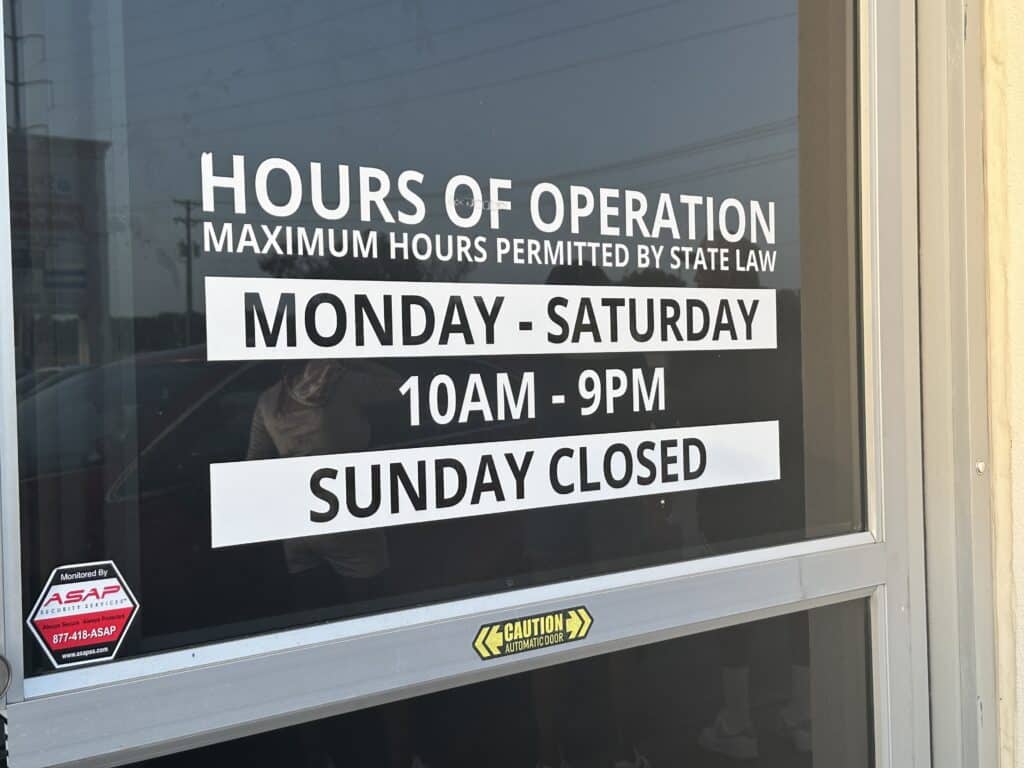
- Off-premise liquor sales are only permitted in dedicated package liquor stores. These stores have very specific operating hours:
- Monday through Saturday: From 10:00 AM to 9:00 PM.
- Sunday: Liquor stores are closed all day.
- They are also closed on major holidays such as New Year’s Day, Thanksgiving Day, and Christmas Day.
- Off-premise liquor sales are only permitted in dedicated package liquor stores. These stores have very specific operating hours:
This means if you’re planning to buy spirits for a cocktail, you need to plan ahead, especially for Sunday or holiday gatherings. This distinct regulation is a notable feature of Texas’s alcohol laws and differs significantly from neighboring states like Louisiana or New Mexico where liquor sales may be less restricted. For tourists, this often comes as a surprise, so it’s a crucial piece of information to remember when visiting iconic Texas cities or exploring its vast rural areas.
Exceptions and Local Ordinances (Dry Counties, etc.)
While the TABC sets the statewide framework, Texas has a unique system that allows for a degree of local control over alcohol sales. This means that certain cities or counties can vote to implement additional restrictions or, conversely, permit sales that were previously prohibited. These local variations are often referred to as “wet,” “dry,” or “partially dry” areas.
- Dry Counties/Areas: Historically, many counties in Texas were “dry,” meaning the sale of any alcohol was completely prohibited. While the number of fully dry counties has decreased over the years, there are still areas where specific types of alcohol sales (e.g., packaged beer, wine, or liquor) are restricted or entirely banned. It’s not uncommon to find a “partially dry” county where beer and wine can be sold, but not liquor, or where only on-premise consumption is allowed.
- Local Option Elections: These local restrictions are usually determined by local option elections, allowing residents to vote on specific alcohol-related issues. This democratic process means that the alcohol landscape can vary significantly even between adjacent towns.
- Special Circumstances: Some areas might have specific limitations for sales near churches, schools, or in certain entertainment districts. For instance, during major holidays like Christmas Eve or New Year’s Eve, while not outright prohibitions, establishments must still adhere to their regular closing hours, unless a specific holiday falls on a Sunday or impacts regular weekday sales.
For travelers, particularly those venturing into rural Texas or smaller towns, it’s always prudent to check the local ordinances if you plan to purchase alcohol. A quick online search for the specific county or city you’re visiting can save you a trip to a store that might not be able to sell you what you’re looking for. This consideration is particularly important for those who appreciate local culture and wish to integrate seamlessly into their chosen destination, whether it’s a bustling hub like Fort Worth or a tranquil lakeside community.
Planning Your Texas Experience
Knowing the ins and outs of beer sales in Texas is more than just a piece of trivia; it’s a practical detail that can enhance your entire travel and lifestyle experience in the state. From savoring a craft brew at a local microbrewery to enjoying a domestic favorite with a plate of authentic Texas BBQ, understanding the timing and locations ensures you’re always prepared.
Texas is a vast state, and its diverse offerings cater to every type of traveler. Whether you’re interested in the historical landmarks of San Antonio, the technological innovation in Austin, the cowboy heritage of Fort Worth, or the coastal charm of Galveston, a refreshing beverage can often complement the experience. Integrating this knowledge into your travel itinerary means you can fully immerse yourself without unexpected hiccups, allowing you to focus on the attractions, the local food, and the unique experiences Texas has to offer.
Where to Enjoy a Cold One
Texas boasts an incredible array of venues where you can enjoy a cold beer, reflecting the state’s vibrant social scene and growing craft beer movement.
- Restaurants and Bars: From upscale dining establishments to casual diners, and from lively sports bars to cozy pubs, the options are limitless. Many restaurants in major cities like Houston and Dallas feature extensive beer lists, often including local Texas brews. Bars, especially those with extended hour permits, are perfect for evening entertainment, whether it’s catching a game, listening to live music, or simply socializing.
- Breweries and Taprooms: The craft beer scene in Texas has exploded, with numerous breweries and taprooms popping up across the state. Places like Austin are particularly known for their innovative breweries, offering unique tastings and a chance to learn about the brewing process. Many breweries also host food trucks and live events, making them popular community hubs.
- Entertainment Venues: Concert halls, stadiums, theaters, and outdoor event spaces across Texas typically have licenses to sell beer during events. This means you can enjoy a refreshing drink while cheering on your favorite team or enjoying a concert.
- Hotels and Resorts: Most hotels, especially those offering amenities like a bar or restaurant, will sell beer to their guests within their licensed hours. If you’re staying at a Texas resort or a luxury hotel, you’ll often find a well-stocked bar right on the premises, adhering to the on-premise consumption rules.
- Outdoor Spaces (with caution): While general open container laws prohibit consuming alcohol in public places, some cities have specific entertainment districts or designated areas where open containers are permitted during certain hours or events. Always check local signs and ordinances.
When booking accommodation, whether it’s a charming villa, a spacious apartment, or a sophisticated suite, remember that buying beer from a local grocery store within the off-premise hours might be a more budget-friendly option than relying solely on hotel mini-bars, especially for longer stays or family trips.
Tips for Responsible Consumption and Travel
Traveling responsibly in Texas involves more than just knowing when you can buy a beer; it also means being mindful of local customs, ensuring your safety, and respecting the environment.
- Designate a Driver or Use Ride-Shares: Texas has strict laws against driving under the influence. With the widespread availability of ride-sharing services like Uber and Lyft in major cities, as well as traditional taxi services, it’s easier than ever to enjoy alcoholic beverages responsibly without getting behind the wheel. Public transportation options are also expanding in urban centers.
- Stay Hydrated: The Texas heat, especially during the summer months, can be intense. Always remember to alternate alcoholic drinks with water to stay hydrated, particularly if you’re spending time outdoors or exploring attractions.
- Know Your Limits: Pace yourself and be aware of how alcohol affects you. This is crucial for your safety and the enjoyment of your trip.
- Respect Local Laws and Etiquette: Even if you’re in a “wet” area, open container laws apply in most public spaces, meaning you generally cannot walk around with an open alcoholic beverage. Always dispose of your trash properly and be respectful of local communities.
- Plan Ahead for Holidays: Remember that liquor stores are closed on Sundays and major holidays. Beer sales also have specific holiday hours. If you’re planning a special celebration, stock up in advance. The same goes for travel planning; checking your hotel’s amenities, like on-site bars or proximity to grocery stores, can save time.
- Explore Texas Beyond the Beer: While a cold beer is a great way to unwind, Texas offers a wealth of non-alcoholic experiences. Explore its natural beauty in state parks, visit historical sites, enjoy the vibrant arts scene, or delve into the diverse culinary landscape.
In conclusion, navigating the beer sales times in Texas is straightforward once you understand the basic distinctions between on-premise and off-premise consumption and the specific hours for each. Remember the 2:00 AM last call for bars and restaurants with extended permits, the midnight cutoff for most off-premise sales on weekdays and Sundays, and the 1:00 AM extension on Saturdays for stores. Always factor in the later 10:00 AM start on Sundays for all off-premise beer sales. With this knowledge, you’re well-equipped to fully enjoy all the dynamic and welcoming experiences Texas has to offer, responsibly and conveniently. Whether you’re an intrepid traveler exploring new destinations or simply seeking a relaxing lifestyle experience, the Lone Star State is ready to welcome you.
LifeOutOfTheBox is a participant in the Amazon Services LLC Associates Program, an affiliate advertising program designed to provide a means for sites to earn advertising fees by advertising and linking to Amazon.com. Amazon, the Amazon logo, AmazonSupply, and the AmazonSupply logo are trademarks of Amazon.com, Inc. or its affiliates. As an Amazon Associate we earn affiliate commissions from qualifying purchases.