
Embarking on a journey from the vibrant Southern metropolis of Atlanta, Georgia, to the magical theme park capital of Orlando, Florida, is a common travel aspiration for many. Whether you’re heading for a family vacation, a business trip, or simply exploring new horizons, understanding the distance and the various travel options is the first step in planning an efficient and enjoyable experience. This guide delves into all aspects of traversing the distance between these two popular United States cities, offering insights into routes, timings, and considerations to help you make the most of your travel.

The Straightforward Answer: Distance and Duration
The geographical distance between Atlanta and Orlando is a significant factor in determining travel time and method. While a straight line might suggest one figure, the reality of roads and air routes presents different scenarios.
By Road: Driving the I-75 and Florida Turnpike
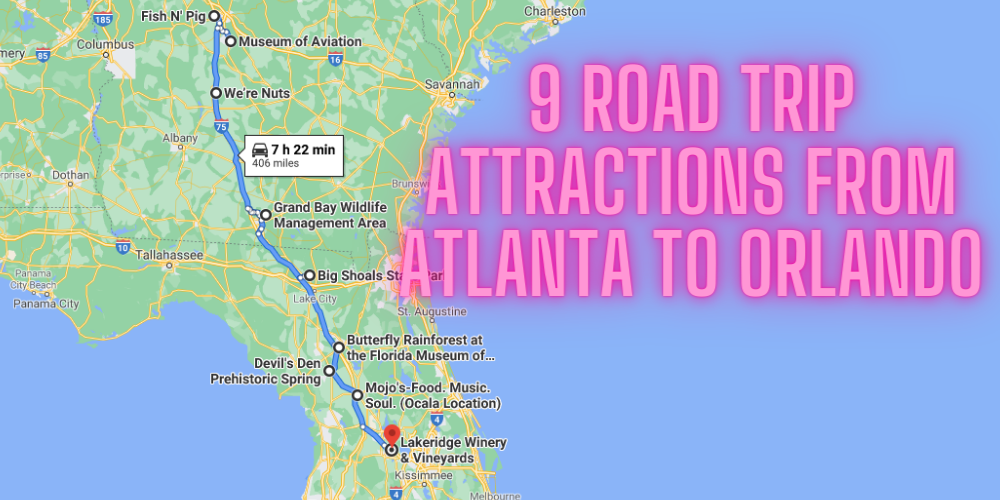
The most common way to travel between Atlanta and Orlando by road is via a combination of major interstate highways. The approximate driving distance is around 440 to 450 miles (708-724 kilometers). This route typically involves heading south on Interstate 75 (I-75) through Georgia and into Florida, eventually connecting with the Florida Turnpike or other state roads that lead directly into Orlando.
Under ideal driving conditions, with minimal traffic and stops, the journey can take approximately 6.5 to 7.5 hours. However, travelers should factor in time for fuel stops, meals, restroom breaks, and potential traffic delays, especially when passing through larger cities like Macon or around the Jacksonville area, and certainly upon approaching Orlando itself. It’s prudent to plan for a total travel time of 8 to 9 hours to account for these variables, ensuring a less rushed and more enjoyable drive.
By Air: The Quickest Route
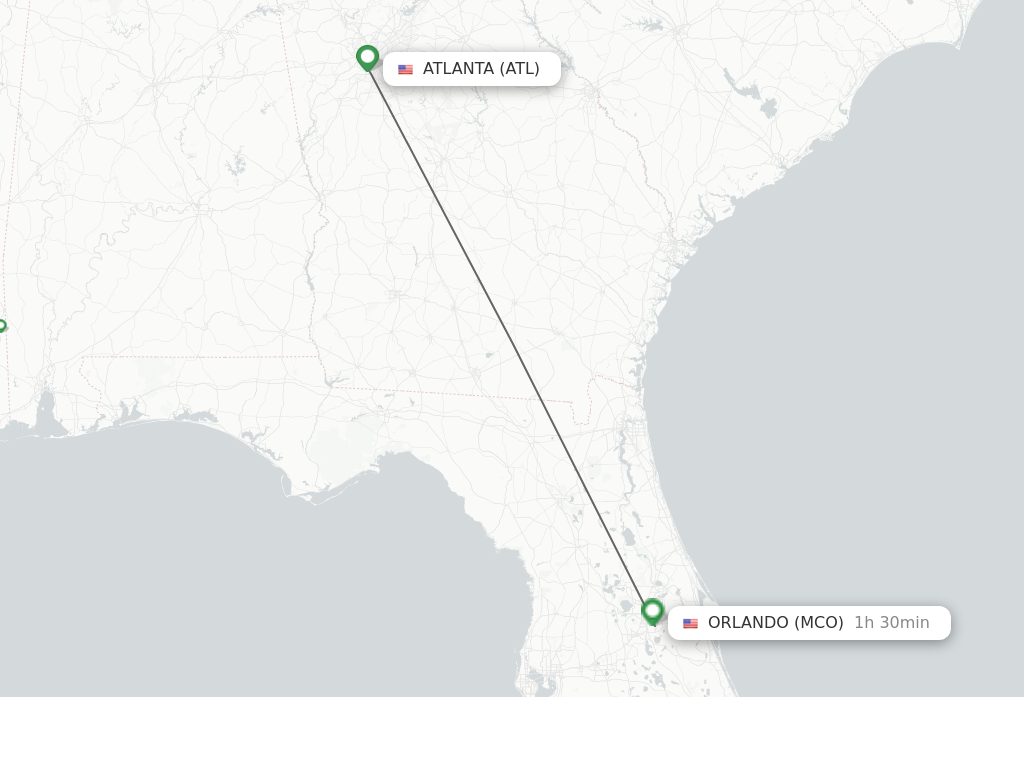
For those prioritizing speed, flying is undoubtedly the fastest option. Direct flights between Hartsfield-Jackson Atlanta International Airport (ATL) and Orlando International Airport (MCO) typically have a flight time of approximately 1 hour and 15 minutes to 1 hour and 30 minutes.
While the actual flight duration is short, the overall travel time needs to include pre-flight procedures (check-in, security, boarding) and post-flight logistics (deplaning, baggage claim, ground transportation to your final destination). When considering these factors, the total door-to-door travel time for flying can range from 4 to 6 hours, depending on airport efficiency, wait times, and the proximity of your origin and destination points to the airports.
Other Transportation Options
Beyond driving and flying, travelers have a couple of other options, though they are generally less direct and more time-consuming.
- Bus Services: Companies like Greyhound offer routes between Atlanta and Orlando. These journeys are often significantly longer than driving, typically ranging from 9 to 12 hours or more, due to multiple stops and transfers. They are usually the most budget-friendly option.
- Train Services: Amtrak provides train service connecting the two cities, often involving transfers. While trains can offer a more relaxed travel experience with scenic views, the total travel time can be considerable, sometimes exceeding 12-15 hours, making it less practical for those on a tight schedule.
Planning Your Journey: Essential Considerations
Choosing the right mode of transportation and timing your trip are crucial for a seamless travel experience from Atlanta to Orlando.
Choosing Your Mode of Transport
The decision between driving and flying largely depends on several factors:
- Budget: Flying can sometimes be more expensive, especially if traveling solo or with a small group, though budget airlines often offer competitive fares. Driving incurs costs for fuel, tolls, and potential overnight stays, but can be more economical for families or groups who can split expenses.
- Time Constraints: If time is of the essence, flying is the clear winner. If you have more flexibility and enjoy the journey, driving allows for greater spontaneity.
- Luggage Needs: Driving offers more flexibility for carrying bulky luggage, sports equipment, or supplies for a longer stay. Flying, especially with budget carriers, often involves extra fees for checked baggage.
- Group Size: For solo travelers or couples, flying might be more convenient. For families with children or larger groups, driving offers the advantage of space, comfort, and the ability to make stops as needed.
- Desire for Exploration: A road trip allows for detours and stops at points of interest along the way, turning the journey into part of the adventure.
Best Times to Travel
The time of year and even the day of the week can significantly impact your travel experience:
- Seasonal Considerations: Orlando’s peak season aligns with school holidays (summer, spring break, winter holidays), leading to higher prices for flights and accommodations, and increased crowds at attractions. Traveling during shoulder seasons (late spring, early fall) can offer better weather, fewer crowds, and potentially lower costs.
- Traffic Patterns: For road travelers, avoiding peak commuting hours when driving through or near major cities (like Atlanta or Jacksonville) can save significant time. Weekday travel often sees more commercial truck traffic. Weekends, particularly Friday evenings and Sunday afternoons, can be busy on both roads and in airports. Mid-week travel (Tuesday through Thursday) often presents the lightest traffic and potentially lower airfares.
Budgeting for Your Trip
A realistic budget incorporates more than just the cost of transport:
- Fuel and Tolls (Driving): Estimate fuel costs based on your vehicle’s mileage and current gas prices. The Florida Turnpike is a toll road, so factor in those expenses. Consider purchasing a SunPass or compatible transponder if you plan to use Florida toll roads frequently.
- Airfare (Flying): Flight prices fluctuate widely based on booking in advance, seasonality, and airline choice. Always compare prices across different airlines and consider booking connecting flights if direct ones are too expensive.
- Accommodation: Whether you need an overnight stop on a long drive or a hotel upon arrival in Orlando, account for lodging costs.
- Food and Beverages: Plan for meals and snacks, whether packing them for a road trip or purchasing them en route or at the airport.
- Attraction Tickets: Orlando is known for its theme parks; factor in the cost of admission to Walt Disney World Resort, Universal Orlando Resort, or SeaWorld Orlando if these are part of your itinerary.
The Scenic Drive: What to Expect on the Road
A road trip from Atlanta to Orlando can be an enjoyable adventure, offering a chance to see parts of Georgia and Florida that you’d otherwise miss.
Key Stops and Attractions Along the Way
While the primary route on I-75 is largely efficient, there are several places worth considering for a break or a short detour:
- Macon, Georgia: About an hour and a half south of Atlanta, Macon offers a glimpse into Southern history and music heritage. Visit the Allman Brothers Band Museum at the Big House or explore the Ocmulgee Mounds National Historical Park.
- Gainesville, Florida: Home to the University of Florida, Gainesville offers a lively college town atmosphere. The Florida Museum of Natural History is a notable stop.
- Ocala National Forest: East of I-75 as you get deeper into Florida, this vast forest offers natural springs and outdoor activities if you have time for a significant detour.
- Wildwood, Florida: This area marks a common transition point from I-75 to the Florida Turnpike for destinations in central Florida. It’s a good place for gas and a quick bite.
Navigating Tolls and Traffic
As mentioned, the Florida Turnpike is a major toll road. It’s advisable to have a plan for tolls, whether using a transponder (SunPass is widely accepted), cash, or toll-by-plate options (which can incur higher fees). Traffic can be particularly heavy on weekends, holidays, and during rush hours, especially around Atlanta, Jacksonville, and the approach to Orlando’s theme park areas. Utilizing GPS navigation apps with real-time traffic updates (e.g., Google Maps, Waze) is highly recommended.
Road Trip Essentials
- Vehicle Check: Ensure your car is in good condition with properly inflated tires, topped-off fluids, and a full tank of gas.
- Emergency Kit: Carry a basic emergency kit, including jumper cables, a first-aid kit, and roadside assistance information.
- Entertainment: Podcasts, audiobooks, and music can make the long hours fly by, especially for passengers.
- Snacks and Drinks: Pack a cooler with water and snacks to minimize stops and save money.
Flying Between the Cities: Airports and Logistics
For many, the speed and convenience of air travel make it the preferred choice, despite the added airport procedures.
Hartsfield-Jackson Atlanta International Airport (ATL)
ATL is one of the busiest airports in the world, serving as a major hub for Delta Air Lines and offering extensive connections.
- Getting There: ATL is easily accessible from downtown Atlanta via the MARTA rail system, ride-shares, taxis, and private car services.
- Terminals: The airport has two main terminals (Domestic and International) with multiple concourses. Be sure to know which terminal and concourse your flight departs from.
- Security: Given its size, security lines at ATL can be long, especially during peak travel times. Arrive well in advance, and consider programs like TSA PreCheck or Clear to expedite the process.
Orlando International Airport (MCO)
MCO is Florida’s busiest airport and a gateway to the region’s world-famous attractions.
- Getting Around: MCO is designed for efficiency, with automated people movers connecting the main terminal to the airside concourses.
- Ground Transportation: Upon arrival, numerous options are available for reaching your final destination in Orlando, including rental cars, taxis, ride-shares, shuttle services (many hotels and resorts offer dedicated shuttles), and public transportation. Note that Walt Disney World Resort no longer offers its complimentary Magical Express service, so plan alternative transport if staying on property.
- Proximity to Attractions: MCO is conveniently located about 20-30 minutes from major theme parks like Universal Orlando Resort and Walt Disney World Resort.
Tips for a Smooth Flight Experience
- Book in Advance: Especially for peak seasons, booking flights several months out can secure better prices and availability.
- Check-in Online: Most airlines allow online check-in 24 hours before departure, saving time at the airport.
- Pack Smart: Be aware of airline baggage policies to avoid unexpected fees. Carry-on essentials should include any medications, valuables, and entertainment.
- Stay Hydrated: Air travel can be dehydrating, so drink plenty of water.
Why Make the Trip? Unveiling the Charms of Both Destinations
Understanding the distance and logistics is only part of the equation. Knowing why these destinations attract millions offers a deeper appreciation for the journey.
Exploring Atlanta: A City of Southern Charm and Modern Vibrancy
Before you even depart, take a moment to appreciate the city you’re leaving. Atlanta is a dynamic hub rich in history, culture, and entertainment:
- Historical Significance: Explore the Martin Luther King, Jr. National Historical Park, the birth home of Martin Luther King, Jr., and the National Center for Civil and Human Rights.
- Attractions: Visit the World of Coca-Cola, marvel at marine life at the Georgia Aquarium, or relax in Centennial Olympic Park.
- Culinary Scene: Atlanta boasts a diverse food scene, from traditional Southern fare to innovative fine dining.
Discovering Orlando: The Theme Park Capital and Beyond
Your destination, Orlando, is world-renowned for its unparalleled entertainment options:
- Theme Parks: Home to Walt Disney World Resort (Magic Kingdom, Epcot, Disney’s Hollywood Studios, Animal Kingdom), Universal Orlando Resort (Universal Studios Florida, Islands of Adventure), and SeaWorld Orlando, it offers endless thrills.
- Beyond the Parks: Explore Kennedy Space Center for a journey into space exploration, discover Gatorland for unique wildlife encounters, or enjoy the vibrant nightlife and dining at ICON Park.
- Natural Beauty: Central Florida also offers numerous natural springs and outdoor activities for those seeking a break from the hustle and bustle.
In conclusion, the journey from Atlanta to Orlando is a well-traveled path, offering different experiences depending on your preferred mode of transport, budget, and time constraints. Whether you choose the efficiency of a quick flight or the adventure of a road trip, understanding the “how far” is merely the beginning of an exciting travel chapter.
LifeOutOfTheBox is a participant in the Amazon Services LLC Associates Program, an affiliate advertising program designed to provide a means for sites to earn advertising fees by advertising and linking to Amazon.com. Amazon, the Amazon logo, AmazonSupply, and the AmazonSupply logo are trademarks of Amazon.com, Inc. or its affiliates. As an Amazon Associate we earn affiliate commissions from qualifying purchases.